Global Aphasia: A Complete Medical Overview
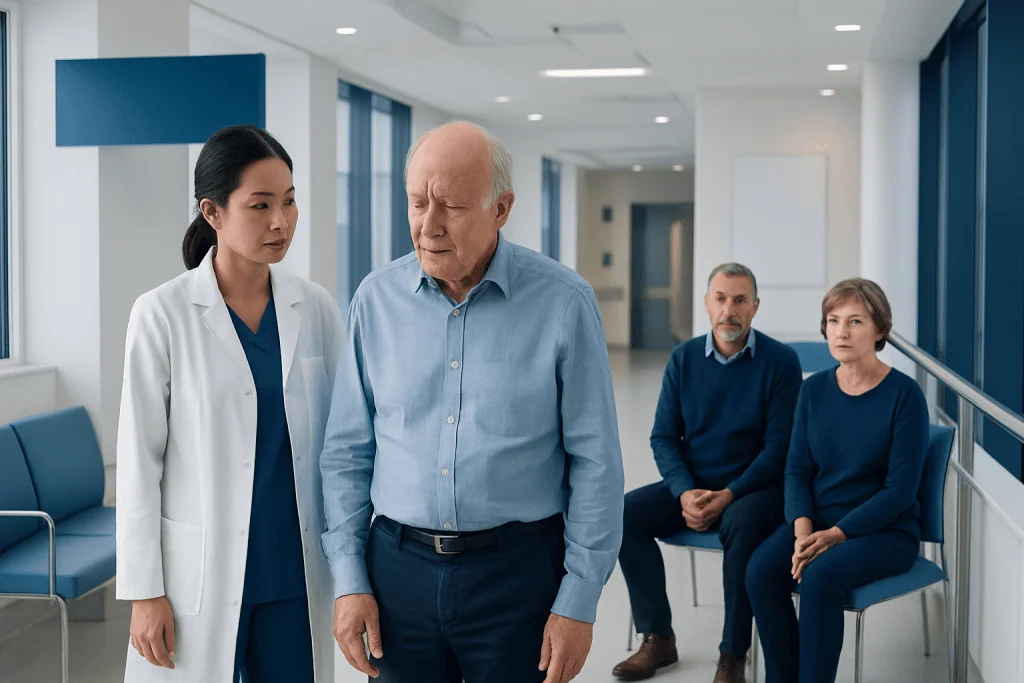
Global aphasia affects both understanding and producing language. Stroke is the most common cause, but brain injury, infection, or tumors can also lead to it.
Key Takeaways
- Global aphasia affects both understanding and producing language.
- Stroke is the most common cause, but brain injury, infection, or tumors can also lead to it.
- Diagnosis involves neurological assessment, language testing, and brain imaging.
- Treatment often includes speech-language therapy, rehabilitation, and caregiver communication strategies.
- Recovery varies widely and depends on the cause, severity, timing of treatment, and overall brain health.
Global aphasia is the most severe form of aphasia, causing major difficulty with speaking, understanding, reading, and writing. It usually happens after a large injury to the language areas of the brain, most often a stroke, and treatment focuses on communication support, rehabilitation, and addressing the underlying cause.
What is global aphasia?
Global aphasia is a severe language disorder caused by damage to the dominant side of the brain, usually the left hemisphere. A person with global aphasia has major difficulty in nearly all language functions, including speaking, understanding spoken words, reading, and writing. It is not a problem of intelligence. Instead, it reflects injury to brain networks that support communication.
This condition most often develops suddenly after a large stroke, but it can also occur after traumatic brain injury, a brain infection, or a tumor affecting language areas. Because communication changes can be dramatic, the condition may feel overwhelming for both the patient and family. However, supportive care, rehabilitation, and treatment of the underlying brain problem can make a meaningful difference.
Global aphasia is different from milder forms of aphasia that affect only one aspect of language more than others. In global aphasia, both expressive language and receptive language are significantly impaired. This means a person may struggle to find words, form sentences, understand conversation, read simple text, or write even familiar information.
How global aphasia affects communication and daily life
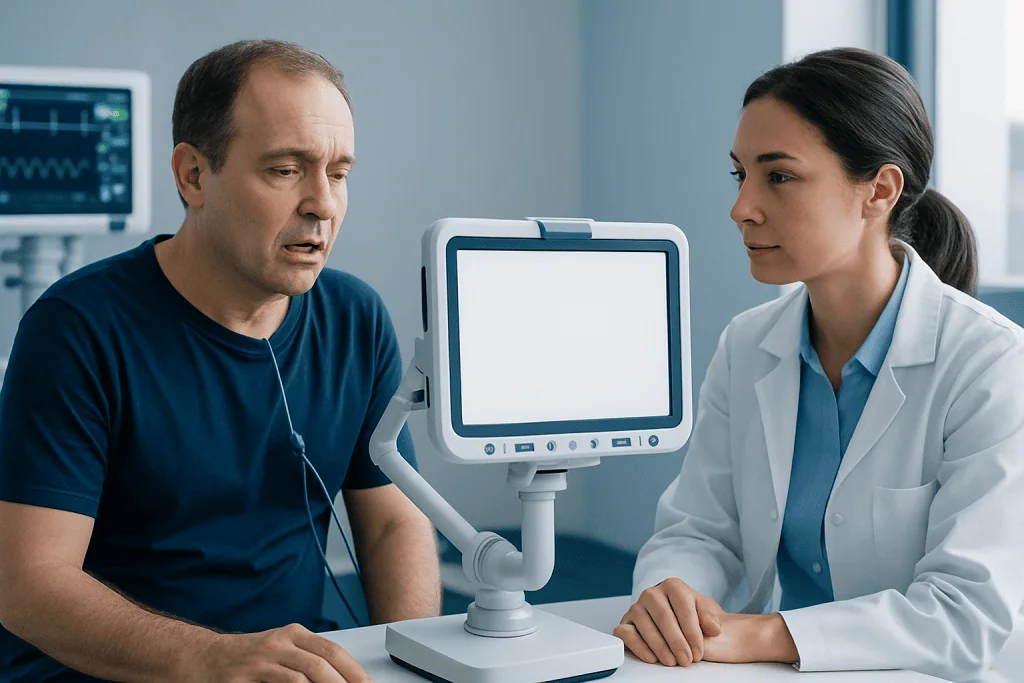
People with global aphasia may use only a few words, repeated sounds, or short automatic phrases. Some cannot answer questions reliably or follow even simple spoken instructions. Others understand more than they can express, but still have substantial trouble communicating needs, discomfort, emotions, or choices. This can affect meals, medication use, safety, relationships, and independence.
Daily tasks often become harder because language supports many parts of routine life. Reading labels, filling forms, making phone calls, following appointments, and taking part in social activities may all become difficult. Communication problems can also lead to frustration, withdrawal, embarrassment, or low mood, especially when the person knows what they want to say but cannot express it.
Global aphasia can occur alongside other neurological problems depending on the area and size of brain injury. These may include weakness on one side of the body, trouble swallowing, visual field loss, or stroke-related movement and balance issues. For this reason, care usually involves a team that may include neurologists, rehabilitation physicians, speech-language pathologists, physical therapists, and occupational therapists.
Symptoms and signs of global aphasia

The hallmark of global aphasia is severe impairment in both language expression and comprehension. Symptoms can vary from person to person, but usually involve broad communication difficulties rather than a single isolated problem. Some people can say only a few familiar words, while others produce longer speech that has little meaningful content.
Common signs may include:
- Difficulty speaking or producing only a few words
- Trouble understanding spoken language
- Inability to repeat words or sentences accurately
- Problems reading words, sentences, or signs
- Difficulty writing names, messages, or simple information
- Using the wrong words, sounds, or repeated phrases
- Frustration when trying to communicate basic needs
Global aphasia does not always affect nonverbal communication in the same way. A person may still use facial expression, gestures, tone of voice, or eye contact to communicate. Families often notice that yes-or-no responses may be inconsistent, so communication usually works best when information is given slowly, clearly, and one idea at a time.
Because sudden language loss can be a sign of a medical emergency, especially when it begins within minutes or hours, urgent assessment is important. Sudden aphasia may point to a stroke and should be treated as time-sensitive.
Causes and risk factors
The most common cause of global aphasia is a large stroke that affects the left middle cerebral artery territory, where important language centers are located. When blood flow to these areas is interrupted, brain cells can be damaged quickly, leading to abrupt problems with understanding and using language. In some cases, global aphasia improves over time and evolves into a less severe aphasia pattern as the brain recovers.
Other causes can include traumatic brain injury, bleeding in the brain, brain infections such as encephalitis, and tumors involving language regions. Less commonly, global aphasia may appear around the time of seizures or after neurosurgical procedures, depending on the area affected. The exact pattern depends on how much brain tissue is injured and which networks are involved.
Risk factors are often the same as those for stroke and other neurological disorders. These may include:
- High blood pressure
- Diabetes
- High cholesterol
- Smoking
- Atrial fibrillation and other heart rhythm disorders
- Older age
- Previous stroke or transient ischemic attack
- Head injury risk
When global aphasia is linked to a structural brain problem, doctors may also evaluate for related conditions such as brain tumor or bleeding. Identifying the underlying cause is essential because treatment is not only about communication therapy, but also about protecting brain health and preventing further injury.
How global aphasia is diagnosed
Diagnosis begins with a detailed medical history and neurological examination. Doctors look at when the symptoms started, how suddenly they appeared, and whether there are other signs such as facial drooping, arm weakness, confusion, or severe headache. This early assessment helps determine whether the aphasia is due to an emergency such as stroke.
Brain imaging is usually needed to find the cause and location of injury. This may include urgent CT scanning or MRI scanning to look for stroke, bleeding, tumor, or other changes in the brain. In emergency stroke care, vascular imaging may also be used to check blood flow and identify blocked arteries.
Speech and language assessment is another key part of diagnosis. A speech-language pathologist may evaluate comprehension, naming, repetition, reading, writing, and functional communication. These assessments help distinguish global aphasia from other communication disorders, such as dysarthria, apraxia of speech, hearing loss, delirium, or cognitive disorders.
Sometimes additional testing is required, especially if the cause is uncertain. Blood tests, heart evaluation, swallowing assessment, or broader neurological work-up may be recommended. The goal is to confirm the diagnosis, understand severity, and create a treatment plan tailored to the person’s needs.
Treatment and rehabilitation options
Treatment for global aphasia has two main goals: managing the underlying brain condition and improving communication as much as possible. If a stroke caused the aphasia, emergency treatment may include clot-busting medicine or stroke treatment to restore blood flow when appropriate. If the cause is a tumor, infection, or another neurological condition, treatment is directed toward that specific problem.
Rehabilitation usually starts as early as medically safe. Speech-language therapy is central to care and may focus on understanding words, producing speech, using gestures, reading simple text, or building alternative ways to communicate. Therapy is often repetitive and structured, but also individualized, with exercises matched to the patient’s strengths and stage of recovery.
Augmentative and supportive communication methods can be very helpful. These may include picture boards, written keywords, communication notebooks, tablet-based tools, or simple yes-or-no systems. Family training matters just as much as formal therapy. Caregivers are often taught to use short sentences, give extra response time, reduce background noise, and confirm understanding gently.
Many patients also benefit from broader neurorehabilitation, especially if aphasia occurs together with weakness, swallowing difficulty, or loss of independence. In some cases, coordinated neurological rehabilitation helps support mobility, daily function, and communication goals at the same time. Near the end of the care pathway, some international patients may choose centers such as Acibadem International, where multidisciplinary specialists in JCI-accredited hospitals evaluate and treat complex neurological conditions.
Recovery, self-care, and support at home
Recovery from global aphasia varies widely. Some people improve significantly, especially in the first weeks and months after stroke, while others continue to have lasting communication difficulties. Improvement depends on the size and location of the brain injury, the person’s age and overall health, how quickly treatment began, and how consistently rehabilitation is continued.
At home, the communication environment can make a real difference. Helpful strategies include speaking slowly, using simple phrases, asking one question at a time, and supporting speech with gestures or pictures. It is usually best to avoid correcting every mistake or rushing the person to answer. Respectful, patient communication helps reduce frustration and supports participation.
Self-care also includes protecting overall brain and vascular health. Managing blood pressure, diabetes, cholesterol, and heart disease can reduce the risk of another stroke. Taking prescribed medications, attending follow-up visits, staying physically active as advised, and avoiding smoking are all important parts of long-term care.
Emotional support should not be overlooked. Aphasia can affect identity, confidence, social relationships, and mood. Support groups, counseling, family education, and community rehabilitation services may help both the patient and loved ones adjust and stay engaged over time.
When to seek medical care
Immediate medical care is needed if language problems begin suddenly, especially if they happen with facial drooping, arm or leg weakness, numbness, severe headache, trouble walking, vision changes, or confusion. These can be signs of stroke, and emergency treatment is most effective when started quickly. Calling emergency services right away is safer than waiting to see if symptoms improve.
Medical review is also important if communication problems appear gradually, worsen over time, or are accompanied by seizures, head injury, fever, or changes in behavior. These patterns may suggest another neurological cause that needs timely evaluation. Even when symptoms seem mild, persistent trouble speaking or understanding language should be assessed by a qualified doctor.
After diagnosis, regular follow-up helps monitor recovery, adjust therapy goals, and address new problems such as swallowing difficulty, depression, or caregiver strain. Early recognition and sustained rehabilitation often give the best chance for meaningful improvement in communication and daily life.
Frequently asked questions
Is global aphasia the same as dementia?
No. Global aphasia is a language disorder caused by brain injury, most often stroke, while dementia is a broader decline in memory and thinking that can have different causes. A person with global aphasia may have intact awareness and reasoning but still be unable to communicate normally.
Can someone recover from global aphasia?
Some people improve substantially, especially with early treatment and ongoing speech-language therapy. Recovery is different for each person and depends on the cause, severity, location of brain injury, and general health. Improvement may continue over months or longer.
Does global aphasia mean a person cannot understand anything?
Not always. Understanding is usually severely affected, but many people still recognize tone, facial expressions, context, or some familiar words. Their level of comprehension can vary from day to day and may improve with rehabilitation.
What is the most common cause of global aphasia?
The most common cause is a large stroke affecting the language-dominant side of the brain, usually the left hemisphere. Other causes include head injury, brain bleeding, infection, or tumors affecting language areas.
How can family members communicate more effectively with someone who has global aphasia?
It often helps to speak slowly, use short simple sentences, and ask one question at a time. Gestures, pictures, writing key words, and allowing extra time to respond can support understanding. A speech-language pathologist can teach practical strategies for the home setting.
Is speech therapy useful even in severe aphasia?
Yes. Speech-language therapy can still be valuable, even when aphasia is severe. Therapy may focus not only on spoken words, but also on comprehension, gestures, alternative communication tools, and everyday participation.
References
- National Institute of Neurological Disorders and Stroke
- National Institute on Deafness and Other Communication Disorders
- American Stroke Association
- American Speech-Language-Hearing Association
- World Health Organization
This article is for general information only and is not a substitute for professional medical advice. Please consult a qualified doctor about your individual situation.
Aphasia in Turkey — costs, top hospitals & a free quote
JCI-accredited · board-certified surgeons · reply within 24h
Add us as a Preferred Source to see more of our trusted health content across Google Search, AI Overviews and Discover.