Graves’ Disease: Autoimmune Thyroid Overactivity and Eye Symptoms

Graves’ disease is the most common autoimmune cause of hyperthyroidism, meaning the thyroid produces too much hormone. Common symptoms include a fast heartbeat, weight loss, tremor, heat intolerance, anxiety, and changes in menstrual patterns.
Key Takeaways
- Graves’ disease is the most common autoimmune cause of hyperthyroidism, meaning the thyroid produces too much hormone.
- Common symptoms include a fast heartbeat, weight loss, tremor, heat intolerance, anxiety, and changes in menstrual patterns.
- Eye symptoms can include dryness, irritation, swelling, light sensitivity, double vision, or a bulging appearance of the eyes.
- Diagnosis usually involves thyroid blood tests, thyroid antibody testing, and sometimes imaging or an eye specialist assessment.
- Treatment may include antithyroid medicines, radioactive iodine, thyroid surgery, and separate care for eye symptoms.
- Smoking can worsen Graves’ eye disease, so stopping smoking is one of the most important self-care steps.
Graves’ disease is an autoimmune condition in which the immune system overstimulates the thyroid gland, often causing symptoms of an overactive thyroid. Some people also develop eye symptoms, called Graves’ eye disease or thyroid eye disease, which need careful assessment and follow-up.
Overview
Graves’ disease is an autoimmune thyroid disorder. In this condition, the immune system produces antibodies that mistakenly stimulate the thyroid gland. The thyroid then makes more thyroid hormone than the body needs, a state known as hyperthyroidism or an overactive thyroid.
Thyroid hormones help regulate metabolism, heart rate, body temperature, digestion, energy levels, and many other body functions. When hormone levels are too high, the body’s systems may work faster than usual. This can cause symptoms such as palpitations, sweating, shakiness, weight loss, and difficulty sleeping.
Graves’ disease can also affect tissues around the eyes. This is called Graves’ eye disease or thyroid eye disease. Eye symptoms may appear before, during, or after thyroid overactivity, and their severity does not always match the thyroid hormone level. With timely diagnosis and appropriate care, most people can manage the condition well and reduce the risk of complications.
Symptoms of Graves’ Disease

Symptoms of Graves’ disease can develop gradually or become noticeable over a shorter period. Because thyroid hormone affects many organs, symptoms can be wide-ranging. Some people initially notice changes in mood, energy, weight, or heart rhythm before they realize the thyroid is involved.
Common symptoms of an overactive thyroid may include:
- Fast or irregular heartbeat, sometimes felt as palpitations
- Unexplained weight loss despite normal or increased appetite
- Heat intolerance, sweating, and warm skin
- Trembling hands, nervousness, irritability, or anxiety
- Fatigue, muscle weakness, or reduced exercise tolerance
- Frequent bowel movements
- Sleep disturbance
- Changes in menstrual periods or fertility concerns
- Enlargement of the thyroid gland, called a goiter
In older adults, symptoms can be more subtle. They may include tiredness, weight change, heart rhythm problems, or worsening of existing heart disease. Children and adolescents may have changes in school performance, attention, growth patterns, or behavior. Any persistent symptoms should be discussed with a qualified doctor, especially if there is a family history of thyroid disease.
Graves’ Eye Disease

Graves’ eye disease occurs when the immune system affects the muscles and fatty tissues behind and around the eyes. This can lead to inflammation, swelling, and changes in how the eyes sit and move. Eye involvement may be mild, but some people need specialist care from an ophthalmologist, preferably one experienced in thyroid eye disease.
Symptoms may include dry or gritty eyes, redness, watering, eyelid swelling, pressure around the eyes, sensitivity to light, or a staring appearance. Some people develop protrusion of the eyes, called proptosis, or difficulty fully closing the eyelids. Double vision can occur if the eye muscles are affected.
Eye disease has its own course and may continue even when thyroid hormone levels are improving. Smoking is a major factor that can worsen eye disease and reduce the response to treatment. People with new eye pain, reduced vision, color vision changes, or significant double vision should seek urgent medical assessment, as these symptoms can suggest pressure on the optic nerve or other eye complications.
Causes and Risk Factors
Graves’ disease is caused by an immune system error. The body produces thyroid-stimulating immunoglobulins, also known as TSH receptor antibodies. These antibodies attach to receptors on thyroid cells and signal the gland to make excess thyroid hormone. The exact reason this immune response begins is not fully understood, but it likely involves a combination of genetic tendency and environmental triggers.
Risk factors can include a family history of autoimmune thyroid disease, having another autoimmune condition, and being female. Graves’ disease can occur at any age, but it is often diagnosed in adults. Hormonal changes, including the postpartum period after pregnancy, may be associated with the onset or return of autoimmune thyroid disease in some people.
Other possible contributors include smoking, high iodine exposure in susceptible individuals, significant physical or emotional stress, and certain medications or immune therapies. These factors do not mean a person will definitely develop Graves’ disease, but they may influence risk or symptom severity. A healthcare professional can help interpret risk factors in the context of a person’s symptoms, examination, and test results.
Diagnosis
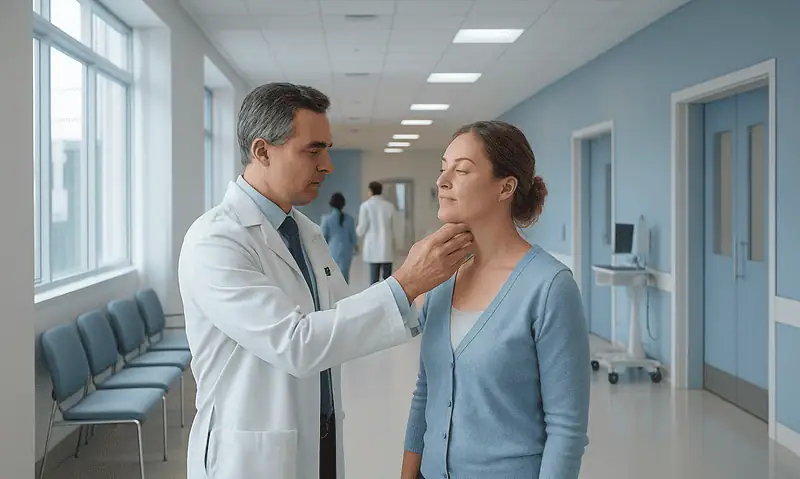
Diagnosis begins with a medical history and physical examination. The doctor may ask about weight change, heart symptoms, heat intolerance, tremor, sleep, menstrual changes, pregnancy plans, medications, iodine exposure, and family history. The neck may be examined for thyroid enlargement or nodules, and the eyes may be checked for swelling, lid changes, eye movement, and signs of irritation.
Blood tests are central to diagnosis. A low thyroid-stimulating hormone level, called TSH, with high free T4 and/or T3 usually indicates hyperthyroidism. Testing for TSH receptor antibodies helps confirm Graves’ disease. Other blood tests may be needed before treatment, such as a complete blood count or liver function tests, depending on the planned therapy.
In some cases, imaging is used to clarify the cause of hyperthyroidism. A radioactive iodine uptake scan can show whether the thyroid is diffusely overactive, which is typical of Graves’ disease, but it is not used during pregnancy or breastfeeding. Thyroid ultrasound may be recommended if nodules are suspected or if a scan is not suitable. People with eye symptoms may need a detailed eye examination and, occasionally, orbital imaging.
Treatment Options
Treatment is chosen based on the person’s age, symptom severity, thyroid size, other medical conditions, pregnancy status, eye disease, and personal preferences. The main goals are to restore safe thyroid hormone levels, control symptoms, protect the heart and bones, and treat eye disease when present. Follow-up is important because thyroid levels can change during treatment.
Antithyroid medicines reduce the thyroid gland’s hormone production. Medicines such as methimazole or carbimazole are commonly used in many settings, while propylthiouracil may be preferred in specific situations such as early pregnancy or thyroid storm. These medicines require medical monitoring, as rare but important side effects can occur. Patients should promptly report fever, sore throat, mouth ulcers, yellowing of the skin or eyes, dark urine, or severe abdominal symptoms.
Beta-blocker medicines may be prescribed for short-term relief of palpitations, tremor, and anxiety-like physical symptoms while thyroid hormone levels are being brought under control. Definitive treatments include radioactive iodine therapy, which gradually reduces thyroid activity, and thyroidectomy, which is surgical removal of all or most of the thyroid gland. After radioactive iodine or surgery, many people need lifelong thyroid hormone replacement because the thyroid becomes underactive or is removed.
Eye disease is managed separately according to severity and activity. Supportive care may include lubricating eye drops, nighttime ointment, sunglasses, head elevation during sleep, and smoking cessation. Moderate to severe eye disease may require treatments such as corticosteroids, targeted biologic therapy, radiotherapy in selected cases, or eye surgery after inflammation has settled. Care is often coordinated between endocrinology and ophthalmology specialists.
Prevention, Self-care, and Living Well
There is no guaranteed way to prevent Graves’ disease, because autoimmune risk is influenced by factors that cannot always be controlled. However, people can take steps that support treatment and reduce complications. Keeping follow-up appointments and taking medicines exactly as prescribed are among the most important parts of care.
Stopping smoking is especially important for anyone with Graves’ disease, and it is strongly recommended for those with eye symptoms. A balanced diet, adequate calcium and vitamin D intake when advised, and weight-bearing activity can help protect bone health, which may be affected by prolonged hyperthyroidism. Caffeine and stimulants may worsen palpitations or tremor in some people, so reducing them can be helpful while symptoms are active.
People should avoid starting iodine supplements, kelp products, or high-dose “thyroid support” supplements without medical advice, as these can worsen thyroid imbalance in susceptible individuals. Women who are pregnant, planning pregnancy, or breastfeeding should discuss treatment choices with an endocrinologist because thyroid control is important for both mother and baby. At Acibadem International, multidisciplinary specialists in JCI-accredited hospitals diagnose and treat Graves’ disease and thyroid eye disease for international patients, with care tailored to each patient’s clinical needs.
When to See a Doctor
A doctor should be consulted if symptoms suggest an overactive thyroid, such as persistent palpitations, unexplained weight loss, tremor, heat intolerance, anxiety with physical symptoms, or a new swelling in the neck. Early evaluation helps confirm the diagnosis and allows treatment before symptoms place extra strain on the heart, muscles, bones, or daily wellbeing.
People already diagnosed with Graves’ disease should seek medical advice if symptoms return, worsen, or change. Follow-up is also needed if there are side effects from medication, difficulty taking treatment, pregnancy plans, or new eye symptoms. Regular blood tests help guide treatment adjustments and reduce the chance of the thyroid becoming either overactive or underactive.
Urgent care is needed for chest pain, fainting, severe shortness of breath, confusion, very high fever, or a very fast irregular heartbeat. Urgent eye assessment is needed for sudden vision loss, reduced color vision, severe eye pain, or new significant double vision. These situations are uncommon, but prompt care is important when they occur.
Frequently asked questions
Is Graves’ disease the same as hyperthyroidism?
Graves’ disease is one cause of hyperthyroidism, which means the thyroid produces too much hormone. It is the most common autoimmune cause, but other conditions, such as thyroid nodules or thyroid inflammation, can also cause hyperthyroidism. Testing helps identify the exact cause and guide treatment.
Can Graves’ disease go away on its own?
In some people, Graves’ disease can enter remission after a period of antithyroid medicine, but it can also return. Others need definitive treatment such as radioactive iodine or thyroid surgery. Decisions are individualized and should be made with an endocrinologist.
Are Graves’ eye symptoms permanent?
Many people have mild eye symptoms that improve with supportive care and good thyroid control. More active or severe thyroid eye disease may need specialist treatment to reduce inflammation or correct lasting changes. Early ophthalmology assessment is important if symptoms are progressing.
Does Graves’ disease affect the heart?
Excess thyroid hormone can make the heart beat faster and may trigger irregular rhythms in some people. It can also worsen existing heart conditions if not treated. Restoring thyroid hormone levels and controlling symptoms help reduce this strain.
Can someone with Graves’ disease become pregnant?
Many people with Graves’ disease can have a healthy pregnancy, but planning is important. Thyroid hormone levels and medications should be reviewed before conception and monitored during pregnancy. Some treatments are not suitable during pregnancy, so specialist guidance is essential.
What should patients avoid with Graves’ disease?
Patients should avoid smoking and should not take iodine, kelp, or thyroid supplements unless recommended by a doctor. They should also avoid stopping prescribed medication without medical advice, even if they feel better. Any new medicine or supplement should be discussed with a healthcare professional.
This article is for general information only and is not a substitute for professional medical advice. Please consult a qualified doctor about your individual situation.
Explore treatments in Turkey — costs, top hospitals & a free quote
JCI-accredited · board-certified surgeons · reply within 24h
Add us as a Preferred Source to see more of our trusted health content across Google Search, AI Overviews and Discover.
Check your numbers in seconds
BMI, calories, due date, blood pressure and 30+ more clinical calculators — free, instant, doctor-reviewed ranges.

Related Conditions
More from the Health Library

When to See an Endocrinologist for Hormone Symptoms
A Patient Guide to Thyroid Nodules

Thyroid Cancer: Symptoms, Diagnosis, and Treatment Planning

What Is Endocrinology? The Endocrine System Explained

Addison’s Disease: Adrenal Insufficiency Symptoms and Care