

Gum Disease: Gingivitis, Periodontitis, and Tooth Loss Prevention

Gingivitis is the earliest stage of gum disease and is often reversible with professional cleaning and improved oral hygiene. Periodontitis is a more advanced form that can damage gum tissue, bone, and the structures that hold teeth in place.
Key Takeaways
- Gingivitis is the earliest stage of gum disease and is often reversible with professional cleaning and improved oral hygiene.
- Periodontitis is a more advanced form that can damage gum tissue, bone, and the structures that hold teeth in place.
- Bleeding gums, persistent bad breath, gum recession, and loose teeth should be assessed by a dentist.
- Regular dental checkups, plaque control, smoking cessation, and good diabetes management can reduce the risk of tooth loss.
- Treatment may include scaling and root planing, medication in selected cases, and periodontal surgery for advanced disease.
Gum disease is a common oral health condition that ranges from mild gum inflammation to advanced infection affecting the tissues that support the teeth. With early diagnosis, professional dental care, and daily oral hygiene, many people can prevent progression and protect their natural teeth.
Overview
Gum disease, also called periodontal disease, is an inflammatory condition affecting the gums and the supporting structures around the teeth. It usually begins when dental plaque, a sticky film of bacteria, builds up along the gumline. If plaque is not removed regularly through brushing, flossing, and professional cleaning, it can harden into tartar and contribute to ongoing gum irritation.
The earliest stage is gingivitis. At this stage, the gums may become red, swollen, tender, or bleed during brushing. Gingivitis does not usually cause permanent damage to the bone supporting the teeth, and it can often be reversed when treated early. Because it may be painless, many people do not realize they have it until a dentist or hygienist identifies the signs.
If gum inflammation is not controlled, it can progress to periodontitis. Periodontitis affects deeper tissues, including the periodontal ligament and jawbone that support the teeth. Over time, pockets can form between the teeth and gums, allowing bacteria to collect below the gumline. Without treatment, this can lead to gum recession, loose teeth, and tooth loss.
Gingivitis and Periodontitis: What Is the Difference?
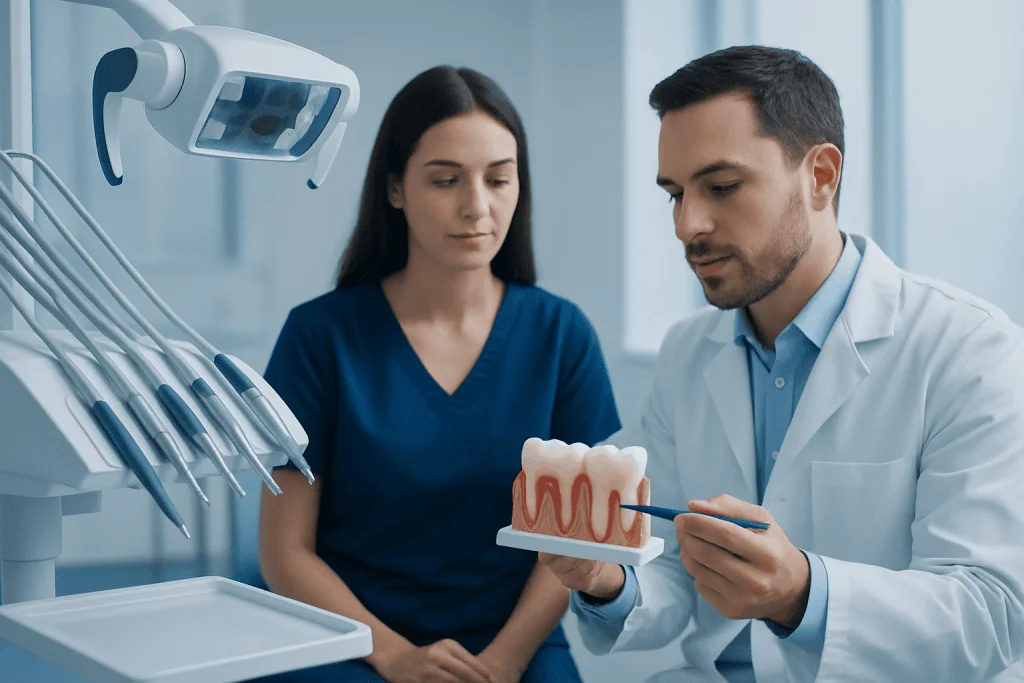
Gingivitis and periodontitis are part of the same disease spectrum, but they differ in severity and long-term impact. Gingivitis is limited to inflammation of the gum tissue. The gums may bleed easily, especially when brushing or flossing, but the underlying bone is not yet damaged. This makes gingivitis an important window for prevention and early treatment.
Periodontitis develops when inflammation extends deeper and begins to affect the tissues that anchor the teeth. The gum may pull away from the tooth surface, creating periodontal pockets. These pockets are measured by a dental professional during an examination. Deeper pockets can make it harder to clean the area at home and may allow bacteria to thrive below the gumline.
Not everyone with gingivitis will develop periodontitis, but untreated gingivitis increases the risk. Some people are more susceptible due to smoking, diabetes, genetic factors, immune conditions, certain medications, or inconsistent oral hygiene. The goal of dental care is to identify gum disease early, reduce inflammation, and stop progression before permanent support is lost.
Symptoms of Gum Disease

Gum disease can be silent in its early stages. Pain is not always present, and the gums may look only slightly irritated. For this reason, routine dental visits are important even when a person feels well. Early changes can be detected during a dental examination before more serious problems develop.
Common symptoms of gum disease may include:
- Gums that bleed when brushing, flossing, or eating firm foods
- Red, swollen, or tender gums
- Persistent bad breath or a bad taste in the mouth
- Gum recession, making teeth look longer
- Sensitivity near the gumline
- Pus between the teeth and gums
- Loose or shifting teeth
- Changes in the way the teeth fit together when biting
- Changes in the fit of partial dentures
Bleeding gums should not be considered normal, even if it happens only occasionally. It may be caused by brushing too hard, but it can also indicate plaque-related inflammation. A dentist can help identify the cause and recommend safe, effective ways to clean without damaging the gums.
Causes and Risk Factors
The main cause of gum disease is plaque accumulation around the teeth and gums. Plaque contains bacteria that release substances irritating to the gum tissue. If plaque remains in place, minerals in saliva can harden it into tartar, also called calculus. Tartar cannot be removed with a toothbrush and requires professional dental cleaning.
Several factors can increase the risk or severity of gum disease. Smoking and tobacco use are among the most important because they can reduce gum healing and mask signs such as bleeding. Diabetes, especially when blood sugar is not well controlled, can increase susceptibility to infection and slow recovery. Hormonal changes during pregnancy, puberty, and menopause may also make gums more sensitive to plaque.
Other risk factors include a family history of periodontitis, dry mouth, crowded teeth that are hard to clean, poorly fitting dental restorations, certain medications that affect gum tissue or saliva flow, and immune system conditions. Stress and poor nutrition can also influence general health and oral health. While not all risk factors can be changed, many can be managed with regular dental care and personalized prevention strategies.
Diagnosis
Diagnosis begins with a dental history and a careful examination of the gums, teeth, bite, and oral tissues. The dentist or periodontist may ask about bleeding, tooth mobility, oral hygiene habits, smoking, medical conditions, and medications. This information helps identify risk factors and guides the treatment plan.
A key part of periodontal evaluation is measuring the space between the tooth and gum using a periodontal probe. Healthy spaces are generally shallow, while deeper pockets may suggest periodontitis. The dental professional may also check for gum recession, plaque and tartar deposits, tooth looseness, and areas of inflammation or infection.
Dental X-rays may be recommended to assess the bone around the teeth. Bone loss is an important sign of periodontitis and helps determine disease severity. In some cases, more detailed imaging or referral to a periodontist may be needed, especially if disease is advanced, progressing quickly, or linked with other medical concerns.
Treatment Options
Treatment depends on the stage and severity of gum disease. For gingivitis, professional cleaning and improved daily plaque control are usually the first steps. A dentist or hygienist removes plaque and tartar from the teeth, including areas that are difficult to reach at home. The patient is then guided on brushing technique, interdental cleaning, and follow-up care.
For periodontitis, a common nonsurgical treatment is scaling and root planing, sometimes called deep cleaning. Scaling removes plaque and tartar from above and below the gumline, while root planing smooths the root surfaces to help the gums reattach more easily and reduce bacterial retention. Local anesthesia may be used for comfort, and treatment may be completed in sections depending on the extent of disease.
In selected cases, dentists may use antimicrobial rinses, locally applied medications, or systemic antibiotics as part of care. These are not a substitute for mechanical cleaning but may support treatment when infection or high-risk factors are present. Medication decisions should always be individualized by a qualified dentist or physician, especially for people with allergies, pregnancy, chronic illness, or other medications.
Advanced periodontitis may require periodontal surgery. Procedures can include flap surgery to clean deeper pockets, bone grafting, soft tissue grafting for recession, or regenerative procedures when appropriate. After active treatment, maintenance visits are essential. Periodontal maintenance is often scheduled more frequently than routine dental cleaning because preventing recurrence is a central part of preserving teeth.
Prevention and Self-Care
Daily plaque control is the foundation of gum disease prevention. Most people benefit from brushing twice daily with fluoride toothpaste and cleaning between the teeth once daily using floss, interdental brushes, or other dentist-recommended tools. The best method depends on the size of the spaces between teeth, dexterity, dental restorations, and gum condition.
Brushing technique matters. A soft-bristled toothbrush is usually recommended, and excessive pressure should be avoided because it can contribute to gum recession and enamel wear. Electric toothbrushes may help some people improve plaque removal, especially if they have difficulty with manual brushing. A dentist or hygienist can demonstrate how to angle the brush along the gumline and clean thoroughly without trauma.
Lifestyle and medical care also play a role in tooth loss prevention. Stopping smoking, managing diabetes, maintaining a balanced diet, and treating dry mouth can support gum health. Regular dental visits allow plaque and tartar to be removed before they cause more damage. People with a history of periodontitis may need individualized maintenance intervals and closer monitoring.
When to See a Dentist
A dental appointment is recommended if gums bleed repeatedly, remain swollen, or feel tender. Persistent bad breath, gum recession, pus near the gums, loose teeth, or a change in bite should also be evaluated. Early assessment helps determine whether symptoms are due to gingivitis, periodontitis, brushing injury, tooth decay, dental abscess, or another oral health concern.
People with diabetes, pregnancy, a history of gum disease, tobacco use, or a strong family history of periodontitis may benefit from more frequent dental monitoring. It is also important to seek dental advice before symptoms become severe, because periodontitis can progress without significant pain. Prompt care can often make treatment simpler and help protect long-term oral function.
Acibadem International’s multidisciplinary dental and medical specialists, within JCI-accredited hospitals, diagnose and treat gum disease for international patients when coordinated care is needed. As with any health concern, patients should consult a qualified dentist or periodontist for a personalized evaluation and treatment plan.
Frequently asked questions
Is gingivitis reversible?
Yes, gingivitis is often reversible because it affects the gum tissue without permanent bone loss. Professional cleaning, improved brushing, and daily interdental cleaning can usually reduce inflammation. A dentist can confirm that symptoms are improving and check for early signs of periodontitis.
Does gum disease always cause pain?
No. Gum disease may develop with little or no pain, especially in the early stages. Bleeding, swelling, bad breath, or gum recession may be the first signs. Regular dental checkups help detect problems before discomfort or tooth looseness occurs.
Can periodontitis cause tooth loss?
Yes, untreated periodontitis can damage the bone and connective tissues that hold teeth in place. Over time, teeth may become loose or shift position. Treatment and ongoing maintenance can help slow or stop progression and reduce the risk of tooth loss.
How often should someone with gum disease see a dentist?
The ideal interval depends on disease severity, risk factors, and response to treatment. Some people need standard routine visits, while those with periodontitis may need periodontal maintenance more often. A dentist or periodontist will recommend a schedule based on pocket measurements, plaque control, and overall health.
Are bleeding gums normal when flossing?
Occasional bleeding may occur when someone starts cleaning between the teeth after a long break, but persistent bleeding is not considered normal. It often indicates gum inflammation or plaque buildup. If bleeding continues despite gentle daily cleaning, a dental examination is recommended.
Can mouthwash cure gum disease?
Mouthwash may help reduce bacteria or freshen breath, but it cannot remove tartar or replace brushing, interdental cleaning, and professional care. Some medicated rinses may be prescribed for specific situations. The most effective approach is a complete plan that includes mechanical plaque removal and dental monitoring.
References
- World Health Organization
- American Academy of Periodontology
- Centers for Disease Control and Prevention
- European Federation of Periodontology
- National Institute of Dental and Craniofacial Research
This article is for general information only and is not a substitute for professional medical advice. Please consult a qualified doctor about your individual situation.
Explore treatments in Turkey — costs, top hospitals & a free quote
JCI-accredited · board-certified surgeons · reply within 24h
Add us as a Preferred Source to see more of our trusted health content across Google Search, AI Overviews and Discover.

Dental & Oral Health
Full-scope dental care from implants and aesthetics to oral and maxillofacial surgery.
158 specialists in this unitRelated Treatments
More from the Health Library



Related Specialists

Assoc. Prof. Dr. Ferit Bayram
Oral & Dental Health
Dt. Alara Naz Kenir
Oral & Dental Health
Dt. Gonca Katmer
Oral & Dental HealthDt. Doğa Baysal
Oral & Dental Health