Gum Recession: When a Gum Graft May Be Recommended

Gum recession can develop gradually and may not be painful at first. Common causes include gum disease, aggressive brushing, teeth grinding, and thin gum tissue.
Key Takeaways
- Gum recession can develop gradually and may not be painful at first.
- Common causes include gum disease, aggressive brushing, teeth grinding, and thin gum tissue.
- A gum graft can help cover exposed roots, reduce sensitivity, and protect the tooth.
- Early dental evaluation may prevent recession from getting worse.
- Daily oral hygiene and regular professional care are important for long-term gum health.
Gum recession happens when gum tissue pulls back from the teeth, leaving more of the tooth or root exposed. Mild cases may be managed with dental care and habit changes, while a gum graft may be recommended when recession causes sensitivity, root exposure, ongoing progression, or cosmetic concerns.
Overview of Gum Recession
Gum recession refers to the gradual movement of the gum margin away from the crown of the tooth. As the gum tissue recedes, more of the tooth becomes visible, and in some cases the root surface is exposed. Because roots do not have the same protective enamel covering as the visible part of the tooth, they are more vulnerable to sensitivity, wear, and decay.
This condition is common and can affect one tooth or several teeth. It may happen slowly over time, which is why many people do not notice it in the early stages. A dentist often identifies recession during a routine examination by measuring the space between the gum line and different points on the tooth.
Gum recession is not always a sign that surgery is needed. Some cases remain stable with improved home care and professional treatment. However, when exposed roots cause symptoms or the recession continues to progress, a gum graft may be recommended as part of general dentistry care to help protect the tooth and improve gum coverage.
Symptoms and Possible Complications
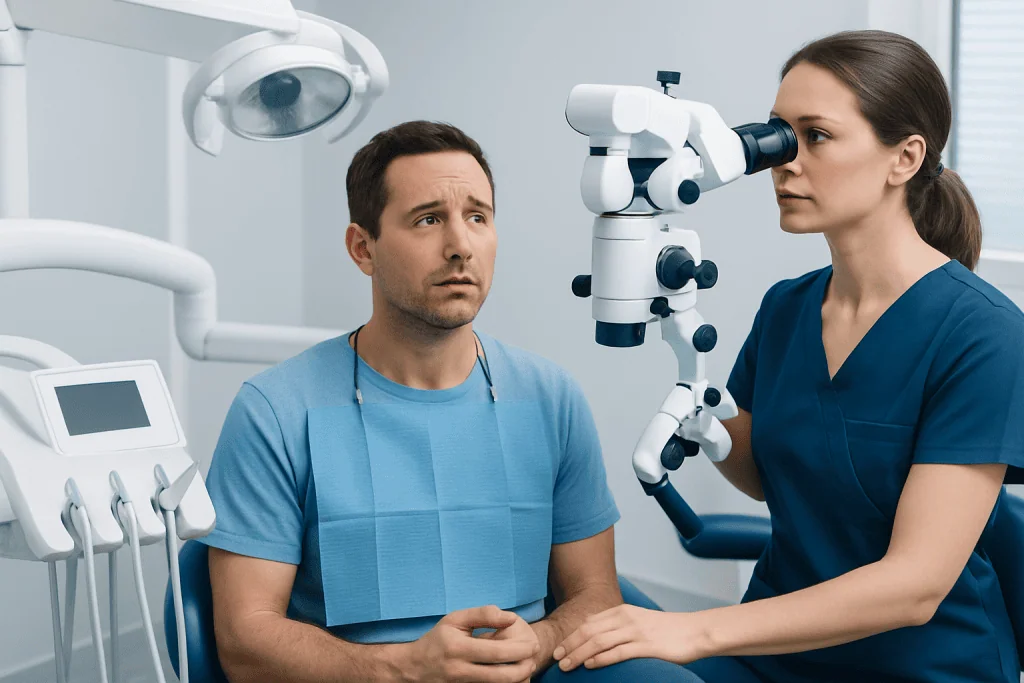
Receding gums may be subtle at first. A person may notice that teeth look longer than before or that a notch is visible near the gum line. In other cases, the first symptom is sharp discomfort when eating cold, sweet, or acidic foods because the root surface is exposed.
Other signs can include tenderness at the gum margin, a rough feeling along the root, food getting trapped more easily, or changes in the appearance of the smile. Some people also notice that the spaces between teeth seem darker or larger as the gum tissue shifts.
If gum recession is not addressed, it can increase the risk of root decay, persistent sensitivity, and wear of the exposed root surface. Recession may also make plaque control more difficult, which can contribute to inflammation. In more advanced cases, it may occur together with periodontal problems, tooth mobility, or other gum concerns such as bleeding gums.
- Teeth appearing longer
- Cold or sweet sensitivity
- Visible root exposure
- Notches near the gum line
- Gums that seem uneven or pulled back
Causes and Risk Factors
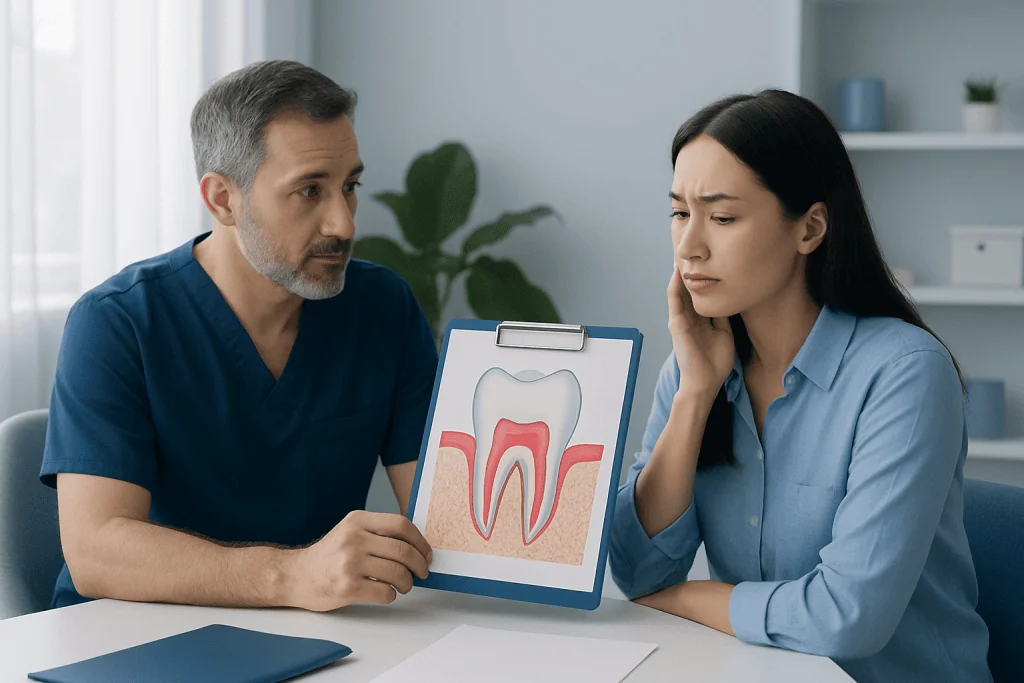
There is no single cause of gum recession. One of the most important contributors is periodontal disease, in which bacterial plaque leads to inflammation and destruction of supporting tissues around the teeth. When gum disease is present, treating the underlying problem is essential before considering a graft.
Mechanical irritation can also play a role. Brushing too hard, using a hard-bristled toothbrush, or improper brushing technique may gradually wear away gum tissue, especially in people with naturally thin gums. Teeth that are crowded, positioned outside the dental arch, or affected by bite-related stress may be more prone to recession as well.
Additional risk factors include tobacco use, clenching or teeth grinding, poor oral hygiene, previous orthodontic changes, lip or tongue piercings that rub against the gums, and a family tendency toward thin periodontal tissue. Aging alone does not directly cause recession, but gum tissue may become more vulnerable over time, making regular dental hygiene especially important.
How Dentists Diagnose Gum Recession
Diagnosis usually begins with a clinical examination. The dentist or periodontist looks at the gum line, checks for inflammation, evaluates whether roots are exposed, and measures the depth of the gum pockets around each tooth. These findings help determine whether the recession is stable, related to gum disease, or likely to worsen without treatment.
The dental team also reviews possible contributing factors such as brushing habits, bite forces, grinding, tobacco use, and past dental treatment. X-rays may be used to assess the bone supporting the teeth, especially if there is concern about periodontal disease or tooth mobility.
Not every exposed root requires a graft. The decision depends on several factors, including the amount of recession, the thickness of the remaining gum tissue, the presence of sensitivity or decay, esthetic concerns, and how well the patient can keep the area clean. In some cases, the dentist may first monitor the area over time or treat related conditions such as gum recession with non-surgical measures before recommending surgery.
When a Gum Graft May Be Recommended
A gum graft is often considered when recession exposes a significant part of the root, causes ongoing sensitivity, or continues to progress despite good oral care. It may also be recommended when the gum tissue is very thin and needs reinforcement to better protect the tooth. For some people, improving the symmetry of the gum line and the appearance of the smile is another valid reason to consider treatment.
The procedure generally involves taking tissue from another area, often the roof of the mouth, or using donor or alternative grafting material, then placing it over or around the recessed area. Common techniques include connective tissue grafts, free gingival grafts, and pedicle grafts. The most suitable approach depends on the tooth involved, the amount of available tissue, and the treatment goal.
A gum graft does not treat every cause of recession by itself. If plaque buildup, active gum disease, traumatic brushing, or bite-related stress continues, the recession can recur or other areas may become affected. For this reason, dentists usually combine the procedure with a broader plan that may include periodontal care, home-care instruction, and follow-up within general dentistry.
In selected cases, root surfaces may also need smoothing, desensitizing treatment, or restoration if there is decay or a defect at the gum line. The goal is both functional and protective: to make the area more comfortable, support easier cleaning, and reduce future damage to the tooth.
Treatment Options and Recovery
Treatment for gum recession depends on the cause and severity. Mild, stable recession may be managed by correcting brushing technique, treating sensitivity, monitoring the area, and keeping plaque under control. If there is gum disease, professional periodontal therapy is usually the first step. In cases with root decay or structural wear, the dentist may also discuss restorative care.
When a gum graft is performed, the area is numbed and the graft is carefully secured to encourage healing and blood supply. After the procedure, temporary soreness, swelling, or mild discomfort is common for a short time. Patients are usually advised to avoid brushing directly over the grafted area for a period, follow a soft-food plan, and use any prescribed mouth rinse or other aftercare exactly as directed by the dental team.
Healing time varies depending on the technique and the size of the graft. Follow-up visits are important so the dentist can check how the tissue is integrating and whether the root is adequately covered. Good long-term results depend not only on the surgery itself but also on controlling the factors that caused the recession in the first place.
If a tooth has significant supporting bone loss or complex structural issues, additional dental procedures may sometimes be considered as part of comprehensive care. A specialist can explain whether the recession is primarily a soft tissue problem or part of a broader periodontal or restorative issue.
Prevention and Self-care
Preventing gum recession starts with gentle but consistent oral hygiene. Brushing twice daily with a soft-bristled toothbrush and using small, controlled motions can help clean the teeth without traumatizing the gums. Daily flossing or other dentist-recommended interdental cleaning supports gum health by reducing plaque between the teeth.
Regular dental checkups matter because early recession can be easy to miss at home. Professional cleanings and routine measurements of the gums help detect small changes before they become more serious. If sensitivity develops or the gum line appears to be changing, it is helpful to mention it promptly rather than waiting for a scheduled visit.
People who grind or clench their teeth may benefit from evaluation of bite-related stress. Avoiding tobacco products, managing inflammation, and following personalized hygiene advice are all important. For older adults or those with multiple dental restorations, tailored preventive care may be especially useful, including support through services such as geriatric dentistry when age-related oral health needs are present.
- Use a soft toothbrush and gentle technique
- Keep up with regular dental exams and cleanings
- Treat gum disease early
- Address grinding or clenching if present
- Avoid tobacco and maintain daily plaque control
When to See a Dentist
A dental appointment is a good idea if the gums seem to be pulling away from a tooth, teeth suddenly look longer, or sensitivity to cold and sweets is becoming more noticeable. These symptoms do not always mean a graft is needed, but they do deserve professional evaluation so the cause can be identified early.
Urgent assessment may be needed if recession is accompanied by gum bleeding, swelling, pus, tooth looseness, or pain when biting, because these features can suggest infection or active periodontal disease. Prompt treatment can help preserve the supporting tissues around the teeth and improve comfort.
For international patients seeking evaluation and treatment, Acibadem International’s multidisciplinary dental specialists in JCI-accredited hospitals diagnose and treat gum recession with individualized care plans. A qualified dentist or periodontist can explain whether monitoring, non-surgical treatment, or a gum graft is the most appropriate next step.
Frequently asked questions
Can gum recession grow back on its own?
Lost gum tissue does not usually grow back on its own. However, early recession can sometimes be stabilized with better oral hygiene, gentler brushing, and treatment of the underlying cause. A dentist can advise whether monitoring is enough or whether a graft should be considered.
Is gum recession always caused by gum disease?
No. Gum disease is a common cause, but recession can also happen because of aggressive brushing, thin gum tissue, bite stress, teeth grinding, or tooth position. Often, more than one factor is involved.
How do I know if I need a gum graft?
A gum graft may be recommended if roots are exposed, sensitivity is significant, recession is getting worse, or the tissue is too thin to protect the tooth well. Appearance can also be part of the decision, especially when front teeth are affected. The best way to know is through an examination by a dentist or periodontist.
Is a gum graft painful?
The procedure is typically performed with local anesthesia, so the area should be numb during treatment. Some soreness or swelling can occur afterward, especially if tissue is taken from the roof of the mouth, but this is usually temporary. The dental team provides aftercare advice to support a more comfortable recovery.
How long does it take to recover from a gum graft?
Initial healing often takes a few weeks, although full tissue maturation may take longer. Recovery time depends on the type of graft, the size of the treated area, and the person's general oral health. Follow-up visits are important to check that healing is progressing well.
Can brushing too hard really cause receding gums?
Yes, brushing with too much force or using a hard-bristled brush can contribute to gum recession over time, especially in people with delicate gum tissue. Switching to a soft brush and using a gentler technique may help prevent further damage. A dentist or hygienist can demonstrate the safest approach.
References
- American Dental Association
- American Academy of Periodontology
- National Institute of Dental and Craniofacial Research
- NHS
- Mayo Clinic
This article is for general information only and is not a substitute for professional medical advice. Please consult a qualified doctor about your individual situation.
Gum Recession in Turkey — costs, top hospitals & a free quote
JCI-accredited · board-certified surgeons · reply within 24h
Add us as a Preferred Source to see more of our trusted health content across Google Search, AI Overviews and Discover.

Dental & Oral Health
Full-scope dental care from implants and aesthetics to oral and maxillofacial surgery.
151 specialists in this unitRelated Treatments
More from the Health Library



Related Specialists

Assoc. Prof. Dr. Ferit Bayram
Oral & Dental Health
Assoc. Prof. Dr. Yeliz Çavuşoğlu Yüce
Oral & Dental Health
Assoc. Prof. Dr. Mutlu Keskin
Oral & Dental Health
Prof. Dr. Ülkü Noyan
Oral & Dental Health