Haemoglobin short form: Symptoms, Causes, and Treatment — Complete Patient Guide

Haemoglobin short form is Hb, and it appears on complete blood count results. Hb helps doctors assess how effectively blood carries oxygen throughout the body.
Key Takeaways
- Haemoglobin short form is Hb, and it appears on complete blood count results.
- Hb helps doctors assess how effectively blood carries oxygen throughout the body.
- Low Hb may cause fatigue, weakness, shortness of breath, dizziness, or pale skin.
- Abnormal Hb levels are not a diagnosis by themselves; they need interpretation with symptoms and other test results.
- Treatment depends on the cause and may include dietary changes, supplements, or treatment of an underlying condition.
Haemoglobin short form is Hb, the routine medical abbreviation for hemoglobin seen on blood test results. Hb is an important measure because it reflects how well red blood cells carry oxygen, and abnormal levels can point to anemia, blood loss, dehydration, or other health conditions.
What does haemoglobin short form mean?
Haemoglobin short form is Hb. In medical notes and blood test reports, Hb is the standard abbreviation for hemoglobin, the iron-containing protein inside red blood cells that carries oxygen from the lungs to tissues and returns carbon dioxide to the lungs.
This abbreviation is commonly seen as part of a complete blood count, also called a CBC. When a doctor reviews Hb, they are not only looking at a number. They are using it together with other values such as red blood cell count, hematocrit, and mean corpuscular volume to understand whether a person may have anemia, dehydration, blood loss, or another medical issue.
Because the spelling varies by region, people may see either haemoglobin or hemoglobin. Both refer to the same substance, and the short form remains Hb in both cases. Knowing this simple abbreviation can make lab results easier to understand, but Hb should always be interpreted in the context of symptoms, medical history, and professional advice.
Why hemoglobin matters in the body
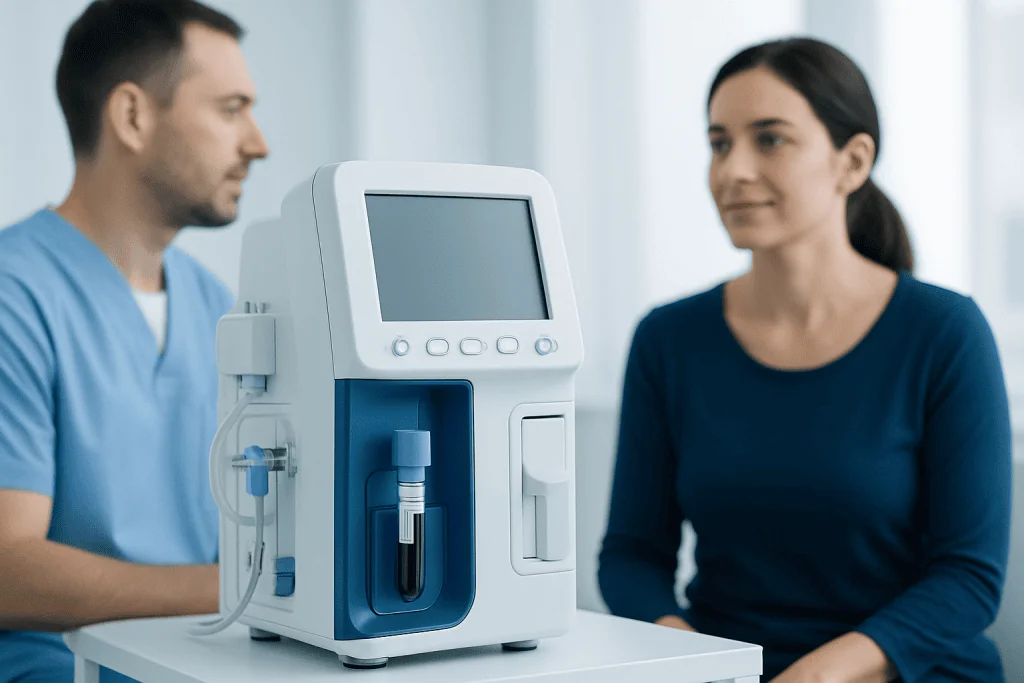
Hemoglobin is essential because it gives red blood cells their oxygen-carrying function. Oxygen is needed by every organ, including the brain, heart, muscles, and kidneys. If hemoglobin is too low, tissues may not receive enough oxygen, which can lead to tiredness, reduced exercise tolerance, and a general feeling of weakness.
Hb levels can also give clues about overall health. Low Hb often suggests some form of anemia, but the cause can vary widely. Common reasons include iron deficiency, vitamin deficiency, chronic disease, kidney problems, inherited blood disorders, or recent bleeding. High Hb can sometimes happen with dehydration, smoking, living at high altitude, or certain bone marrow conditions.
For this reason, Hb is a useful starting point rather than a final answer. A single result does not always mean a serious problem, but it does signal whether further evaluation may be needed. When low Hb is linked to iron deficiency, doctors may also assess for related problems such as anemia.
Symptoms linked to abnormal Hb levels

Low hemoglobin may develop slowly or appear more suddenly, depending on the cause. Gradual changes can be easy to overlook at first. Many people notice nonspecific symptoms such as fatigue, low energy, headaches, difficulty concentrating, or reduced stamina during daily activities.
As Hb drops further, symptoms may become more noticeable. These can include shortness of breath during exertion, dizziness, lightheadedness, pale skin, cold hands and feet, and a faster heartbeat. Some people also report feeling unusually weak or having trouble recovering after exercise.
When hemoglobin is very low or blood loss is sudden, symptoms can be more urgent. These may include chest discomfort, fainting, marked breathlessness, or a racing heart. High Hb does not always cause symptoms, but in some people it may be associated with headaches, facial flushing, or a sense of sluggish circulation.
Symptoms alone cannot confirm why Hb is abnormal. Similar complaints can happen with thyroid disease, heart or lung conditions, poor sleep, infection, or nutritional problems. That is why medical assessment is important when symptoms persist.
Common causes and risk factors
The most common reason for low Hb is anemia, but anemia itself has different causes. Iron deficiency is one of the best known, especially in people with heavy menstrual bleeding, pregnancy, low dietary iron intake, or hidden blood loss from the digestive tract. Low vitamin B12 or folate can also reduce hemoglobin by affecting red blood cell production.
Chronic medical conditions may also lower Hb. Kidney disease can reduce production of erythropoietin, a hormone that helps the body make red blood cells. Long-term inflammation, autoimmune disease, infections, and some cancers can interfere with how the body uses iron or produces blood cells. Bone marrow disorders are less common but may also be considered when blood counts are abnormal.
Inherited conditions can affect hemoglobin structure or red blood cell survival. Examples include thalassemia and sickle cell disease. Some medications, chemotherapy, or heavy blood loss after injury or surgery may also lower Hb. In certain cases, doctors may explore blood-related conditions more closely with a hematology evaluation and tests linked to bone marrow transplant care when severe disorders are suspected.
High Hb has a different set of causes. It may appear when the body compensates for lower oxygen levels, such as in chronic lung disease, smoking, or high-altitude living. It can also rise with dehydration because the blood becomes more concentrated. Less commonly, persistently high Hb may suggest a condition affecting blood cell production.
How doctors diagnose the cause
The first step is usually a medical history and physical examination, followed by blood testing. A complete blood count measures Hb directly and provides related values that help narrow the cause. For example, the size of red blood cells may suggest iron deficiency, vitamin deficiency, or another pattern that guides further testing.
Additional tests often include iron studies, ferritin, vitamin B12, folate, kidney function, and markers of inflammation. If bleeding is suspected, the doctor may ask about menstrual cycles, bowel habits, black stools, surgery, medications, or family history of blood disorders. In some people, stool testing or endoscopic evaluation may be needed to look for a source of blood loss.
If there are signs of inherited or complex blood disorders, a specialist may request hemoglobin electrophoresis, reticulocyte count, or bone marrow studies. Imaging is not always necessary, but it may be used when an underlying disease is suspected. When digestive blood loss is a concern, doctors may recommend investigations or treatment through services such as gastroenterology evaluation.
Test results should always be interpreted using the laboratory’s reference range, age, sex, pregnancy status, and overall clinical picture. A mildly abnormal result may simply need repeat testing, while more significant changes may need faster follow-up.
Treatment options for low or high Hb
Treatment depends on why Hb is abnormal. If Hb is low because of iron deficiency, the doctor may recommend iron-rich foods, iron supplements, and investigation of any ongoing blood loss. If low Hb is related to vitamin B12 or folate deficiency, replacing the missing nutrient may help restore normal red blood cell production.
When chronic disease is the main cause, treatment focuses on the underlying condition. For example, managing kidney disease, inflammatory illness, or infection may improve Hb over time. In more severe situations, a person may need intravenous iron, medicines that support red blood cell production, or a blood transfusion. Transfusion decisions are individualized and based on symptoms, Hb level, and the overall medical situation.
High Hb is treated by addressing the reason behind it. This may involve improving hydration, stopping smoking, managing lung disease, or investigating a blood-production disorder. If an underlying disease is found, treatment is directed at that condition rather than the Hb number alone.
Care is often most effective when it is tailored to the person rather than based on a single lab value. In selected cases, patients may benefit from specialist assessment in hematology or related internal medicine services to clarify the diagnosis and guide treatment.
Self-care, nutrition, and prevention
Self-care can support healthy Hb levels, although it cannot replace medical treatment when a significant problem is present. A balanced diet that includes iron, vitamin B12, folate, and protein helps the body make red blood cells. Iron-rich foods include lean meats, beans, lentils, spinach, and fortified cereals. Vitamin C can help the body absorb iron from food.
People who are at higher risk of low Hb, such as those who are pregnant, have heavy periods, follow restrictive diets, or live with chronic disease, may benefit from regular checkups. Supplements should not be started blindly, because taking iron when it is not needed can be harmful and may delay the correct diagnosis.
It also helps to pay attention to warning signs such as unusual tiredness, breathlessness, or recurring dizziness. Staying hydrated, avoiding smoking, and seeking prompt care for prolonged bleeding or digestive symptoms can reduce the chance of missing an important cause. Preventive care works best when symptoms and lab findings are reviewed early rather than ignored.
Near the end of the care pathway, some patients seek coordinated evaluation abroad. Acibadem International’s multidisciplinary specialists and JCI-accredited hospitals diagnose and treat blood-related and general medical conditions for international patients when further assessment is needed.
When to seek medical care
A person should arrange medical review if they have ongoing fatigue, shortness of breath, paleness, dizziness, or reduced exercise tolerance, especially if symptoms are new or worsening. Medical advice is also important if a blood test shows abnormal Hb, even when symptoms are mild, because the cause may need investigation.
Urgent care is needed for symptoms such as chest pain, fainting, severe breathlessness, rapid heartbeat at rest, or signs of significant bleeding. Black stools, vomiting blood, very heavy menstrual bleeding, or sudden weakness should not be ignored.
People with known chronic illness, pregnancy, a personal or family history of blood disorders, or recent surgery should be especially attentive to changes in energy levels and blood test results. Early evaluation often allows simpler treatment and helps prevent complications.
Frequently asked questions
What is the haemoglobin short form on a blood test?
The haemoglobin short form is Hb. It is the standard abbreviation used on blood tests, especially on a complete blood count, to show the amount of hemoglobin in the blood.
Is Hb the same as hemoglobin?
Yes. Hb is simply the abbreviated form of hemoglobin or haemoglobin. Both spellings describe the same oxygen-carrying protein in red blood cells.
What happens if Hb is low?
Low Hb means there may not be enough hemoglobin to carry oxygen efficiently around the body. This can lead to fatigue, weakness, dizziness, pale skin, and shortness of breath, but the exact symptoms and severity vary by cause.
Does a low Hb result always mean anemia?
Low Hb often suggests anemia, but it is not the full diagnosis by itself. Doctors usually need to review other blood count values, symptoms, medical history, and sometimes additional tests to determine the exact cause.
Can dehydration affect Hb results?
Yes. Dehydration can make Hb appear higher because there is less fluid in the bloodstream, which concentrates the blood. This is why doctors interpret Hb together with other findings and the person's overall condition.
How can a person improve hemoglobin levels?
Improvement depends on the cause. Some people need dietary changes or supplements such as iron, vitamin B12, or folate, while others need treatment for bleeding, chronic disease, or another underlying problem.
When should someone worry about abnormal Hb?
A person should seek medical advice if Hb is abnormal and symptoms such as fatigue, breathlessness, or dizziness are present. Urgent care is important if there is chest pain, fainting, severe weakness, or signs of significant bleeding.
This article is for general information only and is not a substitute for professional medical advice. Please consult a qualified doctor about your individual situation.
Explore treatments in Turkey — costs, top hospitals & a free quote
JCI-accredited · board-certified surgeons · reply within 24h
Add us as a Preferred Source to see more of our trusted health content across Google Search, AI Overviews and Discover.

More from the Health Library

Bronchoalveolar Lavage: An Evidence-Based Guide for Patients

Ice Packs for Injuries: An Evidence-Based Guide for Patients

Prostate Massager: An Evidence-Based Guide for Patients

Energy Vampire: A Complete Medical Overview

Artificial Heart: What Patients Need to Know