Hair Botox — Explained by Medical Evidence, Not Myths
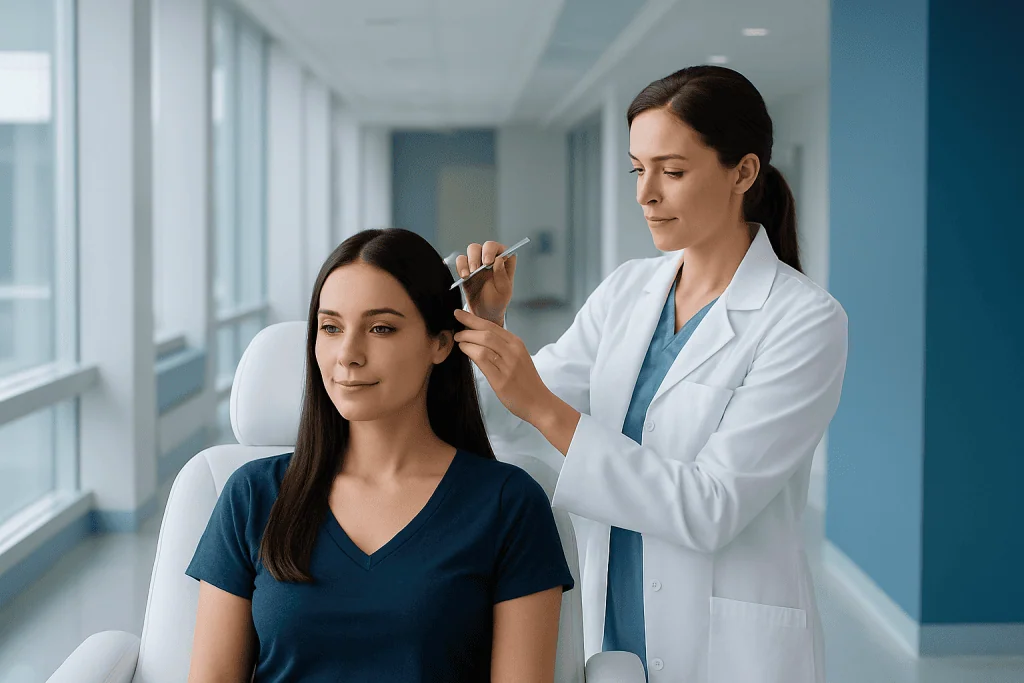
Hair botox is a salon-style cosmetic hair treatment, not a botulinum toxin procedure. It can make hair look smoother, shinier, and less frizzy by coating and conditioning the hair fiber.
Key Takeaways
- Hair botox is a salon-style cosmetic hair treatment, not a botulinum toxin procedure.
- It can make hair look smoother, shinier, and less frizzy by coating and conditioning the hair fiber.
- Results vary by product, hair type, and aftercare, and the treatment is temporary.
- Some formulas may contain ingredients that irritate the scalp or trigger allergies in sensitive people.
- Hair botox does not treat medical causes of thinning, shedding, or scalp inflammation.
Hair botox is not a medical botulinum toxin injection. It is a cosmetic conditioning treatment that coats the hair shaft to reduce frizz, improve softness, and create a smoother appearance, but it does not treat scalp disease or reverse hair loss.
Overview: what hair botox really means
Hair botox is a marketing term for a cosmetic hair treatment designed to make hair look smoother, fuller, and more manageable. Despite the name, it does not contain botulinum toxin and it is not injected. Instead, the product is applied to the hair itself, usually as a deep-conditioning or smoothing formula that coats damaged strands and helps reduce frizz.
The idea behind hair botox is simple: rough, porous, or chemically treated hair often loses smoothness and shine because the outer layer of the hair fiber becomes uneven. Conditioning ingredients such as proteins, amino acids, lipids, and moisturizers can temporarily fill in these irregular areas, creating a sleeker appearance. This can make hair feel softer and look healthier for a period of time.
From a medical perspective, hair botox is best understood as a cosmetic surface treatment rather than a therapy for the hair follicle or scalp. It does not change how hair grows from the root, and it does not cure breakage caused by an underlying medical problem. That distinction matters, especially for people who are actually dealing with hair shedding, scalp symptoms, or progressive thinning.
How hair botox works and what it can do
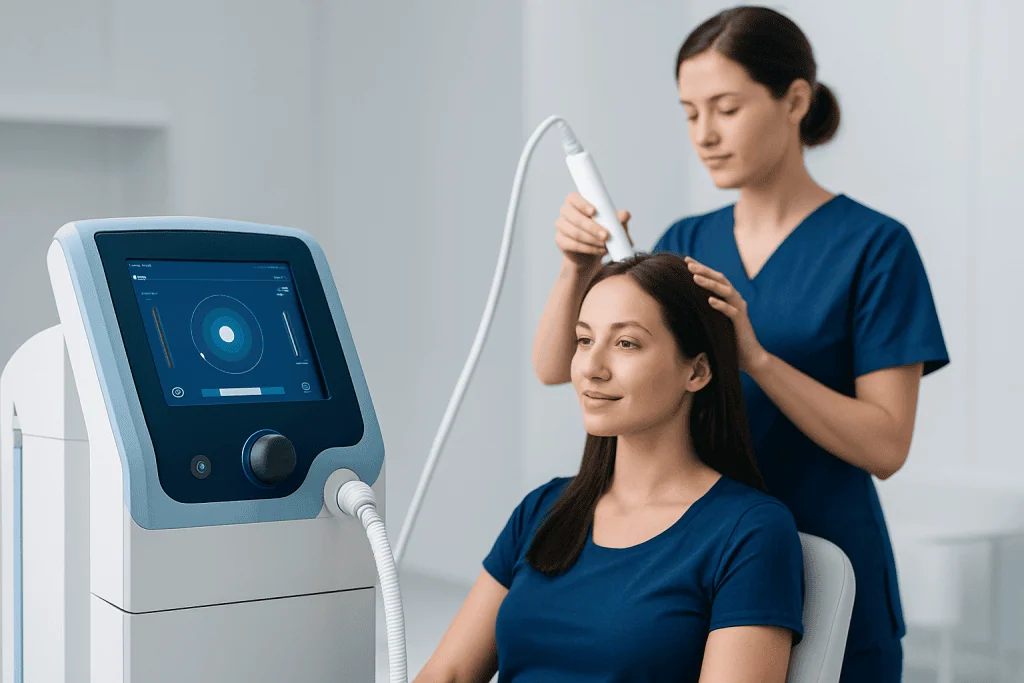
Hair shafts are made mainly of keratin, arranged in layers. Heat styling, bleaching, dyeing, sun exposure, and friction can wear down the protective cuticle layer. When the cuticle is lifted or damaged, hair may become dull, tangled, dry, and more prone to frizz. Hair botox products aim to smooth that outer layer and temporarily improve the feel and appearance of the strands.
Most formulas contain a blend of conditioning agents. Depending on the brand, these may include hydrolyzed proteins, collagen-like ingredients, amino acids, vitamins, oils, hyaluronic acid, or silicone-based compounds. These ingredients do not rebuild living tissue, but they can form a film over the hair shaft, help retain moisture, and reduce friction between strands.
Potential visible effects may include:
- Less frizz and puffiness
- Smoother texture and easier detangling
- Temporary shine and softness
- A fuller or more polished look in damaged hair
- Improved manageability during styling
Results are temporary because hair is not living tissue once it emerges from the scalp. Washing, heat, UV exposure, and routine wear gradually remove the coating. For that reason, hair botox should be seen as a maintenance option for appearance rather than a permanent fix.
What hair botox does not do: separating myths from medical facts

A common misconception is that hair botox can regrow hair, stop genetic hair loss, or treat scalp disorders. Medical evidence does not support these claims. Cosmetic smoothing treatments may improve how hair looks, but they do not correct conditions affecting the follicle, immune system, hormones, or scalp skin.
Hair botox also should not be confused with medically supervised procedures sometimes used in aesthetic or dermatologic practice. It is different from injectable botulinum toxin, and it is different from evidence-based options used for selected hair loss conditions, such as hair transplant treatment in appropriate candidates. Someone with noticeable thinning, widening of the hair part, bald patches, or excess shedding may need a diagnostic evaluation rather than a cosmetic service.
Another myth is that all hair botox products are naturally gentle or chemical-free. In reality, formulas vary widely. Some may be relatively mild, while others may include preservatives, fragrances, or smoothing agents that can irritate sensitive skin or damage hair if used improperly with heat. Reading labels and asking about ingredients is important, especially for people with eczema, allergies, or a sensitive scalp.
Benefits, limitations, and possible side effects
For the right person, hair botox may offer worthwhile cosmetic benefits. It can be helpful for dry, frizzy, color-treated, or heat-damaged hair that needs temporary smoothing. People often choose it when they want more softness and easier styling without committing to a more aggressive straightening process.
However, expectations should remain realistic. The treatment cannot permanently repair split ends, reverse severe structural damage, or make all hair types look the same. Curly or wavy hair may appear softer or less frizzy, but the degree of straightening varies. Overuse of heat during application can also worsen dryness and breakage, especially in fragile or bleached hair.
Possible downsides or side effects may include:
- Scalp irritation, itching, or redness from product ingredients
- Allergic contact dermatitis in sensitive individuals
- Eye or airway irritation from fumes in some formulations
- Hair dryness or breakage if high heat is used repeatedly
- Build-up that leaves hair feeling heavy or limp
Anyone with a history of skin sensitivity should consider a patch test before treatment. If there is ongoing shedding, burning, flaking, or scalp pain, cosmetic services should be postponed until a dermatologist or qualified doctor evaluates the cause.
Who may benefit and who should be cautious
Hair botox may suit adults whose main concern is the cosmetic appearance of damaged or frizzy hair. It is usually considered by people with dry hair from coloring, bleaching, frequent blow-drying, or environmental exposure. In these situations, a smoothing treatment may improve manageability for a limited time.
Caution is important for people with active scalp disease, recent allergic reactions, very brittle hair, or unexplained hair loss. Conditions such as scalp psoriasis, eczema, fungal infection, or inflammatory hair disorders may be aggravated by salon chemicals or heat. People with patterned thinning or shedding may be dealing with alopecia or another medical cause that needs proper diagnosis.
Pregnant or breastfeeding individuals often ask whether hair botox is safe. Because product ingredients vary and inhalation exposure can differ from one formula to another, it is sensible to review the ingredient list with a doctor and avoid harsh fumes. In general, any treatment causing burning, strong odor, or scalp discomfort should be stopped promptly.
Children and adolescents should not routinely receive these treatments without careful consideration. If a young person has hair breakage, patchy loss, or scalp scaling, medical assessment is usually more appropriate than a cosmetic procedure.
How doctors evaluate hair concerns that may be mistaken for a cosmetic issue
Not every hair problem is cosmetic. If hair becomes thinner, sheds more than usual, or breaks easily despite gentle care, a doctor may assess both the hair shaft and the scalp. The medical history often includes recent illness, weight change, medications, stress, family history, menstrual history, and chemical or heat exposure.
The examination may look for signs of inflammation, scaling, broken hairs, miniaturization, bald patches, or traction injury. In some cases, blood tests are used to check for contributing factors such as iron deficiency, thyroid disorders, or nutritional imbalance. When scalp disease is suspected, referral to dermatology may be recommended.
This distinction helps guide treatment. Cosmetic roughness may respond to conditioning and gentler styling habits, while true hair loss may need targeted care. Depending on the diagnosis, doctors may discuss options such as medical therapy, scalp treatment, or procedural approaches including PRP treatment in selected cases. If a person has persistent thinning, they may also need evaluation for conditions such as hair loss rather than repeated smoothing sessions.
Safer use, aftercare, and self-care for healthier-looking hair
When someone chooses hair botox, safe application and realistic expectations matter more than trends. The salon or clinician should be able to explain the product ingredients, how much heat is used, and what aftercare is needed. Treatments should never cause significant burning, coughing, or eye irritation.
Helpful self-care habits can make results last longer and reduce damage:
- Use a mild shampoo and avoid overwashing
- Limit high-heat tools and always use heat protection
- Reduce frequent bleaching or harsh chemical processing
- Condition regularly, especially on the ends
- Avoid tight hairstyles that pull on the roots
- Protect hair from sun, chlorine, and salt water when possible
For people whose hair is already very fragile, a simpler routine may be better than repeated intensive treatments. Gentle trimming, lower heat, and fewer chemical services often improve appearance over time. If the main issue is thinning rather than frizz, a cosmetic treatment may hide the problem briefly but will not address the cause.
Near the end of the care journey, some patients benefit from specialist input. Acibadem International’s multidisciplinary specialists and JCI-accredited hospitals evaluate hair and scalp concerns for international patients, including medical and procedural options such as dermatology care when appropriate.
When to seek medical care
Medical advice is important if hair changes are sudden, progressive, or accompanied by scalp symptoms. Examples include patchy bald areas, a rapidly widening part, significant shedding over several weeks, scalp pain, burning, pus, crusting, or severe itching. These features can point to inflammation, infection, hormonal causes, or autoimmune conditions that should not be managed as a simple cosmetic issue.
A doctor should also be consulted if hair breaks very easily, the scalp reacts after a salon treatment, or symptoms keep returning despite changing products. People with known eczema, allergies, asthma, or a history of chemical sensitivity may need extra caution with smoothing treatments. Seeking care early can help protect both scalp health and hair retention.
Urgent assessment is especially important if there is facial swelling, trouble breathing, extensive rash, or intense pain after using a hair product. Those symptoms may signal a serious allergic or irritant reaction and need prompt medical attention.
Frequently asked questions
Is hair botox the same as botox injections?
No. Hair botox is a cosmetic conditioning treatment applied to the hair shaft, while botox injections use botulinum toxin in medical or aesthetic procedures. The two are unrelated despite the similar name.
Can hair botox regrow hair or stop hair loss?
No, hair botox does not regrow hair or treat the medical causes of hair loss. It may temporarily improve the look of damaged strands, but it does not act on the hair follicle. Ongoing thinning or shedding should be evaluated by a qualified doctor.
How long do hair botox results usually last?
Results are temporary and vary depending on the formula used, hair type, washing frequency, and heat styling habits. In general, the smoothing effect gradually fades with routine washing and wear. A salon or clinician can explain what is realistic for a specific hair type.
Is hair botox safe for all hair types?
Not necessarily. Many people tolerate it well, but safety depends on the product ingredients, the amount of heat used, and the condition of the hair and scalp. People with very damaged hair, scalp disease, or allergies should be especially cautious.
What are the most common side effects of hair botox?
Possible side effects include scalp irritation, redness, itching, allergic reactions, and hair dryness or breakage if heat is overused. Some products may also produce fumes that irritate the eyes or airways. Treatment should be stopped if discomfort develops.
How is hair botox different from keratin treatments?
Both are used to smooth hair, but they are not identical and formulas vary widely. Hair botox is usually marketed as a deep-conditioning, fiber-coating treatment, while keratin treatments often focus more on straightening or long-lasting smoothing. Ingredient lists and heat methods differ, so it is important to ask what a specific product contains.
This article is for general information only and is not a substitute for professional medical advice. Please consult a qualified doctor about your individual situation.
Hair transplant in Turkey — costs, graft counts & a free assessment
JCI-accredited · board-certified surgeons · reply within 24h
Add us as a Preferred Source to see more of our trusted health content across Google Search, AI Overviews and Discover.

More from the Health Library

Yoga Poses for Constipation — Explained by Medical Evidence, Not Myths

Emotionally Unavailable: A Complete Medical Overview

Basil Seeds: A Complete Medical Overview

Adult Hep B Vaccination Schedule: What Patients Need to Know

Carbs in Watermelon — Explained by Medical Evidence, Not Myths

Secondary Hypothyroidism: A Complete Medical Overview
Aesthetic Plastic & Reconstructive Surgery Specialists at Acibadem

Asst. Prof. Dr. Berkhan Yılmaz
Aesthetic Plastic & Reconstructive Surgery
Prof. Dr. Bülent Saçak
Aesthetic Plastic & Reconstructive Surgery
Dr. Burak Sercan Erçin (m)
Aesthetic Plastic & Reconstructive Surgery
Dr. Cem Öz
Aesthetic Plastic & Reconstructive Surgery