Hallucinations in Neurological Disease: When Neuropsychiatry Evaluation Can Help

Hallucinations can occur in several neurological conditions and may affect sight, hearing, touch, smell, or taste. Causes may include neurodegenerative disease, epilepsy, stroke, migraines, sleep disorders, infections, metabolic problems, and medication side effects.
Key Takeaways
- Hallucinations can occur in several neurological conditions and may affect sight, hearing, touch, smell, or taste.
- Causes may include neurodegenerative disease, epilepsy, stroke, migraines, sleep disorders, infections, metabolic problems, and medication side effects.
- A neuropsychiatry evaluation looks at brain, behavior, mood, cognition, sleep, and medical history together.
- Treatment depends on the cause and may involve adjusting medicines, treating underlying neurological illness, improving sleep, or using psychiatric support when needed.
- New hallucinations, confusion, fever, severe headache, weakness, or sudden behavior change need urgent medical assessment.
Hallucinations in people with neurological disease are not always a primary psychiatric problem. A neuropsychiatry evaluation can help identify whether symptoms are related to the brain, medications, sleep, vision changes, cognition, or mental health conditions, so care can be better targeted.
Overview
Hallucinations are sensory experiences that happen without an external source. A person may see shapes, people, animals, patterns, or flashes of light, or may hear voices, music, or sounds that others do not hear. Less commonly, hallucinations involve smell, taste, or touch. In neurological disease, these experiences can occur for many different reasons and do not automatically mean a person has a psychiatric illness.
The brain builds perception by combining signals from the eyes, ears, body, memory, attention, and emotion. When neurological illness affects these systems, the brain may misinterpret sensory information or generate perceptions on its own. This may happen in conditions affecting movement, memory, vision, sleep, brain electrical activity, or the effects of medications used to treat these disorders.
A neuropsychiatry evaluation is often helpful because it brings together neurology and mental health expertise. It considers symptoms in the context of cognition, behavior, mood, medication use, sleep, sensory loss, and the person’s overall brain health. This can be especially valuable when hallucinations are difficult to explain, are distressing, or occur together with memory problems, changes in personality, or movement symptoms.
Symptoms and How Hallucinations May Present
Hallucinations can look very different from one person to another. Visual hallucinations are common in neurological disease and may include simple images such as lights, colors, lines, or shadows, or more complex scenes such as people, animals, or objects. Auditory hallucinations may involve hearing music, knocking, footsteps, or voices. Some people notice fleeting symptoms, while others have repeated episodes that last minutes or longer.
The experience may be clear or vague, and insight can vary. Some people recognize that what they are seeing or hearing is not real, while others are unsure or fully believe the experience. Hallucinations may happen more often at night, during low light, when tired, after waking, during illness, or after a change in medication. They may also occur with confusion, sleep disruption, anxiety, depression, memory problems, tremor, stiffness, seizures, or vision loss.
It can help to note specific patterns, such as:
- Whether symptoms are visual, auditory, tactile, smell-related, or mixed
- How long each episode lasts
- Whether they occur during sleep-wake transitions
- Whether the person keeps insight into the unreal nature of the experience
- Any triggers, including infection, medication changes, dehydration, or stress
- Any associated neurological symptoms such as weakness, falls, headaches, or altered awareness
These details often give important clues about the underlying cause and guide the next steps in assessment.
Causes and Risk Factors

Hallucinations in neurological disease can arise from many conditions. Neurodegenerative disorders such as Parkinson’s disease and dementia with Lewy bodies are well-known causes, especially when visual hallucinations occur alongside movement changes, dream enactment, or cognitive fluctuations. They may also be seen in Alzheimer’s disease, though the pattern may differ. In some cases, hallucinations are related to reduced visual input, as in significant eye disease or visual pathway problems, where the brain may “fill in” missing information.
Other neurological causes include epilepsy, especially focal seizures; migraine with aura; stroke; traumatic brain injury; brain tumors; multiple sclerosis; encephalitis; and other infections affecting the brain. Sleep-related conditions can also play a role. Hallucinations may occur when falling asleep or waking, during severe sleep deprivation, or in disorders such as narcolepsy and REM sleep behavior disorder. These are important distinctions because treatment depends on the source.
Medications are another major consideration. Drugs used in Parkinson’s disease, some antiseizure medicines, steroids, sedatives, certain pain medicines, and substances such as alcohol or stimulants may trigger or worsen hallucinations in some people. Withdrawal states can do the same. Metabolic problems, including low oxygen, liver or kidney dysfunction, thyroid disease, vitamin deficiencies, and electrolyte imbalance, may contribute as well, particularly in older adults or medically unwell patients.
Risk factors include older age, existing cognitive impairment, poor vision or hearing, polypharmacy, sleep disruption, recent hospitalization, infection, and frailty. A careful assessment aims to identify which of these factors are active, because hallucinations often have more than one contributing cause.
Why Neuropsychiatry Evaluation Can Help
Neuropsychiatry focuses on symptoms that sit at the intersection of brain and behavior. When hallucinations occur in someone with a neurological disorder, the key question is not simply whether the symptom is psychiatric or neurological, but how these factors interact. A neuropsychiatry evaluation helps organize this complexity and reduce the risk of overlooking a treatable cause.
The evaluation usually includes a detailed history from the patient and, when possible, from a family member or caregiver. Specialists ask about the timing of symptoms, the exact nature of the hallucinations, medication changes, sleep, alcohol or substance use, mood symptoms, stress, prior psychiatric history, cognition, and day-to-day functioning. They also look for signs of delirium, dementia, seizure activity, mood disorder, or medication toxicity.
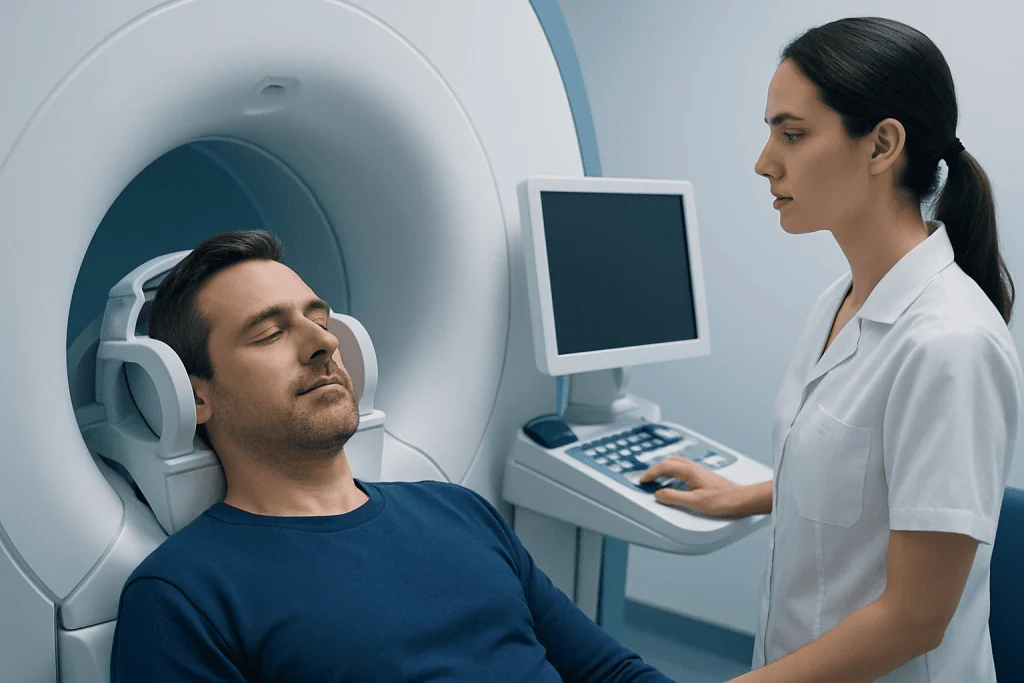
Cognitive testing can be especially useful when hallucinations occur together with memory problems, slowed thinking, poor attention, or changes in judgment. A neurological examination may reveal movement abnormalities, gait changes, focal deficits, or features suggesting a condition such as Parkinson’s disease or Alzheimer’s disease. In selected cases, the team may recommend electroencephalography (EEG), brain MRI, sleep assessment, or laboratory tests to look for structural, electrical, infectious, or metabolic causes.
This whole-person approach is helpful because treatment may need to address several issues at once, such as medication side effects, poor sleep, anxiety, and an underlying neurodegenerative illness. It also helps families understand what the symptom means and how best to respond.
How Doctors Diagnose the Cause
Diagnosis begins with identifying whether the hallucinations are part of an acute medical problem, a chronic neurological condition, a medication effect, or a primary psychiatric disorder. Sudden onset with confusion, fever, dehydration, or fluctuating attention raises concern for delirium, which needs prompt medical care. Gradual onset over months with movement and thinking changes may suggest a neurodegenerative process. Brief stereotyped episodes may point toward seizures or migraine phenomena.
Doctors often review all prescription medicines, over-the-counter products, and supplements. They may order blood tests to check for infection, inflammation, thyroid problems, vitamin deficiencies, liver or kidney issues, and other metabolic contributors. Brain imaging may be used if there are new neurological deficits, headaches, falls, signs of stroke, or concern about structural disease. In some situations, further testing such as advanced brain imaging or related diagnostic studies may be considered as part of a broader neurological workup, depending on the clinical picture.
Assessment of vision and hearing may also be important, since sensory impairment can contribute to misperceptions or true hallucinations. Sleep history matters too, especially if symptoms occur around sleep or are accompanied by dream enactment, excessive daytime sleepiness, or insomnia. Mental health assessment helps identify depression, anxiety, trauma-related symptoms, psychosis, or severe stress, which can coexist with neurological disease and influence how symptoms are experienced.
The goal is not only to label the symptom, but to understand why it is happening in this specific person. That allows doctors to choose treatment that is both safer and more effective.
Treatment Options
Treatment depends on the underlying cause, the level of distress, and whether the hallucinations create safety risks. If symptoms are linked to delirium, infection, dehydration, or metabolic imbalance, the priority is to treat the medical trigger. If a medicine appears responsible, a clinician may adjust the dose, stop the drug, or switch to an alternative. Medication changes should be supervised, since abrupt changes can worsen neurological or psychiatric symptoms.
When hallucinations are related to neurodegenerative disease, treatment may include reviewing Parkinson’s or memory-related medicines, addressing sleep problems, reducing unnecessary sedatives, and supporting orientation and daily routine. In some cases, doctors may prescribe medications aimed at reducing distressing hallucinations, but the choice depends on the person’s neurological diagnosis, age, heart health, movement symptoms, and overall vulnerability to side effects.
Non-drug strategies are also important. Better lighting, visual aids, hearing support, regular sleep, hydration, and calm reassurance can reduce the frequency or impact of symptoms. If the person has insight, it may help to explain that the experience can occur in brain illness and is not a personal failure. If the person becomes frightened, arguing about whether the hallucination is real is often less helpful than offering safety, comfort, and gentle redirection.
When hallucinations are part of a broader neurological condition, care may involve neurologists, psychiatrists, neuropsychologists, sleep specialists, and rehabilitation teams. Near the end of the care pathway, some international patients may choose centers such as Acibadem International, where multidisciplinary specialists in JCI-accredited hospitals evaluate neurological and neuropsychiatric symptoms in a coordinated way.
Self-care, Family Support, and When to Seek Medical Help
Families often play a central role in recognizing patterns and reducing stress around hallucinations. Keeping a symptom diary can be helpful. It may include when episodes happen, what the person experienced, any new medicines, sleep quality, hydration, recent illness, and whether there were changes in environment or routine. This information can make appointments more productive and may reveal triggers that are not obvious at first.
Practical steps at home include maintaining a regular sleep schedule, improving lighting, reducing visual clutter, checking glasses and hearing aids, avoiding excess alcohol, and supporting medication routines. Gentle reassurance is usually more helpful than confrontation. If the person has insight, they may benefit from simple coping strategies such as looking away, turning on more light, or checking whether the image changes when they blink or move position.
Medical advice should be sought promptly if hallucinations are new, worsening, distressing, or affecting safety. Urgent assessment is especially important if they occur with confusion, severe drowsiness, fever, headache, seizure, fainting, weakness, trouble speaking, recent head injury, or a sudden change in behavior. These features may signal an acute neurological or medical problem.
Even when hallucinations are not an emergency, they deserve attention. Early assessment can identify reversible causes, reduce distress, and help preserve independence and quality of life.
Frequently asked questions
Are hallucinations in neurological disease always a sign of mental illness?
No. Hallucinations can result from neurological conditions, medications, sleep disorders, sensory loss, infections, or metabolic problems. A psychiatric condition may be one possible cause, but it is not the only explanation.
What type of hallucinations are most common in neurological conditions?
Visual hallucinations are especially common in several neurological disorders, particularly those affecting movement, cognition, or vision. However, people may also hear sounds or voices, feel sensations on the skin, or notice unusual smells or tastes.
When should hallucinations be treated as an emergency?
Urgent medical care is important if hallucinations begin suddenly or happen with confusion, fever, severe headache, weakness, trouble speaking, seizure, or reduced alertness. These symptoms may suggest delirium, stroke, infection, or another acute brain-related problem.
What happens during a neuropsychiatry evaluation?
The clinician reviews the hallucinations in the context of neurological symptoms, mood, behavior, sleep, thinking, and medication use. The assessment may also include cognitive testing, a neurological exam, and recommendations for scans, EEG, blood tests, or sleep evaluation when needed.
Can medications cause hallucinations in people with neurological disease?
Yes. Some medicines used for Parkinson’s disease, seizures, pain control, sleep, inflammation, and other conditions can trigger or worsen hallucinations in certain people. Doctors usually review all medications carefully before deciding on treatment.
How can family members help someone who is having hallucinations?
Families can stay calm, offer reassurance, and avoid arguing harshly about whether the experience is real. Keeping a record of symptoms, checking for illness or sleep loss, and sharing changes with the doctor can make diagnosis and treatment easier.
References
- World Health Organization
- National Institute of Neurological Disorders and Stroke
- National Institute on Aging
- American Psychiatric Association
- Parkinson's Foundation
This article is for general information only and is not a substitute for professional medical advice. Please consult a qualified doctor about your individual situation.
Neuropsychiatry in Turkey — costs, top hospitals & a free quote
JCI-accredited · board-certified surgeons · reply within 24h
Add us as a Preferred Source to see more of our trusted health content across Google Search, AI Overviews and Discover.