Headache and Ice Pack: Common Causes, Related Conditions, and When to See a Doctor

An ice pack may reduce headache pain for some people, but it does not diagnose or cure the cause. Cold therapy is often most helpful for migraine and tension-type headache, though responses vary.
Key Takeaways
- An ice pack may reduce headache pain for some people, but it does not diagnose or cure the cause.
- Cold therapy is often most helpful for migraine and tension-type headache, though responses vary.
- Headaches can be related to dehydration, stress, illness, sinus problems, neck strain, or neurological conditions.
- Red-flag symptoms such as sudden severe pain, weakness, confusion, fever, or vision changes need urgent medical attention.
- Frequent or changing headaches should be evaluated to guide safe treatment and rule out serious causes.
Headache and ice pack are commonly linked because a cold compress may help some headaches feel better, especially tension-type headaches and some migraine attacks. Still, an ice pack treats symptoms rather than the underlying cause, so persistent, severe, or unusual headaches should be assessed by a doctor.
Overview: Why a Headache and Ice Pack Are Often Connected
Many people reach for a cold compress when headache pain begins. That instinct is understandable: an ice pack or chilled cloth may help numb pain, reduce sensitivity, and provide a soothing effect, especially when placed on the forehead, temples, scalp, or back of the neck. For some people, this simple step can make a headache more manageable while they rest or use other treatments advised by a doctor.
However, the phrase “headache and ice pack” can mean two different things. It may describe using cold therapy to ease a headache, or it may refer to a headache that feels bad enough to make someone seek immediate relief. In both situations, the important question is not only whether the ice helps, but also what is causing the headache.
Most headaches are not dangerous. Common causes include tension-type headache, migraine, dehydration, lack of sleep, viral illness, eye strain, stress, and neck muscle tightness. But headaches can also be associated with sinus disease, high blood pressure, medication overuse, head injury, and, less commonly, emergencies affecting the brain or blood vessels.
An ice pack should be seen as a comfort measure, not a diagnosis. If headaches are recurrent, getting worse, changing in pattern, or occurring with neurological symptoms, medical evaluation is important. In some cases, a doctor may assess for migraine or other conditions affecting the nervous system.
How Cold Therapy May Help a Headache
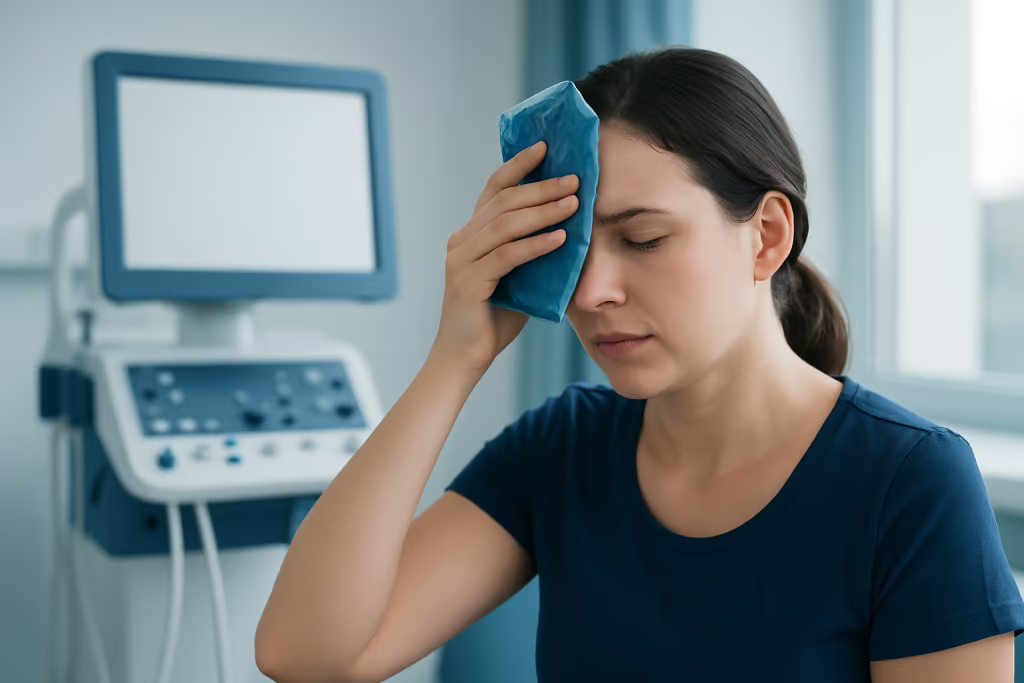
Cold therapy may help headache pain through several possible mechanisms. Cooling the skin can briefly slow pain signaling, reduce local inflammation, and create a calming sensory effect. Some people also find that lying quietly in a dark room with a cool cloth on the head or neck helps reduce the overall discomfort of an attack.
This approach is often used during migraine episodes. Some people with migraine feel relief when cold is applied to the forehead, temples, or neck, particularly if heat or activity seems to worsen symptoms. It may also help certain tension-type headaches, especially when neck muscle tightness contributes to pain. For headaches linked to sinus pressure, some people prefer warmth instead, so comfort can vary.
Ice should be used carefully. A pack should be wrapped in a thin cloth rather than placed directly on the skin, and it is usually best used for short periods with breaks in between. Direct or prolonged exposure can irritate the skin and may cause discomfort rather than relief.
Cold therapy is not appropriate as the only response to severe or unusual headache symptoms. If a person has the worst headache of their life, a sudden thunderclap onset, loss of consciousness, fainting, new weakness, or trouble speaking, urgent medical assessment matters more than home treatment.
Common Causes and Related Conditions

The most common headaches are primary headaches, meaning the headache itself is the main condition rather than a symptom of another illness. These include tension-type headache, migraine, and cluster headache. Tension-type headache often causes a band-like pressure across the forehead or scalp and may be linked to stress, poor posture, fatigue, or tight neck and shoulder muscles. Migraine is more likely to cause moderate to severe throbbing pain, sensitivity to light or sound, nausea, or worsening with activity.
Secondary headaches happen because of another issue. Examples include dehydration, fever, sinus infection, influenza or other viral infections, dental problems, sleep apnea, uncontrolled blood pressure, concussion, and medication overuse. Eye strain, prolonged screen use, and jaw clenching can also play a role. Some people experience headaches related to hormonal changes, skipped meals, alcohol, caffeine withdrawal, or changes in routine.
Neck pain and headache often occur together. Tight muscles, cervical spine strain, or poor workstation ergonomics may trigger pain that begins in the neck and radiates upward. In other cases, recurrent headaches may require specialist assessment because the pattern resembles brain tumor symptoms or another neurological condition, although these causes are much less common than migraine or tension headaches.
Occasionally, headache is a symptom of a more urgent vascular problem such as bleeding around the brain or a stroke-related event. A headache with facial drooping, one-sided weakness, severe confusion, seizure, or abrupt neurological change needs emergency evaluation. If a structural problem is suspected, doctors may use imaging such as MRI or other tests to identify the cause.
Symptoms That Can Help Distinguish the Type of Headache
Looking at the full symptom pattern can be more useful than focusing on pain alone. Tension-type headache commonly feels dull, pressing, or tight rather than pulsating. It often affects both sides of the head and may come with scalp tenderness or neck and shoulder tension. People can usually continue daily activities, though discomfort may be bothersome.
Migraine is more likely to cause throbbing or pulsating pain, often on one side but sometimes on both. It may come with nausea, vomiting, sensitivity to light, sensitivity to sound, and a need to lie still. Some people notice warning symptoms called aura, which can include visual changes, tingling, or speech disturbance before the headache begins.
Cluster headache is less common but typically causes very severe pain around one eye, often with tearing, eyelid drooping, facial sweating, or nasal congestion on the same side. Sinus-related headache may feel like facial pressure and may occur with congestion, fever, or thick nasal discharge, although many headaches people call “sinus headaches” are actually migraine.
Warning signs deserve particular attention. A sudden explosive headache, headache after a fall or injury, headache with fever and stiff neck, new headache during pregnancy or after delivery, or new headache in an older adult should not be ignored. These patterns can point to causes that need prompt medical care.
How Doctors Diagnose Ongoing or Severe Headaches
Diagnosis begins with a careful history. Doctors usually ask when the headaches started, how often they happen, where the pain is located, what the pain feels like, how long it lasts, and whether nausea, visual symptoms, fever, weakness, or recent injury are present. Triggers such as poor sleep, menstruation, stress, certain foods, alcohol, skipped meals, or excess pain medicine can also be relevant.
A physical and neurological examination helps identify red flags. The clinician may check blood pressure, temperature, vision, neck stiffness, coordination, strength, sensation, and speech. This often provides important clues about whether the headache is a common primary headache or whether another illness should be considered.
Not every headache needs a scan. But imaging or other tests may be recommended if the headache is new and severe, differs from a person’s usual pattern, follows head trauma, or is accompanied by neurological changes. Depending on the situation, doctors may use CT scan or MRI to look for bleeding, structural abnormalities, or other causes. Blood tests or evaluation for infection may also be needed.
Keeping a headache diary can be helpful before and after an appointment. Recording the timing, symptoms, possible triggers, response to an ice pack, and any medications used may make patterns easier to recognize. This information can support a more accurate diagnosis and a safer treatment plan.
Treatment Options Beyond an Ice Pack
Treatment depends on the type and cause of headache. For occasional mild headaches, rest, hydration, food if a meal was missed, reduced screen exposure, and a cold or warm compress may be enough. Some people also use over-the-counter pain relievers, but they should follow medical advice and product instructions carefully because excessive use can worsen headaches over time.
Migraine treatment may include medicines taken during attacks to stop or reduce symptoms, as well as preventive treatment if episodes are frequent or disabling. Tension-type headaches may improve with posture correction, stress management, stretching, physical therapy, sleep improvement, and limited use of pain medication. If headaches are linked to sinus infection, dental issues, or vision problems, treating the underlying cause is important.
For recurring or complex headaches, specialist care may be useful. Evaluation by a neurologist can help distinguish migraine from other headache disorders and guide long-term management. In selected cases, treatments may include prescription medications, lifestyle plans, physical rehabilitation, or procedures depending on the diagnosis. People with severe recurrent headaches may benefit from assessment in neurology care to clarify the best approach.
Near the end of the diagnostic and treatment journey, some international patients seek coordinated care abroad. Acibadem International’s multidisciplinary specialists and JCI-accredited hospitals evaluate and treat headache-related conditions when advanced assessment or specialist input is needed.
Prevention, Self-Care, and Safe Use of Ice
Prevention usually starts with regular daily habits. Adequate hydration, consistent meals, enough sleep, moderate caffeine intake, regular physical activity, and stress reduction can help reduce common headache triggers. Good posture, screen breaks, and attention to neck and shoulder tension may be especially useful for people whose headaches build gradually over the day.
An ice pack can be part of a safe self-care routine when used correctly. It should be wrapped in cloth and applied for short intervals rather than continuously. Some people prefer a cool gel pack across the forehead, while others feel better with cooling at the back of the neck. If cold makes the pain worse or causes marked discomfort, it should be stopped.
It also helps to avoid medication overuse. Frequent use of pain relievers on many days of the month can sometimes lead to rebound headaches. For people with recurrent symptoms, professional guidance is safer than repeatedly self-treating without a diagnosis.
A practical self-care plan may include:
- Drinking water and avoiding skipped meals
- Resting in a quiet, dark room during migraine symptoms
- Using an ice pack wrapped in cloth for short periods
- Reducing screen glare and improving workstation posture
- Keeping a diary of triggers, symptoms, and treatments
- Arranging medical review if headaches become frequent or change in pattern
When to Seek Medical Care
Most headaches improve with time and simple care, but some should be assessed promptly. Medical advice is appropriate if headaches are happening more often, becoming more intense, waking a person from sleep, or no longer responding to usual measures such as rest, hydration, or an ice pack. New headaches in someone with cancer, immune suppression, pregnancy, or a recent head injury also deserve review.
Urgent or emergency care is needed for a sudden severe headache that peaks within seconds to minutes, headache with weakness or numbness, fainting, confusion, seizure, chest pain, shortness of breath, severe high blood pressure, or difficulty speaking. Headache with fever, stiff neck, or a rash also needs immediate assessment because infection or inflammation may be involved.
A person should also contact a doctor if the headache is accompanied by persistent vomiting, new visual loss, double vision, imbalance, or a major change in personality or alertness. These features do not always mean a serious condition is present, but they should not be managed at home alone.
Getting help early can reduce uncertainty and support effective treatment. The aim is not to assume the worst, but to recognize when a common symptom may need closer evaluation so the right cause is identified and treated safely.
Frequently asked questions
Does an ice pack help all headaches?
No. A cold compress may help some people with migraine or tension-type headache, but it does not work for everyone. Some headaches respond better to rest, hydration, warmth, or treatment of the underlying cause.
Where should an ice pack be placed for headache relief?
People often place it on the forehead, temples, scalp, or back of the neck, depending on where the discomfort feels strongest. The pack should be wrapped in a cloth to protect the skin and used for short periods.
Can a headache that improves with an ice pack still be serious?
Yes. Temporary improvement does not rule out an underlying medical problem. If the headache is sudden, severe, unusual, or comes with neurological symptoms, medical care is still important.
What headaches are most commonly linked to using an ice pack?
Migraine and tension-type headaches are the most common reasons people try cold therapy. Some people also use it for headaches linked to neck muscle tension, although the benefit varies from person to person.
When should frequent headaches be evaluated by a doctor?
A doctor should assess headaches that are happening more often, changing in pattern, interfering with daily life, or requiring frequent pain medicine. Evaluation can help identify triggers, prevent medication-overuse headache, and rule out secondary causes.
Is it safe to rely only on home remedies for headaches?
Home remedies may be reasonable for an occasional familiar headache, especially if symptoms are mild and improve quickly. They are not enough for severe, recurrent, or red-flag headaches, which should be assessed by a qualified clinician.
This article is for general information only and is not a substitute for professional medical advice. Please consult a qualified doctor about your individual situation.
Explore treatments in Turkey — costs, top hospitals & a free quote
JCI-accredited · board-certified surgeons · reply within 24h
Add us as a Preferred Source to see more of our trusted health content across Google Search, AI Overviews and Discover.
Check your numbers in seconds
BMI, calories, due date, blood pressure and 30+ more clinical calculators — free, instant, doctor-reviewed ranges.

More from the Health Library

Does Contraceptive Cause Infertility? Here Is What the Evidence Says

Does Zepbound Cause Hair Loss? Here Is What the Evidence Says

Mini Heart Attack Symptoms: Possible Causes and When to Seek Care

How to Test for Csf Leak at Home? Causes, Explanations, and Next Steps

Rashes That Look Like Ringworm But Aren’t Explained: Common Triggers and Red Flags