Mini Heart Attack Symptoms: Possible Causes and When to Seek Care
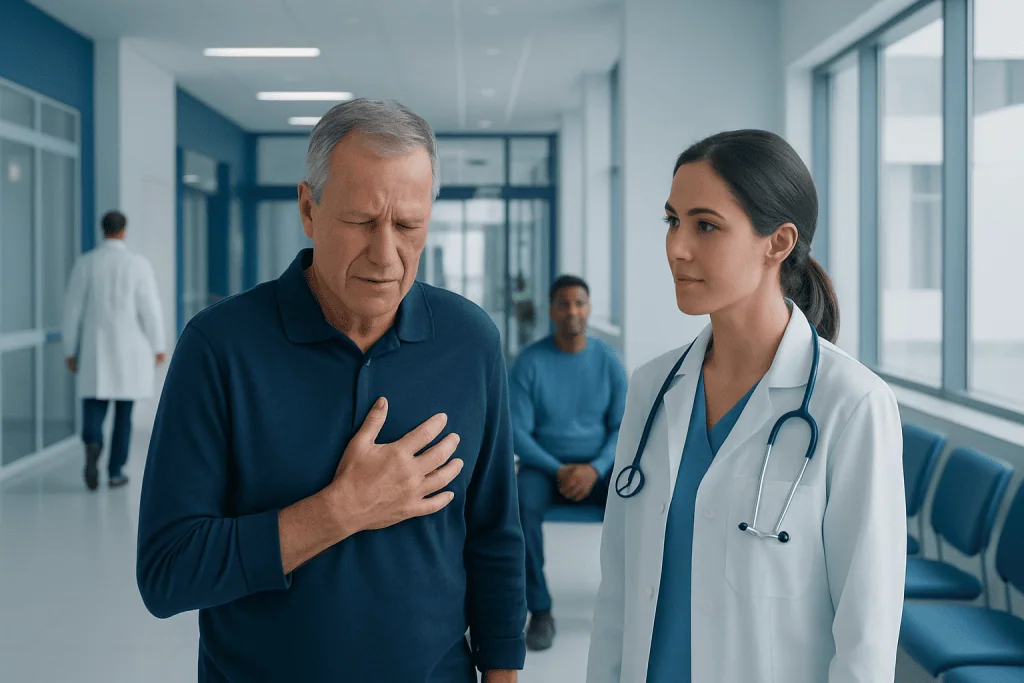
A “mini heart attack” usually refers to a real heart attack, often a non-ST elevation myocardial infarction (NSTEMI), not a harmless event. Symptoms may be subtle and can include chest discomfort, breathlessness, nausea, sweating, dizziness, or unusual fatigue.
Key Takeaways
- A “mini heart attack” usually refers to a real heart attack, often a non-ST elevation myocardial infarction (NSTEMI), not a harmless event.
- Symptoms may be subtle and can include chest discomfort, breathlessness, nausea, sweating, dizziness, or unusual fatigue.
- Symptoms can differ in women, older adults, and people with diabetes, who may have less obvious chest pain.
- Any possible heart attack symptoms should be treated as urgent and evaluated promptly.
- Risk factors include smoking, high blood pressure, high cholesterol, diabetes, obesity, stress, and family history.
Mini heart attack symptoms often feel milder than a classic heart attack, but they still need urgent medical attention. Warning signs can include chest pressure, shortness of breath, nausea, sweating, dizziness, or sudden unusual fatigue, especially if symptoms are new or unexplained.
Overview: What “mini heart attack symptoms” usually mean
Mini heart attack symptoms are not “minor” in the sense of being safe to ignore. The phrase commonly refers to a heart attack that may cause less dramatic symptoms than the classic crushing chest pain, often a type called a non-ST elevation myocardial infarction, or NSTEMI. Even when symptoms seem mild, there can still be damage to the heart muscle.
In simple terms, a heart attack happens when blood flow to part of the heart is reduced or blocked. This deprives heart tissue of oxygen. Some people have sudden, intense symptoms, while others notice vague discomfort, fatigue, indigestion-like pain, or shortness of breath that comes on gradually.
This difference is why mini heart attack symptoms can be confusing. A person may think they have acid reflux, anxiety, muscle strain, or exhaustion. But when symptoms are new, unexplained, or different from usual, especially in someone with heart risk factors, urgent medical assessment is important.
Common symptoms and less obvious warning signs
The most recognized symptom is chest discomfort. It may feel like pressure, tightness, squeezing, fullness, burning, or heaviness in the center or left side of the chest. The discomfort can last several minutes, come and go, or worsen with time. Some people describe it as less severe than they expected, which is one reason they delay care.
Symptoms do not always stay in the chest. Pain or discomfort may spread to the arm, shoulder, neck, jaw, back, or upper abdomen. Some people mainly notice shortness of breath, sweating, nausea, vomiting, dizziness, or a sudden feeling of weakness.
Unusual fatigue is another important warning sign, especially if it appears suddenly or is out of proportion to normal daily activity. Resting may not fully relieve symptoms. A person may also feel faint, clammy, or generally unwell without being able to explain why.
- Chest pressure, tightness, or burning
- Shortness of breath
- Pain in the arm, jaw, neck, back, or upper stomach
- Nausea, indigestion-like discomfort, or vomiting
- Cold sweat or clammy skin
- Dizziness, lightheadedness, or faintness
- Sudden unusual fatigue
Why symptoms can be missed or mistaken for something else

Mini heart attack symptoms are often subtle, and that can make them easier to overlook. People may wait because the discomfort is not severe, because it comes and goes, or because they are able to continue speaking and walking. Unfortunately, symptom intensity does not always match how serious the problem is.
Another reason symptoms are missed is that they can resemble more common conditions. Heart-related chest discomfort may be confused with acid reflux, gas, a pulled muscle, panic attacks, or fatigue from poor sleep. Upper stomach discomfort, nausea, and sweating can also be mistaken for a digestive illness.
Certain groups are more likely to have less typical symptoms. Women, older adults, and people with diabetes may be less likely to have severe chest pain and more likely to report fatigue, breathlessness, nausea, or weakness. Because of this, any unexplained cluster of symptoms deserves medical attention, particularly when there are cardiovascular risk factors or a known history of coronary artery disease.
Possible causes and risk factors
The usual cause of a mini heart attack is reduced blood flow in a coronary artery, the blood vessel that supplies the heart muscle. Most often, this happens when fatty plaque builds up in the artery wall and then cracks or ruptures, leading to a blood clot. The clot may partially block blood flow, causing symptoms and heart muscle injury.
Less commonly, reduced blood flow can happen because of severe narrowing of the arteries, coronary artery spasm, or increased strain on the heart during another illness. In some people, underlying heart disease is present for years before symptoms appear.
Several factors increase the chance of a heart attack. Some can be changed, while others cannot.
- Smoking or tobacco use
- High blood pressure
- High cholesterol
- Diabetes or prediabetes
- Overweight and obesity
- Physical inactivity
- Older age
- Family history of early heart disease
- Chronic stress
- Kidney disease or inflammatory conditions
People who already have blocked or narrowed heart arteries may also be evaluated with treatments such as coronary angiography or coronary angioplasty when doctors need to identify or restore blood flow.
How doctors diagnose a mini heart attack
Doctors do not diagnose a mini heart attack based on symptoms alone. Because symptoms can overlap with many other conditions, an urgent evaluation is needed. This usually starts with a medical history, physical examination, blood pressure and pulse checks, and questions about when the symptoms began and whether they spread anywhere.
One of the main tests is an electrocardiogram, or ECG, which records the heart’s electrical activity. Blood tests are also important, especially troponin, a marker that can rise when heart muscle is injured. A person may need repeat blood tests over several hours because changes are not always visible right away.
Depending on the situation, doctors may also use imaging tests such as an echocardiogram, stress testing, or CT or catheter-based evaluation of the coronary arteries. If the concern is significant, specialists may recommend further assessment for heart attack or procedures such as cardiac catheterization to look directly at blood flow in the heart.
Treatment and recovery
Treatment depends on the cause, test results, and the person’s overall health. In general, the goal is to restore or improve blood flow, reduce strain on the heart, prevent further clotting, and lower the risk of another event. A doctor may recommend medications such as antiplatelet drugs, cholesterol-lowering therapy, blood pressure treatment, or medicines that reduce the heart’s workload.
Some people need hospital monitoring and more urgent procedures, while others are managed with a combination of medication and careful follow-up. If a blocked artery is found, doctors may consider interventions to open it. The exact plan depends on how much heart muscle is at risk and whether symptoms continue.
Recovery does not end when symptoms settle. Follow-up care usually includes risk factor control, lifestyle changes, and sometimes cardiac rehabilitation. This structured approach helps people return to daily activities more safely and supports long-term heart health.
Prevention and self-care after warning symptoms
The best prevention strategy is to reduce modifiable risk factors and not ignore warning signs. Stopping smoking, improving blood pressure and cholesterol, managing diabetes, staying active, maintaining a healthy weight, sleeping well, and following a heart-conscious eating pattern can all help reduce future risk.
After a suspected or confirmed mini heart attack, it is important to take prescribed medicines exactly as directed and attend follow-up appointments. A person should ask their doctor when it is safe to resume exercise, work, travel, and sexual activity, since the timing can vary.
Self-care also includes learning personal warning signs. If chest discomfort, breathlessness, unusual fatigue, or similar symptoms return, especially if they are new or worsening, they should not be brushed off as stress or indigestion. Near the end of the care journey, some patients may seek multidisciplinary evaluation; Acibadem International’s specialists in JCI-accredited hospitals diagnose and treat cardiovascular conditions for international patients.
When to seek medical care
Possible mini heart attack symptoms should be treated as urgent. A person should seek emergency medical care right away for chest pressure or pain that lasts more than a few minutes, returns after going away, or happens together with shortness of breath, sweating, nausea, faintness, or pain spreading to the arm, jaw, neck, or back.
It is safer not to drive oneself when symptoms are significant or escalating. Emergency services can begin assessment quickly and direct the person to the most appropriate care. Fast evaluation can help limit heart damage and identify life-threatening causes of chest symptoms.
Non-emergency medical review is still important for milder but recurring symptoms, reduced exercise tolerance, or persistent unusual fatigue, especially in people with risk factors such as high blood pressure, diabetes, high cholesterol, smoking, or a family history of heart disease. When in doubt, a qualified doctor should decide whether symptoms are heart-related.
Frequently asked questions
Is a mini heart attack a real heart attack?
Yes. The term “mini heart attack” is informal and often refers to a true heart attack, commonly an NSTEMI. Even if symptoms seem mild, there may still be injury to the heart muscle, so prompt evaluation is important.
Can mini heart attack symptoms come and go?
Yes, they can. Some people have symptoms that ease and then return, which can make the problem seem less serious than it is. Chest discomfort that comes and goes should still be assessed urgently, especially if it is new or accompanied by other warning signs.
Do mini heart attack symptoms always include chest pain?
No. Some people mainly notice shortness of breath, nausea, sweating, dizziness, or unusual fatigue. Women, older adults, and people with diabetes may be more likely to have these less typical symptoms.
How is a mini heart attack different from indigestion or anxiety?
The symptoms can overlap, which is why self-diagnosis is unreliable. Heart-related symptoms are more concerning when they are new, unexplained, triggered by exertion, or occur with breathlessness, sweating, faintness, or spreading pain. Medical testing is often needed to tell the difference.
What should a person do if they think they are having a mini heart attack?
They should seek emergency medical care immediately. It is best not to wait for symptoms to pass or assume they are harmless, because quick treatment may reduce heart damage and complications.
Can someone recover fully after a mini heart attack?
Many people recover well, especially when the problem is recognized early and treated appropriately. Recovery usually includes medications, follow-up care, and long-term steps to lower cardiovascular risk.
References
- American Heart Association
- National Heart, Lung, and Blood Institute
- Centers for Disease Control and Prevention
- European Society of Cardiology
- Mayo Clinic
This article is for general information only and is not a substitute for professional medical advice. Please consult a qualified doctor about your individual situation.
Persistent digestive symptoms? Get evaluated in Turkey
JCI-accredited · board-certified surgeons · reply within 24h
Add us as a Preferred Source to see more of our trusted health content across Google Search, AI Overviews and Discover.
Check your numbers in seconds
BMI, calories, due date, blood pressure and 30+ more clinical calculators — free, instant, doctor-reviewed ranges.

More from the Health Library



Related Specialists

Assoc. Prof. Dr. Mehmet Köstek
General Surgery
Assoc. Prof. Dr. Özge Vural Topuz
Nuclear Medicine
Dr. Mehmet Teomete
Medical Oncology
Prof. Dr. Namık Şahin
Orthopedic Surgery & Traumatology