Headache Left Temple: Common Causes, Related Conditions, and When to See a Doctor

Pain at the left temple is a symptom rather than a diagnosis, and its pattern can help identify the likely cause. Migraine and tension-type headache are frequent explanations for one-sided temple pain.
Key Takeaways
- Pain at the left temple is a symptom rather than a diagnosis, and its pattern can help identify the likely cause.
- Migraine and tension-type headache are frequent explanations for one-sided temple pain.
- Jaw clenching, teeth grinding, neck strain, and eye strain can also cause pain around one temple.
- New temple pain after age 50 with scalp tenderness or jaw pain while chewing requires urgent medical assessment.
- Sudden severe headache or headache with neurological symptoms needs emergency care.
A headache left temple can result from common conditions such as migraine, tension-type headache, jaw muscle strain, or neck-related pain. Although most cases are not dangerous, a new severe headache, especially with visual changes, weakness, fever, or scalp tenderness, should be assessed promptly.
Overview: What Does a Headache in the Left Temple Mean?
A headache left temple means pain felt over or near the left side of the forehead, just behind the outer corner of the eye. It is commonly linked to migraine, tension in the muscles of the scalp or neck, jaw joint problems, or temporary triggers such as poor sleep, missed meals, dehydration, and stress. The location alone does not determine the cause; the timing, quality of pain, associated symptoms, and a person’s health history are equally important.
Temple pain may feel like pressure, tightness, throbbing, stabbing, or tenderness to touch. Some headaches remain limited to one side, while others begin on one side and spread. A short-lived, familiar headache that improves with rest and simple measures is usually less concerning than a new, escalating, or clearly different headache pattern.
Less often, pain in the temple can signal a condition requiring timely treatment. Examples include inflammation of the temporal arteries, certain eye conditions, infection, or a neurological emergency. Paying attention to warning signs helps people seek the right level of care without assuming that every one-sided headache is serious.
Patterns and Symptoms That Can Help Identify the Cause
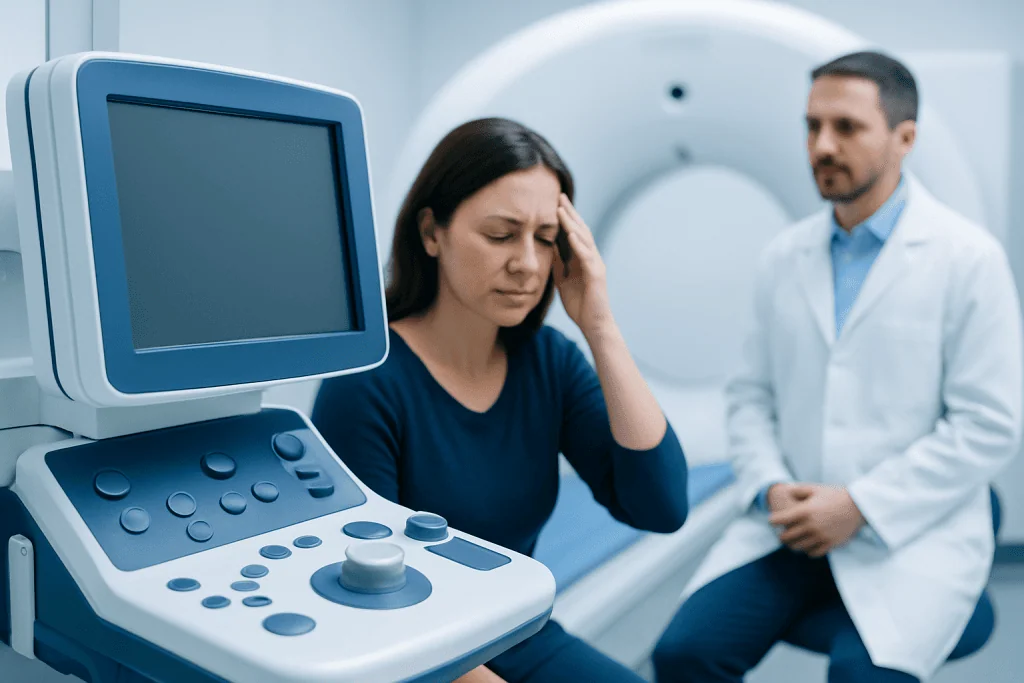
Details about the headache can provide useful clues. Migraine often causes moderate to severe throbbing pain on one side of the head and may last from several hours to a few days. Nausea, vomiting, sensitivity to light, sound, or smells, and worsening with routine movement are common. Some people experience aura symptoms, such as temporary visual disturbances, tingling, or speech difficulty, before or during a migraine.
Tension-type headaches more often cause a pressing or tightening sensation, like a band around the head, but pain can be stronger on one side. They may be associated with stress, prolonged screen use, poor posture, tiredness, or tight neck and shoulder muscles. Unlike migraine, they usually do not cause significant nausea or marked sensitivity to activity.
Other associated symptoms may point toward a local source of pain. Jaw clicking, facial soreness, pain with chewing, or morning headaches can occur with temporomandibular joint disorders or teeth grinding. Nasal blockage, facial pressure, reduced sense of smell, and thick nasal discharge may occur with sinus inflammation, although a headache alone is not enough to diagnose sinus disease.
- Throbbing with nausea or light sensitivity: often suggests migraine.
- Pressure with neck or shoulder tightness: may suggest tension or cervicogenic headache.
- Pain around the jaw or ear, worse with chewing: may involve the jaw joint or chewing muscles.
- Scalp tenderness and jaw fatigue when eating: require prompt evaluation, particularly after age 50.
Common Causes of Left Temple Headache

Migraine is one of the most common causes of recurrent one-sided temple pain. Attacks can be influenced by hormonal changes, irregular sleep, stress, alcohol, certain foods, skipped meals, or changes in caffeine intake. Triggers vary widely, and not every apparent trigger causes an attack every time. Keeping a headache diary can help identify a personal pattern.
Tension-type headache can develop when muscles around the scalp, jaw, shoulders, and neck are strained or held tense for long periods. It may follow extended computer work, emotional stress, poor sleep, or an awkward sleeping position. Neck-related headache, sometimes called cervicogenic headache, can also refer pain upward from the neck to the temple or behind the eye, often on one side.
Jaw and dental factors can contribute to pain at the temple because the temporalis muscle, a major chewing muscle, lies over this area. Clenching the teeth, grinding during sleep, gum chewing, dental problems, and temporomandibular joint dysfunction may cause temple pain, jaw stiffness, or clicking. A dentist or clinician may assess these possibilities when symptoms clearly relate to jaw movement or oral health.
Medication overuse is another possible factor in people with frequent headaches. Regular use of pain medicines or migraine-relief medicines on many days can make headaches become more frequent or difficult to treat. A clinician can advise on safe medication use and a plan to reduce overuse when needed.
Less Common but Important Related Conditions
Giant cell arteritis, also called temporal arteritis, is an inflammatory condition affecting blood vessels. It occurs mainly in adults over age 50 and can cause a new headache over the temple, scalp tenderness, fatigue, fever, jaw pain while chewing, and visual symptoms. Because untreated giant cell arteritis can threaten eyesight, a person with these symptoms should receive same-day medical assessment.
Eye conditions may occasionally cause pain felt in or around the temple. Acute angle-closure glaucoma can cause severe eye pain, headache, blurred vision, halos around lights, nausea, and a red eye. It is an emergency. More common vision problems, including an uncorrected glasses prescription or prolonged visual concentration, can contribute to eye strain and headache but do not usually cause severe eye redness or sudden vision loss.
Headache can also occur during viral illnesses, with high blood pressure emergencies, after head injury, or with neurological disorders. Brain tumors are an uncommon cause of headache and usually do not present as isolated intermittent temple pain. However, a progressive headache that is increasingly frequent, worse in the morning, triggered by coughing or straining, or accompanied by vomiting, seizures, personality change, or neurological symptoms should be medically evaluated.
Facial nerve pain, including trigeminal neuralgia, may cause brief, intense, electric-shock-like pain in the face or temple region. Cluster headache is another less common primary headache disorder; it usually causes very severe pain around one eye or temple with tearing, nasal congestion, eyelid drooping, or restlessness during attacks. These patterns benefit from targeted clinical assessment.
How Doctors Diagnose Temple Headaches
Diagnosis begins with a detailed history. A clinician will ask when the headache began, how quickly it came on, how long it lasts, where it spreads, what the pain feels like, and whether it is changing over time. Information about nausea, light sensitivity, fever, visual symptoms, jaw pain, neck pain, recent infection, injury, medicines, sleep, caffeine, and family history can be especially useful.
The examination may include blood pressure measurement and assessment of the eyes, nerves, scalp, jaw, neck, and sinuses. For a person with suspected giant cell arteritis, clinicians may arrange blood tests that look for inflammation and may use ultrasound or other tests to assess the temporal arteries. An urgent eye examination is appropriate when severe eye pain or visual symptoms are present.
Most people with a stable pattern typical of migraine or tension-type headache do not need brain imaging. CT or MRI scanning may be considered when there are warning signs, an abnormal neurological examination, a new headache after age 50, cancer or immune-system history, recent significant head injury, or a substantial change in the usual headache pattern. Testing is selected to answer a specific clinical question rather than routinely performed for all headaches.
Treatment Options and Self-Care
Treatment depends on the cause. For occasional mild headaches, resting in a quiet, dim room, drinking fluids if dehydrated, eating regular meals, and applying a cool or warm compress may help. Gentle neck movement, posture adjustments, and breaks from screens can be useful when muscle tension or prolonged visual work appears to contribute. Over-the-counter pain relief may be appropriate for some adults when used according to the label and a clinician’s advice.
People with recurrent migraine may benefit from a structured plan that includes identifying triggers, treating attacks early, and discussing migraine-specific medicines with a doctor. Preventive treatment may be considered when attacks are frequent, prolonged, disabling, or difficult to manage. It is important not to rely on acute pain medicines too often, as this can contribute to medication-overuse headache.
When jaw clenching or temporomandibular joint symptoms are involved, helpful measures may include avoiding excessive gum chewing, choosing softer foods during flare-ups, using relaxation techniques, and seeking dental or medical assessment. A night guard may be recommended for selected people after a dental evaluation. Physical therapy or guided exercises can sometimes help neck-related or jaw-related pain.
A headache diary can support diagnosis and treatment. Recording the date, duration, pain intensity, location, associated symptoms, menstrual timing where relevant, sleep, meals, stressors, and medicines taken gives a clinician a clearer picture. Acibadem International’s multidisciplinary specialists and JCI-accredited hospitals can assess persistent or complex headache symptoms for international patients.
When to Seek Medical Care
A non-urgent medical appointment is sensible for headaches that recur often, interfere with work, sleep, or daily activities, require frequent pain medicine, or have changed in character. Assessment is also appropriate when left temple pain occurs with persistent jaw symptoms, neck pain, sinus symptoms lasting beyond a typical cold, or a new headache pattern during pregnancy or after starting a new medicine.
Same-day urgent assessment is important for a new temple headache in a person over 50, especially if there is scalp tenderness, pain or fatigue in the jaw while chewing, fever, unexplained weight loss, or any change in vision. These can be features of giant cell arteritis and need timely treatment to protect vision.
Emergency care is needed for a sudden, extremely severe headache that reaches maximum intensity within seconds or minutes; headache after a significant head injury; or headache with fainting, confusion, seizure, weakness, numbness, trouble speaking, difficulty walking, stiff neck, high fever, persistent vomiting, or new loss of vision. Severe headache with a painful red eye or halos around lights also needs immediate evaluation.
Frequently asked questions
Is a headache in the left temple usually a migraine?
It can be, especially when the pain is throbbing and accompanied by nausea or sensitivity to light and sound. However, tension-type headache, neck strain, jaw clenching, and other causes can also produce pain in the left temple. A clinician can help identify the cause when headaches are recurrent or changing.
Can stress cause a headache left temple?
Yes. Stress can tighten muscles in the scalp, neck, shoulders, and jaw, contributing to tension-type or jaw-related headache. Stress may also trigger migraine in people who are susceptible to it, particularly when it disrupts sleep, meals, or hydration.
Why does my left temple hurt when I chew?
Pain with chewing can result from jaw joint dysfunction, teeth grinding, dental problems, or inflammation of chewing muscles. In adults over 50, jaw pain or fatigue while chewing together with a new temple headache can be a sign of giant cell arteritis and requires same-day medical assessment.
Can sinus problems cause pain in one temple?
Sinus inflammation can cause facial pressure and headache, sometimes felt near the forehead or temple. It is more likely when there is nasal blockage, thick discharge, reduced smell, or facial pain that worsens when leaning forward. Migraine is often mistaken for a sinus headache because it may also cause facial pressure and nasal symptoms.
When should a left temple headache be treated as an emergency?
Emergency care is appropriate for sudden severe pain, especially if it peaks immediately, or for headache with weakness, confusion, speech problems, seizure, fainting, stiff neck, fever, or loss of vision. Severe eye pain with redness, blurred vision, or halos around lights also needs urgent assessment.
How can someone prevent recurring temple headaches?
Regular sleep, meals, hydration, exercise, screen breaks, and stress-management practices can reduce headaches for many people. A diary may reveal triggers such as skipped meals, alcohol, changes in caffeine, or jaw clenching. If headaches remain frequent or disabling, a doctor can discuss preventive treatment options.
This article is for general information only and is not a substitute for professional medical advice. Please consult a qualified doctor about your individual situation.
Explore treatments in Turkey — costs, top hospitals & a free quote
JCI-accredited · board-certified surgeons · reply within 24h
Add us as a Preferred Source to see more of our trusted health content across Google Search, AI Overviews and Discover.

More from the Health Library
How Often Should You Change Your Toothbrush? Here Is What the Evidence Says

Why Am I Dizzy? Here Is What the Evidence Says

Is Chocolate Milk Good for You? Here Is What the Evidence Says

Does Stress Cause Constipation? A Doctor-Reviewed Answer

What Kind of Doctor Treats Osteoporosis? Here Is What the Evidence Says