Headache With Vision Changes: When Neuro-Ophthalmology Assessment Matters

Headache with vision changes is not always an emergency, but sudden or severe symptoms need prompt medical attention. Migraine is a common cause, yet optic nerve, retinal, vascular, and brain conditions can produce similar symptoms.
Key Takeaways
- Headache with vision changes is not always an emergency, but sudden or severe symptoms need prompt medical attention.
- Migraine is a common cause, yet optic nerve, retinal, vascular, and brain conditions can produce similar symptoms.
- A neuro-ophthalmologist helps evaluate problems where vision and the nervous system overlap.
- Red flags include sudden vision loss, double vision, weakness, confusion, severe eye pain, or a new worst headache.
- Assessment may include an eye exam, visual field testing, neurological examination, and imaging when needed.
Headache with vision changes is often linked to migraine, but it can also point to conditions affecting the eyes, optic nerves, brain, or blood vessels. A neuro-ophthalmology assessment may be important when symptoms are sudden, unusual, recurrent, or accompanied by other neurological signs.
Overview
Headache with vision changes is a symptom pattern rather than a single diagnosis. In many people, it is caused by migraine, especially when visual symptoms such as flashing lights, zigzags, blind spots, or blurred vision appear before or during the headache. However, similar symptoms can also occur when there is a problem involving the optic nerve, retina, eye muscles, blood vessels, or areas of the brain that process vision.
Neuro-ophthalmology focuses on conditions that affect both the visual system and the nervous system. This specialty is especially helpful when a person has headache together with unexplained vision loss, double vision, eyelid drooping, abnormal pupil findings, or changes in eye movement. A careful assessment helps distinguish common benign causes from conditions that need urgent treatment.
Because the causes vary widely, the timing and type of symptoms matter. Temporary shimmering in both eyes that lasts 20 to 30 minutes may suggest migraine aura, while sudden darkening of vision in one eye may raise concern for a retinal or optic nerve problem. The overall goal is to identify patterns, recognize warning signs, and make sure serious causes are not missed.
Symptoms That May Need Neuro-Ophthalmology Review
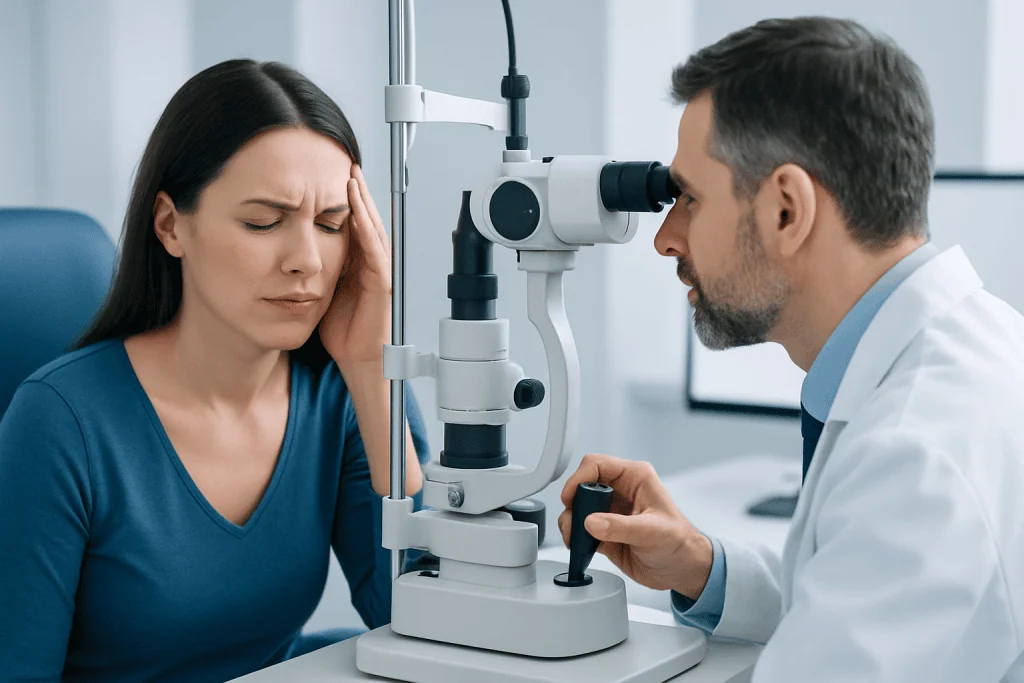
Vision changes can take many forms. Some people notice blurring, dimming, or a shadow in part of their field of vision. Others experience double vision, trouble focusing, brief episodes of vision loss, or pain with eye movement. Headache may occur before, during, or after the visual symptoms, and it may be mild, throbbing, pressure-like, or severe.
Certain patterns are more concerning than others. Double vision that is new, persistent, or associated with drooping of one eyelid may suggest a nerve or muscle-control problem. A headache with swelling of the optic nerve, also called papilledema, can occur when pressure inside the skull is elevated and should be assessed promptly. In some cases, headache with visual symptoms can overlap with brain tumor-related symptoms, although many other less serious conditions are far more common.
- Flashing lights, zigzag lines, or shimmering vision
- Blurred or dim vision in one or both eyes
- Partial loss of vision or blind spots
- Double vision
- Eye pain, especially with movement
- Drooping eyelid or unequal pupils
- Nausea, dizziness, weakness, numbness, or speech difficulty
If symptoms are unusual for the person, happen for the first time, or keep returning without a clear explanation, a structured neuro-ophthalmic evaluation can be very helpful. It can clarify whether the main issue is migraine, an eye condition, a neurological disorder, or a vascular problem.
Common Causes and Risk Factors

Migraine is one of the most frequent causes of headache with vision changes. A person may have migraine with aura, retinal migraine, or migraine without a classic visual pattern. Aura typically affects both eyes, even if it seems stronger on one side, and can include shimmering lights, wavy lines, or temporary blind spots. Triggers vary and may include stress, poor sleep, hormonal changes, dehydration, and certain foods or medications.
Other causes involve the optic nerve or retina. Inflammation of the optic nerve, reduced blood flow to the eye, retinal tears, or other retinal disease may lead to sudden visual symptoms. Problems affecting the nerves that move the eyes can cause double vision and headache. Inflammatory disorders, infections, autoimmune disease, diabetes, and high blood pressure can increase risk in some cases.
Another important group of causes involves pressure or circulation in the brain. Elevated intracranial pressure may cause headache that is worse in the morning, transient dimming of vision, pulsating sounds in the ears, or optic nerve swelling. A rare but serious cause is a blood vessel problem such as stroke, bleeding, or an aneurysm, particularly if symptoms are abrupt and severe. For selected patients, doctors may need urgent evaluation to rule out conditions linked with stroke.
Age also matters. In people over 50, a new headache with scalp tenderness, jaw pain while chewing, or sudden vision symptoms may raise concern for giant cell arteritis, a condition that requires prompt treatment to protect sight. A full medical history helps identify these and other risk factors.
How Doctors Diagnose the Cause
Diagnosis begins with a detailed history. Doctors usually ask what the vision change looked like, whether it affected one eye or both, how long it lasted, whether the headache started before or after the visual symptoms, and whether there were associated neurological symptoms. The person may be asked to cover one eye during symptoms in the future, if safe to do so, because this can help determine whether the problem is truly monocular or affects both visual fields.
A neuro-ophthalmic examination typically includes visual acuity, color vision, pupil responses, eye movements, eyelid position, visual field assessment, and a close look at the optic nerve and retina. Eye pressure may also be measured, especially if glaucoma or acute angle-closure is a concern. These findings often narrow the possibilities significantly.
Additional tests depend on the suspected cause. They may include visual field testing, optical coherence tomography to assess retinal and optic nerve structures, blood tests for inflammation or autoimmune disease, and neuroimaging such as MRI scan when doctors need to evaluate the brain, optic nerves, or orbit. In emergency situations, a CT scan may be used quickly to look for bleeding or other urgent problems. Some patients may also need vascular imaging or lumbar puncture, guided by the clinical picture.
The goal is not simply to confirm that a headache is present, but to understand why it is happening with visual symptoms. This distinction shapes treatment and determines whether urgent specialist care is needed.
Treatment Options
Treatment depends entirely on the cause. If migraine is responsible, management may include avoiding triggers, improving hydration and sleep, and using acute or preventive medications recommended by a physician. Not every person with aura needs extensive testing, but new, changing, or atypical features often justify further evaluation first.
If the problem involves inflammation, infection, or an autoimmune process, treatment may target the underlying disease directly. Visual symptoms caused by optic neuritis, raised intracranial pressure, or blood vessel inflammation need prompt medical care because delay can increase the risk of lasting visual loss. When an eye condition is found, the person may also need joint management by ophthalmology and neurology.
Double vision from nerve palsy or eye movement problems may be managed with temporary patching, prism lenses, monitoring, or treatment of the underlying cause. In selected structural or pressure-related conditions, doctors may consider procedural or surgical treatment. For instance, if imaging identifies a brain lesion or another mass effect, care may involve neurosurgery after specialist review.
Near the end of the diagnostic pathway, some patients benefit from coordinated care among neuro-ophthalmology, neurology, neuroradiology, and neurosurgery. Acibadem International’s multidisciplinary specialists and JCI-accredited hospitals diagnose and treat neuro-ophthalmic conditions for international patients when advanced evaluation is needed.
Prevention and Self-Care
Prevention is most effective when the cause is understood. For migraine-related symptoms, keeping a headache diary can help identify patterns involving sleep, stress, dehydration, screen exposure, missed meals, hormonal shifts, or particular foods. General measures such as regular meals, good hydration, consistent sleep, and sensible screen breaks may reduce episodes for some people.
People with chronic medical conditions should also aim for good control of blood pressure, blood sugar, and vascular risk factors. Smoking cessation and regular follow-up with a doctor are important, especially for those with a history of migraine, eye disease, or cardiovascular risk. New glasses do not usually solve neurological visual symptoms, but an up-to-date eye exam remains useful.
Self-care has limits. A person should not assume that every visual symptom is “just a migraine,” particularly if the pattern has changed. It is safer to seek professional advice when vision changes are one-sided, prolonged, painful, associated with neurological symptoms, or accompanied by a severe or unusual headache.
When to See a Doctor Urgently
Urgent medical attention is important if headache with vision changes begins suddenly, feels like the worst headache of the person’s life, or comes with weakness, numbness, trouble speaking, fainting, confusion, seizures, or loss of balance. These features can suggest a neurological emergency. Sudden loss of vision in one eye, new double vision, or severe eye pain also deserves prompt assessment.
People over 50 should seek urgent care for a new headache with vision symptoms, especially if there is jaw pain while chewing, scalp tenderness, fever, or general fatigue. This pattern may indicate giant cell arteritis, which can threaten vision if not treated quickly. Pregnancy, cancer history, immune suppression, or recent head injury are additional reasons to be assessed without delay.
Even when symptoms are not clearly emergent, a scheduled neuro-ophthalmology review is appropriate if headaches are recurring with unexplained visual symptoms or if previous treatments have not helped. In some cases, doctors may recommend further imaging such as brain MRI to clarify the cause. Early evaluation often provides reassurance when the cause is benign and helps speed treatment when it is not.
Frequently asked questions
Is headache with vision changes always caused by migraine?
No. Migraine is a common cause, but headache with vision changes can also result from optic nerve problems, retinal conditions, elevated pressure in the skull, blood vessel disorders, or other neurological issues. That is why new or unusual symptoms should be assessed by a qualified doctor.
What is the difference between migraine aura and a more serious visual problem?
Migraine aura often causes shimmering lights, zigzag patterns, or blind spots that build gradually and usually last less than an hour. More serious problems may cause sudden darkening of vision in one eye, persistent double vision, severe eye pain, or neurological symptoms such as weakness or speech difficulty. The pattern and timing help doctors tell them apart.
When should someone go to the emergency department?
Emergency care is important if there is sudden vision loss, a thunderclap or worst-ever headache, new double vision, confusion, weakness, numbness, trouble speaking, seizure, or severe eye pain. These symptoms can signal a serious brain, nerve, or blood vessel problem. It is better to be assessed promptly than to wait if red flags are present.
What does a neuro-ophthalmologist do?
A neuro-ophthalmologist evaluates visual problems related to the brain, optic nerves, and eye movement pathways. This specialist is especially helpful when a person has headache together with unexplained vision loss, double vision, abnormal pupils, eyelid drooping, or optic nerve swelling. The assessment combines neurological and eye examination findings.
What tests might be needed for headache with vision changes?
Tests depend on the symptoms and examination findings. They may include visual field testing, retinal and optic nerve imaging, blood tests, and brain or orbital imaging such as MRI or CT. Not everyone needs every test, and the doctor chooses them based on the most likely causes.
Can headache with vision changes go away on its own?
Sometimes it can, especially when it is related to migraine or a temporary trigger such as dehydration or poor sleep. However, symptoms that are new, recurring, prolonged, one-sided, or associated with neurological warning signs should not be ignored. Medical advice helps make sure an important cause is not missed.
References
- American Academy of Ophthalmology
- North American Neuro-Ophthalmology Society
- National Eye Institute
- National Institute of Neurological Disorders and Stroke
- Mayo Clinic
This article is for general information only and is not a substitute for professional medical advice. Please consult a qualified doctor about your individual situation.
Explore treatments in Turkey — costs, top hospitals & a free quote
JCI-accredited · board-certified surgeons · reply within 24h
Add us as a Preferred Source to see more of our trusted health content across Google Search, AI Overviews and Discover.
Check your numbers in seconds
BMI, calories, due date, blood pressure and 30+ more clinical calculators — free, instant, doctor-reviewed ranges.