

Headaches Behind the Eyes: When Neuro-Ophthalmology Is Needed

Headaches behind the eyes are a symptom, not a diagnosis, and can have several different causes. Migraine, tension, eye strain, and sinus disease are common explanations, but some cases involve the optic nerve or nervous system.
Key Takeaways
- Headaches behind the eyes are a symptom, not a diagnosis, and can have several different causes.
- Migraine, tension, eye strain, and sinus disease are common explanations, but some cases involve the optic nerve or nervous system.
- Neuro-ophthalmology is most helpful when headache occurs with blurred vision, double vision, drooping eyelid, visual field loss, or pain with eye movement.
- Urgent medical assessment is important for sudden severe headache, vision loss, new double vision, or symptoms after head injury.
- Diagnosis may involve an eye exam, neurological assessment, visual field testing, and imaging such as MRI or CT.
Headaches behind the eyes are common and often linked to migraine, eye strain, or sinus-related discomfort. In some cases, especially when headache happens with vision changes or eye movement problems, neuro-ophthalmology evaluation may be needed to look for conditions affecting the optic nerve, brain, or eye movement pathways.
Overview
Headaches behind the eyes describe pain felt deep in or around one or both eyes. Some people notice pressure, aching, throbbing, or a sharp sensation centered behind the eye socket. This symptom is common and does not always mean there is a serious eye problem. In many cases, the cause is related to migraine, tension-type headache, sinus disease, or visual strain rather than disease inside the eye itself.
At the same time, pain behind the eyes can sometimes be linked to conditions involving the optic nerve, eye movement nerves, or parts of the brain that control vision. This is where neuro-ophthalmology becomes important. Neuro-ophthalmologists focus on symptoms that overlap between neurology and eye care, especially when headache appears together with blurred vision, double vision, visual field loss, eyelid changes, or abnormal eye movements.
Because several different disorders can feel similar at first, the pattern of symptoms matters. The exact location of the pain, whether it affects one or both sides, how long it lasts, what triggers it, and whether vision changes happen before, during, or after the headache all help guide diagnosis. A careful history and examination usually provide the clearest path toward finding the cause.
Common Symptoms and Warning Signs
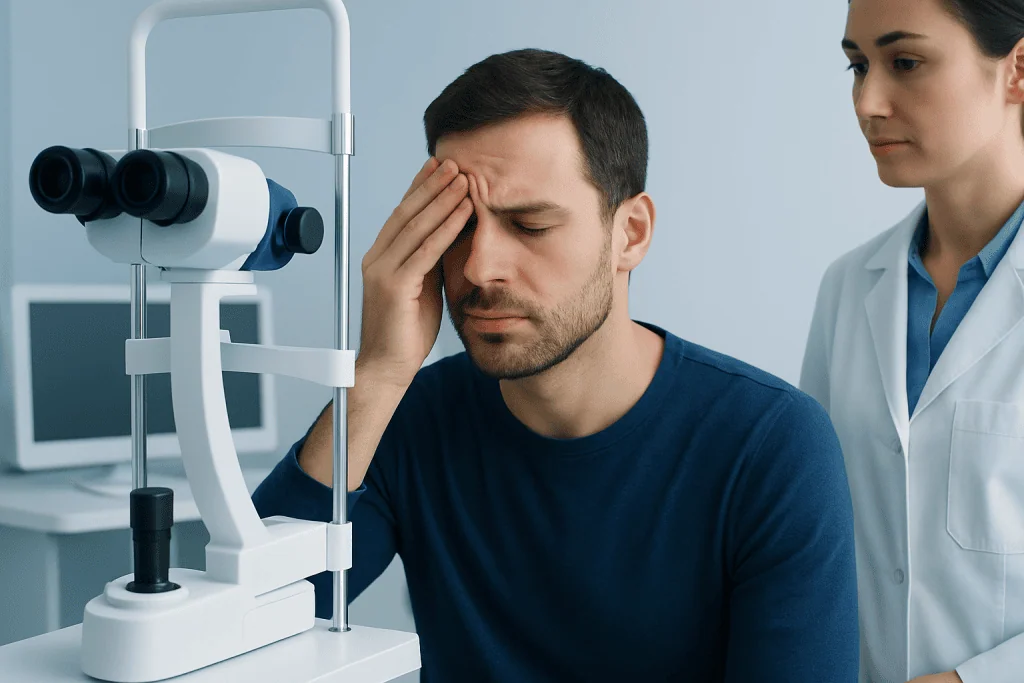
People describe headaches behind the eyes in different ways. Some feel a throbbing pain, which is often associated with migraine. Others notice a constant pressure or tight sensation, which may occur with tension-related headache or sinus congestion. The pain may affect one eye or both eyes, and it may stay localized or spread to the forehead, temples, cheeks, or back of the head.
Associated symptoms can provide important clues. Nausea, sensitivity to light or sound, and worsening pain with activity are more suggestive of migraine. Nasal congestion, facial pressure, or fever may point to sinus disease. Burning, dryness, and discomfort after long periods of screen use can occur with eye strain or dry eye. In neuro-ophthalmic disorders, symptoms may include pain with eye movement, dim vision, double vision, drooping of one eyelid, unequal pupils, or loss of part of the visual field.
Some symptoms are considered red flags and should not be ignored. These include sudden vision loss, sudden new double vision, severe eye redness with nausea, a new severe headache unlike usual headaches, headache after head trauma, or headache accompanied by weakness, confusion, or trouble speaking. These features do not confirm a serious diagnosis on their own, but they make prompt medical evaluation especially important.
- Blurred or dim vision
- Double vision
- Pain when moving the eyes
- Light sensitivity
- One-sided eyelid drooping
- Visual aura, flashing lights, or blind spots
Possible Causes of Headaches Behind the Eyes

One of the most common causes is migraine. Migraine pain can be felt behind one eye or both eyes and is often throbbing or pulsating. Some people also experience aura, including zigzag lines, flashing lights, or temporary blind spots. Although many headaches around the eyes are due to migraine, not every headache with eye pain is migraine, so the whole symptom picture matters.
Other common causes include tension-type headache, digital eye strain, uncorrected vision problems, dry eye, and sinus inflammation. Tension headaches may create a band-like pressure that seems to extend behind the eyes. Long hours of near work, poor lighting, or outdated glasses can increase discomfort around the eyes and forehead. Sinus-related pain tends to occur with congestion, facial fullness, or tenderness and may worsen when bending forward.
Less common but more specialized causes include optic neuritis, cranial nerve palsies, idiopathic intracranial hypertension, and inflammation around the eye or orbit. Optic neuritis may cause pain with eye movement and reduced vision, and it can require urgent assessment. Increased pressure around the brain can sometimes cause headache with brief visual dimming or double vision. Certain patients with persistent symptoms may also need evaluation for conditions such as brain tumors or vascular causes, depending on the examination findings and imaging results.
Eye conditions themselves can also cause pain, including acute glaucoma, uveitis, or corneal problems. These are not always neuro-ophthalmic disorders, but they can mimic neurological headache patterns. This is why coordinated assessment by eye specialists and neurologists is sometimes needed.
When Neuro-Ophthalmology Is Needed
Neuro-ophthalmology is especially useful when headache occurs together with symptoms involving vision or eye movement. A person may be referred if there is unexplained blurred vision, loss of color vision, visual field defects, double vision, drooping eyelid, pupil asymmetry, or abnormal eye alignment. These findings suggest that the problem may involve the optic nerve, cranial nerves, or the brain’s visual pathways rather than a routine eye surface issue.
Another reason for referral is persistent headache behind the eyes when routine eye exams are normal but symptoms continue. A neuro-ophthalmic evaluation can look for subtle signs of optic nerve swelling, pressure-related changes, nerve palsies, or disorders that affect visual processing. This type of assessment is particularly important when symptoms are new, progressive, or affecting daily activities such as reading, driving, or balance.
People with known neurological disorders may also need this specialty if they develop new eye symptoms. For example, patients with demyelinating disease, vascular risk factors, or previous head injury may need focused testing to determine whether headache and vision symptoms are connected. In selected cases, evaluation may overlap with care for migraine or related neurological conditions.
How Doctors Diagnose the Cause
Diagnosis starts with a detailed history. The doctor will ask when the headaches began, how long they last, whether the pain is throbbing or pressure-like, whether one or both eyes are involved, and what makes symptoms better or worse. Information about visual aura, double vision, eye redness, fever, recent infection, medication use, and family history of migraine can be very helpful.
The examination usually includes both eye and neurological checks. Vision is measured, pupils are assessed, eye movements are tested, and the optic nerve is examined. Doctors may also check visual fields, color vision, eyelid position, and whether there is eye misalignment. Depending on the symptoms, pressure inside the eye may be measured to help rule out glaucoma or other eye conditions.
Additional tests are chosen based on the suspected cause. Visual field testing can help identify blind spots or peripheral vision loss. Optical coherence tomography may be used to examine the optic nerve and retina. Blood tests may be needed if inflammation or infection is suspected. Imaging such as MRI scanning or CT can help assess the brain, optic nerves, eye sockets, or sinuses when symptoms suggest a structural or neurological cause.
Sometimes diagnosis also requires collaboration across specialties. A patient may need input from ophthalmology, neurology, ENT, or headache medicine depending on the most likely explanation. If the pattern suggests pressure-related or nerve-related disease, doctors may recommend a broader neurological evaluation and follow-up plan tailored to the person’s symptoms.
Treatment Options
Treatment depends entirely on the underlying cause. For migraine, care often includes identifying triggers, using appropriate acute medications, and considering preventive treatment if attacks are frequent or disabling. If visual symptoms are prominent, the doctor may assess whether they fit with migraine aura or whether another cause needs to be excluded first.
If eye strain, dry eye, or an uncorrected refractive error is contributing, treatment may involve updated glasses, better screen habits, more frequent visual breaks, lubrication for dry eyes, and improved lighting. Sinus-related headache may improve with treatment of infection, allergy, or nasal inflammation under the guidance of a qualified clinician. Eye diseases such as glaucoma or uveitis require prompt specialist care because treatment is different and should not be delayed.
Neuro-ophthalmic causes are managed according to the specific diagnosis. Optic nerve inflammation may require urgent medical treatment and neurological workup. Increased intracranial pressure may need imaging, monitoring, medication, and sometimes procedures to protect vision. Double vision caused by nerve palsy can require treatment of the underlying condition as well as temporary symptom relief measures. In selected situations, a patient may need brain and nerve surgery or treatment directed at orbital or nerve compression.
When evaluation points to a broader neurological condition, treatment may overlap with care pathways used in neurology services. Near the end of the care journey, some international patients may seek assessment in specialized centers; Acibadem International’s multidisciplinary specialists and JCI-accredited hospitals diagnose and treat neuro-ophthalmic conditions as part of coordinated care.
Prevention and Self-Care
Not every headache behind the eyes can be prevented, but many people can reduce episodes by paying attention to patterns. Good sleep habits, regular meals, hydration, stress management, and limiting prolonged screen time are often helpful. For those with migraine, identifying personal triggers such as missed meals, bright lights, poor sleep, or certain foods may reduce attacks over time.
Visual comfort also matters. Taking regular breaks during reading or computer work, adjusting screen brightness, correcting glare, and making sure prescription lenses are current can ease strain. Dry environments, air conditioning, and long periods without blinking may worsen discomfort, so eye lubrication and workplace adjustments can be useful for some people.
Self-care should remain sensible and safe. Overuse of pain relievers can sometimes worsen headache frequency, so repeated or escalating symptoms should be discussed with a doctor rather than managed only with frequent self-medication. Anyone who develops new visual symptoms, severe pain, or a clear change from their usual headache pattern should seek professional advice instead of assuming it is simple eye strain.
When to See a Doctor
A doctor should evaluate headaches behind the eyes if they are frequent, persistent, severe, or different from previous headaches. Medical assessment is also appropriate when symptoms interfere with work, reading, screen use, sleep, or daily comfort. Even when the cause is not serious, a proper diagnosis can help guide more effective treatment and prevent unnecessary worry.
Prompt or urgent care is important if headache is accompanied by sudden vision loss, sudden double vision, a drooping eyelid, severe eye redness, vomiting, confusion, fainting, weakness, numbness, fever, or symptoms after an injury. These signs can occur with eye emergencies, neurological problems, or infections that need timely treatment.
If standard eye exams have been normal but symptoms continue, referral to neuro-ophthalmology may be the next step. This is especially true when the main concern involves vision changes, pain with eye movement, or unexplained neurological symptoms. Early specialist assessment can help clarify whether the problem is related to migraine, the optic nerve, eye movement pathways, or another condition affecting the visual system.
Frequently asked questions
Are headaches behind the eyes usually caused by an eye problem?
Not always. Many cases are related to migraine, tension headache, sinus disease, or eye strain rather than a serious disease inside the eye. A doctor can help tell the difference, especially if vision changes are present.
What symptoms suggest I may need neuro-ophthalmology?
Neuro-ophthalmology is often considered when headache occurs with blurred vision, double vision, visual field loss, drooping eyelid, unequal pupils, or pain with eye movement. It can also be helpful when symptoms continue despite a routine eye exam that appears normal.
Can migraine cause pain behind one eye?
Yes. Migraine commonly causes throbbing or pressure-like pain behind one eye or around the eye region, often with light sensitivity, nausea, or visual aura. However, one-sided eye pain can also happen with other conditions, so persistent or unusual symptoms should be assessed.
Is sinus headache the same as a headache behind the eyes?
Sinus inflammation can cause pain or pressure around the eyes, forehead, and cheeks, but not every headache in this area is due to the sinuses. Migraine is often mistaken for sinus headache, especially when facial pressure is present.
What tests might be needed for headaches behind the eyes?
Testing may include a full eye exam, vision assessment, pupil and eye movement testing, visual field testing, and sometimes imaging such as MRI or CT. The exact tests depend on the pattern of symptoms and what the examination suggests.
When is a headache behind the eyes an emergency?
Urgent care is needed if there is sudden vision loss, new double vision, severe eye redness, a sudden very severe headache, neurological symptoms, or symptoms after trauma. These signs can indicate conditions that should be evaluated without delay.
References
- American Academy of Ophthalmology
- American Academy of Neurology
- National Eye Institute
- National Institute of Neurological Disorders and Stroke
- Mayo Clinic
This article is for general information only and is not a substitute for professional medical advice. Please consult a qualified doctor about your individual situation.
Explore treatments in Turkey — costs, top hospitals & a free quote
JCI-accredited · board-certified surgeons · reply within 24h
Add us as a Preferred Source to see more of our trusted health content across Google Search, AI Overviews and Discover.

More from the Health Library



Related Specialists

Dr. Ferhat Şamlı
Anesthesiology
Dr. Serkan Tokgönül
Aesthetic Plastic & Reconstructive Surgery
Hamdi Kandemir
Physical Medicine & Rehabilitation
Dr. Serdar Özdemir
Internal Medicine