Headaches That Wake You From Sleep: When to See a Specialist

Occasional nighttime headaches may have a simple explanation, but repeated episodes deserve medical attention. Common causes include migraine, cluster headache, sleep apnea, medication overuse, high blood pressure, and less commonly more serious conditions.
Key Takeaways
- Occasional nighttime headaches may have a simple explanation, but repeated episodes deserve medical attention.
- Common causes include migraine, cluster headache, sleep apnea, medication overuse, high blood pressure, and less commonly more serious conditions.
- Warning signs include sudden severe pain, weakness, confusion, fever, vision changes, or headaches that are new after age 50.
- Diagnosis often includes a detailed history, sleep review, neurological exam, and sometimes imaging or sleep testing.
- Treatment depends on the cause and may involve lifestyle changes, headache-specific therapy, and management of sleep or medical conditions.
Headaches that wake a person from sleep are not always dangerous, but they should not be ignored when they are frequent, severe, new, or linked to other symptoms. A careful medical evaluation can help identify whether the cause is a primary headache disorder, a sleep-related problem, medication use, or another health condition that needs treatment.
Overview
Headaches that wake a person from sleep can be unsettling. In many cases, they are caused by treatable conditions such as migraine, cluster headache, poor sleep, teeth grinding, medication effects, or sleep apnea. However, because sleep should normally be a restful period, headaches that repeatedly interrupt it deserve thoughtful attention.
Doctors look at the pattern of the pain, the time it occurs, how often it happens, and whether other symptoms come with it. A headache that wakes someone once during a stressful week is different from a headache that occurs several nights a week, becomes progressively worse, or is associated with vomiting, weakness, or changes in awareness.
Some nighttime headaches are primary headache disorders, meaning the headache itself is the main problem. Others are secondary headaches, meaning they are caused by another condition such as infection, elevated blood pressure, sinus disease, medication use, or a sleep disorder. Distinguishing between these possibilities is the main goal of evaluation.
Symptoms and Patterns Doctors Ask About
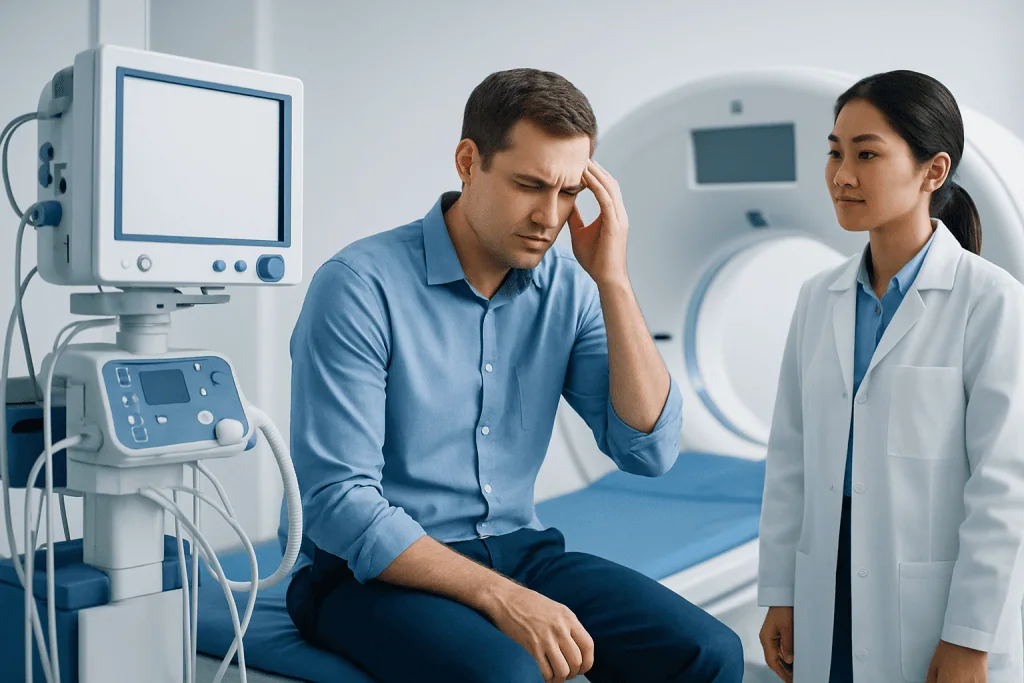
Not all nighttime headaches feel the same. Some are throbbing and accompanied by nausea or sensitivity to light, which can suggest migraine. Others are short, extremely intense attacks around one eye with tearing or nasal congestion, a pattern often seen with cluster headache. Some people describe a dull pressure in the morning after restless sleep, snoring, or gasping, which may point to sleep apnea.
The timing also matters. A headache that occurs around the same time each night may suggest a circadian pattern, which can happen with cluster headache and some other sleep-related headache disorders. Morning headaches may be linked to disrupted breathing, poor sleep quality, elevated carbon dioxide levels overnight, or medication and caffeine effects.
Doctors usually ask about associated symptoms such as nausea, vomiting, dizziness, vision changes, fever, neck stiffness, jaw pain, weakness, numbness, trouble speaking, and changes in balance or behavior. They also ask whether the headache improves after sitting up, drinking water, taking caffeine, or using pain medicine.
- Location: one side, both sides, around the eye, back of the head, or face
- Quality: throbbing, pressure, stabbing, burning, or explosive pain
- Duration: minutes, hours, or all morning
- Frequency: occasional, clustered over days, or chronic
- Triggers: alcohol, missed meals, stress, poor sleep, new medications, or sleeping position
Possible Causes and Risk Factors

Primary headache disorders are one major cause of headaches during sleep. Migraine may wake some people from sleep, especially when sleep is irregular. Cluster headache is especially well known for waking people abruptly, often with severe one-sided pain and eye or nasal symptoms. There is also a rare condition called hypnic headache, sometimes called an “alarm clock” headache, which occurs only during sleep and is more common in older adults.
Sleep-related conditions are another important group. Obstructive sleep apnea can cause morning headaches because breathing repeatedly pauses during sleep, lowering oxygen and disrupting normal rest. Poor sleep quality, insomnia, circadian rhythm disruption, and teeth grinding can also contribute. In some cases, a person may need assessment by a specialist in sleep apnea or other sleep disorders.
Secondary causes can include sinus inflammation, high blood pressure, dehydration, alcohol use, caffeine withdrawal, and medication overuse from frequent pain-reliever use. Hormonal changes, anxiety, depression, and neck muscle tension may also play a role. Less commonly, headaches that disturb sleep can be related to infections, bleeding, inflammation of blood vessels, increased pressure inside the skull, or tumors. These causes are much less common, but doctors screen for them carefully when red flags are present.
Risk factors include a personal or family history of headache disorders, irregular sleep schedules, obesity, snoring, smoking, heavy alcohol use, untreated high blood pressure, and frequent use of acute pain medicines. The risk profile helps guide whether the next step is headache-focused treatment, sleep evaluation, or broader medical testing.
When to See a Specialist
A specialist evaluation is appropriate when headaches wake a person from sleep repeatedly, become more severe, or do not fit a familiar pattern. This is especially important if the headaches are new, begin after age 50, or are associated with neurological symptoms. A neurologist or headache specialist can help determine whether the pattern suggests migraine, cluster headache, hypnic headache, sleep apnea, or another condition.
Urgent medical attention is needed for headaches with any warning signs. These include a sudden “worst headache” of life, fever, stiff neck, fainting, confusion, seizures, weakness, numbness, trouble speaking, new double vision, or headache after head injury. Headaches in people with cancer, immune suppression, pregnancy-related complications, or uncontrolled blood pressure also require prompt assessment.
It is also sensible to seek care if nighttime headaches interfere with work, daily functioning, mood, or sleep quality, or if over-the-counter pain medicines are needed often. Frequent self-treatment can sometimes worsen the problem by leading to rebound headaches.
- Seek urgent care for sudden severe headache or new neurological symptoms
- Arrange specialist review for headaches that recur at night for days or weeks
- See a doctor sooner if snoring, witnessed pauses in breathing, or excessive daytime sleepiness are present
- Keep a headache diary to support the consultation
How Diagnosis Is Made
Diagnosis starts with a detailed history. The clinician asks when the headaches began, what time they occur, how they feel, how long they last, and what helps or worsens them. Sleep habits, snoring, stress, caffeine, alcohol, menstrual history, medication use, and prior headache history are all relevant. A headache diary can be very helpful because patterns often become clearer over several weeks.
A physical and neurological examination is usually performed to look for clues such as abnormal eye movements, weakness, balance problems, signs of infection, or tenderness of the scalp, jaw, or neck. Blood pressure may be checked, and the doctor may review the nose, sinuses, and jaw if those causes are suspected.
Tests are not needed for every person, but they may be recommended if there are red flags or if the pattern is unusual. Brain imaging, commonly MRI, may be used to look for structural causes. A sleep study can help diagnose breathing-related sleep disorders, and blood tests may be used when inflammation, infection, or metabolic causes are considered. In selected cases, further neurological assessment may include EEG if episodes raise concern for seizures or unusual nighttime events rather than headache alone.
Treatment Options
Treatment depends on the cause. If the diagnosis is a primary headache disorder, management may include medicines to stop attacks, treatments to reduce how often they happen, and strategies to stabilize sleep and triggers. Migraine and cluster headache are treated differently, so an accurate diagnosis matters. In some patients, referral for neurology consultation helps tailor treatment to the pattern and medical history.
If a sleep disorder is contributing, treating the sleep problem may greatly improve the headaches. This can include weight management, positional strategies, sleep schedule correction, or specific therapy for obstructive sleep apnea. Teeth grinding may respond to dental evaluation, bite protection, and stress reduction measures. If medication overuse is involved, doctors usually create a supervised plan to reduce the offending medicines safely.
For secondary headaches, treatment is directed at the underlying cause. That may mean better blood pressure control, treating sinus disease or infection, adjusting medications, improving hydration, or addressing inflammatory or neurological conditions. The best approach is individualized, especially when more than one factor is contributing, such as migraine plus poor sleep.
Near the end of the care pathway, some patients benefit from multidisciplinary review. Acibadem International’s multidisciplinary specialists at JCI-accredited hospitals evaluate headache, sleep, and neurological conditions in international patients when coordinated specialist care is needed.
Prevention and Self-Care
Many people can reduce nighttime headaches by improving sleep regularity and identifying personal triggers. Going to bed and waking at the same time each day supports the body clock and may reduce headache susceptibility. Good hydration, regular meals, and limiting excess alcohol are also helpful. Caffeine can be useful for some headache types but may trigger others or cause withdrawal headaches if intake is inconsistent.
Sleep environment matters. A dark, quiet room, a supportive pillow, and attention to screen use before bed can improve sleep quality. People who snore loudly, wake gasping, or feel very sleepy during the day should mention these symptoms to a doctor, as they may indicate a treatable sleep disorder rather than simply “bad sleep.”
Stress management can also help. Relaxation techniques, breathing exercises, gentle physical activity, and structured routines may reduce both headache frequency and sleep disruption. It is best to avoid frequent, unsupervised use of pain medicine because regular use can maintain a cycle of recurrent headaches.
- Keep a diary of headache timing, sleep, food, stress, and medicines
- Maintain regular sleep and wake times, even on weekends
- Limit alcohol excess and avoid skipping meals
- Ask a doctor before using pain relievers on a frequent basis
What to Expect at a Specialist Visit
At a specialist appointment, the person can expect a careful review of symptoms and medical history rather than a single quick test. Bringing a list of medications, blood pressure readings if available, and details about sleep habits is useful. If a bed partner has noticed snoring, pauses in breathing, restlessness, or unusual movements, that information can be valuable.
The specialist may classify the headaches as likely primary or secondary and recommend a stepwise plan. This may include lifestyle changes, headache-specific treatment, sleep evaluation, imaging, or follow-up to watch for changes over time. The aim is to identify the cause accurately while avoiding unnecessary testing.
Most nighttime headaches are manageable once the pattern is understood. Prompt evaluation is especially worthwhile when the headaches are new, frequent, severe, or paired with other symptoms. Early assessment often brings reassurance as well as a more effective treatment plan.
Frequently asked questions
Are headaches that wake someone from sleep always serious?
No. Many nighttime headaches are related to migraine, cluster headache, poor sleep, teeth grinding, or sleep apnea rather than a dangerous illness. Still, repeated or new nighttime headaches should be assessed by a doctor, especially if they are worsening or come with other symptoms.
What type of headache most commonly wakes people up at night?
Several types can do this, but cluster headache is particularly known for waking people from sleep at a consistent time. Migraine and the rarer hypnic headache can also occur during sleep, and morning headaches may be linked to sleep apnea.
Can sleep apnea cause morning or nighttime headaches?
Yes. Obstructive sleep apnea can lead to headaches on waking because breathing interruptions disturb sleep and affect oxygen and carbon dioxide balance overnight. People who snore loudly, stop breathing during sleep, or feel very sleepy during the day should discuss this with a doctor.
When should a person seek emergency help for a nighttime headache?
Emergency care is important for a sudden severe headache, headache after head injury, or headache with fever, neck stiffness, fainting, seizure, confusion, weakness, numbness, trouble speaking, or vision loss. These features can signal a more urgent medical problem.
What tests might a specialist order?
Not everyone needs testing. Depending on the history and examination, a specialist may recommend brain imaging, blood tests, or a sleep study, especially if there are red flags or signs of a sleep-related breathing disorder.
Can over-the-counter pain medicines make nighttime headaches worse?
They can if they are used too often. Frequent use of pain relievers may contribute to medication-overuse headache, which can make headaches more frequent and harder to control. A doctor can help create a safer treatment plan.
References
- American Headache Society
- National Institute of Neurological Disorders and Stroke
- American Academy of Sleep Medicine
- Mayo Clinic
- World Health Organization
This article is for general information only and is not a substitute for professional medical advice. Please consult a qualified doctor about your individual situation.
Explore treatments in Turkey — costs, top hospitals & a free quote
JCI-accredited · board-certified surgeons · reply within 24h
Add us as a Preferred Source to see more of our trusted health content across Google Search, AI Overviews and Discover.
Check your numbers in seconds
BMI, calories, due date, blood pressure and 30+ more clinical calculators — free, instant, doctor-reviewed ranges.

More from the Health Library



Related Specialists

Prof. Dr. Barış Kocaoğlu
Orthopedic Surgery & Traumatology
Prof. Dr. Tansu Karaahmet
Cardiology
Prof. Dr. Ali Rıza Kural
Urology
Assoc. Prof. Dr. Mehmet Sürmeli
Otorhinolaryngology