Hearing Loss: Common Causes, Hearing Tests, and Treatment Choices

Hearing loss may be conductive, sensorineural, mixed, or related to how the brain processes sound. Common causes include aging, noise exposure, earwax blockage, ear infections, certain medicines, and inner ear conditions.
Key Takeaways
- Hearing loss may be conductive, sensorineural, mixed, or related to how the brain processes sound.
- Common causes include aging, noise exposure, earwax blockage, ear infections, certain medicines, and inner ear conditions.
- A hearing test is painless and usually includes a physical ear examination, pure-tone testing, speech testing, and sometimes middle ear tests.
- Treatment may include earwax removal, medicines or procedures for ear disease, hearing aids, cochlear implants, assistive devices, and communication support.
- Sudden hearing loss, hearing loss with dizziness, severe ear pain, ear discharge, or one-sided symptoms should be assessed promptly by a doctor.
Hearing loss can affect communication, learning, work, safety, and quality of life, but many causes can be identified and managed. A hearing test helps determine the type and degree of hearing loss so that treatment can be tailored to each person.
Overview
Hearing loss means a person has reduced ability to hear sounds in one or both ears. It may be mild, moderate, severe, or profound, and it can develop gradually or suddenly. Some people notice that speech sounds muffled, while others find it difficult to follow conversations in restaurants, meetings, classrooms, or on the phone.
Hearing is a step-by-step process. Sound travels through the outer ear and ear canal to the eardrum, then through the tiny bones of the middle ear to the inner ear. The inner ear converts sound vibrations into nerve signals, which travel through the hearing nerve to the brain. A problem at any point in this pathway can lead to hearing loss.
Hearing loss is common across all ages. In children, it may affect speech and language development if not recognized early. In adults, untreated hearing loss may increase listening effort and make social situations more tiring. The reassuring message is that many people improve their daily communication with proper diagnosis, treatment, hearing technology, and practical support.
Types of Hearing Loss
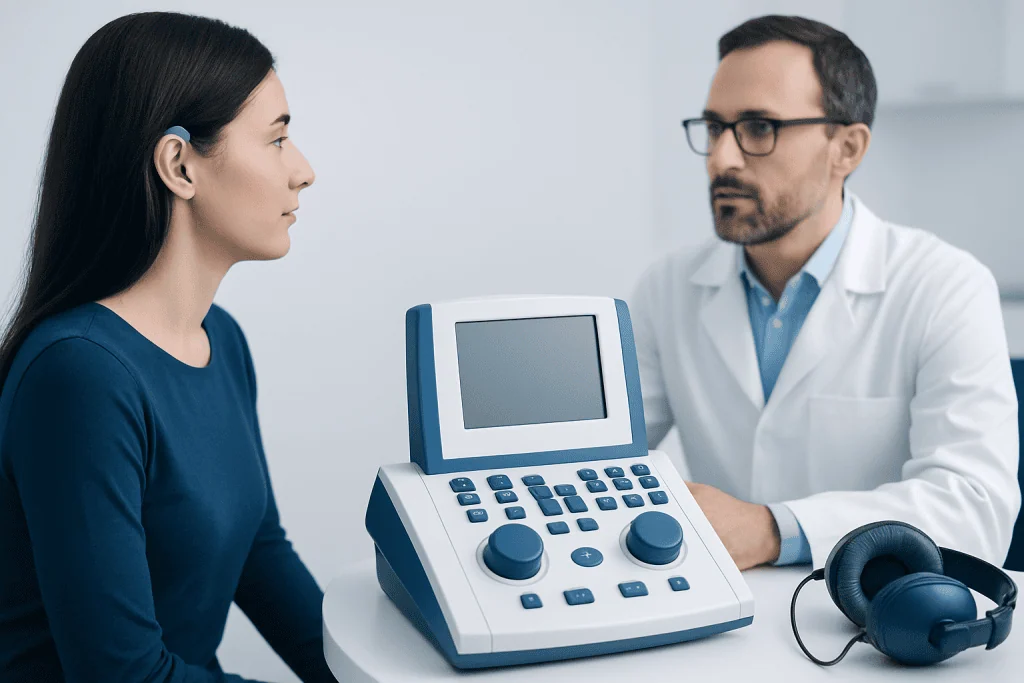
Doctors classify hearing loss according to where the problem occurs. This classification helps guide treatment. The main types are conductive, sensorineural, mixed, and auditory processing-related hearing difficulties.
Conductive hearing loss occurs when sound cannot travel efficiently through the outer or middle ear. Common examples include earwax blockage, fluid behind the eardrum, ear infections, a hole in the eardrum, or problems with the middle ear bones. Conductive hearing loss is often temporary or treatable, depending on the cause.
Sensorineural hearing loss results from damage or reduced function in the inner ear, the hearing nerve, or related nerve pathways. It is often associated with aging, long-term noise exposure, inherited factors, certain medications, or inner ear disorders. This type is usually permanent, but hearing aids, cochlear implants, and rehabilitation can often help significantly.
Mixed hearing loss means both conductive and sensorineural components are present. A person may have age-related inner ear changes and also develop earwax blockage or middle ear fluid. Auditory processing difficulties are different: the ears may detect sound, but the brain has difficulty interpreting it, especially in noisy environments.
Common Symptoms

Hearing loss can be subtle at first. A person may hear that someone is speaking but miss parts of words, especially consonants. Family members may notice the television volume is higher than before, or that the person often asks others to repeat themselves.
Symptoms can vary depending on the type and cause of hearing loss. Some signs are related to sound clarity, while others are linked to ear pressure, ringing, or balance. Common symptoms include:
- Difficulty understanding speech, especially with background noise
- Frequently asking people to repeat themselves
- Turning one ear toward the speaker
- Muffled hearing or a blocked ear sensation
- Ringing, buzzing, or hissing sounds in the ear, known as tinnitus
- Difficulty hearing on the phone or in group conversations
- Ear pain, drainage, pressure, or dizziness in some cases
In children, signs may include delayed speech, not responding to sounds, needing instructions repeated, learning difficulties, or turning up devices loudly. Because children may not be able to describe hearing problems clearly, routine hearing screening and attention to developmental milestones are important.
Causes and Risk Factors
Hearing loss has many possible causes. Some are temporary and reversible, such as earwax buildup or fluid from an ear infection. Others are long-term and may develop gradually, such as age-related hearing loss or damage from repeated loud noise exposure.
Outer and middle ear causes include excessive earwax, foreign objects in the ear canal, swimmer’s ear, middle ear infection, fluid behind the eardrum, eardrum perforation, and otosclerosis, a condition that affects the tiny bones of hearing. These conditions may cause conductive hearing loss and may be associated with ear fullness, pain, or pressure.
Inner ear and nerve-related causes include aging, exposure to loud music or workplace noise, sudden sensorineural hearing loss, Ménière’s disease, head injury, some viral infections, and certain medicines that can affect hearing. Genetic factors can also play a role, either from birth or later in life.
Risk factors include frequent loud noise exposure without protection, a family history of hearing loss, recurrent ear infections, diabetes, cardiovascular disease, smoking, and use of ototoxic medications when medically necessary. People who work in construction, aviation, manufacturing, music, or military settings may have a higher risk of noise-related hearing damage.
How Hearing Loss Is Diagnosed
Diagnosis begins with a medical history and ear examination. The doctor may ask when the hearing change started, whether one or both ears are affected, and whether there is tinnitus, dizziness, pain, discharge, noise exposure, or medication use. An otoscope is used to look into the ear canal and check for earwax, infection, eardrum changes, or other visible causes.
A hearing test, also called audiometry, measures how well a person hears different sounds. Pure-tone audiometry checks the softest sounds a person can hear at different pitches. Results are plotted on an audiogram, which helps show the degree and pattern of hearing loss. Speech audiometry measures how well words are detected and understood.
Additional tests may be recommended depending on the situation. Tympanometry checks how the eardrum moves and can help detect middle ear fluid, eardrum stiffness, or pressure problems. Otoacoustic emissions may be used for newborns and some children. Auditory brainstem response testing may be used when a person cannot complete standard testing or when nerve pathway assessment is needed.
Imaging, such as MRI or CT, is not needed for every person with hearing loss. It may be considered for sudden hearing loss, one-sided or asymmetric hearing loss, suspected tumors, inner ear malformations, trauma, or complex middle ear disease. The goal is to match the diagnostic approach to the person’s symptoms and examination findings.
Treatment Options
Treatment depends on the cause, type, degree, and personal impact of hearing loss. If earwax is blocking the ear canal, safe removal by a trained clinician may restore hearing. Ear infections, fluid, or inflammation may be treated with observation, medicines, or procedures, depending on the diagnosis and age of the patient.
For many people with sensorineural hearing loss, hearing aids are the main treatment. Modern hearing aids are digital devices that can amplify speech, reduce some background noise, and connect to phones or other devices. They do not restore normal hearing, but with proper fitting and practice, they can make communication easier and reduce listening fatigue.
Cochlear implants may be considered for people with severe to profound sensorineural hearing loss who do not receive enough benefit from hearing aids. These devices bypass damaged parts of the inner ear and directly stimulate the hearing nerve. Evaluation includes hearing tests, medical assessment, imaging when needed, and counseling about expected benefits and rehabilitation.
Other options include bone conduction hearing systems for selected conductive or mixed losses, assistive listening devices, captioned telephones, TV listening systems, and classroom sound systems. Speechreading, communication strategies, tinnitus counseling, and auditory rehabilitation can also be helpful. The best plan often combines medical care, hearing technology, and support from audiology and ENT specialists.
Prevention and Self-Care
Not all hearing loss can be prevented, but healthy habits can reduce risk. Protecting the ears from loud noise is one of the most important steps. If a person must raise their voice to be heard at arm’s length, the environment may be loud enough to cause damage over time.
Practical prevention steps include using well-fitted earplugs or earmuffs in noisy settings, taking listening breaks, and keeping personal audio devices at a moderate volume. People exposed to occupational noise should follow workplace hearing conservation guidance and have regular hearing checks when recommended.
Ear care is also important. Cotton swabs and other objects should not be inserted into the ear canal because they can push wax deeper or injure the eardrum. People who develop frequent wax buildup can ask a clinician about safe cleaning methods. Ear pain, drainage, or repeated infections should be evaluated rather than treated repeatedly without a diagnosis.
For people already living with hearing loss, self-care includes using hearing devices consistently if prescribed, keeping follow-up appointments for adjustments, and telling family members what helps. Good communication habits include facing the speaker, reducing background noise, asking for key information to be rephrased, and using captions or written notes when helpful.
When to See a Doctor
A person should arrange a medical or audiology assessment if hearing changes interfere with conversation, work, school, safety, or social activities. Gradual hearing loss should not be dismissed as simply part of aging, because proper evaluation can identify treatable causes and useful support options.
Prompt medical attention is especially important for sudden hearing loss, hearing loss in one ear, hearing loss with dizziness or imbalance, severe ear pain, ear discharge, head injury, facial weakness, or new neurological symptoms. Sudden sensorineural hearing loss is time-sensitive and should be assessed as soon as possible.
Children should be evaluated if parents, teachers, or caregivers notice speech delay, poor response to sound, frequent ear infections, or learning concerns. Newborn hearing screening is valuable, but later hearing problems can still develop, so ongoing observation matters.
International patients who need evaluation may seek care at centers with ENT, audiology, imaging, and rehabilitation services working together. Acibadem International’s multidisciplinary specialists and JCI-accredited hospitals diagnose and treat hearing loss for international patients, including hearing tests, medical treatment, and hearing device planning when appropriate.
Frequently asked questions
Can hearing loss be reversed?
Some types of hearing loss can improve when the underlying cause is treated, such as earwax blockage, middle ear fluid, or certain infections. Sensorineural hearing loss is often permanent, but hearing aids, cochlear implants, and communication support can improve hearing function and quality of life.
What happens during a hearing test?
A hearing test is painless and usually takes place in a quiet room or sound booth. The person listens to tones and speech through headphones and responds when they hear sounds. The results show the type and degree of hearing loss and help guide treatment.
Are hearing aids only for older adults?
No. Hearing aids can help children, teenagers, and adults when hearing loss affects communication. The decision depends on hearing test results, listening needs, ear health, and personal preferences.
Is tinnitus always a sign of hearing loss?
Tinnitus is often associated with hearing loss, but it can also occur with normal hearing tests, earwax, medication effects, stress, or other ear conditions. A medical and hearing evaluation can help identify possible causes and management options.
When is sudden hearing loss urgent?
Sudden hearing loss, especially in one ear, should be assessed promptly by a doctor or ENT specialist. Early evaluation is important because some causes require time-sensitive treatment, and hearing tests can help confirm the diagnosis.
How can families communicate better with someone who has hearing loss?
Helpful steps include speaking face to face, reducing background noise, using clear speech rather than shouting, and checking that important information was understood. Captions, written reminders, and properly adjusted hearing devices can also make communication easier.
References
- World Health Organization
- American Academy of Otolaryngology-Head and Neck Surgery
- National Institute on Deafness and Other Communication Disorders
- American Speech-Language-Hearing Association
- NHS
This article is for general information only and is not a substitute for professional medical advice. Please consult a qualified doctor about your individual situation.
Explore treatments in Turkey — costs, top hospitals & a free quote
JCI-accredited · board-certified surgeons · reply within 24h
Add us as a Preferred Source to see more of our trusted health content across Google Search, AI Overviews and Discover.

Related Treatments
Related Conditions
More from the Health Library



Related Specialists

Prof. Dr. Nazim Korkut
Otorhinolaryngology
Prof. Dr. Hasan M. Tanyeri
Ear Nose & Throat
Prof. Dr. Güler Berkiten
Otorhinolaryngology
Assoc. Prof. Dr. A. Erdem Kilavuz
Ear Nose & Throat