

Heart Attack Recovery: What to Expect in the Days and Weeks After

Recovery after a heart attack varies from person to person and depends on the size of the heart attack and overall health. The first days and weeks often include fatigue, emotional ups and downs, medicines, and careful activity planning.
Key Takeaways
- Recovery after a heart attack varies from person to person and depends on the size of the heart attack and overall health.
- The first days and weeks often include fatigue, emotional ups and downs, medicines, and careful activity planning.
- Cardiac rehabilitation can improve strength, confidence, and long-term heart health.
- Taking medicines exactly as prescribed is an important part of preventing another heart event.
- New chest pain, shortness of breath, fainting, or worsening symptoms need urgent medical attention.
Heart attack recovery is a gradual process that continues after leaving the hospital. Most people need a combination of rest, medicines, follow-up care, and healthy lifestyle changes to heal safely and regain confidence.
Overview of Heart Attack Recovery
Heart attack recovery begins as soon as emergency treatment is given, but healing continues long after the immediate danger has passed. In the hospital, doctors focus on restoring blood flow, protecting the heart muscle, monitoring complications, and starting medicines that support recovery. Once a person is stable, the next stage is rebuilding strength and reducing the risk of another heart event.
The recovery timeline is different for everyone. Some people feel stronger within a few weeks, while others need longer, especially if the heart attack was severe or if there are other conditions such as diabetes, kidney disease, or heart failure. Age, previous heart disease, and the type of treatment received can also influence how recovery feels.
It is common for recovery to involve both physical and emotional adjustment. A person may feel grateful to be home but also tired, worried, or uncertain about what is safe to do. Clear guidance from the care team, support from loved ones, and regular follow-up visits can make this period more manageable and reassuring.
What to Expect in the First Days After a Heart Attack
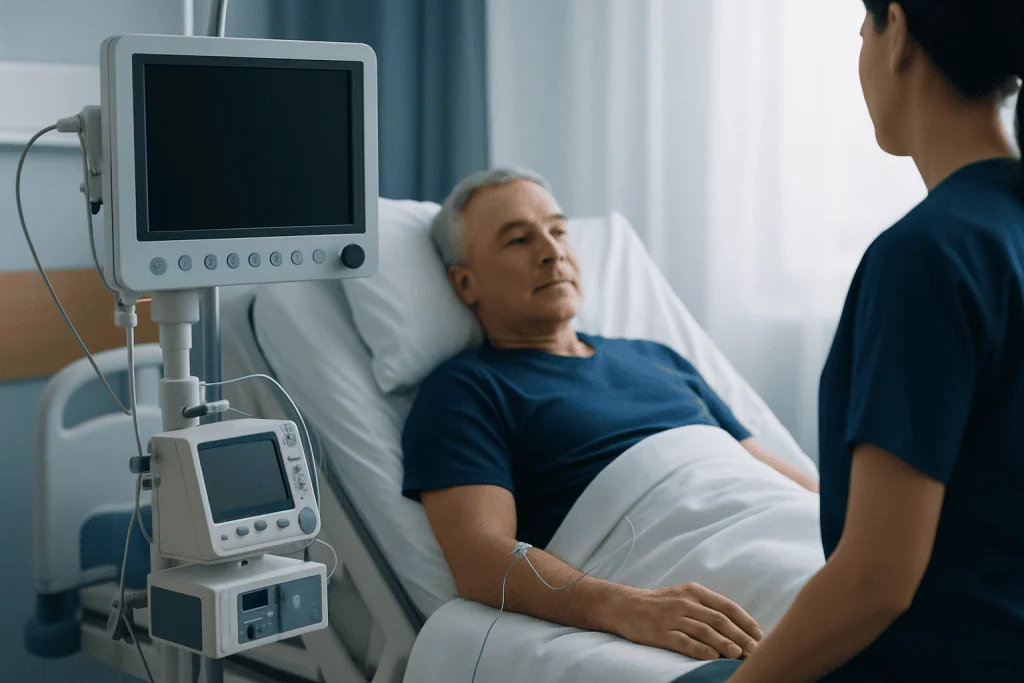
In the first days after a heart attack, tiredness is very common. The body is healing, and the heart has been under stress. Many people also notice mild discomfort around the chest or where a catheter was inserted if they had an angiogram or stent procedure. Sleep may be disrupted in the hospital, and appetite can take time to return.
Doctors and nurses usually begin recovery planning early. This often includes checking blood pressure, heart rhythm, oxygen levels, and how well the heart is pumping. Patients are usually encouraged to sit up, walk short distances, and begin gentle movement as soon as it is safe. This helps improve circulation and lowers the risk of complications from too much bed rest.
Before discharge, the care team often reviews medicines, warning signs, follow-up appointments, and activity limits. Some people go home within a few days, while others stay longer if they need closer monitoring or additional procedures. In many cases, treatment may include coronary angiography to assess blocked arteries or coronary angioplasty to reopen them.
Symptoms and Feelings During the Weeks After

During the first few weeks, many people experience low energy, reduced stamina, and the need for more rest than usual. This does not always mean something is wrong. The heart and the rest of the body are recovering from a major event, and activities that once felt easy may temporarily feel more tiring. Gentle progress is usually safer than trying to return to normal too quickly.
Emotional symptoms are also common. A person may feel anxious about another heart attack, become more aware of normal body sensations, or feel sad, tearful, or irritable. These reactions are understandable after a life-changing event. Talking with family, a doctor, or a counselor can help, and formal cardiac rehabilitation often provides practical support and reassurance.
Some symptoms should not be ignored. The care team should be told about swelling in the legs, increasing shortness of breath, palpitations, dizziness, or symptoms that suggest heart failure, especially if they are getting worse. Ongoing or returning chest pressure, pain spreading to the arm or jaw, or sudden severe breathlessness needs urgent evaluation.
Medicines, Follow-Up Care, and Monitoring
After a heart attack, most people are prescribed several medicines to protect the heart and reduce the chance of future problems. These may include antiplatelet medicines, cholesterol-lowering therapy, blood pressure medicines, and drugs that help the heart work more efficiently. Each medicine has a specific role, so it is important to take them exactly as prescribed and not stop them without medical advice.
Follow-up appointments are a key part of heart attack recovery. During these visits, doctors review symptoms, blood pressure, heart rate, cholesterol, and how well medicines are working. They may also adjust treatment if side effects occur. Questions about driving, work, exercise, travel, and sexual activity are often discussed at these appointments because the timing can differ depending on the person’s condition.
Some people need additional tests to understand how well the heart has recovered. These can include blood tests, electrocardiograms, echocardiography, or other forms of cardiac imaging. If rhythm problems are suspected, doctors may also check for issues related to arrhythmia and decide whether more monitoring is needed.
Treatment Options That Support Recovery
Heart attack recovery is not only about rest. It also includes medical treatment aimed at preventing another blockage and supporting the heart as it heals. Depending on the cause of the heart attack, treatment may involve medicines alone or procedures to improve blood flow. Some people have already had a stent placed, while others may need further planning after leaving the hospital.
Cardiac rehabilitation is one of the most important parts of recovery. This is a supervised program that combines safe exercise, education, nutrition support, and counseling about heart-healthy habits. It helps people regain confidence, return to daily activities, and understand how to reduce future risk. For many patients, it also improves mood and makes recovery feel more structured.
In some cases, more advanced treatment may be needed if there are severe blockages or ongoing symptoms. Doctors may discuss options such as coronary artery bypass surgery when this is the best way to restore blood flow. Treatment decisions are based on the person’s symptoms, test results, overall health, and the condition of the coronary arteries.
Lifestyle Changes, Self-Care, and Safe Activity
Healthy daily habits play a major role in long-term recovery. Stopping smoking, eating a heart-healthy diet, taking medicines regularly, and being physically active within the limits advised by the care team can all help protect the heart. Small, consistent changes are often more realistic and sustainable than dramatic changes made all at once.
Physical activity usually returns gradually. Walking is often recommended first, with time and intensity increased step by step. Heavy lifting and strenuous exercise may need to wait until the doctor says they are safe. Many people also ask when they can go back to work. The answer depends on the type of work they do, how their heart is functioning, and whether symptoms are under control.
Good self-care also includes sleep, stress management, and understanding personal triggers. Helpful strategies may include relaxation exercises, limiting alcohol if advised, keeping follow-up appointments, and checking in with family or support groups. A written plan for medicines, meals, daily walks, and warning signs can make recovery feel less overwhelming.
When to See a Doctor Urgently
Urgent medical care is needed if symptoms suggest another heart problem or a complication. Warning signs include chest pain or pressure that does not go away with rest, pain spreading to the shoulder, arm, back, neck, or jaw, severe shortness of breath, fainting, or sudden sweating with nausea. These symptoms should not be watched at home to see if they improve.
A doctor should also be contacted promptly for symptoms that are less dramatic but still concerning. These can include a rapid or irregular heartbeat, worsening swelling in the feet or ankles, unusual fatigue that is getting worse rather than better, or trouble breathing when lying flat. Side effects from medicines, such as significant dizziness, bleeding, or rash, also need medical review.
For international patients or those seeking coordinated follow-up, multidisciplinary specialists can guide treatment, rehabilitation, and long-term prevention. Acibadem International’s JCI-accredited hospitals care for patients with heart conditions and support diagnosis and treatment planning after a heart attack in collaboration with cardiology teams.
Frequently asked questions
How long does heart attack recovery usually take?
Recovery time can vary widely depending on how much heart muscle was affected, what treatment was given, and a person's overall health. Some people feel noticeably better within a few weeks, while others need several months to rebuild strength and adjust to medicines and lifestyle changes.
Is it normal to feel tired after a heart attack?
Yes. Fatigue is very common in the days and weeks after a heart attack because the body is healing and the heart has been under stress. Energy levels usually improve gradually, but worsening fatigue or fatigue with shortness of breath should be discussed with a doctor.
When can someone exercise again after a heart attack?
Exercise usually restarts gradually, often beginning with short walks and increasing under medical guidance. Cardiac rehabilitation is often the safest and most effective way to return to activity because it is supervised and tailored to the person's condition.
Can emotional changes happen during heart attack recovery?
Yes. Anxiety, low mood, irritability, and fear of another heart problem are all common after a heart attack. These feelings are valid, and support from healthcare professionals, family, counseling, or rehabilitation programs can be helpful.
Why are so many medicines prescribed after a heart attack?
Different medicines do different jobs, such as helping prevent blood clots, lowering cholesterol, controlling blood pressure, and reducing strain on the heart. Taking them as prescribed is an important part of recovery and can lower the risk of another heart event.
When should someone seek emergency help after going home?
Emergency help is needed for chest pain or pressure, sudden severe shortness of breath, fainting, or symptoms similar to the original heart attack. It is safer to seek urgent assessment than to wait and hope serious symptoms will pass.
References
- World Health Organization
- American Heart Association
- European Society of Cardiology
- National Heart, Lung, and Blood Institute
- Centers for Disease Control and Prevention
This article is for general information only and is not a substitute for professional medical advice. Please consult a qualified doctor about your individual situation.
Heart care in Turkey — expert evaluation and treatment
JCI-accredited · board-certified surgeons · reply within 24h
Add us as a Preferred Source to see more of our trusted health content across Google Search, AI Overviews and Discover.
Check your numbers in seconds
BMI, calories, due date, blood pressure and 30+ more clinical calculators — free, instant, doctor-reviewed ranges.

More from the Health Library


Related Specialists

Dr. Işıl Avcı
Physical Medicine & Rehabilitation
Assoc. Prof. Dr. Hepsen Mine Serin
Pediatrics
Dr. Onur Öztürk
Neurosurgery
Dr. Mehmet Tayfun Osmanağaoğlu
Gynecology & Obstetrics