Heart Attack Symptoms Explained: Common Triggers and Red Flags
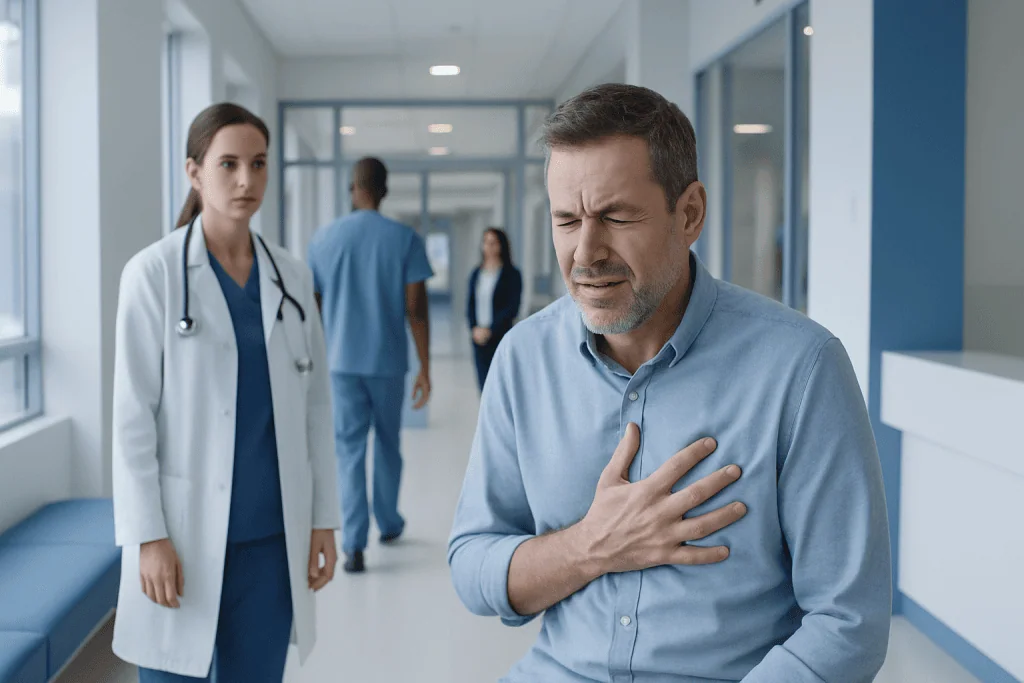
Heart attack symptoms often involve chest pressure, tightness, or heaviness, but not everyone has severe chest pain. Symptoms may also include shortness of breath, sweating, nausea, unusual fatigue, dizziness, or pain spreading to the arm, jaw, back, or shoulder.
Key Takeaways
- Heart attack symptoms often involve chest pressure, tightness, or heaviness, but not everyone has severe chest pain.
- Symptoms may also include shortness of breath, sweating, nausea, unusual fatigue, dizziness, or pain spreading to the arm, jaw, back, or shoulder.
- Women, older adults, and people with diabetes may have less typical or milder symptoms.
- A heart attack is a medical emergency; symptoms lasting more than a few minutes or returning after resting need urgent evaluation.
- Risk factors such as smoking, high blood pressure, diabetes, high cholesterol, and family history increase the likelihood that symptoms are heart-related.
Heart attack symptoms commonly include chest pressure or pain, shortness of breath, sweating, nausea, and discomfort in the arm, jaw, back, or upper stomach. Symptoms can be sudden or subtle, and prompt medical care is important because early treatment can reduce heart damage and improve recovery.
Overview: what heart attack symptoms usually feel like
Heart attack symptoms usually involve discomfort caused by reduced blood flow to part of the heart muscle. The most recognized symptom is chest pressure, squeezing, fullness, or pain, but a heart attack does not always feel dramatic. Some people describe a heavy weight on the chest, while others notice breathlessness, sweating, nausea, or pain that spreads to the jaw, back, shoulder, or arm.
Symptoms can begin suddenly or build gradually over minutes or even hours. They may come and go, and they do not always match the classic image of severe left-sided chest pain. For this reason, it is important to take new, unexplained chest discomfort or related symptoms seriously, especially in people with cardiovascular risk factors or a history of coronary artery disease.
A heart attack happens when blood flow in a coronary artery is blocked enough to injure heart tissue. Fast treatment matters because restoring circulation quickly can limit damage. Even when symptoms seem mild, a medical evaluation is the safest way to determine whether they are related to the heart.
Common symptoms and less typical warning signs
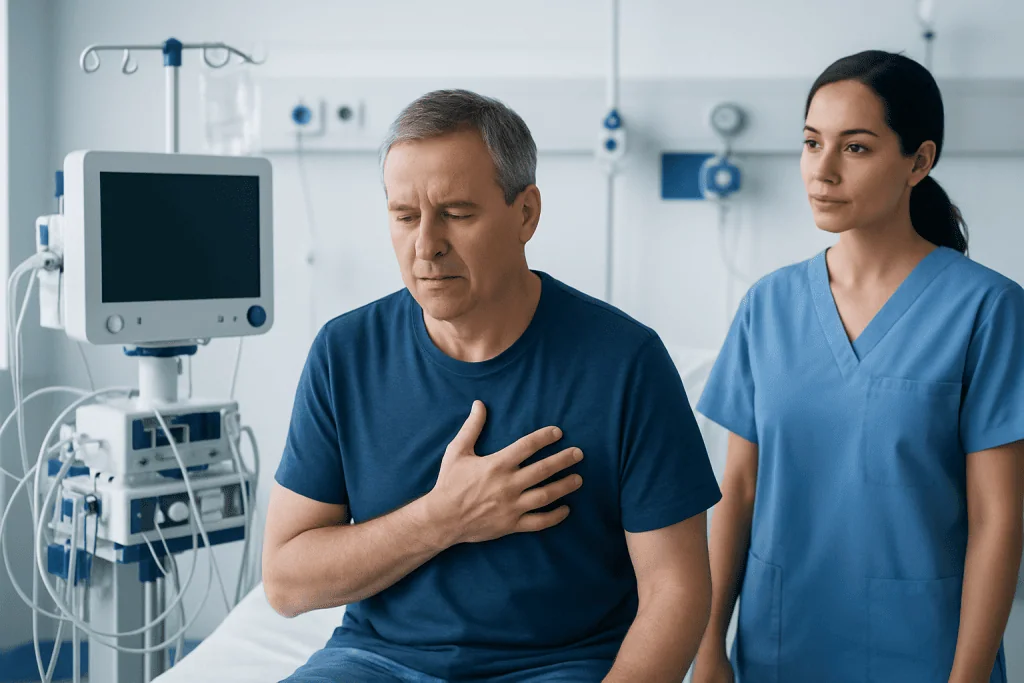
The most common heart attack symptom is chest discomfort. Many people do not describe it as sharp pain. Instead, they report pressure, tightness, burning, squeezing, aching, or a feeling of fullness in the center or left side of the chest. The discomfort may last several minutes, fade, and then return.
Other common symptoms include shortness of breath, cold sweat, nausea, lightheadedness, or sudden weakness. Pain or discomfort may spread beyond the chest to the left or right arm, shoulders, neck, jaw, upper back, or upper abdomen. Some people feel unusually unwell without being able to identify one specific symptom.
Less typical symptoms are especially important because they may be overlooked. These can include indigestion-like discomfort, marked fatigue, dizziness, or a vague sense of pressure in the throat or upper chest. In some cases, symptoms are subtle enough to be mistaken for anxiety, muscle strain, reflux, or exhaustion.
- Chest pressure, tightness, heaviness, or pain
- Shortness of breath at rest or with mild activity
- Pain spreading to the arm, jaw, shoulder, neck, or back
- Nausea, sweating, or lightheadedness
- Unusual fatigue or a sense that something is very wrong
Who may have different or subtle symptoms

Heart attack symptoms are not the same in every person. Women may be more likely to report shortness of breath, nausea, back or jaw pain, unusual tiredness, or sleep disturbance along with or instead of obvious chest pain. Older adults may have milder symptoms, confusion, weakness, or breathlessness rather than intense chest discomfort.
People with diabetes can experience reduced pain sensation because of nerve involvement, which may contribute to a so-called silent heart attack. In these cases, symptoms may be faint, such as fatigue, sweating, mild pressure, or unexplained shortness of breath. This is one reason people with diabetes and other cardiovascular risks should not ignore new symptoms that feel out of proportion to routine exertion.
People who have previously had angina, heart rhythm disorders, or known heart disease may also struggle to tell whether new symptoms represent a worsening condition. A change in pattern matters. Pain that feels stronger, lasts longer, happens at rest, or appears with additional symptoms such as sweating or nausea deserves urgent attention.
Common triggers and why symptoms can appear suddenly
Heart attack symptoms are usually caused by a sudden reduction in blood flow through a coronary artery, often when a cholesterol plaque ruptures and a clot forms. In many cases, there is no clear external trigger. Symptoms can begin during activity, emotional stress, exposure to cold, or after a heavy meal, but they can also start during rest or sleep.
Exertion may bring on symptoms because the heart needs more oxygen during physical activity. If the coronary arteries are narrowed, that increased demand can uncover a problem. Emotional stress can have a similar effect by raising heart rate and blood pressure. Smoking, stimulant drug use, and severe dehydration may also contribute in some situations.
Long-term risk factors make heart-related symptoms more likely. These include high blood pressure, high cholesterol, diabetes, smoking, obesity, chronic kidney disease, older age, family history of early heart disease, and limited physical activity. Conditions affecting the coronary arteries may sometimes require medical therapies or procedures such as coronary angiography or angioplasty and stent treatment after assessment.
How doctors tell a heart attack from other causes of chest pain
Not all chest pain is caused by a heart attack. Reflux, muscle strain, panic attacks, inflammation around the lungs, and other conditions can feel similar. However, chest symptoms should never be self-diagnosed when there is a possibility of a heart emergency. The pattern of discomfort, associated symptoms, risk factors, and physical examination all help guide the evaluation.
Doctors usually begin with an electrocardiogram (ECG) to look for electrical changes in the heart and blood tests that measure cardiac biomarkers, such as troponin, which may rise when heart muscle is injured. Blood pressure, oxygen levels, heart rhythm, and symptom timing are also reviewed carefully. If needed, imaging or stress-related testing may be used after the immediate emergency is addressed.
Because heart attack symptoms can overlap with other urgent conditions, emergency teams may also consider problems such as pulmonary embolism, aortic disease, or severe arrhythmias. In some cases, specialists may recommend a cardiac check-up or further cardiovascular evaluation once the person is stable.
Treatment after symptoms begin
When heart attack symptoms are suspected, the main goal of treatment is to restore blood flow quickly and protect the heart muscle. Emergency care may include monitoring, oxygen in selected cases, medicines to reduce clotting or relieve symptoms, and procedures to open a blocked artery when appropriate. The exact treatment depends on the type of heart attack, the ECG findings, the timing of symptoms, and the person’s overall health.
Many people are treated with urgent catheter-based procedures to identify and open a blocked coronary artery. Others may need medicine-based treatment, intensive monitoring, or surgery if multiple vessels are affected. Recovery planning often includes cholesterol-lowering therapy, blood pressure control, diabetes management, smoking cessation support, and supervised rehabilitation.
After the emergency phase, long-term treatment focuses on preventing another event. This may include lifestyle changes, regular follow-up, and treatment of underlying heart failure or rhythm problems if they develop. Near the end of the care journey, some international patients may choose evaluation at Acibadem International, where multidisciplinary specialists in JCI-accredited hospitals diagnose and treat cardiovascular conditions.
Prevention and self-care: reducing the chance of a future event
The most effective way to reduce the risk of heart attack symptoms is to manage cardiovascular risk factors before an emergency happens. This includes keeping blood pressure, cholesterol, and blood sugar in target ranges; not smoking; staying physically active; maintaining a healthy weight; and following a heart-conscious eating pattern rich in vegetables, fruits, whole grains, and healthy fats.
People who already have angina or known heart disease should understand their usual symptom pattern and their doctor’s action plan. A change in frequency, intensity, or timing should not be ignored. Taking prescribed medicines regularly and attending follow-up visits can help lower risk and catch changes early.
Self-care does not replace emergency treatment. It is not safe to wait at home to see whether possible heart attack symptoms pass completely, especially when chest pressure is accompanied by breathlessness, sweating, faintness, or pain spreading to the jaw or arm. Prompt assessment remains the safest approach.
When to seek medical care
Immediate medical care is needed for chest pressure, tightness, squeezing, or pain that lasts more than a few minutes, returns after going away, or happens together with shortness of breath, sweating, nausea, faintness, or pain radiating to the arm, jaw, shoulder, or back. Emergency help is especially important for people with known heart disease or major risk factors such as diabetes, smoking, high blood pressure, or high cholesterol.
It is also wise to seek urgent evaluation for symptoms that feel unusually intense, sudden, or different from previous episodes of indigestion, anxiety, or muscle pain. Driving oneself may not be the safest choice if symptoms are severe or worsening. Local emergency services can begin assessment and transport while monitoring the heart.
For non-emergency follow-up, a doctor should review recurrent chest discomfort with exercise, unexplained breathlessness, decreasing exercise tolerance, or episodes of palpitations or dizziness. Early evaluation can help identify warning signs before a major cardiac event occurs.
Frequently asked questions
Can heart attack symptoms come and go?
Yes. Some people have symptoms that fade and return over several minutes or hours. Intermittent symptoms should still be treated seriously, especially if they include chest pressure, shortness of breath, sweating, or pain spreading to the jaw or arm.
Is every heart attack associated with severe chest pain?
No. Although chest discomfort is common, not everyone feels severe pain. Some people, especially women, older adults, and people with diabetes, may have milder or less typical symptoms such as nausea, unusual fatigue, breathlessness, or back and jaw discomfort.
How can a person tell the difference between heartburn and a heart attack?
It can be difficult to tell without medical evaluation because both can cause chest discomfort or upper abdominal burning. Symptoms are more concerning for a heart attack when they include pressure, shortness of breath, sweating, nausea, lightheadedness, or pain radiating to the arm, jaw, or back.
What is a silent heart attack?
A silent heart attack is a heart attack with very mild, vague, or unrecognized symptoms. A person may notice fatigue, breathlessness, mild pressure, or flu-like discomfort rather than dramatic chest pain, so it may only be identified later during testing.
Should a person wait to see if symptoms improve with rest?
No prolonged waiting is recommended when heart attack symptoms are possible. If symptoms are new, severe, last more than a few minutes, or return after rest, urgent medical care is the safest choice.
Are heart attack symptoms different in women?
They can be. Women may have classic chest pressure, but they may also present with shortness of breath, nausea, unusual fatigue, upper back pain, or jaw discomfort. Because symptoms may seem less typical, they can be easier to dismiss.
References
- American Heart Association
- Centers for Disease Control and Prevention
- National Heart, Lung, and Blood Institute
- European Society of Cardiology
- Mayo Clinic
This article is for general information only and is not a substitute for professional medical advice. Please consult a qualified doctor about your individual situation.
Persistent digestive symptoms? Get evaluated in Turkey
JCI-accredited · board-certified surgeons · reply within 24h
Add us as a Preferred Source to see more of our trusted health content across Google Search, AI Overviews and Discover.
Check your numbers in seconds
BMI, calories, due date, blood pressure and 30+ more clinical calculators — free, instant, doctor-reviewed ranges.