Heart Disease in Men: Common Risks, Symptoms, and Prevention Steps

Heart disease in men may cause chest discomfort, shortness of breath, fatigue, or no symptoms at all. Major risk factors include smoking, high blood pressure, high cholesterol, diabetes, excess weight, and family history.
Key Takeaways
- Heart disease in men may cause chest discomfort, shortness of breath, fatigue, or no symptoms at all.
- Major risk factors include smoking, high blood pressure, high cholesterol, diabetes, excess weight, and family history.
- Early diagnosis and treatment can reduce the risk of heart attack, heart failure, and stroke.
- Healthy lifestyle habits play a central role in preventing heart disease.
- Men should seek urgent medical care for possible heart attack symptoms, especially chest pain with sweating, nausea, or breathlessness.
Heart disease in men includes several conditions that affect the heart and blood vessels, often linked to blocked arteries, high blood pressure, or abnormal heart rhythm. Understanding the warning signs and risk factors can help men seek care early and lower their chances of serious complications.
Overview of Heart Disease in Men
Heart disease in men is a broad term that describes conditions affecting the heart and blood vessels. The most common type is coronary artery disease, in which fatty deposits build up inside the arteries and reduce blood flow to the heart muscle. Other forms include heart failure, irregular heart rhythms, heart valve disease, and diseases of the heart muscle.
Although heart disease can affect anyone, men often develop cardiovascular problems earlier in life than women. Risk may begin to rise in midlife, especially when several factors such as smoking, high blood pressure, diabetes, or high cholesterol are present together. In some men, the first sign of disease may be a heart attack or another serious event, which is why prevention and routine checkups are so important.
Heart disease does not always cause clear symptoms in its early stages. Some men feel well until the condition has advanced, while others notice subtle signs such as reduced exercise tolerance, unusual tiredness, or intermittent chest pressure. Recognizing these changes and discussing them with a doctor can lead to earlier testing and treatment.
Common Symptoms and Warning Signs
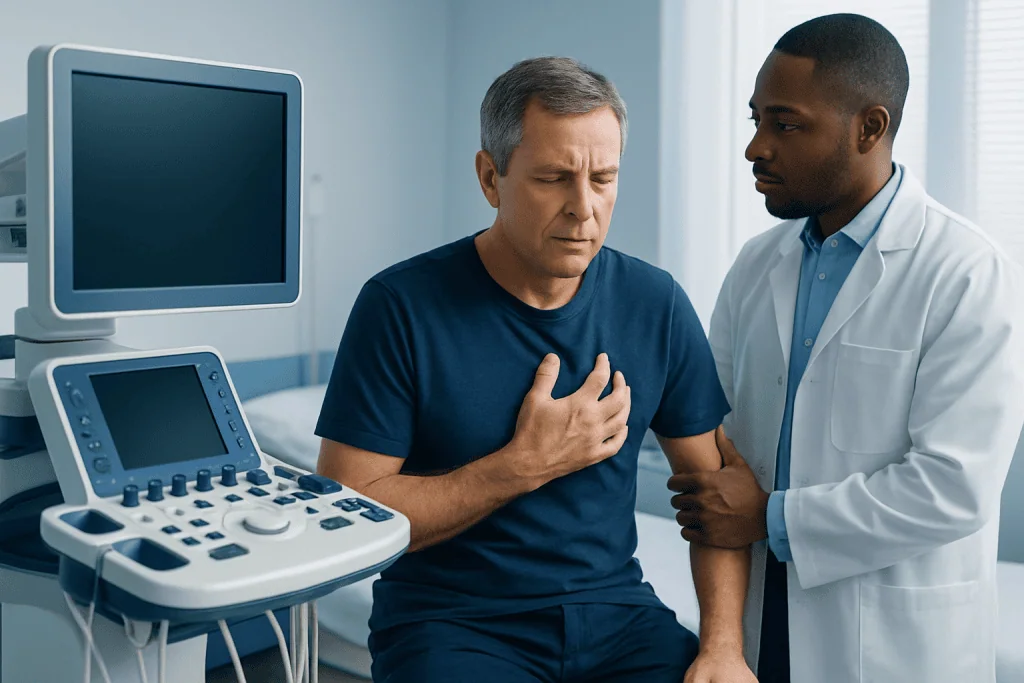
Symptoms of heart disease in men can vary depending on the specific condition. A reduced blood supply to the heart may cause chest discomfort, often described as pressure, tightness, fullness, or heaviness. This discomfort may spread to the arm, shoulder, back, neck, or jaw. Some men also experience shortness of breath, sweating, nausea, lightheadedness, or a feeling of indigestion during physical activity or emotional stress.
Not all heart-related symptoms involve severe chest pain. Men may notice fatigue, declining stamina, palpitations, dizziness, swelling in the legs or ankles, or breathlessness when lying flat or climbing stairs. These symptoms can be related to heart failure or to heart rhythm disorders such as arrhythmia.
Emergency warning signs should never be ignored. A possible heart attack may present as persistent chest pressure, pain radiating to the upper body, sudden shortness of breath, cold sweat, faintness, or unexplained nausea. In older adults and people with diabetes, symptoms may be less typical, so any sudden concerning change warrants prompt medical evaluation.
- Chest pressure, tightness, or pain
- Shortness of breath during activity or at rest
- Unusual tiredness or reduced exercise capacity
- Palpitations or irregular heartbeat
- Swelling in the feet, ankles, or legs
- Dizziness, fainting, or near-fainting
Causes and Risk Factors

The underlying cause of many heart problems in men is atherosclerosis, a process in which cholesterol, inflammatory cells, and other substances accumulate in artery walls. Over time, these plaques can narrow the arteries or suddenly rupture, leading to a blood clot and a heart attack. High blood pressure can also strain the heart and damage blood vessels, while diabetes can accelerate arterial disease.
Several risk factors increase the likelihood of heart disease. Some cannot be changed, such as age, family history of early cardiovascular disease, and certain inherited cholesterol disorders. Many others are modifiable. Smoking, high LDL cholesterol, low physical activity, obesity, poor sleep, ongoing stress, excessive alcohol use, and an unhealthy diet all contribute to long-term cardiovascular risk.
Men may also face added risk from conditions that are sometimes overlooked, including obstructive sleep apnea, chronic kidney disease, and inflammatory disorders. Low awareness of preventive care can delay diagnosis of high blood pressure, prediabetes, or elevated cholesterol. Regular health checks can identify these problems early, before symptoms appear.
- Smoking or tobacco exposure
- High blood pressure
- High cholesterol or triglycerides
- Diabetes or insulin resistance
- Overweight and obesity
- Physical inactivity
- Family history of early heart disease
- Sleep apnea, chronic stress, and poor sleep
How Heart Disease Is Diagnosed
Diagnosis begins with a medical history, symptom review, blood pressure measurement, and physical examination. The doctor will ask about chest symptoms, exercise tolerance, medications, smoking, family history, and conditions such as diabetes or kidney disease. Even when symptoms are mild, this initial assessment helps determine the level of risk and whether urgent testing is needed.
Common tests include an electrocardiogram to assess heart rhythm and signs of reduced blood flow, blood tests for cholesterol, glucose, kidney function, and in some cases cardiac enzymes if a heart attack is suspected. An echocardiogram uses ultrasound to evaluate the heart’s pumping function and valves. Stress testing may be used to see how the heart responds during exercise or medication-induced stress.
When doctors need a closer look at the coronary arteries, they may recommend advanced imaging or catheter-based evaluation. Depending on the situation, this could include coronary CT imaging or coronary angiography to identify narrowed or blocked vessels. The best test depends on symptoms, risk level, age, and overall health.
Treatment Options
Treatment for heart disease in men depends on the diagnosis, severity of symptoms, and presence of other health conditions. Many men benefit from a combination of lifestyle changes and medication. Medicines may be used to control blood pressure, lower cholesterol, reduce blood clotting risk, manage diabetes, relieve angina, or treat irregular heart rhythms. Close follow-up helps adjust treatment over time and improve long-term heart protection.
When arteries are significantly narrowed, a procedure may be recommended to restore blood flow. In some cases, doctors can open a blocked vessel with coronary angioplasty. Others may need coronary artery bypass surgery if disease is extensive or involves several coronary arteries. Men with rhythm disorders, advanced heart failure, or severe valve disease may need additional specialized treatment.
The right treatment plan is individualized. It considers symptoms, test findings, age, exercise goals, and personal preferences. A team-based approach that may include cardiologists, cardiac surgeons, dietitians, and rehabilitation specialists often provides the best support. Acibadem International’s multidisciplinary specialists and JCI-accredited hospitals diagnose and treat heart disease for international patients.
Prevention and Self-care
Many cases of heart disease can be delayed or prevented with steady, practical habits. Stopping smoking is one of the most important steps a man can take for his heart. Regular physical activity, a balanced eating pattern rich in vegetables, fruits, legumes, whole grains, and healthy fats, and maintaining a healthy weight all support better blood pressure, cholesterol, and blood sugar control.
Prevention also involves knowing personal numbers. Men should have blood pressure, cholesterol, and glucose checked at intervals recommended by their doctor. Taking prescribed medicines consistently matters just as much as lifestyle changes, especially for those with hypertension, diabetes, or known cardiovascular disease. Good sleep, stress management, and limiting alcohol can also improve heart health.
After a diagnosis, self-care remains essential. Men are often advised to attend cardiac rehabilitation, stay active within medical guidance, and monitor symptoms such as chest discomfort, swelling, or new breathlessness. Preventive care is not about perfection; it is about long-term patterns that steadily reduce risk.
- Do not smoke or use tobacco
- Exercise regularly as advised by a doctor
- Choose a heart-healthy eating pattern
- Manage blood pressure, cholesterol, and diabetes
- Sleep well and address possible sleep apnea
- Keep follow-up appointments and take medicines as prescribed
When to See a Doctor
Men should arrange a medical review if they notice chest discomfort, shortness of breath, palpitations, fainting, swelling in the legs, or a clear decline in exercise capacity. Even mild or occasional symptoms deserve attention if they are new, worsening, or triggered by exertion. Men with strong risk factors, such as diabetes, smoking, or family history of early heart disease, should not wait for symptoms before having regular checkups.
Immediate emergency care is needed for signs of a possible heart attack. These include persistent chest pressure or pain, pain spreading to the arm, jaw, back, or shoulder, severe breathlessness, sudden sweating, collapse, or intense nausea. Acting quickly can limit heart damage and may save life.
Routine prevention visits are also valuable. A doctor can review blood pressure, cholesterol, weight, lifestyle habits, and family history, then recommend screening or treatment as needed. Early action is often the most effective way to protect long-term heart health.
Frequently asked questions
What is the most common type of heart disease in men?
The most common type is coronary artery disease, which happens when the arteries supplying the heart become narrowed by plaque buildup. This can reduce blood flow and lead to chest pain, shortness of breath, or heart attack.
Can men have heart disease without symptoms?
Yes. Heart disease can develop silently, especially in its early stages. Some men only learn they have a problem after abnormal test results or a serious event such as a heart attack.
At what age should men start paying attention to heart disease risk?
Heart health matters at every age, but risk often rises in adulthood and increases further with age. Men with smoking history, high blood pressure, diabetes, high cholesterol, or family history should discuss screening and prevention earlier.
Are all chest symptoms in men caused by heart disease?
No. Chest discomfort can also come from the lungs, muscles, digestive tract, or anxiety. However, because heart-related chest symptoms can be serious, new or unexplained chest pain should be assessed by a doctor.
How can men lower their risk of heart disease?
The most effective steps include not smoking, staying physically active, eating a heart-healthy diet, controlling blood pressure and cholesterol, managing diabetes, and maintaining a healthy weight. Regular checkups help detect risk factors before complications develop.
When should a man go to the emergency room for possible heart symptoms?
Emergency care is needed for persistent chest pressure or pain, especially if it spreads to the arm, jaw, shoulder, or back, or happens with shortness of breath, sweating, fainting, or nausea. It is safer to seek urgent evaluation than to wait and see.
References
- World Health Organization
- American Heart Association
- Centers for Disease Control and Prevention
- National Heart, Lung, and Blood Institute
- European Society of Cardiology
This article is for general information only and is not a substitute for professional medical advice. Please consult a qualified doctor about your individual situation.
Heart care in Turkey — expert evaluation and treatment
JCI-accredited · board-certified surgeons · reply within 24h
Add us as a Preferred Source to see more of our trusted health content across Google Search, AI Overviews and Discover.
Check your numbers in seconds
BMI, calories, due date, blood pressure and 30+ more clinical calculators — free, instant, doctor-reviewed ranges.