Heart health check Risks & Side Effects Explained by Surgeons

A heart health check is tailored to a person's symptoms, age, medical history and cardiovascular risk factors. Routine tests such as blood pressure checks, cholesterol tests and ECGs are usually safe and involve little or no recovery time.
Key Takeaways
- A heart health check is tailored to a person's symptoms, age, medical history and cardiovascular risk factors.
- Routine tests such as blood pressure checks, cholesterol tests and ECGs are usually safe and involve little or no recovery time.
- Stress tests may cause temporary tiredness, shortness of breath or muscle soreness, while rare serious complications are monitored for in a clinical setting.
- Tests involving contrast dye, radiation or catheters are not needed for everyone and require individual safety screening.
- The benefit of appropriate heart screening is identifying modifiable risks or heart disease early, while avoiding unnecessary testing is also important.
Heart health check risks are generally low because most assessments use non-invasive tests such as blood pressure measurement, blood tests and an ECG. Some tests, including exercise stress testing, contrast imaging and invasive angiography, carry additional but usually uncommon risks that should be discussed before testing.
Heart Health Checks: What They Are and Why Risks Matter
A heart health check is an assessment of cardiovascular health and future risk of heart and blood vessel disease. It may include a medical history, physical examination, blood pressure measurement, blood tests for cholesterol and glucose, an electrocardiogram (ECG), and selected imaging or exercise-based tests. The exact plan should be based on the individual rather than using every available test.
For most people, a checkup is straightforward and low risk. However, understanding heart health check risks helps patients give informed consent, prepare appropriately and recognize why a clinician may recommend one test but not another. The main concern is not only physical side effects; unnecessary testing can sometimes lead to unclear findings, further investigations and anxiety.
A comprehensive heart health check can help clinicians review risk factors such as high blood pressure, diabetes, smoking, elevated cholesterol, family history and lifestyle. It does not replace urgent assessment when someone has symptoms that could indicate a heart emergency.
How a Heart Health Check Works
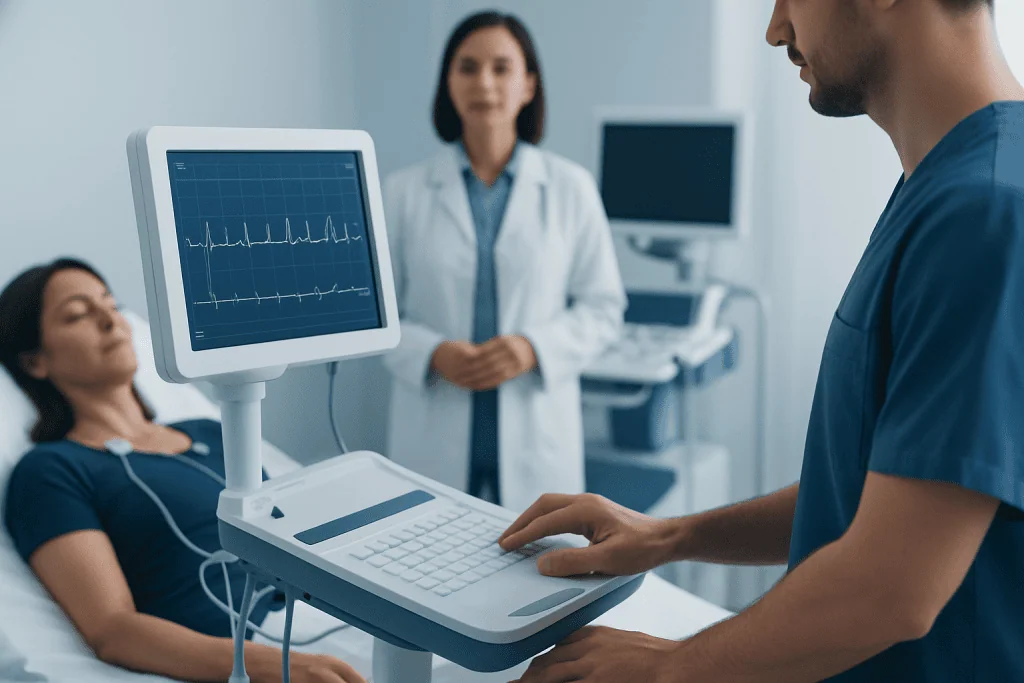
The process usually begins with a discussion about current symptoms, previous illnesses, medications, family history and daily habits. The clinician may ask about chest discomfort, breathlessness, palpitations, fainting, exercise tolerance, sleep, diet, smoking and alcohol use. This information guides which tests are likely to be useful.
A physical examination may include listening to the heart and lungs, checking the pulse, measuring blood pressure, calculating body mass index and looking for signs of circulation problems. Blood tests may assess cholesterol, blood sugar, kidney function and other factors that can affect cardiovascular risk.
Further testing is selected when there is a specific reason. An ECG records the heart’s electrical activity. An echocardiogram uses sound waves to examine heart structure and pumping function. Exercise testing assesses the heart’s response to exertion, while CT, MRI or coronary angiography may be considered when the clinical question cannot be answered by simpler tests.
Who May Benefit and Who Needs Extra Precautions

Heart health checks can be particularly helpful for adults with risk factors, including high blood pressure, high cholesterol, diabetes, obesity, tobacco use, kidney disease, inflammatory conditions or a close family history of premature cardiovascular disease. A clinician may also recommend assessment for people with symptoms such as unexplained exertional breathlessness, recurring palpitations or chest discomfort.
Not every person needs advanced cardiac imaging or an exercise stress test. In people without symptoms and at low cardiovascular risk, broad testing may identify incidental findings that are not harmful but can lead to further procedures. A clinician weighs the possible benefits of finding meaningful disease against the limitations and potential harms of testing.
Extra precautions are important for people who are pregnant, have kidney disease, have had an allergic reaction to contrast dye, take medicines that affect heart rate or blood clotting, or have mobility limitations. People with known heart disease, including coronary artery disease, may need a more individualized monitoring and testing plan.
What Happens Step by Step
Before the appointment, patients may receive instructions about fasting, caffeine, exercise or medicines. These instructions vary by test. It is important not to stop prescribed medicines unless the ordering clinician specifically advises it, because sudden changes may be unsafe.
During a routine visit, measurements and blood samples are taken, followed by an examination and discussion. An ECG is painless: adhesive electrodes are placed on the chest and limbs for a brief recording. For an echocardiogram, a probe is moved over the chest with gel to create ultrasound images.
During an exercise stress test, the person walks on a treadmill or pedals on a stationary bicycle while heart rhythm, blood pressure and symptoms are monitored. The workload increases gradually and the test is stopped if concerning symptoms or ECG changes occur. If exercise is not suitable, a medicine may sometimes be used to simulate the heart’s response under close supervision.
More complex tests may require an injection of contrast material, an intravenous line or a small catheter placed in an artery. The care team explains the purpose, alternatives and specific risks before these procedures. Patients should tell the team promptly about previous contrast reactions, kidney problems, asthma, pregnancy or possible pregnancy, and all current medicines and supplements.
Risks and Side Effects by Type of Test
Blood pressure checks, physical examinations and ECGs are non-invasive and do not usually cause side effects. Blood draws may cause brief discomfort, bruising, light-headedness or, rarely, infection at the needle site. These effects are generally mild and settle without treatment.
Exercise stress testing can cause temporary fatigue, sweating, breathlessness, leg discomfort or muscle soreness. Because exertion places demand on the heart, there is a small risk of an abnormal heart rhythm, chest pain, fainting or, very rarely, a heart attack. Testing is supervised by trained professionals, with monitoring and emergency equipment available.
Echocardiography is generally very safe. A transesophageal echocardiogram, where an ultrasound probe is passed through the mouth into the esophagus, has additional risks such as throat discomfort, temporary swallowing difficulty, reaction to sedation and, rarely, injury to the esophagus.
CT scans and nuclear perfusion tests involve radiation. The amount and relevance depend on the specific examination, and clinicians aim to use testing only when the expected information is useful. Contrast dye used with CT or angiography can cause a warm sensation or nausea. Allergic reactions are uncommon but can occasionally be serious, and contrast can affect kidney function in susceptible people.
Coronary angiography and other catheter-based procedures carry a higher level of risk than routine screening tests. Possible complications include bleeding or bruising at the access site, artery injury, contrast reaction, kidney injury, abnormal rhythm, stroke or heart attack. Serious complications are uncommon, but they are part of informed decision-making when invasive testing is being considered.
Benefits, Results and Recovery Timeline
The main benefit of an appropriate heart health check is a clearer understanding of cardiovascular risk. Results can identify high blood pressure, unhealthy cholesterol levels, diabetes, rhythm disturbances or evidence suggesting structural or coronary heart disease. Many findings can be addressed through lifestyle changes, monitoring or treatment planned with a clinician.
Recovery after a routine check, ECG, blood test or standard echocardiogram is immediate. After an exercise stress test, a person may usually resume normal activities once heart rate and blood pressure have returned to baseline, unless the care team gives different advice. Mild tiredness after exertion can occur.
After contrast imaging, patients are often advised to drink fluids if medically appropriate and to follow any individualized instructions. Recovery after angiography may involve several hours of observation, care of the wrist or groin access site and temporary restrictions on strenuous activity. The clinical team provides specific discharge guidance based on the procedure and the person’s health.
Results should be interpreted in context. An abnormal result does not always mean a person has serious heart disease, and a normal result does not guarantee that future risk is zero. Clinicians combine test findings with symptoms and risk factors to decide whether reassurance, prevention measures, follow-up or further investigation is appropriate.
Reducing Risk and Preparing Safely
Patients can help make testing safer by providing complete and accurate health information. This includes previous heart diagnoses, allergies, kidney disease, pregnancy status, implanted devices, medications and supplements. They should also ask why a test is recommended, what information it may provide, what alternatives exist and what may happen if it is delayed or not performed.
Following preparation instructions is important. For example, caffeine, nicotine and certain medicines can affect some stress test results, while fasting may be requested before selected blood tests or procedures. People should wear comfortable clothing and supportive footwear for an exercise assessment and arrange support home if sedation will be used.
Long-term heart protection depends largely on managing modifiable risks. This may include not smoking, maintaining regular physical activity suited to individual ability, eating a balanced pattern rich in vegetables, fruits, legumes and whole grains, getting adequate sleep and controlling blood pressure, cholesterol and diabetes. A clinician can help set realistic goals and determine whether medication is needed.
Acibadem International’s multidisciplinary specialists and JCI-accredited hospitals assess and treat cardiovascular concerns for international patients, using individualized evaluation when more detailed cardiac testing is clinically appropriate.
When to Seek Medical Care
A routine heart health check should be arranged with a qualified clinician if there are cardiovascular risk factors, a strong family history of early heart disease, or questions about safe exercise and prevention. New or persistent symptoms also deserve medical review, particularly chest discomfort with activity, unexplained shortness of breath, fainting, recurrent palpitations, or new swelling of the legs.
Urgent medical care is needed for chest pressure, tightness, pain or discomfort that is severe, persistent or associated with shortness of breath, sweating, nausea, dizziness or pain spreading to the arm, jaw, back or shoulder. Emergency assessment is also important for sudden fainting, severe breathlessness, signs of stroke, or a rapid or irregular heartbeat accompanied by feeling unwell.
People should not wait for a scheduled screening appointment if these symptoms occur. Emergency services or the local emergency number should be contacted, especially when symptoms are sudden, severe or worsening.
Frequently asked questions
Are heart health checks safe?
Most heart health checks are safe and involve non-invasive measurements, blood tests and ECG recordings. The risk level rises only when tests involve exercise, contrast dye, radiation, sedation or a catheter procedure. Clinicians should recommend tests according to the person's symptoms and risk profile.
Can a stress test cause a heart attack?
A stress test places the heart under controlled physical or medication-induced stress, so serious events such as a heart attack are possible but rare. The test is monitored closely and stopped if concerning symptoms, blood pressure changes or ECG findings develop. The care team reviews whether the test is appropriate before it begins.
Does an ECG have side effects?
An ECG is painless and does not use radiation or electrical shocks. The adhesive electrodes can occasionally cause mild, temporary skin irritation. There is no recovery time after a standard ECG.
What are the risks of contrast dye for heart scans?
Contrast dye can cause brief warmth, nausea or a mild rash in some people. Less commonly, it may trigger a more significant allergic reaction or affect kidney function, especially in people with pre-existing kidney disease. Patients should report past reactions and kidney problems before the scan.
Will everyone need a CT scan or coronary angiogram after a heart check?
No. Advanced scans and invasive angiography are usually reserved for people whose symptoms, risk factors or earlier test results suggest they may provide useful information. Using the least invasive suitable test is an important part of safe cardiovascular care.
How long does recovery take after a heart health check?
Recovery is immediate after routine examinations, blood tests, ECGs and standard echocardiography. Exercise testing may leave a person briefly tired, while procedures involving sedation, contrast or a catheter may require observation and short-term activity restrictions. The treating team gives personalized advice before discharge.
References
- World Health Organization
- American Heart Association
- European Society of Cardiology
- National Heart, Lung, and Blood Institute
- U.S. Food and Drug Administration
This article is for general information only and is not a substitute for professional medical advice. Please consult a qualified doctor about your individual situation.
Heart care in Turkey — expert evaluation and treatment
JCI-accredited · board-certified surgeons · reply within 24h
Add us as a Preferred Source to see more of our trusted health content across Google Search, AI Overviews and Discover.
Check your numbers in seconds
BMI, calories, due date, blood pressure and 30+ more clinical calculators — free, instant, doctor-reviewed ranges.