Heart Monitor: A Complete Medical Overview
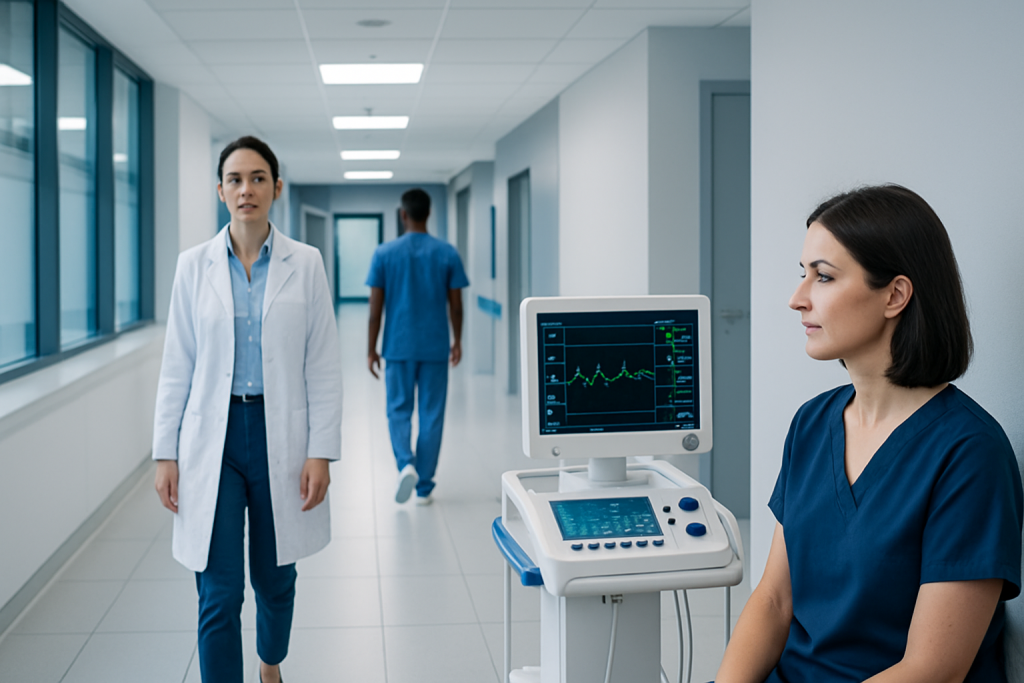
A heart monitor helps detect rhythm problems that may not appear during a short office visit. Common types include ECG machines, Holter monitors, event monitors, telemetry, and implantable loop recorders.
Key Takeaways
- A heart monitor helps detect rhythm problems that may not appear during a short office visit.
- Common types include ECG machines, Holter monitors, event monitors, telemetry, and implantable loop recorders.
- Doctors choose the monitor based on symptoms, risk factors, and how often episodes happen.
- Monitoring is usually painless and is often part of diagnosing palpitations, fainting, or suspected arrhythmias.
- Results may be normal, show harmless changes, or reveal a condition that needs treatment or follow-up.
A heart monitor is a device that records the heart’s rhythm, rate, and electrical activity to help doctors investigate symptoms such as palpitations, dizziness, fainting, or chest discomfort. Different monitors are used for different situations, from a quick clinic ECG to wearable devices that track the heart over days or even longer.
Overview: what a heart monitor does
A heart monitor is a tool used to record how the heart beats. Depending on the device, it may track heart rate, heart rhythm, or the heart’s electrical signals over seconds, hours, days, or longer. Doctors use this information to look for abnormalities that can explain symptoms or guide treatment decisions.
The main reason a heart monitor is helpful is that many heart rhythm problems come and go. A person may feel well during an appointment, and a standard examination may be normal. Monitoring during everyday activities, sleep, exercise, or a hospital stay can capture changes that would otherwise be missed.
Heart monitoring is not one single test. It includes several devices for different purposes, from a quick electrocardiogram in a clinic to small wearable patches and longer-term implanted recorders. Some monitors are used in emergencies, while others help investigate unexplained symptoms over time.
Types of heart monitors
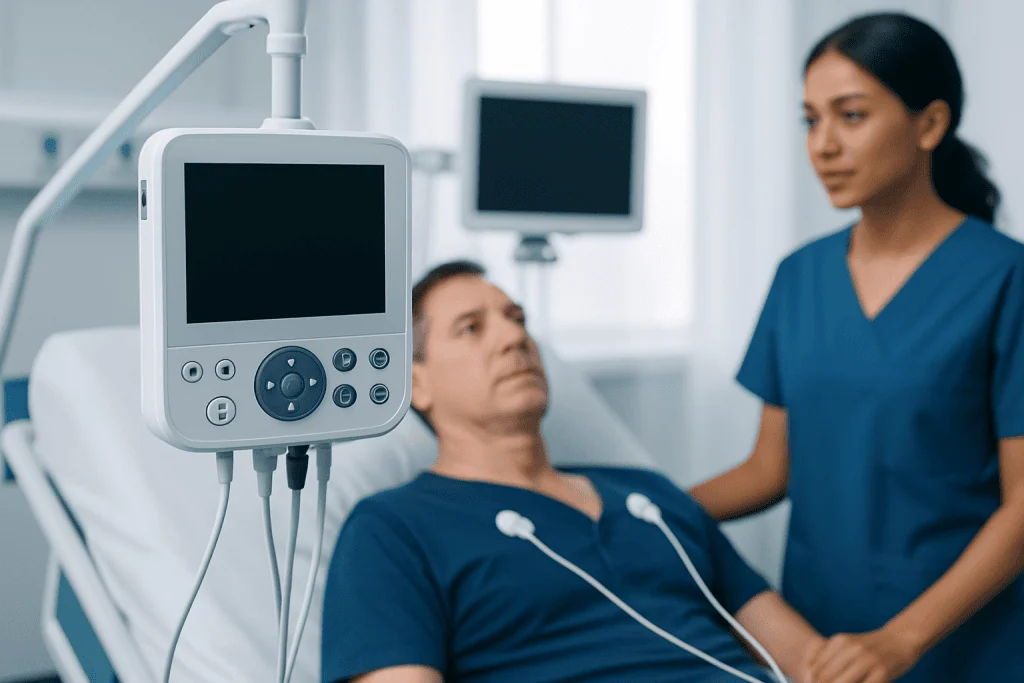
Doctors choose a heart monitor based on the symptom pattern and the question that needs to be answered. If symptoms happen daily, a short-term monitor may be enough. If they happen only once in a while, longer monitoring may be more useful.
Common types include:
- Electrocardiogram (ECG or EKG): a brief recording, usually done in a clinic or hospital, that shows the heart’s electrical activity at that moment.
- Holter monitor: a portable device worn continuously for 24 to 48 hours, and sometimes longer, to capture everyday heart rhythms.
- Event monitor: a wearable monitor used for longer periods that records when symptoms occur, either when the person activates it or when the device detects a rhythm change.
- Patch monitor: a small adhesive device placed on the chest that continuously records heart activity for several days.
- Telemetry monitor: a hospital-based system that continuously watches heart rhythm in real time.
- Implantable loop recorder: a small device placed under the skin to monitor infrequent but important symptoms over months or years.
- Consumer wearable devices: some smartwatches and fitness trackers can measure pulse or identify possible rhythm irregularities, but they do not replace medical evaluation.
These devices may be used to investigate arrhythmias, assess treatment response, or monitor the heart after certain procedures or medical events. In some cases, formal rhythm assessment is combined with electrocardiography (EKG) or other heart tests to build a clearer picture.
Why a doctor may recommend a heart monitor

A heart monitor is often recommended when symptoms suggest the heart may not be beating normally. These symptoms can include a racing heart, skipped beats, fluttering in the chest, lightheadedness, fainting, unexplained tiredness, or shortness of breath. In some situations, monitoring is also used after a stroke, after heart surgery, or when a medication may affect heart rhythm.
Not every monitored rhythm change is dangerous. Some people have extra beats or mild rhythm variations that do not require treatment. However, monitoring helps separate benign findings from conditions that need attention, such as atrial fibrillation, slow heart rhythms, or other conduction problems.
Doctors may also suggest monitoring when a person has risk factors such as known heart disease, high blood pressure, diabetes, sleep apnea, thyroid problems, electrolyte imbalance, or a family history of rhythm disorders. If symptoms occur with exertion, a clinician may combine monitoring with a test such as a cardiac stress test to see how the heart responds under activity.
What symptoms and conditions can it help evaluate?
A heart monitor can help investigate a wide range of symptoms, especially those that occur suddenly or unpredictably. It is commonly used for palpitations, blackouts, near-fainting, episodes of rapid heartbeat, or chest sensations that are difficult to describe. It may also support evaluation when symptoms happen at night or during exercise.
Monitors are often used to look for heart rhythm disorders such as atrial fibrillation, supraventricular tachycardia, bradycardia, and ventricular ectopic beats. In some people, they can also reveal pauses in the heartbeat or signs that electrical signals are not traveling normally through the heart.
Monitoring may be part of the workup for underlying structural heart disease or circulation problems. Depending on the situation, a doctor may pair rhythm monitoring with blood tests, imaging, or echocardiography to evaluate heart structure and function. If a broader assessment is needed, clinicians may also review symptoms linked to heart failure or other cardiovascular conditions.
How heart monitoring is done and how to prepare
Most heart monitors are simple to use and painless. Small electrodes or a patch are placed on the chest and connected to a recorder, or the device may be worn directly on the skin. For hospital telemetry, staff place leads on the chest and the rhythm is observed continuously. Implantable loop recorders require a minor procedure, usually done with local anesthesia.
Preparation depends on the device. Patients are usually advised to wear loose clothing, avoid lotions or oils on the chest before electrode placement, and continue usual activities unless told otherwise. Bathing instructions vary by monitor type; some devices must be removed for showering, while others are designed to stay in place.
For wearable monitors, patients may be asked to keep a diary of symptoms, activity, sleep, medicines, and the time symptoms occur. This helps the doctor compare a person’s experience with the recorded heart rhythm. It is important to report severe symptoms promptly rather than waiting for the test to finish.
Skin irritation from adhesive pads can happen but is usually mild. Technical problems such as a loose lead or poor signal may reduce the quality of the recording, so patients should follow instructions carefully and contact the clinic if the device shifts, stops working, or causes significant discomfort.
Understanding the results
Heart monitor results are interpreted by a qualified clinician, often a cardiologist. The report may describe the average heart rate, the fastest and slowest rates, whether the rhythm was regular, and whether extra beats, pauses, or episodes of arrhythmia were detected. The most important part is whether these findings match the person’s symptoms.
A normal result does not always mean symptoms are imagined or unimportant. It may simply mean no abnormal rhythm occurred during the recording period. In that case, a doctor may recommend a different monitor for a longer time or look for non-cardiac causes such as anxiety, dehydration, thyroid disease, medication effects, or problems related to blood pressure.
If the monitor shows an abnormal rhythm, next steps depend on the type and severity of the finding. Treatment may include observation, lifestyle changes, medication adjustment, treatment of contributing conditions, or referral for procedures. In selected cases, further testing or treatment for atrial fibrillation or other arrhythmias may be discussed.
Treatment options after an abnormal heart monitor
Treatment is based on the cause rather than on the monitor alone. Some results only need reassurance and routine follow-up. Others may lead to advice about reducing caffeine or alcohol, improving sleep, staying hydrated, correcting anemia or thyroid imbalance, or reviewing prescription and over-the-counter medicines that can affect rhythm.
When a clinically important arrhythmia is confirmed, doctors may prescribe medications to control heart rate, reduce symptoms, or lower the risk of complications. Some patients need blood-thinning treatment if the rhythm problem increases stroke risk. In other cases, a pacemaker, catheter-based procedure, or another targeted therapy may be considered.
Care is often multidisciplinary, especially when rhythm changes are linked to broader heart disease. Near the end of evaluation and treatment planning, some patients may be referred to specialist heart rhythm services. Acibadem International’s multidisciplinary specialists and JCI-accredited hospitals diagnose and treat heart rhythm disorders for international patients when advanced assessment is needed.
Prevention, self-care, and when to seek medical care
A heart monitor does not prevent heart problems, but it can support earlier diagnosis. General heart-healthy habits may reduce the likelihood of some rhythm triggers and improve overall cardiovascular health. These include regular physical activity suited to personal health status, not smoking, balanced nutrition, good sleep, stress management, and control of conditions such as high blood pressure, diabetes, and sleep apnea.
Self-care also means noticing patterns. It can be useful to track when symptoms happen, what a person was doing at the time, and whether caffeine, alcohol, dehydration, illness, or new medicines seem related. People should not stop prescribed medication or start supplements for palpitations without medical advice, as some products can worsen rhythm problems.
Medical care should be sought promptly if palpitations come with fainting, severe dizziness, chest pain, shortness of breath, confusion, or a feeling of collapse. Urgent assessment is also important if symptoms are new, persistent, or occur in someone with known heart disease. Even when symptoms seem mild, a doctor should review recurring episodes, especially if there is a family history of sudden cardiac problems or if the monitor report shows an abnormal finding.
Frequently asked questions
What is a heart monitor used for?
A heart monitor is used to record heart rhythm and rate so doctors can look for rhythm abnormalities or changes linked to symptoms. It is especially helpful when symptoms happen only occasionally and may not appear during a short clinic visit.
Is wearing a heart monitor painful?
Most heart monitors are painless. Wearable monitors may cause mild skin irritation from adhesive patches or electrodes, but this is usually temporary. Implantable monitors involve a minor procedure, but the device itself is generally not painful once placed.
What is the difference between an ECG and a Holter monitor?
An ECG records the heart’s electrical activity for a very short time, usually a few seconds. A Holter monitor records continuously over a longer period, often 24 to 48 hours, which makes it more useful for symptoms that come and go.
Can a smartwatch replace a medical heart monitor?
A smartwatch can sometimes detect pulse changes or possible irregular rhythms, but it does not fully replace a medical heart monitor. Medical devices provide more detailed and clinically validated information, and a doctor must interpret results in context.
What happens if a heart monitor finds an abnormal rhythm?
The next step depends on the type of abnormal rhythm and whether it matches symptoms. Some findings need only reassurance, while others may require more tests, medication changes, or treatment by a cardiology specialist.
Can a heart monitor be normal even if symptoms are real?
Yes. Symptoms may not happen during the monitoring period, or they may be caused by something other than an abnormal rhythm. If symptoms continue, a doctor may recommend longer monitoring or evaluate other possible causes.
References
- American Heart Association
- National Heart, Lung, and Blood Institute
- Centers for Disease Control and Prevention
- Mayo Clinic
- European Society of Cardiology
This article is for general information only and is not a substitute for professional medical advice. Please consult a qualified doctor about your individual situation.
Heart care in Turkey — expert evaluation and treatment
JCI-accredited · board-certified surgeons · reply within 24h
Add us as a Preferred Source to see more of our trusted health content across Google Search, AI Overviews and Discover.
Check your numbers in seconds
BMI, calories, due date, blood pressure and 30+ more clinical calculators — free, instant, doctor-reviewed ranges.