Heat Cramps Treatment: How It Works, Results and What to Expect

Heat cramps are painful muscle spasms that can occur during or after exertion in hot conditions. Rest, cooling, gentle stretching and fluids containing electrolytes are the main parts of heat cramps treatment.
Key Takeaways
- Heat cramps are painful muscle spasms that can occur during or after exertion in hot conditions.
- Rest, cooling, gentle stretching and fluids containing electrolytes are the main parts of heat cramps treatment.
- Heavy sweating and inadequate replacement of fluids and sodium are common contributors.
- Most people improve within minutes to a few hours, but they should avoid returning to heat or strenuous activity until fully recovered.
- Confusion, fainting, very high body temperature, persistent vomiting or worsening illness may signal a heat emergency and need urgent care.
Heat cramps treatment focuses on promptly stopping exercise or work, moving to a cooler place, resting, gently stretching the affected muscle and replacing fluids and electrolytes. Heat cramps usually settle without lasting effects, but worsening symptoms or signs of heat exhaustion require medical assessment.
Heat Cramps Treatment: How It Works
Heat cramps treatment starts by stopping physical activity immediately and moving to a shaded, air-conditioned or otherwise cool environment. The person should rest, loosen unnecessary clothing and allow the body to cool gradually. The cramped muscle can be gently stretched and lightly massaged if this is comfortable; forceful stretching or continuing activity can make pain worse.
Because heat cramps often follow substantial sweating, treatment also aims to restore fluids and electrolytes, especially sodium. A cool drink containing electrolytes may be helpful for an alert person who can swallow safely and is not vomiting. Plain water can also support hydration, but relying only on large amounts of water after prolonged heavy sweating may not replace lost salts adequately.
Heat cramps are generally considered an exertional heat illness at the milder end of the spectrum. Even so, they are a warning that the body is under heat strain. A person should not return to sport, outdoor work or intense exercise until the cramp has resolved, they feel well hydrated and no symptoms of heat-related illness remain.
What Happens During Assessment and Treatment?
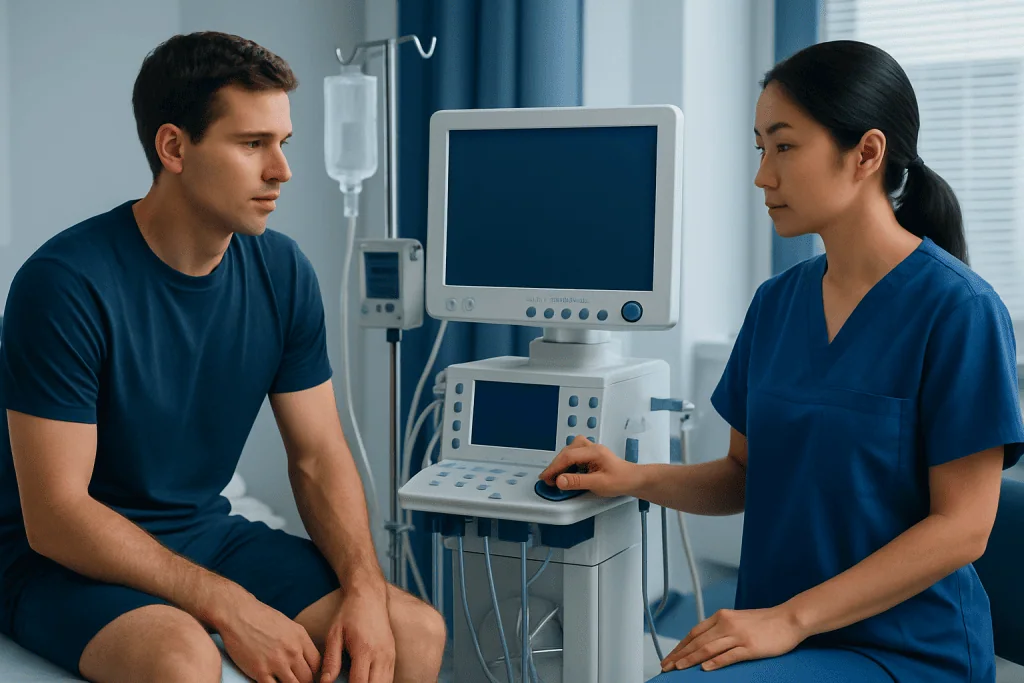
Many uncomplicated heat cramps can be managed with first aid measures. A clinician may assess body temperature, heart rate, blood pressure, hydration, mental alertness and the pattern of muscle symptoms. The aim is to distinguish simple heat cramps from heat exhaustion, heatstroke, a muscle injury or another cause of cramping.
Medical treatment is considered when cramps are severe, persistent, recurrent, associated with illness, or when the person cannot drink enough fluids. Depending on the situation, care may include monitored cooling, oral rehydration or intravenous fluids. Blood tests may be used to check electrolytes, kidney function or muscle breakdown when there is concern for a more significant heat illness.
People with heart, kidney or liver disease, those taking medicines that affect fluid balance, and people advised to limit salt or fluid intake should ask a clinician for individualized guidance. They should not intentionally increase salt intake without medical advice.
Who Is More Likely to Need Heat Cramps Treatment?

Anyone can develop heat cramps, particularly when exercising, playing sport, doing physical work or wearing protective equipment in a hot or humid environment. Risk is higher when a person is not acclimatized to the heat, starts activity dehydrated, sweats heavily, has recently had vomiting or diarrhea, or increases exercise intensity suddenly.
The two main causes of muscle heat cramps are fluid loss through sweating and loss of electrolytes, particularly sodium, during prolonged or intense activity. Muscle fatigue and repeated contraction may also contribute. Heat cramps may affect the calves, thighs, abdomen, arms, hands or back, and they can occur during activity or later while resting.
Not every cramp in warm weather is a heat cramp. Recurrent muscle cramps, cramps that occur at rest in cool conditions, weakness, swelling or dark urine should be evaluated for other possible causes. These can include medication effects, circulation problems, nerve conditions, metabolic disorders or muscle injury.
Step-by-Step Home Care and Expected Results
For a person who is alert and otherwise stable, practical heat cramps treatment can follow a simple sequence: stop activity, go to a cool area, rest, gently lengthen the cramped muscle and sip an electrolyte-containing beverage. Cooling the skin with fans, cool cloths or removing excess layers may improve comfort. Drinking should be gradual rather than forced.
For a calf cramp, gently straightening the leg and drawing the toes toward the shin may help. For a thigh cramp, slow, comfortable stretching is often useful. Stretching should stop if it sharply increases pain. Alcohol should be avoided during recovery because it can worsen dehydration and impair judgment.
The expected result is gradual release of the muscle spasm and improvement in discomfort. Once symptoms resolve, the person should continue resting in a cool location and monitor for dizziness, headache, nausea, unusual weakness or worsening symptoms. Strenuous activity should be postponed for the remainder of the day unless a clinician advises otherwise.
- Benefits: relief of painful spasms, improved hydration and reduced risk of progression to more serious heat illness.
- Limitations: self-care is not appropriate when warning signs of heat exhaustion or heatstroke are present.
- Potential risks: drinking excessive plain water without electrolyte replacement after prolonged sweating may contribute to low blood sodium in some circumstances.
How Long Does It Take to Recover From Heat Cramps?
Many heat cramps improve within minutes after activity stops, the person cools down and hydration begins. Soreness or muscle tenderness may last several hours and occasionally into the next day, especially after prolonged exertion. Full recovery also depends on correcting dehydration, replacing electrolyte losses and allowing the body time to recover from heat exposure.
A person should wait until cramps have completely stopped and they feel normal before considering a return to activity. Returning too soon can trigger recurrent cramps or increase the risk of heat exhaustion. In hot climates or during a heat wave, gradually rebuilding activity over several days helps the body acclimatize.
If cramps do not improve after about an hour of rest, cooling and appropriate fluids, or if they repeatedly return, medical advice is sensible. Persistent symptoms may indicate a need for supervised hydration or assessment for another medical issue.
What Are the 7 Signs of Heat Exhaustion?
Heat exhaustion is more serious than isolated heat cramps and can develop when the body loses excessive fluid and salt. Seven common signs are heavy sweating, weakness or fatigue, dizziness or faintness, headache, nausea or vomiting, muscle cramps, cool pale or clammy skin, and a fast pulse. A person may also feel unusually thirsty, irritable or unable to continue activity.
Someone with suspected heat exhaustion should stop activity, go to a cool place, lie down if possible, loosen clothing and begin cooling. If they are fully awake and able to drink, they may take small, frequent sips of a drink containing electrolytes. They should be observed closely and should not be left alone if symptoms are significant.
Heat exhaustion can progress, so persistent vomiting, fainting, confusion, seizures, collapse, very hot skin or an altered level of consciousness require emergency help. These symptoms may indicate heatstroke, which is a medical emergency requiring rapid cooling and urgent professional care.
What Deficiency Causes Heat Cramps?
Heat cramps are most commonly associated with losses of fluids and electrolytes through sweat, with sodium loss being especially important. They are not usually caused by one isolated vitamin deficiency. People who sweat heavily for long periods and replace losses with insufficient fluid, or with large volumes of plain water alone, may be more likely to develop symptoms.
Other electrolyte abnormalities, including low potassium, calcium or magnesium, can contribute to muscle cramping in some situations, but these should not be assumed or self-treated with high-dose supplements. The cause depends on the person’s health, diet, medicines, activity level and symptoms.
A clinician can decide whether blood testing is needed, particularly for recurrent cramps, severe weakness, prolonged symptoms or medical conditions that affect electrolyte balance. This approach helps ensure that treatment addresses the actual cause safely.
Preventing Recurrence and When to Seek Medical Care
Prevention begins before heat exposure. People can drink regularly according to thirst, take planned hydration breaks during prolonged activity, wear lightweight breathable clothing and schedule demanding exercise or work during cooler parts of the day where possible. Gradual heat acclimatization is important after travel to a hot climate, the start of a season or a long break from outdoor activity.
During longer or more intense activity with substantial sweating, an electrolyte-containing drink may be useful. Meals and snacks should be balanced, and recovery should include rest and adequate fluids. People should follow individualized advice if they have a health condition or take diuretics or other medicines that influence fluid and electrolyte balance.
Medical care should be sought promptly for cramps that are severe, persistent or recurrent; inability to drink; vomiting; fainting; chest pain; shortness of breath; confusion; seizures; dark urine; or marked muscle weakness. Emergency services should be contacted for suspected heatstroke. Acibadem International’s multidisciplinary specialists and JCI-accredited hospitals can assess and treat heat-related illness for international patients when medical evaluation is needed.
Frequently asked questions
Can heat cramps be treated with water alone?
Water can help address dehydration, but it may not replace electrolytes lost through prolonged heavy sweating. An electrolyte-containing drink may be more appropriate during or after extended activity in heat for people who can drink safely. Individuals with medical conditions affecting fluid or salt intake should seek personalized advice.
Should a person massage a heat cramp?
Gentle massage may be soothing for some people, especially alongside slow stretching and rest. It should not be painful or forceful. If the muscle is very painful, swollen, weak or does not relax, medical assessment may be needed.
Can someone continue exercising after a heat cramp stops?
It is generally best to avoid returning to strenuous exercise or heat exposure on the same day until the person is fully recovered. Continuing too soon can lead to recurrent cramps or more serious heat illness. A gradual return is safer, particularly after significant sweating or fatigue.
Are heat cramps a sign of heatstroke?
Heat cramps do not necessarily mean heatstroke, but they indicate that heat strain and fluid or electrolyte losses may be present. Symptoms such as confusion, collapse, seizures, altered behavior or very high body temperature suggest a possible heat emergency. Emergency medical help is needed in those situations.
Why do heat cramps happen at night after exercise?
Cramps can occur after activity because fluid and electrolyte losses, muscle fatigue and heat strain may persist after exercise ends. They may appear while the person is resting or sleeping. Cooling down, drinking appropriately and allowing adequate recovery may reduce the risk.
When should recurrent muscle cramps be checked by a doctor?
A doctor should assess recurring cramps, cramps unrelated to heat or exercise, or cramps accompanied by weakness, numbness, swelling or changes in urine color. Evaluation is also important for people with kidney, heart, liver or endocrine conditions. The clinician can look for causes beyond heat exposure and recommend safe treatment.
References
- Centers for Disease Control and Prevention
- National Institute for Occupational Safety and Health
- American College of Sports Medicine
- World Health Organization
This article is for general information only and is not a substitute for professional medical advice. Please consult a qualified doctor about your individual situation.
Explore treatments in Turkey — costs, top hospitals & a free quote
JCI-accredited · board-certified surgeons · reply within 24h
Add us as a Preferred Source to see more of our trusted health content across Google Search, AI Overviews and Discover.
Check your numbers in seconds
BMI, calories, due date, blood pressure and 30+ more clinical calculators — free, instant, doctor-reviewed ranges.

More from the Health Library



Related Specialists

Prof. Dr. Gül Esen İçten
Radiology
Prof. Dr. Barış Kocaoğlu
Orthopedic Surgery & Traumatology
Dr. Hasan Oluk
Family Medicine
Prof. Dr. Recep Kurnaz
Orthopedic Surgery & Traumatology