Hemodynamic Instability: An Evidence-Based Guide for Patients

Hemodynamic instability describes unstable circulation, not a single diagnosis. Common warning signs include low blood pressure, fast heart rate, dizziness, confusion, chest pain, and shortness of breath.
Key Takeaways
- Hemodynamic instability describes unstable circulation, not a single diagnosis.
- Common warning signs include low blood pressure, fast heart rate, dizziness, confusion, chest pain, and shortness of breath.
- Causes range from dehydration and blood loss to severe infection, heart failure, and abnormal heart rhythms.
- Doctors diagnose it by checking vital signs, examining the patient, and using blood tests, ECG, imaging, and monitoring.
- Treatment focuses on stabilizing blood flow quickly and treating the underlying cause.
Hemodynamic instability means the heart and blood vessels are not maintaining enough steady blood flow to meet the body’s needs. It is not a disease itself, but a clinical warning sign that can happen with bleeding, infection, heart problems, dehydration, or other serious conditions and should be assessed promptly.
What hemodynamic instability means
Hemodynamic instability means the circulatory system is not keeping blood pressure, blood flow, or oxygen delivery stable enough for the body’s organs. In practical terms, it suggests that the heart, blood vessels, or blood volume are not working together effectively. This can reduce blood flow to the brain, kidneys, heart, and other vital organs.
It is important to understand that hemodynamic instability is a medical state, not a diagnosis on its own. Doctors use the term when they are concerned that circulation is becoming unsafe or has already become inadequate. The next step is to identify why it is happening and to treat that cause as quickly as possible.
This problem can develop suddenly, such as after major bleeding or a severe infection, or it can appear during worsening heart disease or another acute illness. Some people become obviously unwell, while others first notice less specific symptoms such as weakness, lightheadedness, or unusual fatigue. Because the causes vary widely, proper medical assessment is essential.
How it can feel: common signs and symptoms
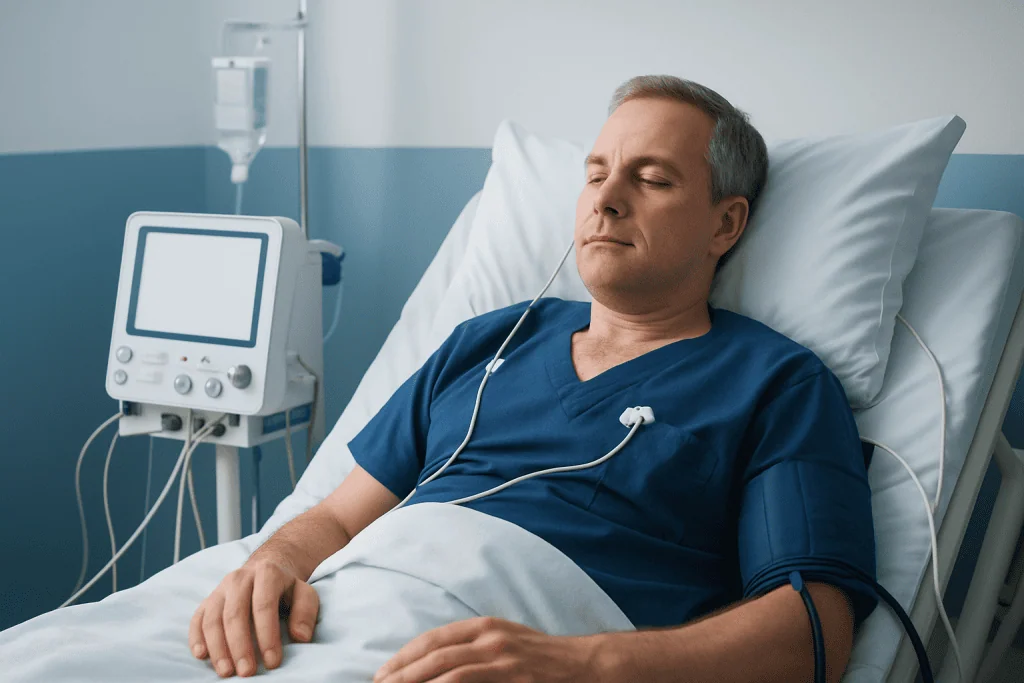
The symptoms of hemodynamic instability often reflect reduced blood flow to organs. A person may feel faint, dizzy, confused, weak, clammy, or unusually short of breath. Blood pressure may drop, the pulse may become fast or weak, and some people notice chest discomfort or a sense that something is seriously wrong.
Symptoms can depend on the cause and how quickly the problem develops. Sudden blood loss may lead to pale skin, rapid heartbeat, sweating, and collapse. Severe infection may cause fever, shaking chills, fast breathing, and mental confusion. Heart-related causes may bring chest pain, irregular heartbeat, or worsening breathlessness.
Warning signs may include:
- Low blood pressure or a noticeable drop from usual levels
- Fast heart rate or palpitations
- Cold, pale, or sweaty skin
- Dizziness, fainting, or near-fainting
- Confusion, agitation, or reduced alertness
- Shortness of breath
- Chest pain
- Low urine output
Not every person has every symptom, and some signs are more obvious to clinicians than to patients. For example, a doctor may identify unstable circulation from changes in pulse, oxygen level, urine output, or blood tests even before a patient can describe severe symptoms.
Why it happens: main causes and risk factors

Hemodynamic instability can happen when there is too little blood volume, poor heart pumping, abnormal blood vessel tone, or an obstruction to blood flow. Common examples include major dehydration, significant bleeding, severe allergic reactions, widespread infection, heart attack, dangerous arrhythmias, or worsening heart failure. Each affects circulation in a different way, but all can lower effective blood flow to tissues.
Doctors often think about causes in broad groups. “Hypovolemic” problems occur when there is not enough circulating fluid, such as from bleeding, vomiting, diarrhea, burns, or dehydration. “Cardiogenic” causes involve poor pumping function, such as heart attack or severe heart failure. “Distributive” causes include sepsis or anaphylaxis, where blood vessels become too relaxed and blood pressure falls. “Obstructive” causes include problems such as pulmonary embolism, cardiac tamponade, or tension pneumothorax, which physically limit circulation.
Risk factors depend on the underlying condition. Older age, known cardiovascular disease, recent major surgery, serious infection, trauma, chronic kidney disease, certain medicines, and severe fluid loss can all increase the chance of becoming hemodynamically unstable. Patients in intensive care or with multiple health problems may be monitored especially closely because small changes can become important quickly.
In some cases, the instability is related to a specific emergency such as arrhythmia or pulmonary embolism. In others, it develops gradually during a hospitalization or serious illness. This is why clinicians focus not just on symptoms, but also on the whole medical context.
How doctors assess and diagnose it
Diagnosis begins with rapid assessment of vital signs and overall appearance. Doctors look at blood pressure, heart rate, breathing rate, oxygen level, temperature, mental status, and urine output. They also ask about symptoms, recent illness, fluid loss, bleeding, medications, and any history of heart or lung disease.
A physical examination helps guide the next steps. The clinician may check skin temperature and color, neck veins, heart and lung sounds, swelling, abdominal tenderness, and signs of infection or trauma. At the same time, they often start supportive treatment rather than waiting for every result, because stabilizing circulation is a priority.
Tests commonly used include blood tests, electrocardiogram, and imaging. Blood work may assess blood count, kidney function, electrolytes, markers of infection, acid-base balance, and sometimes cardiac markers. An ECG can show rhythm problems or evidence of heart strain. Depending on the situation, doctors may use bedside ultrasound, chest imaging, or other scans to look for bleeding, poor heart function, fluid overload, or blocked blood flow.
Monitoring may continue over time because hemodynamic status can change quickly. In emergency or intensive care settings, repeated blood pressure checks, continuous heart monitoring, and sometimes advanced monitoring tools help the team see whether treatment is improving organ perfusion. The goal is to identify both the severity of instability and its root cause.
Treatment focuses on stabilizing circulation and treating the cause
Treatment depends on why hemodynamic instability is happening, but the first goal is always the same: restore safe blood flow to vital organs. Initial care may include oxygen, intravenous fluids, close monitoring, and urgent treatment of any obvious trigger such as bleeding, infection, or a dangerous heart rhythm. Some patients need care in an emergency department or intensive care setting.
If the cause is fluid loss or dehydration, doctors may give intravenous fluids. If there is major bleeding, blood products and urgent control of the bleeding source may be needed. In severe infection, antibiotics and fluids are often started quickly. In heart-related cases, treatment may include medicines that support blood pressure or heart function, rhythm control, or procedures to address blocked or impaired circulation.
For selected patients, specialists may recommend procedures such as angiography to evaluate blocked blood vessels or cardiac catheterization when a heart-related emergency is suspected. If a pulmonary embolism or another urgent vascular problem is involved, advanced imaging and targeted treatment may be necessary. Some people with severe rhythm disturbances may need close electrophysiology evaluation or pacing support.
Because hemodynamic instability is a sign rather than a single disease, successful treatment depends on identifying the exact cause. Even after blood pressure improves, the medical team continues to watch for signs that the brain, kidneys, heart, and lungs are recovering well. Follow-up care may involve cardiology, intensive care, internal medicine, or other specialties depending on the diagnosis.
Recovery, prevention, and self-care
Recovery depends on the underlying cause, how quickly treatment began, and whether any organs were affected. Some people recover fully after treatment for dehydration or a temporary infection. Others need longer care and follow-up after major bleeding, sepsis, heart attack, or advanced heart disease.
Prevention is not always possible, but risk can often be reduced by managing chronic conditions carefully and seeking help early for worsening symptoms. Good control of heart disease, diabetes, blood pressure problems, and infections can lower the chance of sudden circulation problems. Taking medicines exactly as prescribed and attending follow-up visits are also important.
Helpful self-care steps may include:
- Drinking enough fluids when appropriate, especially during vomiting, diarrhea, fever, or hot weather
- Reporting new chest pain, severe breathlessness, fainting, or confusion without delay
- Monitoring chronic conditions such as blood pressure or heart failure as advised
- Following medical guidance after surgery or hospitalization
- Knowing the warning signs of serious infection, bleeding, or allergic reactions
Patients should not try to manage suspected hemodynamic instability at home. Rest, hydration, and symptom tracking can support general health, but sudden or significant symptoms need medical evaluation. Near the end of recovery, some patients may benefit from specialist review to reduce the risk of recurrence and to adjust ongoing treatment plans.
When to seek medical care
Immediate medical care is needed if a person has fainting, severe dizziness, confusion, chest pain, marked shortness of breath, bluish lips, heavy bleeding, or signs of shock such as cold clammy skin and a weak rapid pulse. These symptoms can mean the organs are not getting enough blood flow and should not be ignored. Emergency assessment is especially important if symptoms start suddenly or worsen quickly.
Urgent medical advice is also appropriate for persistent vomiting or diarrhea, high fever with weakness, black or bloody stools, new irregular heartbeat, or a sudden drop in blood pressure in someone with heart or kidney disease. People recovering from surgery, trauma, or a recent severe illness should be cautious if they feel unexpectedly faint or weak.
If evaluation points to a cardiovascular cause, further care may include cardiology assessment and monitoring. Acibadem International’s multidisciplinary specialists and JCI-accredited hospitals diagnose and treat conditions associated with hemodynamic instability for international patients. A qualified doctor can determine whether symptoms are due to a temporary problem or a more serious underlying illness.
Frequently asked questions
Is hemodynamic instability the same as shock?
Not exactly. Hemodynamic instability is a broader term that means circulation is not stable enough to reliably support the body’s organs. Shock is a more severe state of circulatory failure and can be one consequence of hemodynamic instability.
Can dehydration cause hemodynamic instability?
Yes, severe dehydration can reduce blood volume and lower blood pressure enough to impair blood flow to organs. This is more likely if fluid loss is rapid or if the person is older, frail, or has other medical conditions. Medical assessment is important when dehydration is accompanied by fainting, confusion, or worsening weakness.
What blood pressure is considered hemodynamically unstable?
There is no single blood pressure number that defines hemodynamic instability for every person. Doctors look at the whole picture, including symptoms, heart rate, mental status, urine output, oxygenation, and whether blood pressure is falling from that person’s usual baseline. A mildly low reading in one person may be more serious in another if organ perfusion is affected.
Can a fast heart rate alone mean hemodynamic instability?
A fast heart rate by itself does not always mean unstable circulation. It can happen with anxiety, fever, pain, dehydration, or exercise. However, if it occurs with low blood pressure, chest pain, fainting, confusion, or shortness of breath, it needs prompt medical evaluation.
How is hemodynamic instability treated in the hospital?
Hospital treatment usually starts with close monitoring and support for breathing and circulation. Depending on the cause, doctors may give intravenous fluids, oxygen, antibiotics, blood products, blood pressure-supporting medicines, or urgent procedures. Treatment then focuses on correcting the underlying problem, such as infection, bleeding, arrhythmia, or heart dysfunction.
Can someone recover fully from hemodynamic instability?
Many people do recover fully, especially when the cause is identified and treated early. Recovery can be slower if there was severe infection, major blood loss, or injury to organs such as the heart or kidneys. Follow-up care helps monitor for complications and lowers the chance of recurrence.
This article is for general information only and is not a substitute for professional medical advice. Please consult a qualified doctor about your individual situation.
Explore treatments in Turkey — costs, top hospitals & a free quote
JCI-accredited · board-certified surgeons · reply within 24h
Add us as a Preferred Source to see more of our trusted health content across Google Search, AI Overviews and Discover.
Check your numbers in seconds
BMI, calories, due date, blood pressure and 30+ more clinical calculators — free, instant, doctor-reviewed ranges.

More from the Health Library

Body Doubling: An Evidence-Based Guide for Patients

Anti Inflammatory Cream: An Evidence-Based Guide for Patients

Back Muscles: An Evidence-Based Guide for Patients

Umbilical Cord: An Evidence-Based Guide for Patients

Sodium Citrate: An Evidence-Based Guide for Patients