High Altitude Pulmonary Edema — Explained by Medical Evidence, Not Myths

High altitude pulmonary edema (HAPE) is caused by low oxygen at high altitude, not by infection or heart failure in most otherwise healthy travelers. Early symptoms often include unusual shortness of breath with activity, reduced exercise tolerance, cough, and marked fatigue after ascent.
Key Takeaways
- High altitude pulmonary edema (HAPE) is caused by low oxygen at high altitude, not by infection or heart failure in most otherwise healthy travelers.
- Early symptoms often include unusual shortness of breath with activity, reduced exercise tolerance, cough, and marked fatigue after ascent.
- HAPE can worsen quickly, so prompt descent, supplemental oxygen when available, and urgent medical assessment are key.
- Slow ascent, rest days, and avoiding overexertion after rapid gain in altitude can help reduce risk.
- Anyone with breathlessness at rest, blue lips, confusion, or worsening cough at altitude should seek emergency care.
High altitude pulmonary edema is a potentially serious form of altitude illness in which fluid collects in the lungs after ascent to high elevation. It is treatable, especially when recognized early, and the most important first steps are stopping ascent, descending, and seeking medical care.
What high altitude pulmonary edema is
High altitude pulmonary edema, often shortened to HAPE, is a condition in which fluid leaks into the air spaces of the lungs after a person goes to high elevation. This fluid makes it harder for oxygen to pass from the lungs into the blood, leading to shortness of breath and reduced exercise capacity. Although it is a form of altitude illness, it is different from ordinary tiredness during travel and should not be dismissed as simply being out of shape.
HAPE usually develops within the first few days after ascent, especially when someone climbs or travels rapidly to a higher altitude without enough time to acclimatize. It may occur in trekkers, skiers, climbers, military personnel, or travelers arriving by road or air to mountain regions. While it can affect healthy people, prior episodes of HAPE increase the chance of it happening again.
This condition is not mainly caused by “water in the lungs” from drinking too much fluid, nor is it typically due to pneumonia or underlying heart disease in otherwise healthy travelers. Instead, medical evidence shows that low oxygen at altitude causes uneven narrowing of blood vessels in the lungs. Pressure then rises in parts of the lung circulation, allowing fluid to leak into lung tissue and air sacs.
How it develops and why it can become serious
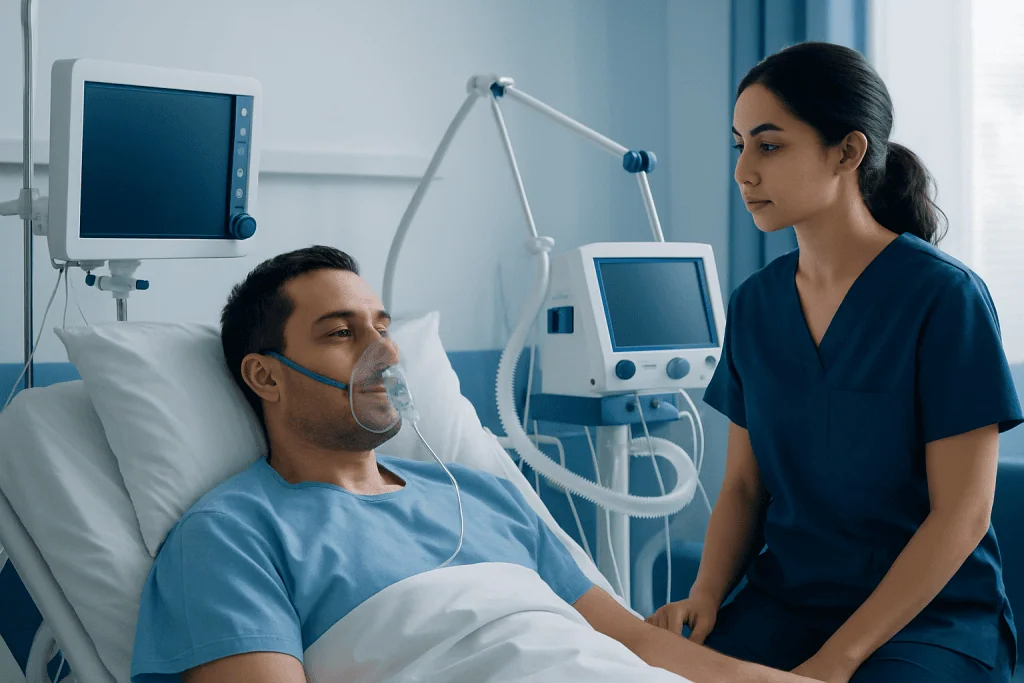
At high altitude, the air contains less oxygen pressure than at sea level. The body responds by breathing faster and by changing blood flow in the lungs. In some people, the blood vessels in the lungs constrict more strongly than usual. This raises pressure in the pulmonary circulation and stresses the delicate barrier between blood vessels and air sacs.
As fluid moves into the lungs, oxygen levels drop further. That can create a cycle in which low oxygen causes more vessel constriction, which then leads to more fluid leakage. Because of this, HAPE may start with mild symptoms and then worsen over hours. A traveler who felt only unusually tired in the morning may be noticeably breathless later the same day.
HAPE is important to recognize because it can progress to severe oxygen deprivation if not treated. However, with timely descent, oxygen, and supportive treatment, recovery is often very good. Understanding the mechanism helps separate evidence from myths: it is not caused by weak willpower, poor fitness alone, or simply not drinking enough water.
Symptoms and early warning signs

The earliest signs of high altitude pulmonary edema are often subtle. A person may notice that routine walking feels much harder than expected, or that they are becoming short of breath with exertion much sooner than others. Fatigue can seem out of proportion to the activity, and climbing even a small slope may feel unusually difficult.
As HAPE progresses, symptoms may include a persistent cough, chest tightness, fast heartbeat, and shortness of breath even at rest. Sleep may be disturbed because breathing feels uncomfortable when lying down. Some people produce frothy sputum, though this usually appears later and not in every case.
Common symptoms and signs include:
- Shortness of breath during activity that is worse than expected for altitude
- Reduced ability to keep pace or exercise
- Dry cough that may later become wet
- Marked fatigue or weakness
- Rapid breathing and rapid pulse
- Breathlessness at rest in more advanced cases
- Blue or gray lips or fingertips, suggesting low oxygen
Because symptoms can overlap with other conditions, HAPE may be confused with a chest infection, asthma, exhaustion, or simple altitude discomfort. A key clue is that breathing symptoms develop after ascent and become progressively worse, particularly if the person cannot recover with rest.
Causes, triggers, and who is at higher risk
The main trigger for HAPE is rapid ascent to altitude without adequate acclimatization. The exact altitude at which it occurs varies from person to person, but the risk rises as elevation increases and the body has less time to adapt. Sleeping at a new, much higher altitude is often a major factor.
Several circumstances can raise risk. These include previous HAPE, intense physical exertion soon after arrival, cold exposure, and possibly respiratory infections that may further strain the lungs. Some people appear biologically more susceptible because their pulmonary blood vessels respond more strongly to low oxygen.
Risk may be higher in:
- People ascending quickly to high altitude
- Travelers with a past history of HAPE
- Trekkers or climbers doing strenuous activity soon after ascent
- Children and young adults in some settings, though adults are also affected
- People who ignore early symptoms and continue climbing
HAPE can occur on its own or along with other altitude illnesses, including altitude sickness. In some cases, symptoms may overlap with high altitude cerebral edema, a brain-related emergency that can cause confusion or poor coordination. When both lung and brain symptoms are present, urgent descent and immediate medical care are especially important.
How doctors diagnose high altitude pulmonary edema
Diagnosis starts with the story: recent ascent, timing of symptoms, and the pattern of worsening breathlessness. A clinician will ask how quickly the altitude was gained, whether symptoms began during activity or at rest, and whether there is a history of prior altitude illness. Physical examination may reveal fast breathing, low oxygen levels, crackling sounds in the lungs, or bluish skin color in more severe cases.
In many mountain settings, diagnosis is primarily clinical because advanced testing may not be immediately available. Pulse oximetry can help show low oxygen saturation, although values vary with altitude and must be interpreted in context. The key concern is the combination of symptoms, altitude exposure, and progressive breathing difficulty.
When evaluation is available, doctors may use tests to confirm the diagnosis and rule out other causes such as pneumonia, asthma, blood clots, or heart-related pulmonary edema. These may include a chest X-ray, blood tests, and assessment by a respiratory specialist. In selected cases, chest diseases evaluation or a general medical check-up may help assess overall health and risk factors before future high-altitude travel.
Treatment options and what to do first
The first and most important treatment is to stop ascending. If HAPE is suspected, the person should rest, keep warm, and descend as soon as safely possible. Even a modest descent can improve oxygen levels, and a larger descent is often needed if symptoms are significant. Delaying descent in the hope that symptoms will pass can be dangerous.
Supplemental oxygen is a cornerstone of treatment when available. Oxygen helps reverse low blood oxygen levels and reduces the lung blood vessel constriction that contributes to fluid leakage. In severe cases, evacuation to a medical facility is needed. Portable hyperbaric bags may be used in remote environments when descent is delayed, but they are a temporary measure rather than a substitute for proper care.
A doctor may also use medications in selected circumstances, particularly when descent or oxygen is not immediately available or when a person has a known history of HAPE and a prevention plan. Medication choices depend on the clinical situation and should be guided by a qualified clinician. Some patients need imaging and supportive respiratory care, and in more serious cases intensive care may be required until breathing stabilizes.
For international patients needing evaluation after travel-related illness, Acibadem International’s multidisciplinary specialists and JCI-accredited hospitals diagnose and treat respiratory and altitude-related complications, including access to pulmonology care when appropriate.
Prevention and self-care for future trips
The best prevention is gradual ascent. Allowing time for acclimatization gives the body a chance to adapt to lower oxygen levels. For many travelers, this means avoiding large jumps in sleeping altitude and building in rest days during treks or mountain itineraries. If symptoms of altitude illness appear, further ascent should be postponed.
Travelers should also avoid heavy exertion during the first day or two at a new high altitude. While staying hydrated is sensible, overhydration does not prevent HAPE and should not replace practical altitude precautions. Alcohol or sedating medicines may worsen judgment or sleep-related breathing and are best used cautiously, especially early in the trip.
People with a prior episode of HAPE should speak with a doctor before returning to high altitude. They may need a personalized prevention plan, which can include itinerary changes, close symptom monitoring, and in some cases preventive medication. Pre-travel counseling is especially important for children, people with chronic lung or heart conditions, and those planning rapid ascent.
Simple self-care measures include:
- Ascend gradually whenever possible
- Schedule rest days after significant altitude gain
- Avoid intense exercise immediately after arrival
- Monitor for early breathing symptoms rather than pushing through them
- Descend promptly if symptoms worsen
When to seek medical care
Medical assessment is important whenever shortness of breath at altitude seems more severe than expected, especially if symptoms are getting worse instead of improving with rest. HAPE should be considered if a person develops cough, unusual fatigue, or markedly reduced exercise tolerance within days of ascent.
Urgent or emergency care is needed for breathlessness at rest, trouble speaking in full sentences, blue lips or fingertips, chest discomfort, confusion, severe weakness, or inability to walk normally. These features suggest significant oxygen shortage and possible progression of altitude illness. While arranging help, the person should stop climbing, use oxygen if available, and begin descent if it is safe to do so.
After recovery, follow-up can be useful to confirm the diagnosis and discuss future risk. A clinician may review whether any underlying heart or lung problem needs attention and help distinguish HAPE from conditions such as infection or asthma. Anyone uncertain about symptoms at altitude should seek qualified medical advice rather than relying on myths, group opinions, or self-diagnosis alone.
Frequently asked questions
Is high altitude pulmonary edema the same as regular altitude sickness?
No. High altitude pulmonary edema is a specific and more serious type of altitude illness in which fluid builds up in the lungs. It can occur with other altitude problems, but it is different from mild headache, nausea, or fatigue alone.
How quickly can HAPE develop?
It often develops within the first two to five days after arriving at a higher altitude, especially after rapid ascent. Symptoms may start mildly and then worsen over hours, which is why early recognition matters.
Can a healthy, fit person get high altitude pulmonary edema?
Yes. Good fitness does not fully protect against HAPE because the condition is mainly related to how the lungs' blood vessels respond to low oxygen. In some situations, very fit travelers may even overlook early symptoms and continue exerting themselves.
What should someone do first if they suspect HAPE?
They should stop ascending immediately and rest. If possible, they should use supplemental oxygen, descend as soon as safely possible, and seek prompt medical care.
Can HAPE be prevented?
Risk can often be reduced by ascending gradually, taking rest days, and avoiding strenuous activity right after gaining altitude. People with a previous episode should consult a doctor before future trips because they may need a personalized prevention plan.
Does coughing mean a person definitely has high altitude pulmonary edema?
No. Cough can happen for many reasons at altitude, including dry air or infection. What raises concern for HAPE is cough together with progressive shortness of breath, poor exercise tolerance, fatigue, and recent ascent.
References
- Wilderness Medical Society
- Centers for Disease Control and Prevention
- National Heart, Lung, and Blood Institute
- Merck Manual Professional Edition
- American Thoracic Society
This article is for general information only and is not a substitute for professional medical advice. Please consult a qualified doctor about your individual situation.
Pulmonary Edema in Turkey — costs, top hospitals & a free quote
JCI-accredited · board-certified surgeons · reply within 24h
Add us as a Preferred Source to see more of our trusted health content across Google Search, AI Overviews and Discover.