

Hip Arthroscopy: Who Is a Candidate and What Does It Treat?

Hip arthroscopy uses a camera and small instruments inserted through tiny incisions to treat selected hip conditions. Common reasons for hip arthroscopy include labral tears, femoroacetabular impingement, loose bodies, and some cartilage problems.
Key Takeaways
- Hip arthroscopy uses a camera and small instruments inserted through tiny incisions to treat selected hip conditions.
- Common reasons for hip arthroscopy include labral tears, femoroacetabular impingement, loose bodies, and some cartilage problems.
- The best candidates are people whose symptoms match findings on examination and imaging and who have not improved with conservative care.
- Recovery usually involves physical therapy, activity restrictions for a period, and a gradual return to daily activities and sports.
- Hip arthroscopy is not suitable for every cause of hip pain, especially when advanced arthritis is present.
Hip arthroscopy is a minimally invasive procedure used to diagnose and treat certain problems inside and around the hip joint. It may help people with ongoing hip pain, catching, or limited motion when non-surgical treatment has not provided enough relief.
Overview: What Is Hip Arthroscopy?
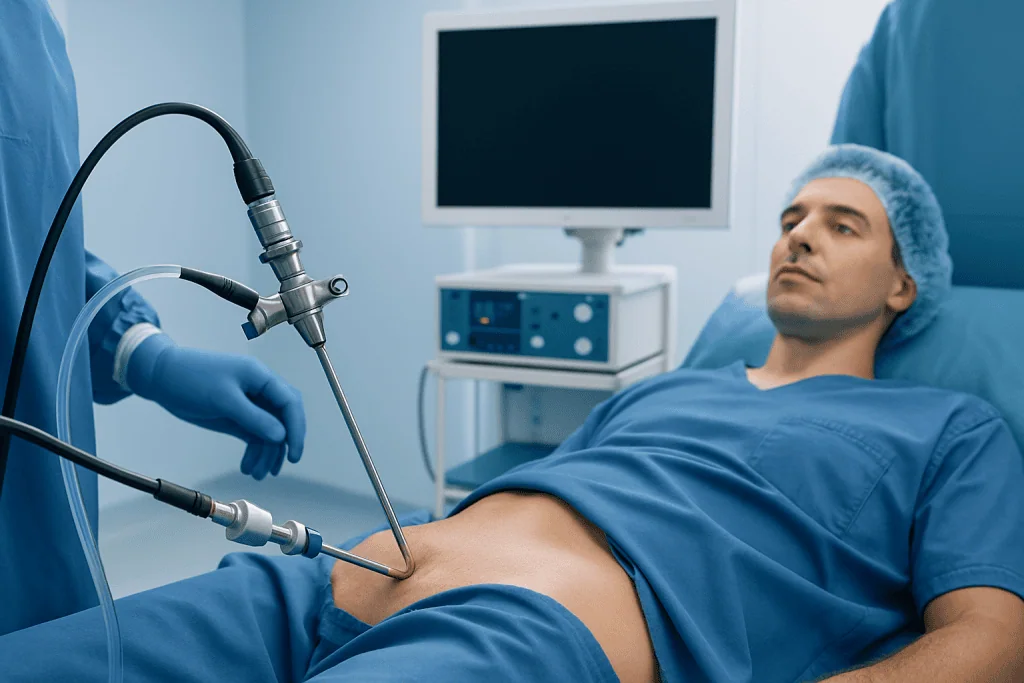
Hip arthroscopy is a surgical procedure that allows an orthopedic surgeon to look inside the hip joint using a small camera called an arthroscope. The camera and fine instruments are placed through small incisions around the hip. This approach lets the surgeon diagnose and treat certain conditions without making the larger incision used in traditional open surgery.
The hip is a ball-and-socket joint. It is lined with smooth cartilage, and a ring of tissue called the labrum helps support and seal the joint. When these structures are damaged or when the shape of the hip causes abnormal contact during movement, pain and stiffness can develop. Hip arthroscopy is designed to address some of these problems in carefully selected patients.
Although hip arthroscopy is minimally invasive, it is still a real operation that requires careful planning, anesthesia, and rehabilitation. It is most helpful when the source of pain can be clearly linked to a treatable problem within or around the joint, rather than to widespread joint wear or pain coming from another area such as the lower back.
Who Is a Candidate for Hip Arthroscopy?
A good candidate for hip arthroscopy is usually someone with ongoing hip or groin pain that affects daily activities, exercise, or sports and has not improved enough with non-surgical treatment. Conservative care often includes rest, activity changes, anti-inflammatory medication when appropriate, and structured physical therapy. In some cases, an image-guided injection may also be used to help confirm that the hip joint is the source of symptoms.
Symptoms that may suggest a treatable hip problem include pain in the groin, clicking, catching, locking, stiffness, and reduced range of motion. Some people notice discomfort when sitting for long periods, pivoting, squatting, climbing stairs, or returning to athletic activity. The pattern of symptoms matters, but it must be supported by examination findings and imaging tests.
Age alone does not decide whether someone is a candidate. Instead, surgeons look at the condition of the joint. People with advanced osteoarthritis or major loss of cartilage often benefit less from hip arthroscopy because the pain may be caused by broad joint degeneration rather than a focal problem that can be corrected arthroscopically.
In general, suitable candidates have symptoms that match a condition known to respond to treatment, realistic expectations, and the ability to commit to rehabilitation after surgery. A specialist will also consider overall health, body mechanics, activity level, and whether pain might be coming from another source such as the spine, pelvis, or surrounding muscles and tendons.
What Conditions Can Hip Arthroscopy Treat?
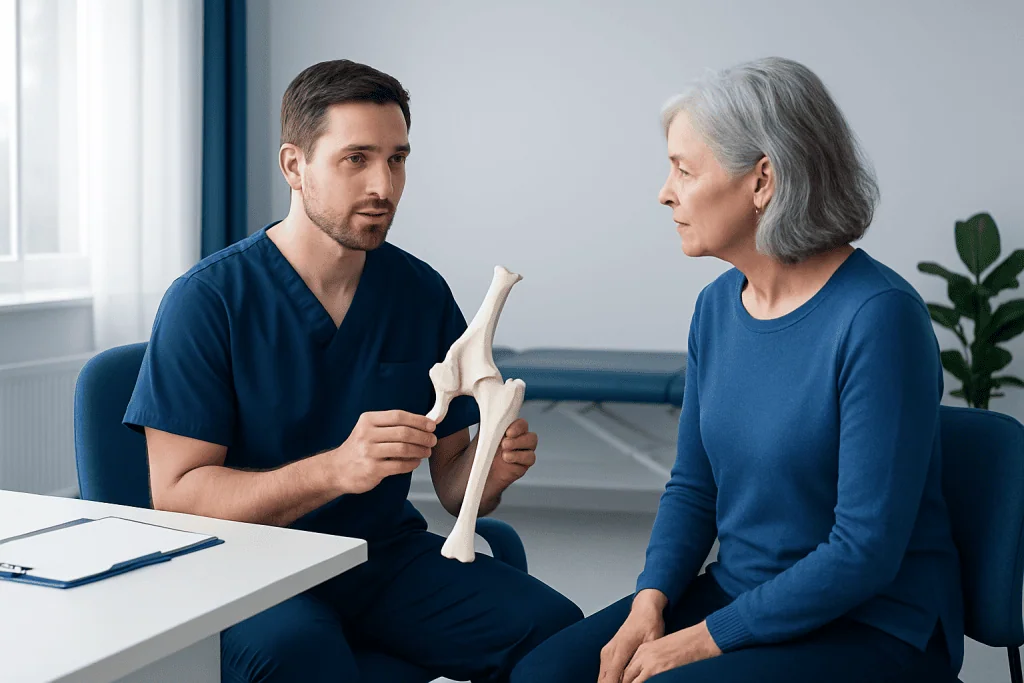
One of the most common reasons for hip arthroscopy is a hip labral tear. The labrum can become torn from injury, repetitive motion, or abnormal joint mechanics. A torn labrum may cause groin pain, clicking, catching, or a sense that the hip is not moving smoothly. During arthroscopy, the labrum may be repaired, trimmed in selected cases, or reconstructed depending on the pattern and severity of damage.
Hip arthroscopy is also frequently used for femoroacetabular impingement. In this condition, extra bone on the femoral head-neck junction, the socket, or both can cause repeated pinching inside the joint. Over time, this may injure the labrum and cartilage. Arthroscopy can reshape the bony areas causing impingement and address associated soft tissue damage.
Other conditions that may be treated include loose bodies within the joint, focal cartilage injury, inflammation of the joint lining, and some tendon-related or outer hip problems in selected cases. Surgeons may also use hip arthroscopy to evaluate unexplained symptoms when imaging and examination suggest an internal joint problem.
However, not every hip condition can be treated arthroscopically. Advanced arthritis, severe hip dysplasia, major structural instability, certain fractures, or extensive damage may be better treated with different procedures. For some patients, options such as hip replacement or other forms of reconstructive surgery may be more appropriate than arthroscopy.
How Doctors Diagnose the Problem
Diagnosis begins with a detailed medical history and physical examination. The doctor asks where the pain is felt, what movements trigger it, whether there is clicking or locking, and how symptoms affect work, exercise, or sleep. Examination may include tests of range of motion, strength, walking pattern, flexibility, and special maneuvers that place the hip in positions known to reproduce impingement or labral pain.
Imaging plays an important role. Standard X-rays help assess the shape of the hip and look for arthritis, dysplasia, or bony changes linked to impingement. Magnetic resonance imaging, sometimes with contrast in a study called MR arthrography, can show the labrum, cartilage, and surrounding soft tissues more clearly. In some situations, computed tomography may help define the bony anatomy in greater detail.
Because hip pain can come from more than one source, doctors sometimes use diagnostic injections. If a local anesthetic placed into the hip joint leads to temporary symptom relief, it supports the idea that the joint itself is the main source of pain. This can be especially helpful when symptoms overlap with back pain, tendon disorders, or pelvic conditions.
The decision to recommend surgery is based on the full picture, not on a scan alone. Many people have imaging findings that do not cause symptoms. Hip arthroscopy is most likely to help when the patient’s complaints, examination, imaging results, and response to prior treatment all point to the same diagnosis.
What Happens During Hip Arthroscopy?
Hip arthroscopy is usually performed under anesthesia. The patient is positioned carefully so the surgeon can safely access the joint. Small incisions are made, and the arthroscope is inserted to view the inside of the hip on a monitor. Additional tiny portals allow the surgeon to pass instruments to treat the problem.
The exact procedure depends on the diagnosis. A surgeon may repair a torn labrum, remove unstable tissue, smooth damaged cartilage, remove loose fragments, or reshape bone causing impingement. In some patients, treatment focuses on preserving as much healthy tissue as possible to improve joint function and reduce abnormal contact inside the hip.
At the end of the procedure, the instruments are removed and the small incisions are closed. Most people go home the same day, although this depends on the procedure performed, overall health, and the care plan. Some patients may be given crutches for a period and instructions about weight-bearing, wound care, and early exercises.
Because each hip problem is different, recovery plans vary. Patients who undergo more extensive labral repair or bony reshaping may have a different rehabilitation timeline from those treated for a small loose body or limited tissue damage. The surgeon explains what was found and how that affects recovery expectations.
Treatment Options, Benefits, and Limits
Hip arthroscopy is usually considered after non-surgical treatment has been tried, unless there is a clear reason to operate sooner. Conservative options may include guided exercise therapy, temporary activity modification, pain-relieving or anti-inflammatory medicines if suitable, and targeted injections. These measures can reduce symptoms and help determine whether surgery is necessary.
When the right patient is selected, hip arthroscopy may improve pain, movement, and function by treating the underlying mechanical problem. It may also help patients return to sports or physically demanding activities. The minimally invasive approach often means smaller incisions and less soft tissue disruption than open surgery, but outcomes still depend heavily on the exact diagnosis, the condition of the cartilage, and the quality of rehabilitation.
Like any surgery, hip arthroscopy has limits and risks. Relief is not guaranteed, and some symptoms may persist if there is cartilage wear, nerve-related pain, muscle imbalance, or another untreated source of discomfort. Possible complications can include infection, bleeding, blood clots, stiffness, continued pain, temporary numbness, or injury to surrounding structures, although serious complications are uncommon in experienced hands.
For people with severe arthritis or major joint damage, other procedures may offer better long-term benefit. Depending on the cause, treatment may range from physical therapy and rehabilitation to reconstructive surgery. The best approach is individualized after a careful orthopedic assessment.
Recovery, Rehabilitation, and Self-care
Recovery after hip arthroscopy is gradual. Many patients use crutches for a period, especially if bone reshaping or labral repair was performed. Early goals include controlling swelling, protecting the repair, improving comfort, and restoring gentle motion. The surgeon and rehabilitation team provide specific instructions on walking, sleeping positions, exercises, and return to driving or work.
Physical therapy is a key part of recovery. A structured program helps restore range of motion, strengthen the core and hip muscles, improve balance, and correct movement patterns that may have contributed to symptoms. Progression is usually staged, beginning with protected movement and moving toward strength, endurance, and sport-specific activity.
Patients can support recovery by following weight-bearing instructions carefully, attending rehabilitation sessions, and avoiding a rush back to high-impact activity. Good pain control, adequate sleep, and gradual activity increases are also important. Many people return to desk-based work sooner than to running, pivoting sports, or heavy labor.
Near the end of the care journey, some people seek treatment in specialist centers that coordinate surgery, imaging, and rehabilitation. Acibadem International’s multidisciplinary specialists and JCI-accredited hospitals diagnose and treat hip conditions for international patients, including advanced orthopedic assessment and procedures such as arthroscopy when appropriate.
When to See a Doctor
A person should consider medical evaluation if hip or groin pain lasts more than a few weeks, keeps returning, or interferes with walking, exercise, work, or sleep. Pain accompanied by clicking, catching, locking, or reduced range of motion is especially worth discussing with a doctor, particularly after an injury or when symptoms affect sports participation.
Prompt assessment is also important if there is significant weakness, inability to bear weight, increasing stiffness, or pain that does not improve with rest. Not all hip pain comes from the joint itself, so a proper evaluation can help avoid delays and guide the right treatment plan.
Urgent medical attention is needed for severe pain after trauma, inability to move the leg, marked swelling, fever, redness, or signs of infection. These symptoms can point to problems that need immediate care rather than elective arthroscopy.
For people wondering whether hip arthroscopy is the right option, the most helpful next step is a consultation with an orthopedic specialist who treats hip disorders regularly. A tailored assessment can clarify the diagnosis, explain the expected benefits and limitations of surgery, and identify whether non-surgical treatment should continue first.
Frequently asked questions
Is hip arthroscopy major surgery?
Hip arthroscopy is considered minimally invasive because it uses small incisions and a camera rather than a large open incision. Even so, it is still surgery and requires anesthesia, careful recovery, and rehabilitation.
What symptoms suggest someone may need hip arthroscopy?
Persistent groin or hip pain, clicking, catching, locking, stiffness, and pain with sitting, squatting, or pivoting can suggest a hip problem that may be treated arthroscopically. Surgery is usually considered only when symptoms, examination, and imaging all point to the same diagnosis and non-surgical care has not helped enough.
Can hip arthroscopy treat arthritis?
Hip arthroscopy is generally less effective for advanced arthritis because widespread cartilage loss cannot be fully corrected with this approach. It may still have a role in selected patients with very early changes, but significant arthritis often leads doctors to discuss other treatment options.
How long does recovery after hip arthroscopy take?
Recovery varies depending on what was treated, the patient’s overall health, and the demands of daily life or sport. Many people improve over several weeks, but full rehabilitation and return to higher-level athletic activity can take several months.
Will physical therapy still be needed after hip arthroscopy?
Yes, physical therapy is usually an essential part of recovery. Rehabilitation helps restore motion, rebuild strength, improve balance and movement patterns, and support a safer return to normal activities.
Are the results of hip arthroscopy permanent?
Results can be long-lasting when the right problem is treated in the right patient, especially if rehabilitation is followed carefully. However, outcomes depend on factors such as cartilage health, hip shape, activity level, and whether any arthritis is already present.
References
- American Academy of Orthopaedic Surgeons
- National Institute for Health and Care Excellence
- American Association of Hip and Knee Surgeons
- National Institutes of Health
- American Orthopaedic Society for Sports Medicine
This article is for general information only and is not a substitute for professional medical advice. Please consult a qualified doctor about your individual situation.
Arthroscopy in Turkey — costs, top hospitals & a free quote
JCI-accredited · board-certified surgeons · reply within 24h
Add us as a Preferred Source to see more of our trusted health content across Google Search, AI Overviews and Discover.

Orthopedics & Spine
Care for bones, joints and the musculoskeletal system, including joint replacement, sports injuries and trauma.
125 specialists in this unitMore from the Health Library



Related Specialists

Assoc. Prof. Dr. Işil Fazilet Kartaloğlu
Physical Medicine & Rehabilitation
Prof. Dr. Ethem Tankurt
Gastroenterology
Prof. Dr. Emel Güngör
Dermatology
Psk. Mehmet Güney Ziyalan
Psychology