Hip Pain Causes: Possible Causes and When to Seek Care

Hip pain may come from muscles, tendons, bursae, the hip joint, nerves, or the lower back. Pain in the groin often points to the hip joint, while pain on the outer hip commonly relates to bursitis or tendon problems.
Key Takeaways
- Hip pain may come from muscles, tendons, bursae, the hip joint, nerves, or the lower back.
- Pain in the groin often points to the hip joint, while pain on the outer hip commonly relates to bursitis or tendon problems.
- New hip pain after a fall, inability to bear weight, fever, or sudden severe pain needs prompt medical assessment.
- Most cases improve with activity changes, exercise-based rehabilitation, and treatment guided by the underlying cause.
- Persistent or recurring hip pain should be evaluated to prevent reduced mobility and worsening joint or soft-tissue problems.
Hip pain causes range from short-term muscle strain to joint disease, nerve irritation, or problems that start in the back rather than the hip itself. The likely cause often depends on where the pain is felt, whether it began suddenly or gradually, and what movements make it worse.
Overview: what hip pain can mean
Hip pain causes include simple problems such as overuse or muscle strain, but they can also involve arthritis, inflammation around the joint, tendon injury, pinched nerves, or referred pain from the lower back. In many people, the location of pain gives an early clue: groin pain often suggests the hip joint itself, outer hip pain commonly relates to tendons or bursae, and pain in the buttock may come from the back, deep hip muscles, or the sacroiliac region.
The hip is a large ball-and-socket joint that supports body weight during standing, walking, climbing stairs, and turning. Because many structures work together around it, pain does not always start in the exact area that hurts. A problem in the spine, pelvis, or knee can change movement patterns and lead to pain around the hip.
Another helpful way to think about hip pain is by timing. Sudden pain is more often linked to injury, a fall, sports activity, or a flare of inflammation. Gradual pain that builds over weeks or months is more commonly related to tendon overload, joint wear, posture and gait changes, or long-term conditions such as osteoarthritis.
Common symptoms and where the pain is felt
Hip pain may feel sharp, aching, stiff, burning, or deep and hard to localize. Some people notice pain only with certain movements, while others feel it when resting, sleeping on one side, or taking the first steps after sitting. Stiffness, limping, clicking, reduced range of motion, and pain that spreads into the thigh or knee are also common.
Where pain is felt can help narrow the cause. Groin or front-of-hip pain often points to joint-related problems such as arthritis, labral irritation, or hip impingement. Pain on the outside of the hip is frequently due to greater trochanteric pain syndrome, which may involve bursitis or gluteal tendon irritation. Buttock pain may be related to deep muscle problems, the sacroiliac joint, or referred pain from the lower back.
A person should also notice what makes symptoms worse. Pain during running, climbing stairs, crossing the legs, or rising from a chair can suggest different patterns of soft-tissue or joint involvement. Night pain, fever, marked swelling, or inability to put weight on the leg are less typical and deserve medical review.
- Groin pain: often joint-related
- Outer hip pain: often tendon or bursa-related
- Buttock pain: may come from the back or deep hip structures
- Pain with numbness or tingling: may suggest nerve involvement
Hip pain causes: the most likely possibilities
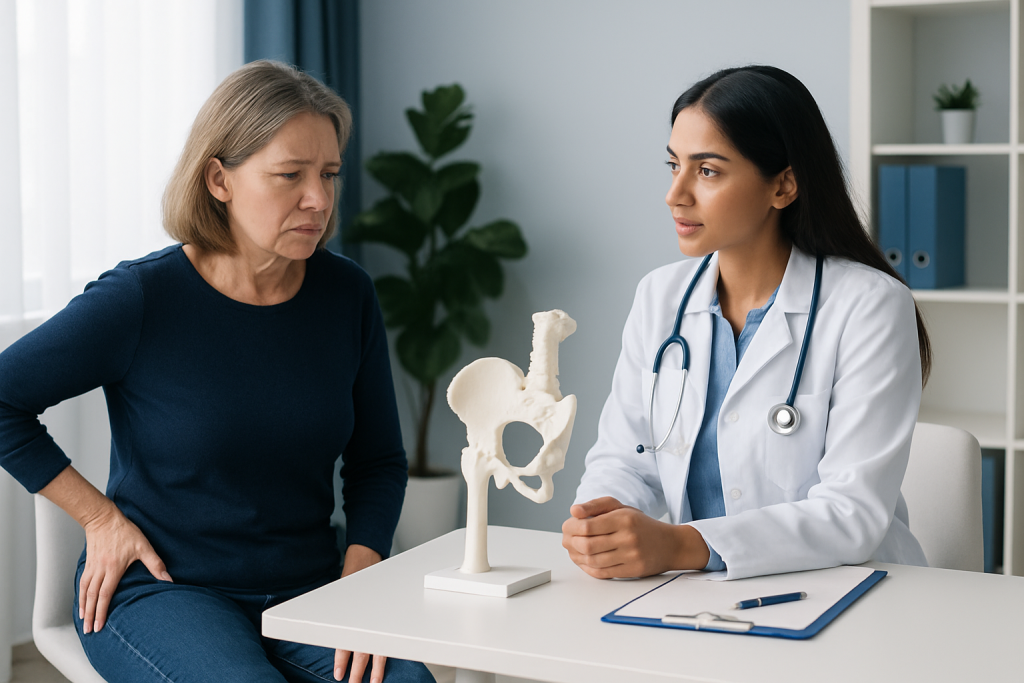
One of the most common hip pain causes is soft-tissue strain. This includes overuse of the hip flexors, gluteal muscles, hamstrings, or adductors after exercise, a sudden twist, prolonged standing, or changes in training. Tendon irritation around the hip can develop gradually when tissues are repeatedly overloaded without enough recovery.
Inflammation around the outer hip is another frequent reason for pain. Greater trochanteric pain syndrome is a broad term that may include gluteal tendinopathy and bursitis. It often causes tenderness on the outer side of the hip, pain when lying on that side, and discomfort with walking uphill or climbing stairs. Hip bursitis is often discussed separately, but it commonly overlaps with tendon problems rather than occurring alone.
Joint conditions are also important. Hip osteoarthritis can lead to groin pain, stiffness, and reduced movement, especially in older adults, though it can occur earlier after injury or with structural differences in the joint. Labral tears and femoroacetabular impingement may cause groin pain, clicking, or pain with twisting and deep bending, especially in active adults and athletes.
Not all hip pain starts in the hip. Referred pain from the lower spine may mimic hip disease, particularly when pain travels with numbness, tingling, or a burning sensation. Conditions such as a lumbar herniated disc can irritate nerves and cause pain in the buttock, side of the hip, or leg. Less common but important causes include fractures, infection, inflammatory arthritis, reduced blood supply to the bone, and pain related to childhood or adolescent growth disorders in younger patients.
Risk factors that make hip pain more likely
Hip pain is more likely when the joint or surrounding tissues are repeatedly stressed. Running, jumping sports, dancing, physically demanding work, and sudden increases in activity can all strain muscles and tendons. Poor recovery, weakness in the core or gluteal muscles, and movement patterns that overload one side of the body may also contribute.
Age is another major factor. As people get older, cartilage can wear down and tendons may become less resilient, increasing the chance of osteoarthritis, stiffness, and tendon-related pain. Previous injury to the hip, pelvis, or lower back can change the way a person walks and place extra demand on the hip joint.
Body weight, posture, and medical history can matter as well. Excess body weight may increase mechanical load on the hip. Inflammatory conditions, osteoporosis, long-term corticosteroid use, and certain metabolic conditions can raise the risk of bone or joint problems. Pregnancy may temporarily change gait and pelvic mechanics, leading to hip discomfort in some people.
Because several factors can overlap, a single clear cause is not always obvious at first. A person may have mild arthritis together with tendon irritation, or back-related pain that develops alongside reduced hip mobility. This is why persistent symptoms are best assessed as a whole rather than blamed on one structure too quickly.
How doctors diagnose the cause of hip pain
Diagnosis begins with a detailed history. A doctor will usually ask where the pain is felt, when it started, what activities trigger it, whether there was an injury, and if there are symptoms such as fever, weakness, numbness, swelling, or night pain. The pattern of pain during walking, sports, sitting, or sleeping often provides important clues.
A physical examination helps identify whether the source is the hip joint, surrounding soft tissues, or another area such as the lower back. The clinician may check walking pattern, range of motion, tenderness, muscle strength, and pain during specific movements. They may also examine the spine, pelvis, and knee because pain can be referred or influenced by nearby joints.
Imaging is not always needed right away, especially if symptoms are mild and clearly related to a recent strain. However, X-rays may help assess arthritis, fractures, and some structural changes. Ultrasound can evaluate certain tendon or bursa problems, while MRI is often used when there is concern about labral injury, stress fracture, avascular necrosis, or pain that remains unexplained. In some situations, blood tests may be requested if infection or inflammatory disease is suspected.
When diagnosis is uncertain, referral to an orthopedic specialist, sports medicine physician, rheumatologist, or physical medicine expert may be helpful. In selected cases, advanced imaging or image-guided injection can clarify which structure is causing pain and help guide treatment.
Treatment options for hip pain
Treatment depends on the underlying cause, not just the location of pain. Many short-term overuse injuries improve with relative rest, temporary activity changes, ice or heat, and a gradual return to movement. Nonprescription pain relievers may help some people, but they should be used carefully and according to medical advice, especially in those with stomach, kidney, heart, or bleeding concerns.
Exercise-based rehabilitation is a key part of treatment for many hip conditions. A physical therapy program may focus on improving hip mobility, strengthening the gluteal and core muscles, correcting movement patterns, and reducing overload during walking, sports, or work tasks. This approach is often useful in tendon-related pain, bursitis, early arthritis, and recovery after a strain.
For longer-lasting or more complex problems, treatment may include image-guided injections, management of arthritis, or evaluation by specialists in orthopedics and rehabilitation. When appropriate, doctors may recommend physical therapy and rehabilitation to restore function and reduce recurrence. If pain is linked to a spinal source, assessment for spine care may be considered only after a proper evaluation and usually after conservative treatment options have been reviewed.
Some structural hip disorders do not improve enough with nonsurgical care alone. In selected patients with severe joint damage, advanced arthritis, or specific mechanical problems, procedures such as hip replacement may be discussed. The choice depends on age, symptoms, imaging findings, functional goals, and the impact of pain on daily life.
Self-care and prevention strategies
Many people can reduce hip pain by modifying activities rather than stopping all movement. Short-term reduction in aggravating activities, followed by a gradual and structured return, often helps tissues recover. Low-impact exercise such as walking on level ground, swimming, or stationary cycling may be more comfortable than running or repeated hill climbing during a flare.
Supportive habits matter. Gentle stretching, strengthening of the hips and core, good sleep positioning, and attention to footwear can all help reduce stress on the joint. If lying on the painful side worsens symptoms, placing a pillow between the knees or sleeping on the opposite side may improve comfort.
Prevention often focuses on load management. Warming up before exercise, increasing intensity gradually, and allowing recovery between hard sessions can lower the chance of tendon and muscle overload. People with desk-based work may also benefit from breaking up long periods of sitting, as prolonged hip flexion can make stiffness and front-of-hip discomfort more noticeable.
If pain returns repeatedly, self-care alone may not be enough. Ongoing symptoms can signal weakness, altered movement mechanics, joint disease, or a problem outside the hip. A professional assessment can help identify the pattern and create a safer plan for recovery.
When to seek medical care
Prompt medical attention is important if hip pain starts after a fall or accident, if the person cannot bear weight, or if the hip looks deformed. Medical care is also needed when hip pain is severe, comes with fever, redness, major swelling, or rapidly worsening symptoms. These features can point to urgent problems such as fracture, infection, or significant joint injury.
Non-urgent but timely evaluation is a good idea if hip pain lasts more than a few weeks, keeps returning, affects sleep, causes limping, or limits normal walking and daily activities. Pain that travels with numbness, tingling, weakness, or back pain should also be assessed because the source may be the spine rather than the hip. Children and teenagers with hip or groin pain should be examined carefully, as growth-related conditions may need earlier diagnosis.
At centers such as Acibadem International, multidisciplinary specialists in orthopedics, rehabilitation, radiology, and spine care evaluate hip pain in international patients within JCI-accredited hospitals. A structured assessment helps distinguish between local hip conditions, referred pain, and situations that need targeted treatment rather than general pain relief alone.
Frequently asked questions
What are the most common hip pain causes?
Common hip pain causes include muscle strain, tendon irritation, bursitis, osteoarthritis, labral problems, and pain referred from the lower back. The most likely cause often depends on where the pain is felt and what movements make it worse.
Does groin pain mean the problem is in the hip joint?
Groin pain often suggests the hip joint itself, especially in conditions such as arthritis, impingement, or labral irritation. However, not every case is joint-related, so a medical assessment may still be needed if symptoms persist.
Can lower back problems cause hip pain?
Yes. Nerves and structures in the lower spine can cause pain in the buttock, side of the hip, or even the groin area. Back-related pain is more likely when hip discomfort comes with numbness, tingling, burning, or pain that travels down the leg.
When should someone worry about hip pain?
Hip pain should be assessed urgently after a fall, if the person cannot bear weight, or if there is fever, severe swelling, or sudden intense pain. Persistent pain that disrupts sleep, causes limping, or lasts more than a few weeks also deserves medical review.
Will hip pain go away on its own?
Some mild cases, especially those due to overuse or minor strain, improve with rest, activity changes, and time. If pain keeps returning or does not improve, the underlying cause should be checked rather than repeatedly treated as a simple strain.
What kind of doctor treats hip pain?
Initial evaluation may be done by a primary care doctor, sports medicine physician, or orthopedic specialist. Depending on the cause, care may also involve physical therapists, rheumatologists, rehabilitation doctors, or spine specialists.
References
- American Academy of Orthopaedic Surgeons
- National Institute of Arthritis and Musculoskeletal and Skin Diseases
- Mayo Clinic
- National Health Service
- American College of Rheumatology
This article is for general information only and is not a substitute for professional medical advice. Please consult a qualified doctor about your individual situation.
Joint and spine care in Turkey — expert assessment & treatment
JCI-accredited · board-certified surgeons · reply within 24h
Add us as a Preferred Source to see more of our trusted health content across Google Search, AI Overviews and Discover.