

Hippocampus: A Complete Medical Overview

The hippocampus plays a central role in forming and organizing new memories. It also supports learning, spatial orientation, and aspects of emotional regulation.
Key Takeaways
- The hippocampus plays a central role in forming and organizing new memories.
- It also supports learning, spatial orientation, and aspects of emotional regulation.
- Problems involving the hippocampus can occur with aging, head injury, epilepsy, stroke, infections, and neurodegenerative disease.
- Symptoms often include forgetfulness, confusion, trouble learning new information, or getting lost in familiar places.
- Evaluation may involve neurological examination, memory testing, and brain imaging such as MRI.
- Treatment focuses on the underlying cause and may include medication, rehabilitation, lifestyle support, or specialist care.
The hippocampus is a small but essential part of the brain that helps form new memories, supports learning, and contributes to spatial navigation. When the hippocampus is affected by injury, disease, stress, or seizures, a person may notice problems with memory, concentration, orientation, or emotional health.
Overview: what the hippocampus does
The hippocampus is a curved structure deep inside the brain, located in the temporal lobe on each side. It is best known for its role in making new memories, especially memories of facts, events, and places. In simple terms, it helps the brain turn everyday experiences into information that can later be recalled and used.
The hippocampus also supports learning and spatial navigation. This means it helps a person understand where they are, remember routes, and build a mental map of familiar surroundings. Although it is small, it works closely with other brain regions involved in attention, language, decision-making, and emotion.
Because the hippocampus is part of a larger memory network, symptoms do not always mean there is a problem in this structure alone. However, when the hippocampus is injured or affected by illness, changes in short-term memory, orientation, and new learning are common clues. Understanding its function can help people recognize why certain neurological symptoms deserve medical attention.
How the hippocampus supports memory, learning, and mood
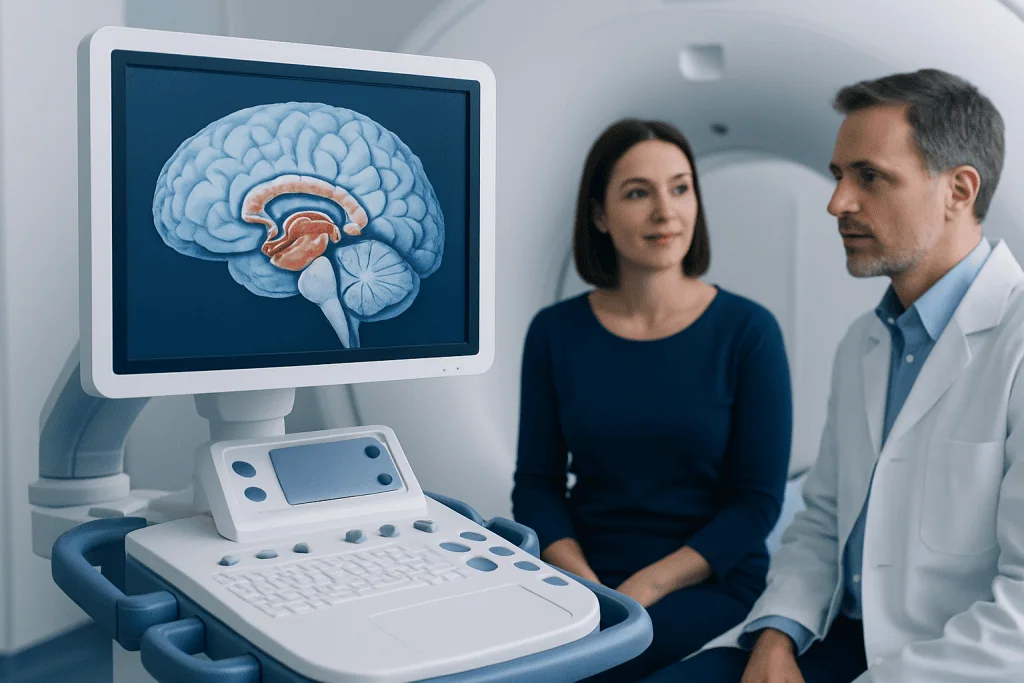
One of the hippocampus’s main jobs is memory formation. It does not store every memory permanently by itself, but it helps process and organize new information so that it can be stored across wider brain networks. This is why people with hippocampal problems may remember distant childhood events better than something they were told earlier in the day.
The hippocampus is also important for learning patterns, linking experiences together, and understanding context. For example, it helps a person remember where they parked a car, how to follow a new route, or what happened during an important conversation. These functions are essential for independence in daily life.
In addition, the hippocampus interacts with brain systems that help regulate stress and emotion. Long-term stress, depression, poor sleep, and some neurological conditions may affect how well this structure works. The relationship goes both ways: mood disorders can influence memory, and memory-related brain changes can affect emotional well-being.
Symptoms linked to hippocampus problems
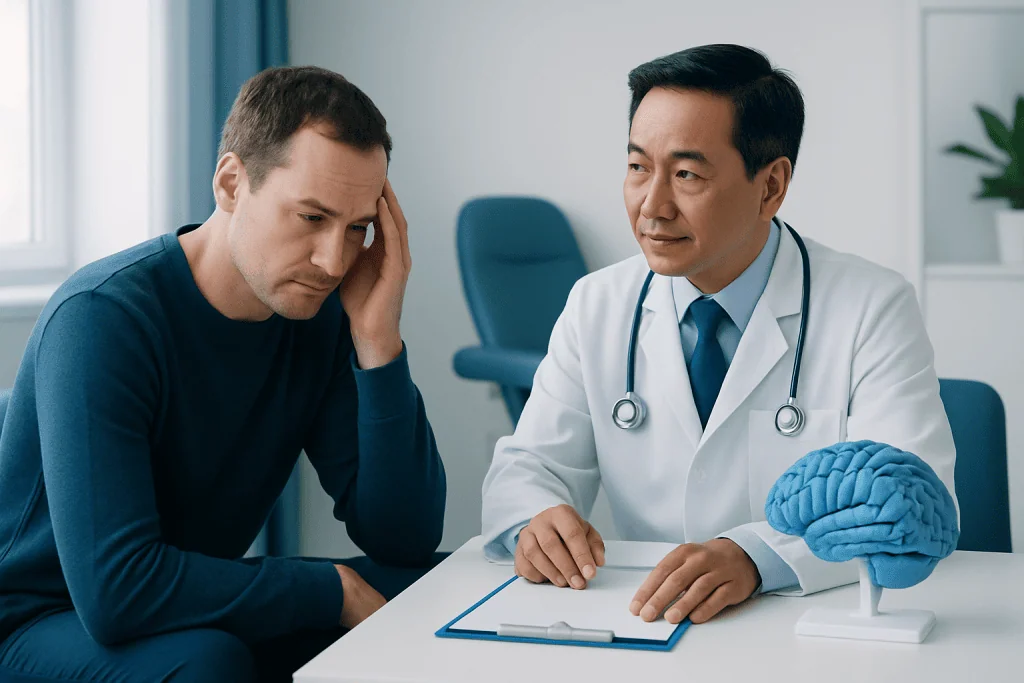
Symptoms related to the hippocampus often develop as memory difficulties. A person may struggle to learn new information, repeat the same questions, forget recent conversations, or have trouble recalling appointments and directions. Some people notice that they feel mentally slower or less able to organize new experiences.
Spatial difficulties can also occur. A person may become disoriented, get lost more easily, or feel unsure in places that were once familiar. Depending on the cause, symptoms may appear suddenly, such as after a head injury or stroke, or develop gradually over time, as can happen with aging-related neurological disease.
Other symptoms may reflect the broader brain condition affecting the hippocampus rather than the hippocampus alone. These can include headaches, seizures, changes in mood, sleep problems, trouble concentrating, or changes in behavior. Symptoms worth discussing with a doctor include:
- New or worsening short-term memory loss
- Confusion or disorientation
- Difficulty learning or retaining new information
- Getting lost in familiar environments
- Seizure-like episodes or unexplained blank spells
- Personality, mood, or concentration changes
Causes and risk factors
The hippocampus can be affected by many medical conditions. Common causes include head trauma, reduced blood flow to the brain, infections, inflammation, prolonged seizures, and neurodegenerative diseases. It may also be sensitive to chronic stress, severe sleep disruption, and untreated depression, which can influence memory and concentration over time.
One important cause is epilepsy, especially temporal lobe epilepsy, in which seizures may begin in or involve structures around the hippocampus. In some cases, hippocampal scarring is associated with recurrent seizures. Readers interested in this related condition may find epilepsy helpful for broader context. Stroke is another possible cause when blood supply to memory-related brain regions is interrupted; for related information, see stroke.
Conditions that affect the brain more gradually can also involve the hippocampus. These include Alzheimer’s disease and other forms of dementia, where hippocampal changes may contribute to early memory problems. Risk factors for hippocampal dysfunction can include older age, cardiovascular disease, diabetes, smoking, unmanaged high blood pressure, repeated head injuries, heavy alcohol use, and certain infections or inflammatory disorders.
How doctors evaluate the hippocampus
Evaluation begins with a careful medical history and neurological examination. A doctor will ask when symptoms began, how they are progressing, whether there has been an injury or seizure, and how memory or orientation changes are affecting daily life. Family members may also provide useful observations, especially if symptoms are subtle or gradual.
Cognitive and memory testing can help identify the pattern of difficulty. These tests may look at attention, short-term recall, language, problem-solving, and visual-spatial skills. The pattern can help doctors understand whether symptoms are more likely related to the hippocampus, another brain region, or a non-neurological cause such as sleep disturbance, medication effects, or mood disorder.
Brain imaging is often an important next step. MRI is especially useful for examining the hippocampus and surrounding brain structures in detail. Depending on the situation, doctors may also use blood tests, an electroencephalogram for seizures, or additional neurological assessments. In more complex cases, advanced neurological evaluation can help guide care, including neurology assessment by specialists.
Treatment options and supportive care
Treatment depends on the underlying cause rather than the hippocampus alone. If symptoms are related to seizures, treatment may focus on seizure control. If a stroke, infection, inflammatory condition, or medication side effect is responsible, those issues are addressed directly. When memory symptoms are related to neurodegenerative disease, treatment aims to support function, safety, and quality of life.
Rehabilitation can be valuable for many people. Cognitive rehabilitation, structured memory strategies, sleep optimization, mental health support, and occupational therapy may all help a person adapt to changes and preserve independence. In some cases, speech and language therapists also help with memory compensation techniques and communication strategies.
If doctors suspect a structural brain problem, advanced imaging and specialist review are important. For selected patients, related services such as brain MRI or neurosurgery may be part of the care pathway, depending on the diagnosis. Near the end of evaluation or treatment planning, patients seeking cross-border care may wish to know that Acibadem International’s multidisciplinary specialists and JCI-accredited hospitals diagnose and treat brain and memory-related conditions for international patients.
Prevention and self-care for brain health
Not every cause of hippocampal dysfunction can be prevented, but healthy daily habits can support brain health over time. Good control of blood pressure, cholesterol, blood sugar, and sleep is important because the brain depends on steady blood flow and metabolic balance. Protecting the head from injury, avoiding tobacco, and limiting alcohol can also reduce risk.
Physical activity, regular mental stimulation, and social engagement are all linked with healthier brain function. Reading, learning new skills, doing problem-solving activities, and staying socially connected may help maintain cognitive reserve. Managing stress and mood is also relevant because long-term stress can interfere with memory and concentration.
Self-care should not replace medical evaluation if symptoms are new or concerning. However, practical steps can make day-to-day life easier while a person is being assessed. These may include using calendars and reminders, keeping routines consistent, improving sleep habits, and bringing a family member to appointments to help describe symptoms and remember medical advice.
When to seek medical care
Medical care is advisable if there is new memory loss, repeated confusion, trouble finding one’s way in familiar places, or persistent difficulty learning new information. Even mild symptoms deserve attention if they are affecting work, safety, medication management, or daily routines. A doctor can help distinguish between normal forgetfulness, stress-related concentration problems, and a neurological condition that needs treatment.
Urgent care is important if symptoms come on suddenly, especially when they occur with weakness, difficulty speaking, severe headache, loss of consciousness, or seizure activity. These signs may point to a medical emergency such as stroke or acute brain injury and should not be ignored.
People with progressive symptoms, a history of seizures, prior head trauma, or a family history of neurological disease should seek specialist advice promptly. Early evaluation can clarify the cause, reduce uncertainty, and allow more timely support for memory, safety, and long-term planning.
Frequently asked questions
What is the hippocampus in simple terms?
The hippocampus is a small structure deep in the brain that helps form new memories. It also supports learning and helps a person understand and remember places and routes.
Can a person live without a normal hippocampus?
A person can survive with severe hippocampal damage, but daily life may be affected by major memory difficulties. The most common problem is trouble forming new memories, even if older memories and many other abilities remain partly preserved.
What are the first signs of hippocampus problems?
Early signs often include forgetting recent conversations, repeating questions, misplacing items, or having trouble learning new information. Some people also notice getting lost more easily or feeling less confident with directions.
Does stress affect the hippocampus?
Long-term stress can affect memory and may influence how the hippocampus functions. Stress does not always cause permanent damage, but persistent symptoms should be discussed with a healthcare professional, especially if memory changes are noticeable.
Can hippocampus damage be reversed?
Recovery depends on the cause. Some problems improve when the underlying issue is treated, such as seizure control, sleep improvement, or management of depression, while other causes may lead to lasting changes that require rehabilitation and support.
How is a hippocampus problem diagnosed?
Doctors usually diagnose hippocampus-related problems through a combination of symptom history, neurological examination, memory testing, and brain imaging. MRI is often especially helpful because it can show detailed brain structures and possible changes in the temporal lobes.
References
- National Institute of Neurological Disorders and Stroke
- National Institute on Aging
- Mayo Clinic
- Cleveland Clinic
- World Health Organization
This article is for general information only and is not a substitute for professional medical advice. Please consult a qualified doctor about your individual situation.
Explore treatments in Turkey — costs, top hospitals & a free quote
JCI-accredited · board-certified surgeons · reply within 24h
Add us as a Preferred Source to see more of our trusted health content across Google Search, AI Overviews and Discover.
Check your numbers in seconds
BMI, calories, due date, blood pressure and 30+ more clinical calculators — free, instant, doctor-reviewed ranges.

More from the Health Library



Related Specialists

Prof. Dr. Çağatay Karşıdağ
Psychiatry
Dr. Meliha Kovancı Bayraktaroğlu
Gynecology & Obstetrics
Dr. Hikmet Toy
Otorhinolaryngology
Fzt. Kübra Otabaş
Physical Medicine & Rehabilitation