

Home Care after Open Heart Surgery: Procedure, Recovery and Results

Most people need several weeks to regain strength after open-heart surgery, with full recovery often taking longer. Walking and light daily activity are usually encouraged, but lifting, pushing and pulling restrictions are important while the breastbone heals.
Key Takeaways
- Most people need several weeks to regain strength after open-heart surgery, with full recovery often taking longer.
- Walking and light daily activity are usually encouraged, but lifting, pushing and pulling restrictions are important while the breastbone heals.
- Incisions should be kept clean and monitored for increasing redness, drainage, swelling or separation.
- Fatigue, sleep changes, mild discomfort and emotional ups and downs can occur during recovery and should gradually improve.
- Urgent symptoms such as severe chest pain, shortness of breath at rest, fainting or signs of infection need prompt medical assessment.
Home care after open heart surgery focuses on protecting the breastbone and incision, taking prescribed medicines correctly, increasing activity gradually and attending follow-up appointments. Recovery is individual, but careful daily routines and early attention to warning signs can support safe healing at home.
Overview: Home Care After Open Heart Surgery
Home care after open heart surgery includes caring for surgical wounds, protecting the breastbone, taking medicines as prescribed, eating and drinking well, and gradually returning to everyday movement. The discharge plan from the cardiac surgery team is the most important guide, because restrictions and follow-up needs vary according to the operation, overall health and any complications during recovery.
Open-heart surgery is a broad term for operations performed through an incision in the chest. Many procedures involve opening the breastbone, called a sternotomy, to reach the heart. Examples include coronary artery bypass grafting, heart valve repair or replacement, and surgery to correct certain congenital or aortic conditions.
The first days at home can feel tiring and unfamiliar. Recovery commonly progresses in small steps rather than in a straight line. A family member, friend or caregiver may be helpful with transport, meals, medication reminders and practical tasks while the person rebuilds strength.
How Open-Heart Surgery Works and Who May Need It
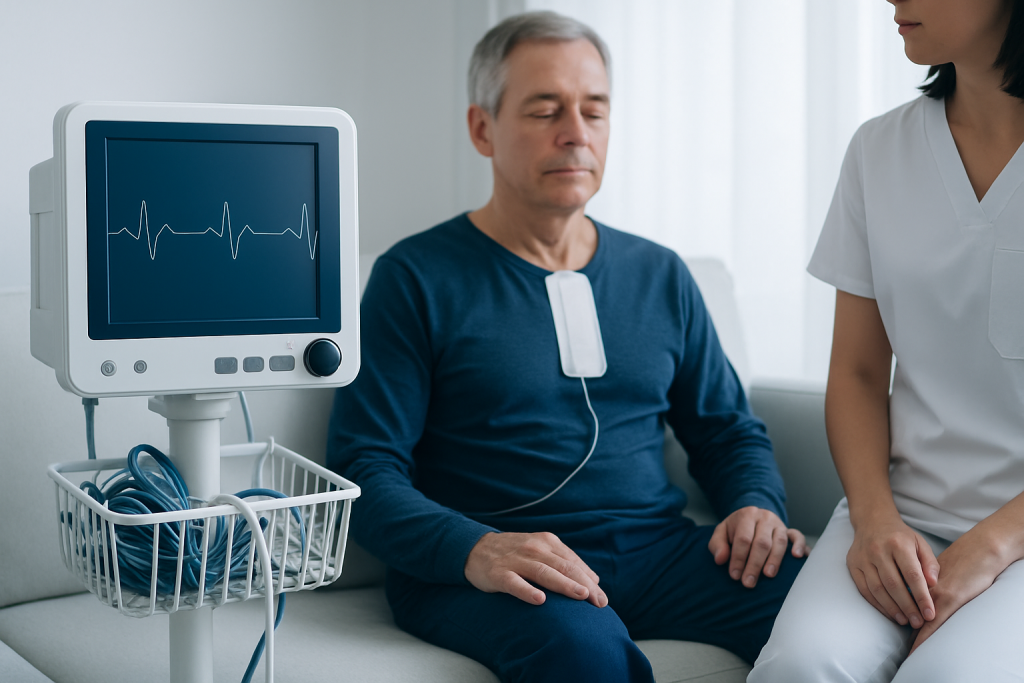
During many open-heart operations, the surgeon makes an incision through the chest and carefully divides the breastbone to access the heart. Depending on the procedure, a heart-lung machine may temporarily take over circulation and oxygen delivery while the surgeon performs the repair. In some operations, the procedure can be completed while the heart continues beating.
Open-heart surgery may be recommended when a heart condition cannot be treated adequately with medicines, lifestyle measures or less invasive catheter procedures. For example, surgery may be considered for severe narrowing of coronary arteries, significant valve disease, certain aortic disorders, or structural heart problems. Decisions are usually made by a multidisciplinary cardiac team after reviewing symptoms, imaging, test results and individual risks.
Before surgery, clinicians assess heart and lung function, kidney function, blood counts, medicines, infection risk and general fitness. They also discuss the expected benefits, possible alternatives and the likely recovery plan. For people undergoing bypass surgery, coronary artery bypass surgery may improve blood flow to areas of heart muscle affected by coronary artery disease.
What Happens During the Procedure and in Hospital Recovery

Before the operation, the patient receives general anaesthesia and is asleep. The surgical team monitors heart rhythm, blood pressure, oxygen levels and other vital functions throughout surgery. The exact steps depend on the operation: bypass surgery uses blood vessels from elsewhere in the body to create new routes around blocked coronary arteries, while valve surgery may repair or replace a damaged valve.
After surgery, the patient is transferred to an intensive care or high-dependency unit for close monitoring. Temporary tubes and lines may include breathing support, chest drains, urinary drainage and intravenous access. These are removed as recovery allows. Pain relief, breathing exercises and early assisted movement are important parts of hospital care.
Before discharge, the care team generally checks that pain is manageable, wounds are healing appropriately, mobility is safe and medicines are understood. Cardiac rehabilitation may be recommended. This supervised programme combines education, monitored exercise and support for long-term heart-healthy habits.
Like all major surgery, open-heart surgery has potential risks. These can include bleeding, infection, abnormal heart rhythms, blood clots, stroke, kidney problems, breathing complications and reactions to anaesthesia. The surgical team explains how these risks relate to the individual procedure and health status.
Daily Home Care: Wounds, Medicines, Activity and Food
Incision care should follow the instructions provided at discharge. In general, hands should be washed before touching the wound, and the incision should be observed each day in good light. Unless the team advises otherwise, gentle showering may be allowed after a certain point, but soaking in a bath, hot tub or swimming pool should wait until the incision is fully healed and the clinician confirms it is safe.
Medicines should be taken exactly as prescribed. These may include pain relief, medicines to prevent blood clots, medicines for blood pressure or cholesterol, and treatment for heart rhythm problems. A written medicine list and pill organiser can reduce mistakes. The care team or pharmacist should be contacted before starting over-the-counter medicines, herbal products or supplements.
Short, frequent walks are often a central part of recovery. Activity can be increased gradually according to symptoms and the surgical team’s advice. For sternotomy recovery, people are usually asked to avoid heavy lifting, forceful pushing or pulling, and activities that strain the chest until the breastbone has healed. Using the legs rather than the arms to rise from a chair may be more comfortable.
Meals should support recovery without being overly restrictive unless a clinician recommends a specific diet. A pattern that includes vegetables, fruits, whole grains, legumes, lean protein and unsaturated fats can support cardiovascular health. Adequate fluids, fibre and gentle movement may also help prevent constipation, particularly when pain medicines are being used.
Recovery Timeline, Benefits and Common Changes
Recovery differs from person to person. During the first one to two weeks at home, tiredness, reduced stamina, mild swelling in the legs or feet, changes in sleep and a reduced appetite can occur. The goal is usually to establish a dependable routine of walking, breathing exercises, medicines, rest and wound care rather than to return immediately to normal activity.
Over the following weeks, walking distance and ability to manage light activities often improve. Many people require around six to eight weeks for initial breastbone healing after a sternotomy, while complete recovery of energy and fitness may take several months. Follow-up appointments allow the team to assess the incision, heart rhythm, symptoms and readiness for work, driving, travel or more vigorous activity.
The expected benefit depends on the reason for surgery. Successful treatment may reduce angina, breathlessness, fatigue or the risk of complications from untreated heart disease. Surgery does not remove the need for long-term heart care; medication adherence, follow-up, physical activity, smoking cessation where relevant and heart-healthy eating remain important.
Cardiac rehabilitation can provide a structured route back to activity after surgery. It also helps people understand risk factors such as high blood pressure, diabetes, high cholesterol and smoking. Conditions such as coronary artery disease still need ongoing management even after blood flow has been improved surgically.
What Should I Avoid Doing After Open-Heart Surgery?
People should avoid activities that may strain the healing breastbone or increase the risk of falling. This commonly includes lifting heavy objects, pushing or pulling heavy doors, vacuuming, mowing, carrying large bags, intense upper-body exercise and contact sports until the surgical team gives clearance. Specific lifting limits differ, so the discharge instructions should always take priority.
Driving is usually restricted for a period after surgery because sudden steering, braking and seat-belt pressure can affect comfort and safety. Driving should only resume when the surgeon or cardiologist says it is appropriate, pain medicines do not impair alertness and the person can safely perform an emergency stop.
Smoking and nicotine products should be avoided, as they interfere with wound healing and increase cardiovascular risk. Alcohol should be discussed with the care team, especially for people taking medicines that can interact with alcohol or who have heart rhythm, liver or fluid-balance concerns. It is also important not to stop prescribed heart medicines without medical advice.
Rest is necessary, but prolonged bed rest is generally not helpful unless specifically advised. Gentle movement, regular position changes and walking as tolerated support circulation, breathing and recovery. New or worsening symptoms should not be managed by simply increasing activity or waiting them out; they should be discussed with a clinician.
Does Open-Heart Surgery Change a Person?
Open-heart surgery can bring physical and emotional changes during recovery, but it does not usually change a person’s personality in a permanent way. It is common to feel tired, irritable, worried, tearful or less mentally sharp in the early weeks. Sleep disruption, pain, medicines, anaesthesia, the stress of serious illness and reduced independence can all contribute.
Some people describe temporary difficulties with concentration or memory, often called “brain fog.” These symptoms commonly improve as sleep, activity, nutrition and overall health recover. Persistent confusion, marked memory changes, severe anxiety or low mood should be discussed with the cardiac team or primary care clinician, as support and treatment are available.
Many people also experience a change in outlook after major heart surgery. They may become more aware of their health, need time to regain confidence, or benefit from counselling, cardiac rehabilitation or peer support. Family members can help by recognising that emotional recovery is an important part of physical healing.
How Long Do Incisions and Chest Pain Take to Heal?
How long does it take for the incisions from open-heart surgery to heal? The skin incision often closes over within a few weeks, but deeper tissues and the breastbone need longer to heal. After a sternotomy, initial bone healing commonly takes about six to eight weeks, and tenderness or sensitivity around the scar can last longer. The scar may continue to soften and fade over many months.
How long does chest pain last after open-heart surgery? Mild to moderate soreness, tightness, numbness, tingling or discomfort around the incision is common in the first weeks and should generally lessen over time. Discomfort may be more noticeable when coughing, moving, taking deep breaths or changing position. Pain should be managed using the prescribed plan so that the person can breathe deeply, sleep and move safely.
New, severe, crushing or persistent chest pain should not be assumed to be normal surgical pain. The same applies to pain accompanied by breathlessness, sweating, nausea, fainting, palpitations or pain spreading to the arm, jaw, back or shoulder. These symptoms require urgent medical assessment.
Acibadem International’s multidisciplinary heart specialists and JCI-accredited hospitals diagnose and treat cardiovascular conditions for international patients, including assessment before surgery and support during recovery planning.
When to Seek Medical Care
The surgical team should be contacted promptly for fever, increasing redness or warmth around an incision, new drainage, a bad smell from the wound, wound edges opening, worsening swelling, or pain that is increasing rather than improving. A rapid weight increase, worsening ankle swelling, persistent vomiting, inability to take medicines or a new irregular heartbeat also deserve medical advice.
Emergency medical care is needed for severe or sudden chest pain, severe shortness of breath, fainting, blue or grey lips, signs of stroke such as facial drooping or trouble speaking, coughing up blood, or uncontrolled bleeding. If there is uncertainty about the seriousness of a symptom, it is safer to seek urgent guidance rather than delay.
Scheduled follow-up visits are an essential part of home care after open heart surgery. They provide an opportunity to review healing, medicines, blood pressure, heart rhythm, activity progression and return-to-work plans. Attending cardiac rehabilitation and maintaining contact with the treating team can help recovery proceed as safely as possible.
Frequently asked questions
How should a person sleep after open-heart surgery?
Many people are most comfortable sleeping on their back with pillows for support or in a reclined position during the early recovery period. Side sleeping may become comfortable gradually, but the care team’s advice should be followed, particularly after a sternotomy. Good pain control and a consistent sleep routine can help.
Can a person climb stairs after open-heart surgery?
Stairs are often allowed if the person is steady and does not become very breathless, dizzy or unwell. It is usually best to go slowly, use a handrail and rest as needed. The discharge team may provide individual guidance based on the operation and mobility level.
When can someone return to work after open-heart surgery?
Return-to-work timing depends on the type of surgery, healing progress, job demands and any complications. Desk-based work may be possible earlier than physically demanding work, but clearance should come from the surgeon or cardiologist. A gradual return may be appropriate for some people.
Is swelling in the legs normal after open-heart surgery?
Mild leg or ankle swelling can occur during early recovery, especially if a vein was taken from the leg for bypass surgery. Elevating the legs when resting, walking regularly and following fluid advice may help. New, one-sided, painful or rapidly worsening swelling needs prompt medical assessment.
What is cardiac rehabilitation after open-heart surgery?
Cardiac rehabilitation is a medically guided programme that supports recovery through tailored exercise, education and risk-factor management. It can help people rebuild confidence and learn how to exercise safely after surgery. The cardiac team can advise when and how to enrol.
When is it safe to travel after open-heart surgery?
Travel should be discussed with the surgical team because readiness depends on healing, symptoms, follow-up requirements and the length of the journey. Long journeys may require regular movement, hydration and planning for medicines. Air travel may need additional clearance, particularly in the early recovery period.
References
- American Heart Association
- National Heart, Lung, and Blood Institute
- Society of Thoracic Surgeons
- MedlinePlus
- National Health Service
This article is for general information only and is not a substitute for professional medical advice. Please consult a qualified doctor about your individual situation.
Heart care in Turkey — expert evaluation and treatment
JCI-accredited · board-certified surgeons · reply within 24h
Add us as a Preferred Source to see more of our trusted health content across Google Search, AI Overviews and Discover.
Check your numbers in seconds
BMI, calories, due date, blood pressure and 30+ more clinical calculators — free, instant, doctor-reviewed ranges.

More from the Health Library



Related Specialists

Dr. Semra Pehlivan
Acibadem Life Clinical Service
Assoc. Prof. Dr. Süleyman Şahin
Medical Oncology
Assoc. Prof. Dr. Müjgan Tek
Cardiology
Prof. Dr. Muzaffer Olcay Çizmeli
Interventional Neuroradiology