Home Remedies for COPD: What Works, What Does Not, and Safety Notes

Evidence-backed self-care for COPD includes smoking cessation, pulmonary rehabilitation strategies, breathing exercises, physical activity, vaccination, and avoiding lung irritants. Some popular remedies, such as steam inhalation or herbal supplements, have limited evidence and may be unsafe for certain people.
Key Takeaways
- Evidence-backed self-care for COPD includes smoking cessation, pulmonary rehabilitation strategies, breathing exercises, physical activity, vaccination, and avoiding lung irritants.
- Some popular remedies, such as steam inhalation or herbal supplements, have limited evidence and may be unsafe for certain people.
- Home oxygen, inhalers, and other prescribed treatments should not be replaced by home remedies.
- Red-flag symptoms such as severe shortness of breath, blue lips, chest pain, or confusion need urgent medical attention.
- A personalized plan is important because COPD severity, triggers, and other health conditions vary from person to person.
Home remedies for COPD may help reduce breathlessness, conserve energy, and support daily comfort, but they cannot reverse lung damage or replace prescribed treatment. The safest approach is to use evidence-based self-care alongside a clinician’s care plan and to avoid remedies that delay treatment or trigger breathing problems.
Overview: What home remedies for COPD can and cannot do
Home remedies for COPD can help some people breathe more comfortably, manage mucus, improve stamina, and reduce day-to-day symptom triggers. The options with the strongest clinical support are not “cures” in the traditional sense. Instead, they are practical self-care steps such as breathing techniques, staying active, improving indoor air quality, eating well, and following a treatment plan consistently.
What home remedies cannot do is reverse the underlying lung damage of chronic obstructive pulmonary disease. COPD is a long-term lung condition that usually includes chronic bronchitis, emphysema, or both. Because symptoms may overlap with conditions such as asthma, a proper diagnosis matters before trying to manage breathing problems at home.
The safest way to think about home care is as an add-on to medical treatment, not a substitute for it. Many people with COPD benefit from inhalers, vaccines, pulmonary rehabilitation, and in some cases oxygen therapy or other respiratory support. If symptoms are changing, frequent self-treatment without medical advice can delay needed care.
What is most likely to help at home
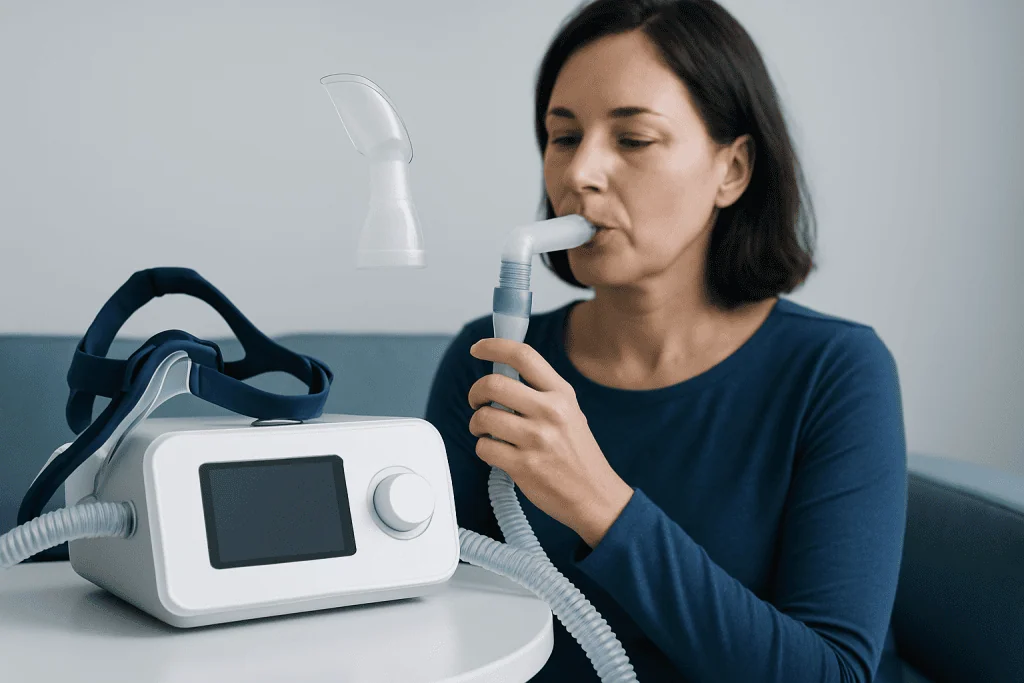
Among all self-care measures, stopping smoking is the most important if the person still smokes. Smoking cessation can slow further lung damage and reduce flare-ups over time. Avoiding secondhand smoke, dust, chemical fumes, aerosol sprays, and indoor air pollution is also important because these irritants can worsen coughing and breathlessness.
Breathing exercises are commonly recommended and are supported by clinical practice, especially when taught correctly. Pursed-lip breathing can help slow exhalation and reduce the feeling of trapped air, while diaphragmatic breathing may help some people use their breathing muscles more efficiently. These techniques are often introduced as part of pulmonary rehabilitation, where patients learn safe exercise, energy conservation, and symptom management.
Regular physical activity also helps many people with COPD. Gentle walking, cycling, or chair-based exercise can improve endurance and reduce deconditioning when tailored to the person’s ability. Good sleep habits, planned rest breaks, and pacing daily tasks may also reduce breathlessness triggered by overexertion.
Other useful home strategies include:
- Keeping rescue and maintenance inhalers available and using them exactly as prescribed
- Staying current on influenza, COVID-19, and pneumococcal vaccination when advised
- Using a fan directed toward the face for short-term relief of breathlessness in some people
- Maintaining comfortable indoor humidity and temperature without relying on heavy steam
- Drinking enough fluids if a doctor has not advised fluid restriction, which may help keep mucus easier to clear
What has limited evidence or may not be safe

Many articles group all “natural” approaches together, but they are not equally supported by evidence. Herbal supplements, essential oils, and over-the-counter detox products are often promoted for COPD with claims that exceed the available research. Some supplements may interact with medicines such as blood thinners or affect blood pressure, heart rhythm, or liver function. “Natural” does not always mean harmless.
Steam inhalation is a common example. Warm moisture may feel soothing for some people with nasal congestion, but steam does not treat COPD itself and can cause burns if used carelessly. Very humid air may even worsen breathing discomfort in some individuals, especially if heat is also a trigger.
Chest rubs, strong fragrances, incense, candles, and diffusers can be problematic because scent particles and smoke may irritate sensitive airways. High-dose vitamins, colloidal silver, unproven immune boosters, and restrictive diets should also be approached cautiously. If a product promises to “clean the lungs” or replace inhalers, the claim is not consistent with standard evidence-based care.
Home remedies should also never replace treatment during a flare-up. Worsening cough, thicker sputum, more wheezing, or a drop in exercise tolerance can signal an exacerbation. These episodes sometimes require prompt medical assessment, antibiotics, steroids, oxygen adjustment, or other treatment that cannot be safely managed with home remedies alone.
Breathing, mucus, and nutrition strategies that support daily comfort
Shortness of breath often improves when daily activities are planned more strategically. Sitting while dressing, using a shower chair, arranging frequently used items within easy reach, and exhaling during effort can reduce the work of breathing. Some people also find it helpful to breathe in before a task and breathe out slowly through pursed lips while lifting, bending, or climbing steps.
Mucus management is another common concern. A clinician may recommend techniques such as controlled coughing or huff coughing to move secretions with less strain. Good hydration may help keep mucus thinner for some people, though fluid advice should be individualized in those with heart or kidney disease. If mucus suddenly changes color, quantity, or smell, this may suggest infection and should not be treated as a minor home-care issue.
Nutrition matters because both undernutrition and excess weight can make COPD harder to manage. Smaller, more frequent meals can reduce the sensation of breathlessness that sometimes happens after large meals. Balanced meals with adequate protein may support muscle strength, including the muscles used for breathing, while limiting alcohol may help avoid dehydration and interactions with medicines.
If swallowing is difficult, unexplained weight loss occurs, or breathlessness is interfering with eating, a medical review is worthwhile. In some cases, symptoms that seem like COPD may be influenced by another condition such as reflux, heart disease, or a respiratory infection like pneumonia.
How clinicians evaluate COPD symptoms and tailor care
When a person has ongoing cough, mucus production, wheezing, or shortness of breath, clinicians usually look beyond symptoms alone. The diagnosis of COPD is typically confirmed with spirometry, a breathing test that measures airflow limitation. Imaging, oxygen measurements, and blood tests may also be used to look for complications or alternative explanations for symptoms.
This evaluation matters because the best self-care plan depends on COPD severity, the pattern of flare-ups, smoking history, and other medical conditions. Some people mainly need better inhaler technique and trigger avoidance. Others may need supervised exercise, vaccination review, or treatment for overlapping problems such as sleep apnea, anxiety, heart disease, or frequent chest infections.
Treatment may include inhaled bronchodilators, inhaled corticosteroids for selected patients, action plans for exacerbations, and supportive therapies such as respiratory therapy and rehabilitation. For people with advanced disease or low oxygen levels, additional support may be considered. Personalizing care helps patients use home remedies appropriately rather than expecting them to do more than they can.
Prevention and self-care: building a realistic daily plan
A simple daily COPD routine is often more effective than trying many remedies at once. A practical plan may include taking maintenance medicines on schedule, checking inhaler technique regularly, doing breathing exercises, staying active within safe limits, and reducing exposure to smoke and air pollution. Tracking symptoms can also help identify patterns, such as breathlessness worsening with weather changes, viral illness, or missed doses.
During periods of poor air quality or respiratory virus circulation, prevention becomes especially important. Hand hygiene, avoiding close contact with sick individuals when possible, and following vaccine recommendations may lower the risk of infections that can trigger serious flare-ups. People who use oxygen should follow strict safety guidance, including never smoking near oxygen equipment.
Mental well-being is also part of COPD self-care. Anxiety can intensify the sensation of breathlessness, and repeated symptoms may lead to fear of activity. Support from clinicians, pulmonary rehabilitation teams, and family members can help patients stay active and confident without pushing beyond safe limits.
Near the end of care planning, some people may benefit from specialist review if symptoms remain difficult to control. Acibadem International’s multidisciplinary specialists and JCI-accredited hospitals diagnose and treat COPD for international patients, including evaluation of long-term management options when appropriate.
When to seek medical care
Seek urgent medical care right away for severe shortness of breath, blue or gray lips or fingertips, chest pain, new confusion, fainting, inability to speak in full sentences, or drowsiness that is unusual. These symptoms can signal dangerously low oxygen levels, a severe COPD flare-up, a heart problem, or another emergency. Home remedies are not appropriate in this situation.
A prompt medical review is also important if cough, wheezing, or breathlessness is clearly worse than usual; if mucus becomes thicker, blood-streaked, or changes color; if fever develops; or if rescue inhalers are needed more often than expected. These changes can suggest an exacerbation or infection that may need treatment. Frequent flare-ups can lead to faster decline if not addressed.
Even without an emergency, regular follow-up is useful when symptoms limit exercise, sleep, appetite, or daily activities. Anyone newly experiencing chronic shortness of breath should be assessed rather than assuming it is normal aging or self-treating for presumed COPD. Conditions such as COPD can be managed more effectively when diagnosed early and monitored over time.
Frequently asked questions
Can home remedies cure COPD?
No. Home remedies for COPD may ease symptoms and support day-to-day function, but they do not reverse permanent lung damage. COPD usually needs an ongoing medical treatment plan as well as self-care.
What is the best home remedy for COPD shortness of breath?
There is no single remedy that works for everyone, but pursed-lip breathing, pacing activities, avoiding smoke and irritants, and using prescribed inhalers correctly are among the most helpful strategies. A handheld fan directed toward the face may also reduce the sensation of breathlessness for some people. Severe or sudden shortness of breath needs medical assessment.
Is steam inhalation good for COPD?
Steam may feel soothing to some people, but it is not a treatment for COPD itself. It can also cause burns and may make some people feel more uncomfortable in hot, humid air. If it is used at all, it should be approached cautiously and never replace prescribed treatment.
Are herbal supplements safe for COPD?
Not always. Some supplements have limited evidence for COPD and may interact with prescription medicines or worsen other health conditions. It is safest to discuss any supplement with a doctor or pharmacist before starting it.
Can exercise help someone with COPD at home?
Yes, when it is tailored to the person’s health status and done safely. Regular movement can improve endurance and reduce deconditioning, but exercise plans should be realistic and may need guidance from a clinician or pulmonary rehabilitation team. People should stop and seek advice if activity causes severe symptoms.
When should a person with COPD call a doctor?
A doctor should be contacted if breathing is worse than usual, rescue medication is needed more often, mucus changes significantly, fever develops, or normal activities become harder. Urgent care is needed for severe breathlessness, bluish lips, chest pain, confusion, or unusual drowsiness.
References
- Global Initiative for Chronic Obstructive Lung Disease
- National Heart, Lung, and Blood Institute
- American Lung Association
- Centers for Disease Control and Prevention
- National Institute for Health and Care Excellence
This article is for general information only and is not a substitute for professional medical advice. Please consult a qualified doctor about your individual situation.
Explore treatments in Turkey — costs, top hospitals & a free quote
JCI-accredited · board-certified surgeons · reply within 24h
Add us as a Preferred Source to see more of our trusted health content across Google Search, AI Overviews and Discover.
Check your numbers in seconds
BMI, calories, due date, blood pressure and 30+ more clinical calculators — free, instant, doctor-reviewed ranges.

More from the Health Library



Related Specialists

Assoc. Prof. Dr. Gökhan Karademir
Orthopedic Surgery & Traumatology
Dr. Varlık Doğan
Anesthesiology
Dr. Şekip Şimşek
Internal Medicine
Prof. Dr. Arzu Ertürk
Pulmonary Medicine