Hormone Replacement Therapy: Who May Need It and Why

Hormone replacement therapy is most often used to treat bothersome menopause symptoms caused by falling estrogen levels. Not everyone is a good candidate for HRT, so personal medical history and risk factors matter.
Key Takeaways
- Hormone replacement therapy is most often used to treat bothersome menopause symptoms caused by falling estrogen levels.
- Not everyone is a good candidate for HRT, so personal medical history and risk factors matter.
- Treatment may include estrogen alone or estrogen with progesterone, depending on whether the uterus is present.
- HRT can be given in different forms, such as tablets, patches, gels, sprays, or vaginal treatments.
- Regular follow-up helps ensure the lowest effective dose is used for the shortest appropriate time.
Hormone replacement therapy is used to supplement hormones when the body no longer makes enough, most commonly around menopause. For some people, it can meaningfully improve quality of life, but treatment should be individualized after a careful discussion of benefits, risks, and alternatives.
Overview
Hormone replacement therapy, often called HRT, is a treatment used when the body produces lower levels of certain hormones than it once did. The most common reason for HRT is menopause, when estrogen levels naturally decline and may lead to symptoms such as hot flashes, night sweats, sleep disturbance, vaginal dryness, and mood changes. In some situations, hormone therapy may also be considered after surgical removal of the ovaries or in people with early menopause or premature ovarian insufficiency.
HRT is not a single treatment. It is a broad term that includes different hormones, doses, and delivery methods. Some people take estrogen alone, while others need a combination of estrogen and progesterone or a similar hormone called progestin. The best choice depends on age, symptoms, whether the uterus is present, personal preferences, and overall health.
For many patients, the main goal of hormone replacement therapy is to improve quality of life by easing symptoms that interfere with daily activities, relationships, work, and sleep. It may also help protect bone health in selected individuals. At the same time, HRT is not suitable for everyone, so careful medical assessment is an important part of deciding whether it is a good option.
Who May Need Hormone Replacement Therapy
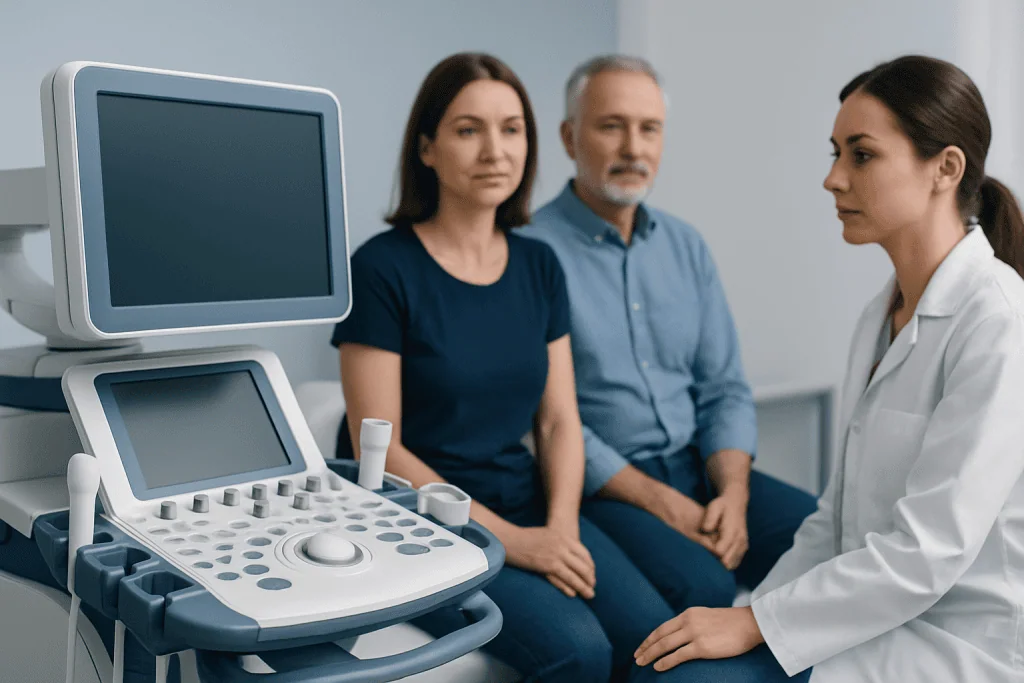
Hormone replacement therapy may be considered for people with moderate to severe menopause symptoms that affect comfort or functioning. These symptoms may include frequent hot flashes, night sweats, poor sleep, vaginal dryness, painful intercourse, low mood linked to menopause, and symptoms that began after the ovaries stopped functioning earlier than expected.
It may also be used in some people who experience menopause at a younger age than usual, either naturally or after surgery or medical treatment. In these cases, replacing hormones until the average age of natural menopause may help reduce the effects of prolonged low estrogen on bones, the heart, and overall well-being. Some people with premature ovarian insufficiency may also benefit from hormone therapy as part of their long-term care plan.
Not everyone needs systemic HRT. If symptoms are mainly vaginal, such as dryness, irritation, or discomfort during sex, local vaginal estrogen may be more appropriate than hormone treatment that affects the whole body. A doctor may also discuss non-hormonal strategies when symptoms are mild, when HRT is not preferred, or when a person’s health history makes hormone treatment less suitable.
Symptoms HRT May Help Relieve

The symptoms most strongly linked to falling estrogen levels are vasomotor symptoms, commonly known as hot flashes and night sweats. These can range from mild warmth to sudden flushing, sweating, and palpitations that disrupt sleep and daily routines. HRT is considered one of the most effective treatments for these symptoms in appropriate candidates.
Hormone therapy may also help with changes in the vaginal and urinary area, including dryness, burning, irritation, discomfort with intercourse, and some urinary symptoms related to menopause. For people whose symptoms are limited to this area, topical treatments may be enough. In other cases, broader treatment may be considered if whole-body symptoms are also present.
Some people notice menopause-related changes in sleep, energy, concentration, or mood. These symptoms can be influenced by many factors, so it is important not to assume hormones are the only cause. A medical evaluation can help identify whether symptoms are likely due to menopause, another hormonal issue such as thyroid disease, or a separate medical or mental health condition that needs a different approach.
Types of Hormone Replacement Therapy
There are several forms of hormone replacement therapy. Estrogen therapy may be prescribed alone for people who have had a hysterectomy. For those who still have a uterus, progesterone or progestin is usually added to help protect the lining of the uterus from overgrowth that can occur with estrogen alone. This combined approach is an important safety consideration.
Hormones can be delivered in different ways, including tablets, skin patches, gels, sprays, and vaginal creams, tablets, or rings. The best route depends on symptoms, medical history, convenience, and patient preference. For example, local vaginal treatments are often used when symptoms are limited to dryness or irritation, while patches or oral forms may be used for whole-body symptoms.
A doctor may also talk about the timing, dose, and goals of treatment. In general, the aim is to use the lowest effective dose that relieves symptoms and to review the need for continuing treatment at regular intervals. When hormone imbalance is related to a broader endocrine issue, evaluation by specialists in endocrinology care can help guide diagnosis and treatment choices.
Benefits, Risks, and Who Should Be Cautious
For appropriately selected patients, HRT can significantly reduce hot flashes, improve sleep disrupted by night sweats, ease vaginal symptoms, and support quality of life. It may also help prevent bone loss in some people, especially around the time of menopause or in those with early loss of ovarian function. These benefits can be meaningful when symptoms are frequent or severe.
At the same time, hormone replacement therapy is not risk-free. The balance of benefits and risks depends on factors such as age, how long it has been since menopause started, personal and family medical history, and the type of hormone used. Certain people may need to avoid HRT or use it only with special caution, such as those with a history of some hormone-sensitive cancers, unexplained vaginal bleeding, blood clots, stroke, liver disease, or significant cardiovascular risk.
Because risks vary from person to person, treatment decisions should be individualized rather than based on a one-size-fits-all rule. A doctor may review blood pressure, weight, breast health, bone health, migraine history, smoking status, and family history before recommending therapy. If symptoms may be related to another hormonal or gynecologic condition, further assessment such as gynecology evaluation may be helpful before treatment begins.
How Doctors Diagnose Hormone-Related Symptoms
Diagnosis usually begins with a detailed discussion of symptoms, menstrual history, age, past medical conditions, family history, and any current medications. In many people around the usual age of menopause, HRT decisions are based mainly on symptoms and medical history rather than on extensive hormone testing. This is because hormone levels can fluctuate and do not always clearly explain day-to-day symptoms.
Still, testing may be useful in some situations. A doctor might order blood tests if symptoms occur at an unusually young age, if menstrual changes are unclear, or if another condition could be causing similar complaints. Depending on the situation, evaluation may include thyroid testing, blood sugar assessment, or other investigations to rule out conditions that can mimic menopause symptoms.
Additional tests may be recommended for safety before or during treatment. These can include blood pressure measurement, breast screening appropriate for age and risk, and assessment of abnormal bleeding if present. If bone health is a concern, a clinician may discuss fracture risk and whether bone density testing or a structured health check-up would be useful as part of the overall plan.
Treatment Options Beyond Standard HRT
Hormone replacement therapy is only one part of managing menopause and hormone-related symptoms. Many people benefit from lifestyle measures such as keeping the bedroom cool, dressing in layers, limiting triggers for hot flashes, staying physically active, and focusing on sleep habits. Vaginal moisturizers and lubricants may improve comfort even when hormone therapy is not used.
Some people either cannot take HRT or prefer not to. In these cases, doctors may suggest non-hormonal treatments for hot flashes or local therapies for vaginal symptoms. Emotional well-being is also important, since anxiety, stress, and sleep disruption can intensify physical symptoms. Supportive care, counseling, or treatment for coexisting conditions may improve overall quality of life.
Patients should be cautious with over-the-counter supplements or products marketed as natural hormone solutions. Natural does not always mean safe, and product quality can vary. It is wise to discuss any supplements with a qualified doctor, especially because some symptoms attributed to menopause may actually be linked to other conditions, including osteoporosis risk factors, thyroid problems, or medication side effects.
Prevention, Self-Care, and When to See a Doctor
There is no way to prevent menopause itself, but healthy habits can support well-being during hormonal changes. Regular exercise, a balanced diet, adequate calcium and vitamin D intake, avoiding smoking, and moderating alcohol can all help maintain bone and heart health. Good sleep routines and stress management may also reduce the impact of symptoms.
It is important to see a doctor if menopause symptoms are affecting daily life, if periods stop very early, or if there is vaginal bleeding after menopause. Medical attention is also needed for severe headaches, chest pain, shortness of breath, leg swelling, or new neurological symptoms while using hormone therapy. These symptoms do not always mean something serious, but they should be assessed promptly.
Ongoing follow-up is part of safe hormone treatment. Doctors usually review symptom control, side effects, and whether treatment is still needed. For international patients seeking specialist assessment, Acibadem International’s multidisciplinary teams in JCI-accredited hospitals diagnose and treat hormone-related conditions with individualized care plans.
Frequently asked questions
What is hormone replacement therapy used for?
Hormone replacement therapy is mainly used to relieve symptoms caused by lower hormone levels, especially during menopause. It can help with hot flashes, night sweats, vaginal dryness, and related sleep or quality-of-life problems.
Who should not take hormone replacement therapy?
Some people may need to avoid HRT or use it only with careful specialist guidance. This can include those with a history of certain hormone-sensitive cancers, blood clots, stroke, unexplained vaginal bleeding, or liver disease.
Is hormone replacement therapy the same for everyone?
No. HRT is tailored to the individual based on symptoms, age, medical history, and whether the uterus is present. The hormone type, dose, and delivery method can all vary.
How long can someone stay on hormone replacement therapy?
There is no single time limit that suits everyone. Treatment duration depends on symptom severity, personal risk factors, and regular review with a doctor to confirm that the benefits still outweigh the risks.
Does HRT help with bone health?
Yes, in some people HRT can help reduce bone loss that happens when estrogen levels fall. This may be especially relevant around menopause or in people who experience early menopause, although other bone-protective treatments may sometimes be more appropriate.
Are blood tests always needed before starting HRT?
Not always. For many people around the usual age of menopause, doctors can make decisions based mainly on symptoms and medical history. Tests may be used when the diagnosis is uncertain or when another condition could be causing similar symptoms.
References
- World Health Organization
- North American Menopause Society
- American College of Obstetricians and Gynecologists
- National Institute on Aging
- Endocrine Society
This article is for general information only and is not a substitute for professional medical advice. Please consult a qualified doctor about your individual situation.
Explore treatments in Turkey — costs, top hospitals & a free quote
JCI-accredited · board-certified surgeons · reply within 24h
Add us as a Preferred Source to see more of our trusted health content across Google Search, AI Overviews and Discover.