Hormone Testing: How Doctors Diagnose Endocrine Problems

Hormone testing measures how well glands such as the thyroid, pituitary, adrenal glands, pancreas, and ovaries or testes are working. Results are interpreted in context because normal hormone levels can vary by age, sex, time of day, menstrual cycle, medicines, and overall health.
Key Takeaways
- Hormone testing measures how well glands such as the thyroid, pituitary, adrenal glands, pancreas, and ovaries or testes are working.
- Results are interpreted in context because normal hormone levels can vary by age, sex, time of day, menstrual cycle, medicines, and overall health.
- Blood tests are most common, but urine, saliva, and stimulation or suppression tests may also be used.
- A single abnormal result does not always mean disease; repeat testing and additional evaluation are sometimes needed.
- Early evaluation can help identify treatable endocrine conditions and guide the right care plan.
Hormone testing is a key part of finding the cause of symptoms related to the endocrine system, such as fatigue, weight change, irregular periods, fertility concerns, and changes in mood or growth. Doctors use hormone tests together with a person’s medical history, physical examination, and sometimes imaging to understand whether hormone production is too high, too low, or out of balance.
Overview: What Hormone Testing Is
Hormone testing refers to a group of laboratory tests that measure chemical messengers made by the endocrine system. These hormones help regulate many essential body functions, including metabolism, blood sugar, growth, reproduction, sleep, stress response, body temperature, and mood. When a gland produces too much or too little hormone, symptoms can appear gradually or suddenly, depending on the cause.
Doctors order hormone testing when symptoms suggest a possible endocrine problem. Common examples include unexplained weight gain or weight loss, fatigue, menstrual irregularities, infertility, changes in libido, excessive thirst, heat or cold intolerance, hair loss, acne, growth problems, and unusual changes in blood pressure or blood sugar. Testing may also be used to monitor a known condition or to see how well treatment is working.
Hormone levels do not exist in isolation, so testing is only one part of diagnosis. Doctors also consider a person’s age, biological sex, symptoms, medicines, family history, menstrual cycle stage if relevant, and the time of day the sample was collected. This careful interpretation helps avoid drawing conclusions from numbers alone.
Symptoms That May Lead to Hormone Testing
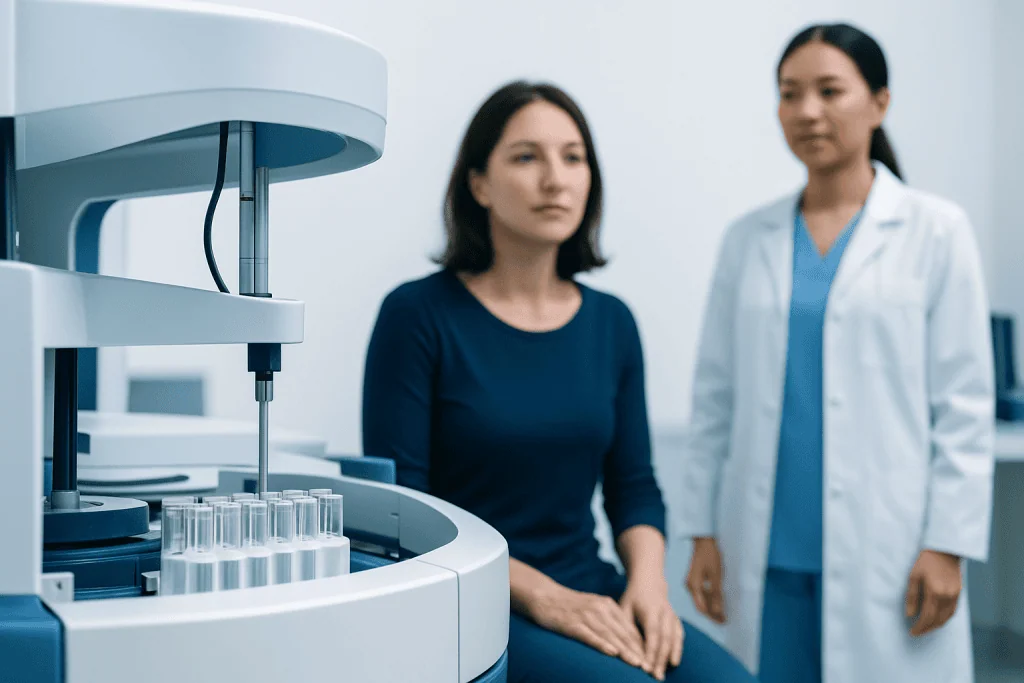
Endocrine conditions can affect nearly every system in the body, so the symptoms that lead to hormone testing can vary widely. Some people notice general symptoms such as low energy, sleep changes, weight changes, difficulty concentrating, or mood changes. Others develop more specific signs such as tremor, palpitations, increased sweating, constipation, dry skin, acne, or changes in appetite.
Reproductive and sexual health symptoms are also common reasons for testing. These may include irregular periods, missed periods, heavy bleeding, hot flashes, infertility, reduced sex drive, erectile dysfunction, or symptoms suggesting menopause or polycystic ovary syndrome. In children and teenagers, hormone testing may be used when growth, puberty, or development does not seem to be following the expected pattern.
Doctors may also investigate symptoms that suggest thyroid, adrenal, pituitary, or pancreatic disease. For example, symptoms of thyroid disorders can overlap with other conditions and may require hormone tests for thyroid function. If symptoms are persistent, changing, or affecting daily life, medical evaluation can help clarify whether a hormone-related problem is present.
Which Hormones Doctors Commonly Test

The specific tests depend on the symptoms and the gland being assessed. Thyroid testing often includes thyroid-stimulating hormone, known as TSH, and sometimes free T4 or free T3 to evaluate how the thyroid is functioning. Blood sugar regulation may be checked with insulin-related tests and glucose testing, especially when diabetes or metabolic problems are suspected.
Reproductive hormone tests may include estrogen, progesterone, testosterone, luteinizing hormone, follicle-stimulating hormone, prolactin, and anti-Müllerian hormone in selected situations. These can help assess menstrual irregularities, fertility concerns, menopause, low testosterone, or disorders affecting the ovaries or testes. Adrenal evaluation may involve cortisol and related tests, while pituitary assessment may include hormones that control other endocrine glands.
Doctors may also test hormones involved in calcium balance, growth, or water regulation, depending on the symptoms. Commonly evaluated systems include:
- Thyroid gland
- Pituitary gland
- Adrenal glands
- Pancreas
- Ovaries or testes
- Parathyroid glands
Because endocrine glands work as a network, one abnormal hormone can sometimes point to a problem in another gland. This is why doctors often order a panel of related tests rather than checking only one hormone.
How Hormone Tests Are Performed
Most hormone testing is done with a blood sample taken from a vein. Blood testing is widely used because it is standardized and can measure many hormones accurately. In some cases, doctors may order urine tests collected over 24 hours, which can be especially helpful when hormone levels fluctuate throughout the day. Saliva testing may be used in certain settings, but it is not appropriate for every hormone or every diagnostic question.
Timing matters for many hormone tests. Cortisol, for example, follows a daily rhythm, so the sample may need to be taken at a particular hour. Reproductive hormone testing may be timed to a certain day of the menstrual cycle. Some tests require fasting, while others require avoiding strenuous exercise or certain medications beforehand. The care team explains how to prepare so results are as reliable as possible.
Not all endocrine problems can be diagnosed with a single blood draw. Some people need dynamic testing, which looks at how the body responds over time. In these tests, doctors may measure hormone levels before and after a stimulus or a medicine that should normally raise or suppress hormone production. This approach can provide more detailed information when routine testing is not enough.
How Doctors Interpret the Results
Interpreting hormone tests is often more complex than comparing a result with a standard reference range. Doctors look at whether the level fits the person’s symptoms and whether related hormones rise or fall in the expected way. A mildly abnormal test may be temporary, while a pattern across several tests may point more clearly to a specific endocrine disorder.
Many factors can affect hormone levels without indicating a long-term endocrine disease. Stress, acute illness, pregnancy, menopause, aging, shift work, poor sleep, body weight changes, and medications such as steroids, thyroid medicine, contraceptives, or supplements can all influence results. This is one reason patients should tell their doctor about every medicine and supplement they take.
When results suggest a hormone imbalance, doctors may repeat the test or expand the evaluation. Imaging such as MRI or ultrasound may be used to look at endocrine glands if a structural problem is suspected. In some cases, additional testing helps distinguish between a problem in the gland itself and a problem in the pituitary or hypothalamus, which control many endocrine signals.
Conditions Hormone Testing Can Help Diagnose
Hormone testing helps diagnose a broad range of conditions, from common thyroid disorders to more complex pituitary and adrenal diseases. It can support the diagnosis of hypothyroidism, hyperthyroidism, diabetes, insulin resistance, polycystic ovary syndrome, menopause-related hormone changes, low testosterone, infertility-related disorders, and growth or puberty disorders. It can also help detect rare endocrine tumors or hormone-producing abnormalities when symptoms suggest them.
Sometimes test results guide doctors toward further investigation rather than giving a complete diagnosis on their own. For example, abnormal reproductive hormone results may prompt a fertility evaluation, while unusual cortisol levels may lead to more specialized endocrine testing. In selected cases, imaging or tissue sampling may be needed to confirm the cause of the hormonal change.
If a growth, nodule, or gland abnormality is found, doctors may use other diagnostic tools alongside hormone testing. Depending on the clinical situation, this can include ultrasound or a biopsy procedure such as thyroid biopsy. The goal is to combine lab results with imaging and clinical findings so treatment can be tailored accurately.
What Happens After Diagnosis
Treatment depends on the underlying cause of the hormone problem. Some conditions are treated with medicines that replace a missing hormone, reduce excessive hormone production, or help the body respond better to hormones. Others may improve with changes in nutrition, sleep, stress management, or body weight, especially when insulin resistance or metabolic imbalance is involved. Follow-up testing is often important to confirm that treatment is working safely and effectively.
For structural problems such as nodules, tumors, or gland enlargement, care may involve imaging surveillance, minimally invasive procedures, or surgery. Some patients need care from more than one specialist, such as an endocrinologist, gynecologist, fertility specialist, radiologist, or surgeon. A coordinated approach is especially helpful when hormone problems affect multiple body systems.
People should not start, stop, or change hormone-related medicines based only on one test result or online information. Because endocrine disorders can be complex, professional guidance helps prevent unnecessary worry and supports safe treatment decisions. Near the end of the diagnostic journey, some international patients choose centers such as Acibadem International, where multidisciplinary specialists in JCI-accredited hospitals evaluate and treat endocrine conditions.
When to See a Doctor and How to Prepare
A doctor should be consulted if symptoms are persistent, unexplained, or interfering with daily life. It is especially important to seek medical advice for rapid weight changes, fainting, severe weakness, marked changes in blood sugar, menstrual periods that stop unexpectedly, infertility concerns, new breast discharge, or symptoms of thyroid overactivity such as racing heartbeat and tremor. In children, delayed growth or unusual puberty timing should also be assessed.
Preparation can make hormone testing more useful. Patients can help by bringing a list of symptoms, when they started, and whether they change during the day or during the menstrual cycle. It is also helpful to bring a full list of medicines, vitamins, herbal products, and previous test results. Following instructions about fasting, timing, and medication adjustments is important because these details can affect the accuracy of hormone tests.
Many endocrine conditions are manageable once the cause is identified. Early evaluation can reduce uncertainty, guide appropriate treatment, and help a person feel more in control of their health. Even when results are normal, the information can still be valuable because it helps doctors look for other explanations and choose the next best step.
Frequently asked questions
What is hormone testing used for?
Hormone testing is used to check how well endocrine glands are working and to help explain symptoms that may be related to hormone imbalance. It can support the diagnosis of thyroid disorders, reproductive hormone problems, adrenal conditions, diabetes-related issues, and other endocrine diseases.
Is a blood test enough to diagnose an endocrine problem?
Sometimes a blood test gives a clear answer, but often it is only one part of the diagnosis. Doctors usually combine laboratory results with symptoms, physical examination, medical history, and sometimes imaging or repeat testing.
Do hormone levels change during the day?
Yes, some hormones naturally rise and fall throughout the day. Cortisol is a common example, which is why certain tests must be done at specific times for the most accurate interpretation.
Can medications affect hormone test results?
Yes, many medications and supplements can influence hormone levels or how the tests are interpreted. This includes steroids, thyroid medication, birth control, fertility treatments, and some herbal products, so patients should always inform their doctor about everything they take.
Do I need to fast before hormone testing?
Some hormone tests require fasting, while others do not. The exact instructions depend on which hormones are being measured, so it is best to follow the guidance provided by the healthcare team or laboratory.
If one hormone test is abnormal, does that mean I have a disease?
Not necessarily. A single abnormal result can be influenced by timing, stress, illness, medications, or normal biological variation, so doctors may repeat the test or order additional tests before making a diagnosis.
References
- World Health Organization
- National Institute of Diabetes and Digestive and Kidney Diseases
- Endocrine Society
- American Thyroid Association
- MedlinePlus
This article is for general information only and is not a substitute for professional medical advice. Please consult a qualified doctor about your individual situation.
Medical weight-loss options in Turkey — costs & eligibility
JCI-accredited · board-certified surgeons · reply within 24h
Add us as a Preferred Source to see more of our trusted health content across Google Search, AI Overviews and Discover.
Check your numbers in seconds
BMI, calories, due date, blood pressure and 30+ more clinical calculators — free, instant, doctor-reviewed ranges.