Hospital Stay After Gastric Sleeve Surgery: Day-by-Day Recovery Expectations

Most patients stay in the hospital for 1 to 3 days after gastric sleeve surgery. Early walking, breathing exercises, and gradual fluid intake are key parts of recovery.
Key Takeaways
- Most patients stay in the hospital for 1 to 3 days after gastric sleeve surgery.
- Early walking, breathing exercises, and gradual fluid intake are key parts of recovery.
- Pain, nausea, and tiredness are common at first and are usually managed with medication and supportive care.
- Discharge depends on stable vital signs, adequate fluid intake, and the ability to move safely.
- Patients should know the warning signs that need urgent medical advice after going home.
Hospital stay after gastric sleeve surgery is usually short, but each day has a clear purpose in supporting safe recovery. Understanding what happens from the first hours after surgery through discharge can help patients feel more prepared, comfortable, and confident.
Overview: What to Expect From the Hospital Stay
Hospital stay after gastric sleeve surgery is often shorter than many people expect. In most cases, patients stay for about 1 to 3 days, depending on their overall health, how the procedure went, and how smoothly recovery begins. The goal of this hospital period is to make sure the body is healing well, pain and nausea are controlled, and drinking small amounts of fluid is possible.
Gastric sleeve surgery, also called sleeve gastrectomy, reduces the size of the stomach so a person feels full with less food. Because it is usually performed using minimally invasive techniques, recovery in the hospital is often faster than with traditional open surgery. Even so, the first days are important because the care team will watch closely for hydration, breathing, mobility, and any early signs of complications.
Each hospital day follows a general pattern. Right after surgery, the focus is on waking up safely from anesthesia and beginning gentle movement. By the next day, most patients are encouraged to walk more often, practice deep breathing, and start a carefully planned liquid intake. Discharge happens when the patient is medically stable and understands the early aftercare plan at home.
The First Hours After Surgery
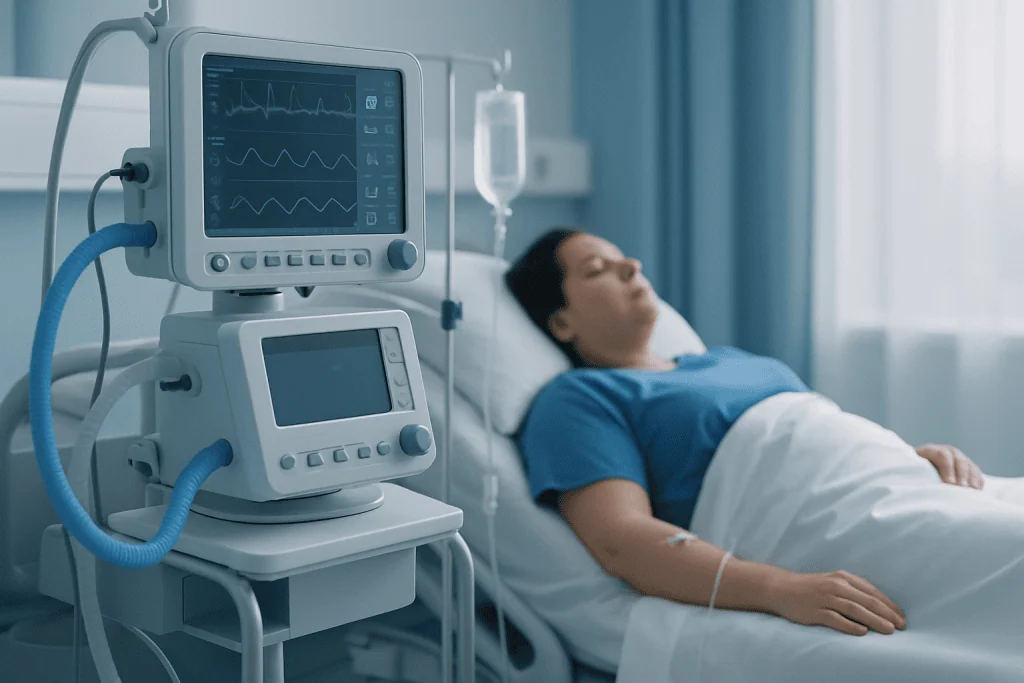
After the procedure, the patient is taken to a recovery area where nurses and doctors monitor blood pressure, heart rate, breathing, oxygen levels, and comfort. Feeling sleepy, groggy, or mildly confused at first is common because of anesthesia. Some people also have throat dryness, nausea, or abdominal discomfort.
Pain is expected, but it is usually manageable. The discomfort may feel like soreness, pressure, or cramping in the abdomen. Shoulder pain can also occur because of the gas used during laparoscopic surgery. The medical team provides pain relief and anti-nausea medicines as needed, aiming to keep the patient comfortable enough to rest, cough, breathe deeply, and move.
Early movement matters even on the day of surgery. With guidance, many patients are asked to sit up, dangle their legs, or take a few steps as soon as it is safe. This helps improve circulation, supports lung function, and lowers the risk of blood clots. Compression devices on the legs or blood-thinning medication may also be used to support safe recovery.
Day 1: Walking, Breathing, and Starting Fluids

The first full day after surgery is often the most active part of the hospital stay. Nurses encourage the patient to get out of bed and walk several times, even if only for short distances at first. Walking supports bowel function, improves breathing, reduces stiffness, and can help relieve gas-related discomfort.
Breathing exercises are another key part of recovery. Patients may be asked to use an incentive spirometer or practice deep breathing and coughing. These simple steps help keep the lungs expanded and reduce the chance of chest complications after anesthesia and surgery.
Fluid intake usually begins in a slow, structured way according to the surgeon’s protocol. This may start with small sips of water or clear liquids. The patient is taught to drink very slowly and avoid gulping. Tolerance is assessed carefully because nausea, fullness, or discomfort can happen if drinking progresses too quickly. If needed, the team may perform tests or imaging to confirm that the stomach is healing as expected before the diet advances.
For patients preparing for longer-term weight loss care, the hospital stay may also include education about gastric sleeve surgery, hydration goals, activity, and the staged post-operative diet. This teaching is an important part of a safe transition home.
Day 2 and Discharge Planning
By the second day, many patients feel more alert and are able to move around more independently. The care team continues to check vital signs, abdominal tenderness, urine output, and fluid tolerance. Some fatigue is still normal, and mild pain or nausea may continue, but these symptoms often begin to improve.
Discharge planning starts once the patient meets certain milestones. These usually include stable blood pressure and pulse, no signs of major bleeding or infection, enough fluid intake to reduce dehydration risk, the ability to walk, and pain controlled with oral medication. The patient should also understand how to take prescribed medicines and follow the next stages of the diet.
Before leaving, the team reviews practical instructions. These often cover wound care, showering, activity limits, warning signs, bowel changes, and when to return for follow-up. Some people go home on day 1, while others stay an extra day or more for closer observation, especially if they have other health conditions such as sleep apnea, diabetes, or high blood pressure. A slightly longer stay does not always mean something is wrong; it may simply reflect a more cautious recovery plan.
Common Symptoms During the Hospital Stay
Several symptoms are common during recovery and usually improve with time and supportive care. Abdominal soreness, tiredness, bloating, and nausea are among the most frequent. Patients may also notice a feeling of tightness in the stomach area or discomfort when trying to drink. These symptoms are expected to some degree and are carefully monitored by the care team.
Gas pain is especially common after laparoscopic surgery. It can be felt in the abdomen, chest, or shoulder and may be uncomfortable, but it often improves with walking and time. Mild constipation can also begin early, especially if opioid pain medicines are used or fluid intake is low. The medical team may suggest strategies to support bowel function safely.
Emotional ups and downs can happen too. Some patients feel relieved and hopeful, while others feel anxious, tearful, or overwhelmed after surgery. This is understandable after a major life change and a physically demanding day. Clear communication with the healthcare team often helps patients feel more reassured.
- Common early symptoms: soreness, nausea, fatigue, gas pain, reduced appetite
- Expected care measures: pain relief, anti-nausea medication, IV fluids, walking support
- Symptoms that need urgent review: severe worsening pain, persistent vomiting, chest pain, trouble breathing, fever, or fast heartbeat
What Can Delay Discharge?
While many hospital stays are straightforward, some factors can delay going home. Ongoing nausea or vomiting may make it difficult to drink enough fluids. Poor pain control, dizziness with walking, low oxygen levels, or signs of dehydration may also lead the team to recommend an extra night in the hospital.
Doctors also watch for uncommon but important complications. These can include bleeding, infection, blood clots, or a leak from the staple line. The risk is generally low, but early recognition matters. If the patient has persistent fast heart rate, fever, increasing abdominal pain, or other concerning signs, further evaluation is needed before discharge.
Pre-existing medical conditions can affect recovery speed as well. People with obesity-related conditions such as diabetes, heart disease, or obstructive sleep apnea may need closer monitoring. In some cases, patients who are also being treated for related digestive concerns may need broader evaluation, such as for gastroesophageal reflux disease, which can influence symptoms and long-term aftercare decisions.
Going Home: Self-care in the First Days
Once at home, the same recovery priorities continue: hydration, gentle movement, breathing exercises if advised, and following the diet plan exactly. Patients are usually instructed to sip fluids throughout the day rather than drink large amounts at once. Preventing dehydration is one of the most important early goals after discharge.
Activity should increase gradually. Short, frequent walks are usually encouraged, while heavy lifting and strenuous exercise are limited for a period recommended by the surgeon. Rest is important, but staying in bed most of the day is not ideal because movement helps circulation, bowel function, and comfort.
Food progression happens in stages and should only advance according to medical advice. Most patients begin with clear liquids, then move to fuller liquids, pureed foods, and later soft foods. Learning this routine is part of broader bariatric surgery aftercare. If symptoms such as frequent reflux, trouble swallowing, or repeated vomiting continue, doctors may investigate issues that sometimes overlap with hiatal hernia or other upper digestive conditions.
Near the end of the discharge process, some patients appreciate knowing that centers such as Acibadem International have multidisciplinary specialists and JCI-accredited hospitals that diagnose and treat obesity-related conditions and support international patients through surgery and recovery planning.
When to Contact a Doctor After Discharge
Most people recover without serious problems, but it is important to know when symptoms need medical attention. Patients should contact their doctor promptly if they cannot keep fluids down, are urinating much less than usual, or feel increasingly weak or dizzy. Dehydration can develop quickly after bariatric surgery if fluid intake stays too low.
Urgent medical advice is also needed for chest pain, shortness of breath, leg swelling, fever, rapid heartbeat, redness or drainage from incision sites, or worsening abdominal pain. These symptoms do not always mean a serious complication, but they should be assessed without delay. It is safer to ask early than to wait and hope symptoms pass.
Follow-up appointments are an essential part of recovery. These visits help the team review healing, hydration, nutrition, weight changes, medicines, and any emotional or lifestyle adjustments. Recovery continues well beyond the hospital stay, and ongoing support helps patients build safe long-term habits.
Frequently asked questions
How long do patients usually stay in the hospital after gastric sleeve surgery?
Most patients stay for 1 to 3 days after gastric sleeve surgery. The exact length depends on overall health, pain control, fluid intake, mobility, and whether there are any concerns that need extra monitoring.
Is pain normal during the hospital stay after sleeve gastrectomy?
Yes, some pain or soreness is expected, especially in the abdomen. Many patients also feel gas-related discomfort or shoulder pain after laparoscopic surgery, but these symptoms are usually managed with medication and gentle walking.
When can a patient drink water after gastric sleeve surgery?
This depends on the surgeon's protocol, but small sips of water or clear liquids often begin within the first day after surgery. Drinking is introduced slowly to avoid nausea, discomfort, or vomiting.
What needs to happen before hospital discharge?
Before discharge, the patient usually needs stable vital signs, manageable pain, the ability to walk, and enough fluid intake to reduce dehydration risk. The care team also makes sure the patient understands medicines, diet stages, and warning signs to watch for at home.
What are the warning signs after going home?
Patients should seek medical advice for persistent vomiting, inability to drink enough fluids, worsening abdominal pain, fever, chest pain, shortness of breath, or a fast heartbeat. These symptoms should be checked promptly, even if they turn out not to be serious.
Can recovery take longer for some patients?
Yes. People with conditions such as diabetes, sleep apnea, heart disease, or slower tolerance of fluids may need a longer hospital stay or a more gradual recovery plan. Recovery time is individual and should not be compared too closely with someone else's experience.
References
- American Society for Metabolic and Bariatric Surgery
- National Institute of Diabetes and Digestive and Kidney Diseases
- Mayo Clinic
- National Health Service
- Society of American Gastrointestinal and Endoscopic Surgeons
This article is for general information only and is not a substitute for professional medical advice. Please consult a qualified doctor about your individual situation.
Gastric Sleeve Surgery in Turkey — costs, top hospitals & a free quote
JCI-accredited · board-certified surgeons · reply within 24h
Add us as a Preferred Source to see more of our trusted health content across Google Search, AI Overviews and Discover.
Check your numbers in seconds
BMI, calories, due date, blood pressure and 30+ more clinical calculators — free, instant, doctor-reviewed ranges.

Bariatric & Metabolic Surgery
Surgical and endoscopic treatments for obesity and metabolic conditions.