How Digestive Health Is Diagnosed: Tests, Imaging, and Endoscopy
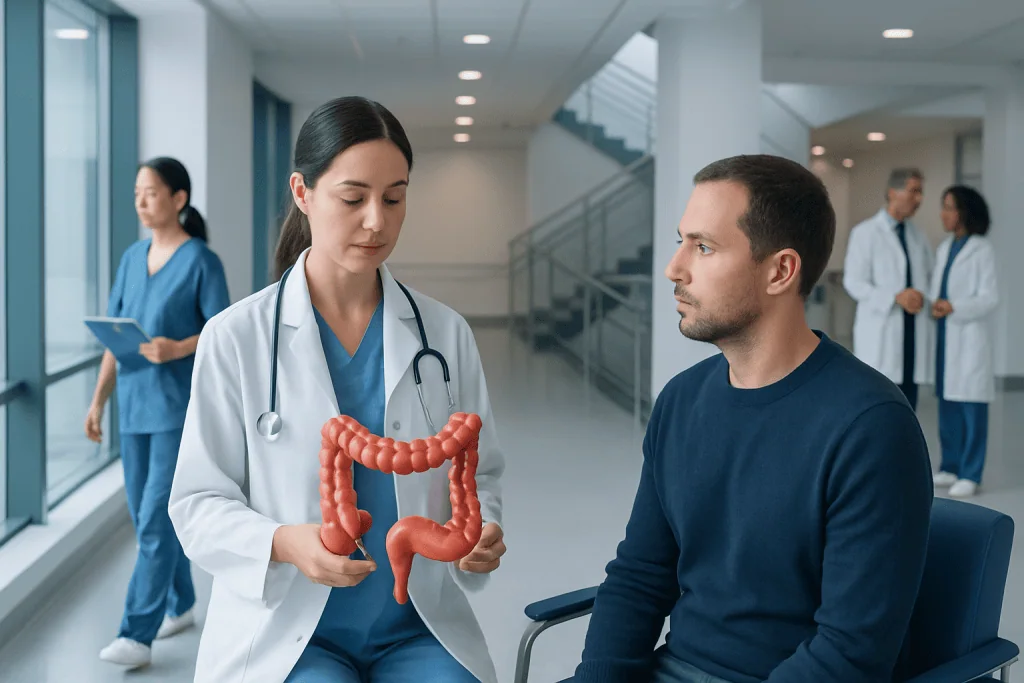
Digestive symptoms are diagnosed using history, examination, lab tests, imaging, and sometimes endoscopy. Blood, stool, and breath tests can provide important clues about inflammation, infection, bleeding, and digestion.
Key Takeaways
- Digestive symptoms are diagnosed using history, examination, lab tests, imaging, and sometimes endoscopy.
- Blood, stool, and breath tests can provide important clues about inflammation, infection, bleeding, and digestion.
- Ultrasound, CT, MRI, and specialized scans help doctors look at abdominal organs and the digestive tract.
- Endoscopy allows direct viewing of the digestive tract and can also be used to take biopsies or treat some problems.
- The right test depends on the person’s age, symptoms, medical history, and warning signs such as weight loss or bleeding.
Digestive health diagnosis involves a step-by-step evaluation to identify the cause of symptoms such as pain, bloating, reflux, diarrhea, constipation, or bleeding. Doctors may use medical history, lab tests, imaging, and endoscopic procedures to build a clear picture and guide treatment.
Overview: How digestive health is evaluated
Digestive symptoms can have many possible causes, ranging from short-term irritation to chronic conditions that need ongoing care. Because the digestive system includes the esophagus, stomach, intestines, liver, gallbladder, and pancreas, diagnosis often begins with a broad overview rather than a single test. The goal is to understand what symptoms are happening, how long they have been present, and whether they suggest inflammation, infection, a structural problem, or a change in how the gut functions.
In most cases, a doctor starts with a detailed medical history and physical examination. Questions may cover abdominal pain, heartburn, swallowing difficulty, nausea, vomiting, bowel habits, weight changes, appetite, food triggers, medications, family history, and previous illnesses. This first step helps narrow down which tests are most useful and avoids unnecessary procedures.
Digestive health diagnosis is often done in stages. Some people need only basic blood work or stool tests, while others may need imaging or an endoscopic procedure for a clearer view. This careful, stepwise approach helps doctors identify common problems such as ulcers, gallstones, inflammation, food intolerance, or gastroesophageal reflux disease, while also checking for less common but important conditions.
Common symptoms that may lead to testing
Doctors usually recommend digestive evaluation when symptoms are persistent, recurrent, or affecting daily life. These symptoms can include abdominal pain, bloating, excessive gas, nausea, vomiting, constipation, diarrhea, heartburn, difficulty swallowing, rectal bleeding, dark stools, or a feeling of incomplete bowel emptying. Sometimes symptoms are mild but continue for weeks, which may still justify further assessment.
Some signs deserve earlier medical attention because they may suggest a more urgent problem. These include unexplained weight loss, ongoing vomiting, anemia, blood in stool, black tarry stools, jaundice, fever with abdominal pain, or symptoms that wake a person from sleep. Age, family history, and personal risk factors also matter, especially if there is a history of colorectal polyps, inflammatory bowel disease, liver disease, or digestive cancers.
Digestive complaints are not always caused by structural disease. In some people, symptoms come from functional disorders, where the bowel looks normal but does not work as comfortably or regularly as it should. Even then, testing may be needed to rule out conditions such as infection, celiac disease, ulcers, or Crohn’s disease before a functional diagnosis is made.
Laboratory tests: blood, stool, and breath tests

Laboratory tests are often the first tools used in digestive health diagnosis because they are widely available and can provide valuable clues. Blood tests may check for anemia, signs of infection, inflammation, liver function, pancreatic enzymes, nutrient deficiencies, or markers that suggest celiac disease. These tests do not always confirm a diagnosis on their own, but they help doctors decide what to investigate next.
Stool tests are useful when symptoms involve diarrhea, bleeding, or suspected infection. A stool sample may be tested for hidden blood, bacteria, parasites, inflammation markers, or signs that the pancreas is not producing enough digestive enzymes. In some situations, stool testing can help distinguish between inflammatory bowel disease and non-inflammatory causes of symptoms.
Breath tests may be used to look for lactose intolerance, small intestinal bacterial overgrowth, or infection with Helicobacter pylori, a bacterium linked to some stomach ulcers. These tests are noninvasive and usually involve drinking a prepared solution and breathing into a collection device at intervals. Depending on the findings, the next step may be dietary advice, medication, imaging, or procedures such as endoscopy.
- Blood tests can assess inflammation, bleeding, liver health, and nutrient status.
- Stool tests can detect infection, hidden blood, and intestinal inflammation.
- Breath tests can help evaluate food intolerance and certain bacterial conditions.
Imaging tests for the digestive system
Imaging helps doctors see the digestive organs from outside the body. The choice of scan depends on the symptom pattern and the organ being assessed. Ultrasound is often used first for upper abdominal pain because it can show the liver, gallbladder, bile ducts, and sometimes the pancreas without radiation. It is commonly used when gallstones, liver changes, or bile duct blockage are suspected.
Computed tomography, often called CT, provides detailed cross-sectional images of the abdomen and pelvis. It can help identify inflammation, bowel blockage, appendicitis, diverticulitis, abscesses, tumors, and complications involving the pancreas or intestines. Magnetic resonance imaging, or MRI, may be used when more soft-tissue detail is needed, especially for the liver, bile ducts, pancreas, or small bowel. In some cases, specialized studies such as MRCP are used to examine the bile and pancreatic ducts.
Other tests may include contrast X-rays or swallowing studies when there is difficulty swallowing or concern about the movement of food through the upper digestive tract. Imaging is especially helpful when symptoms suggest disease outside the inner lining of the gut, because endoscopy mainly shows the inside surface. Sometimes imaging and endoscopy are used together to give a more complete understanding of the problem.
Endoscopy and colonoscopy: seeing inside the digestive tract
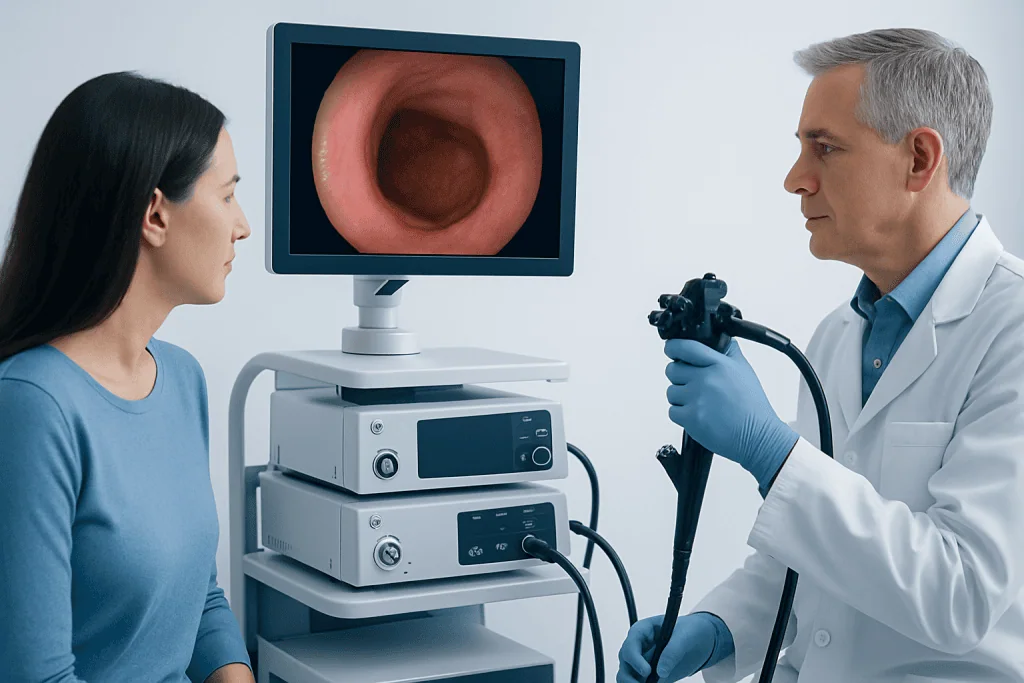
Endoscopy allows doctors to examine the inside lining of the digestive tract directly using a thin flexible tube with a light and camera. An upper endoscopy is used to look at the esophagus, stomach, and first part of the small intestine. It may be recommended for symptoms such as persistent reflux, trouble swallowing, unexplained nausea, upper abdominal pain, anemia, or suspected ulcers. A colonoscopy examines the rectum and colon and is commonly used for bleeding, changes in bowel habits, chronic diarrhea, abdominal pain, and colorectal cancer screening.
One of the biggest advantages of endoscopy is that it can do more than show images. During the procedure, the doctor may take a biopsy, which is a tiny tissue sample examined under a microscope. Biopsies can help diagnose inflammation, infection, celiac disease, microscopic colitis, polyps, or cancerous and precancerous changes. Some procedures can also remove polyps, stop bleeding, widen narrowed areas, or treat certain lesions at the same time.
People are often concerned about comfort, but many endoscopic procedures are done with sedation to help them relax. Preparation varies by test. For example, colonoscopy usually requires bowel cleansing in advance so the doctor can see clearly. If a specialist recommends colonoscopy or gastroscopy, they will explain how to prepare, what to expect on the day, and when normal activities can usually resume.
How doctors choose the right test
There is no single test that fits every digestive complaint. Doctors match testing to the person’s age, symptoms, physical examination, and risk factors. For example, heartburn in a younger adult without warning signs may first be managed with lifestyle measures and medication, while swallowing difficulty or unexplained anemia may lead more directly to endoscopy. Longstanding diarrhea might prompt stool testing and blood work first, followed by colonoscopy if inflammation is suspected.
Medical history strongly influences decision-making. Family history of colorectal cancer, inflammatory bowel disease, celiac disease, or inherited syndromes may change the timing and type of evaluation. Medication use is also important, especially anti-inflammatory drugs, blood thinners, acid suppressants, or antibiotics, which can affect symptoms and test results. Previous abdominal surgery can also shape the diagnostic plan.
Sometimes the diagnosis becomes clear quickly, but in other cases more than one test is needed. A person may have normal initial results yet still need follow-up if symptoms continue. This does not necessarily mean something serious has been missed; it often reflects how digestive disorders overlap and how some conditions are best diagnosed by combining clinical history with targeted testing over time.
Preparing for tests and understanding results
Preparation depends on the test being performed. Blood tests may require fasting in some cases. Stool tests need a correctly collected sample, and certain medicines may need to be discussed beforehand. Imaging tests sometimes require contrast dye or temporary fasting. For endoscopy or colonoscopy, preparation instructions should be followed closely because clear views are essential for accurate results.
Results may be available at different times. Some blood and imaging findings are reviewed quickly, while biopsy results often take several days. A normal test can be reassuring, but it is still important to review ongoing symptoms with a doctor. Digestive diagnosis is not only about finding severe disease; it is also about ruling out serious causes and identifying manageable conditions that can be treated with lifestyle changes, medication, or monitoring.
Near the end of the diagnostic process, a care team may explain whether symptoms are due to inflammation, infection, ulcers, gallstones, liver disease, a bowel disorder, or a functional problem such as irritable bowel syndrome. In complex cases, multidisciplinary evaluation can be helpful. Acibadem International’s multidisciplinary specialists in JCI-accredited hospitals diagnose and treat digestive conditions for international patients, with testing tailored to each person’s needs.
When to see a doctor
Anyone with digestive symptoms that persist, return frequently, or interfere with eating, sleep, or daily life should consider medical evaluation. Early assessment can help clarify whether the problem is temporary, diet-related, medication-related, or caused by a condition that needs treatment. It also reduces uncertainty and helps people avoid self-treatment that may not address the real cause.
Prompt medical care is especially important for warning signs such as blood in vomit or stool, black stools, severe or worsening abdominal pain, jaundice, repeated vomiting, dehydration, fainting, fever with abdominal symptoms, or unexplained weight loss. These symptoms do not always indicate a serious disease, but they do deserve timely assessment.
People with a family history of digestive disorders or colorectal cancer should also ask a doctor when screening or earlier evaluation is appropriate. A qualified healthcare professional can recommend the safest and most useful next step, whether that means reassurance, additional testing, or referral to a gastroenterology specialist.
Frequently asked questions
What is the first step in digestive health diagnosis?
The first step is usually a detailed discussion of symptoms, medical history, medications, and family history, followed by a physical examination. This helps the doctor decide whether basic lab tests are enough or whether imaging or endoscopy is needed.
Are blood tests enough to diagnose digestive problems?
Blood tests can provide important clues, but they often do not give a complete diagnosis on their own. Many digestive conditions require stool tests, imaging, endoscopy, or biopsy to confirm the cause.
What is the difference between imaging and endoscopy?
Imaging tests such as ultrasound, CT, and MRI create pictures of organs from outside the body. Endoscopy uses a camera to look directly at the inside lining of the digestive tract and can also allow tissue sampling or treatment during the procedure.
When is a colonoscopy recommended?
A colonoscopy may be recommended for rectal bleeding, chronic diarrhea, unexplained anemia, changes in bowel habits, abdominal pain, or colorectal cancer screening. The timing depends on age, symptoms, risk factors, and family history.
Is endoscopy painful?
Many people tolerate endoscopy well, especially when sedation is used. There may be mild discomfort, bloating, or throat irritation afterward, but serious complications are uncommon when the procedure is performed by trained specialists.
Why might a doctor order stool tests?
Stool tests can help check for infection, hidden blood, inflammation, or problems with digestion and absorption. They are especially useful for diarrhea, suspected gastrointestinal bleeding, and some inflammatory bowel conditions.
References
- World Gastroenterology Organisation
- National Institute of Diabetes and Digestive and Kidney Diseases
- American College of Gastroenterology
- National Health Service
- Mayo Clinic
This article is for general information only and is not a substitute for professional medical advice. Please consult a qualified doctor about your individual situation.
Persistent digestive symptoms? Get evaluated in Turkey
JCI-accredited · board-certified surgeons · reply within 24h
Add us as a Preferred Source to see more of our trusted health content across Google Search, AI Overviews and Discover.