How Long Can You Live with Thyroid Cancer Without Treatment: How It Works, Results and What to Expect

Thyroid cancer behavior varies greatly by type, size, stage, genetic features and a person’s overall health. Active surveillance is structured medical monitoring for selected low-risk cancers; it is not the same as leaving cancer untreated.
Key Takeaways
- Thyroid cancer behavior varies greatly by type, size, stage, genetic features and a person’s overall health.
- Active surveillance is structured medical monitoring for selected low-risk cancers; it is not the same as leaving cancer untreated.
- Most thyroid cancers are treatable, and early assessment helps clinicians choose the safest and most effective approach.
- New neck swelling, voice changes, swallowing difficulty, persistent bone pain or breathing symptoms should be assessed promptly.
- Stage 4 thyroid cancer can sometimes be controlled for meaningful periods, but outlook depends on the cancer subtype and sites of spread.
How long a person can live with thyroid cancer without treatment cannot be predicted from one diagnosis alone. Some small, low-risk papillary thyroid cancers may remain stable for years under specialist monitoring, while other thyroid cancers can grow or spread quickly and need prompt treatment.
How Long Can You Live With Thyroid Cancer Without Treatment?
How long can you live with thyroid cancer without treatment depends mainly on the cancer type, its stage, whether it is growing or spreading, and the person’s general health. Some very small, low-risk papillary thyroid cancers grow so slowly that they can be safely observed for years through an organised active-surveillance plan. In contrast, aggressive thyroid cancers may enlarge or spread over weeks to months and require urgent specialist care.
There is no reliable time limit that applies to everyone. A diagnosis should not be managed by waiting for symptoms or avoiding follow-up appointments, because thyroid cancer may progress without causing early discomfort. An endocrinologist, endocrine surgeon or oncology team can explain whether observation is appropriate or whether treatment should begin.
For many people, thyroid cancer is highly treatable. The key distinction is between active surveillance, which includes regular examinations and imaging, and no medical care at all. Thyroid cancer assessment helps establish the subtype, extent and treatment plan.
Why Untreated Thyroid Cancer Can Behave Differently
Thyroid cancer is not one condition. Differentiated thyroid cancers, especially papillary thyroid cancer, are the most common forms and often grow slowly. Follicular thyroid cancer may also be treatable but is more likely than papillary cancer to spread through the bloodstream to distant organs. Medullary thyroid cancer has different biological features and requires specialist evaluation, while anaplastic thyroid cancer is rare, fast-growing and a medical priority.
Doctors also consider tumour size, lymph-node involvement, spread outside the thyroid, distant metastases, age, imaging findings and pathology results. Molecular testing may be useful in some cases. These details give a more meaningful picture than the word “cancer” alone.
Even slow-growing disease can eventually grow into nearby structures or spread to lymph nodes. For this reason, a person considering surveillance needs clear eligibility criteria and a reliable follow-up schedule. A change in scan findings or symptoms may mean that treatment is recommended.
Active Surveillance: How It Works, Who May Be Eligible and What to Expect

Active surveillance is a planned alternative to immediate surgery for carefully selected people with very small, low-risk papillary thyroid cancers, often called papillary thyroid microcarcinomas. It is designed to identify meaningful growth early while avoiding treatment that may not be necessary right away. It should only be undertaken with an experienced thyroid-care team.
Potential candidates generally have a small cancer confined to the thyroid, no concerning lymph nodes or evidence of spread, and no imaging features suggesting invasion of important nearby structures. Location matters: a tumour close to the windpipe or the nerve controlling the vocal cords may be less suitable for observation. Personal preferences, access to follow-up and pregnancy plans are also considered individually.
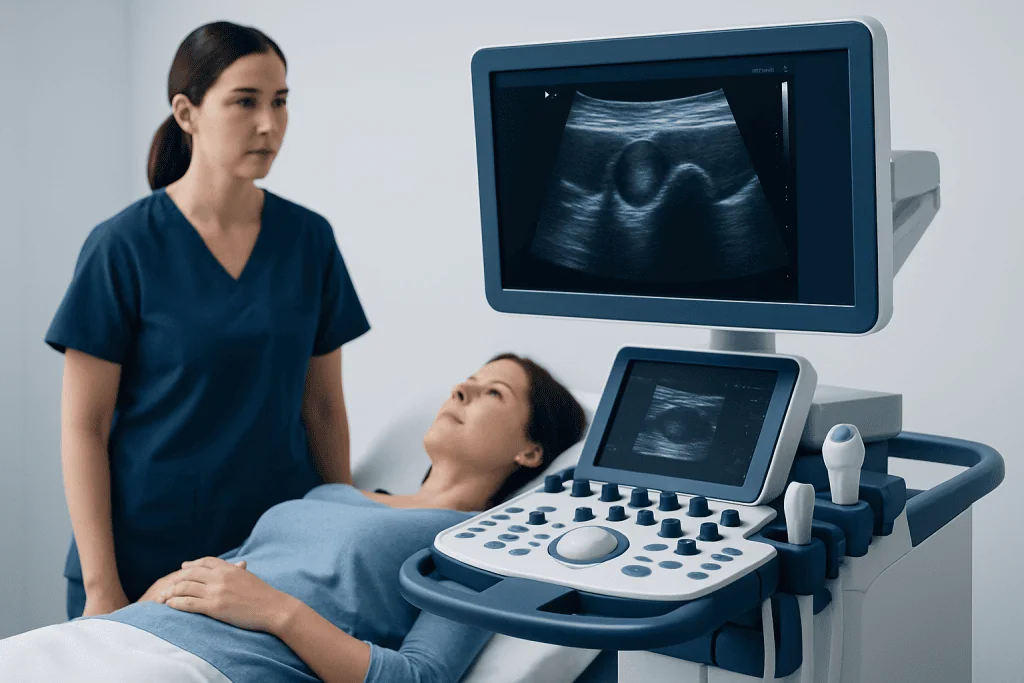
The process usually begins with a neck examination, thyroid ultrasound and review of biopsy findings. Follow-up ultrasounds are then performed at agreed intervals, commonly more frequently early on and less often if the cancer remains stable. Surgery may be advised if the tumour grows, suspicious lymph nodes appear, imaging changes occur, or the person prefers definitive treatment.
- Potential benefit: avoids or postpones surgery and its possible effects when the cancer remains stable.
- Potential limitation: requires dependable appointments and may cause anxiety for some people.
- Important point: surveillance is not appropriate for every thyroid cancer or every patient.
Treatment Pathway: Procedure Steps, Recovery, Benefits and Risks
When treatment is recommended, surgery is commonly the main treatment for thyroid cancer confined to the thyroid or nearby lymph nodes. Depending on the cancer and its location, the surgeon may remove one thyroid lobe or the whole thyroid gland, sometimes with affected lymph nodes. Thyroidectomy planning is individualised after reviewing imaging, biopsy results and the expected benefits of each surgical option.
Before surgery, the team reviews medical history, medicines, blood tests and imaging. During the operation, the surgeon removes the planned thyroid tissue while protecting structures such as the recurrent laryngeal nerves and parathyroid glands. Removed tissue is examined by a pathologist, and the final report helps determine whether further treatment or surveillance is needed.
Recovery often includes a short hospital stay or, in selected cases, discharge the same day. Temporary neck discomfort, tiredness and voice changes can occur. After total thyroidectomy, lifelong thyroid hormone replacement is needed. Some people may need calcium monitoring or supplements if the parathyroid glands are temporarily affected.
The benefits of treatment can include removing known cancer, clarifying the final stage and reducing the risk of local progression. Risks include bleeding, infection, scar formation, changes in voice, low calcium levels and the need for long-term hormone monitoring. Radioactive iodine, external-beam radiotherapy, targeted medicines or other treatments may be considered for particular cancer types or advanced disease.
Can You Survive Stage 4 Thyroid Cancer?
Yes. Some people survive stage 4 thyroid cancer for years, particularly when they have differentiated thyroid cancer that responds to surgery, radioactive iodine or targeted treatment. However, stage 4 is a broad category, and prognosis differs substantially according to the thyroid cancer subtype, age, where cancer has spread and how well it responds to treatment.
Stage 4 does not always mean that a person will immediately feel unwell or that no treatment is available. Specialists may use combinations of surgery, radioactive iodine for suitable differentiated cancers, radiotherapy for symptom control or local disease, and systemic medicines for progressive disease. The aim may be cure in selected situations, long-term disease control, symptom relief, or a combination of these goals.
Regular review by a multidisciplinary team is especially important in advanced disease. They can coordinate endocrine care, surgery, medical oncology, radiation oncology, imaging, pain management and supportive care according to the individual’s needs.
What Does Stage 4 Thyroid Cancer Feel Like?
Stage 4 thyroid cancer may cause no symptoms at first, especially if spread is small and discovered on imaging. When symptoms occur, they depend on where the cancer is located. A growing thyroid or neck mass can cause pressure, difficulty swallowing, a persistent cough, hoarseness or shortness of breath.
If cancer has spread beyond the neck, symptoms can relate to the affected organ. Lung involvement may lead to cough or breathlessness, while bone involvement can cause persistent focal pain or fractures. Fatigue, reduced appetite and unintentional weight loss can occur in advanced illness, but these symptoms have many possible causes and do not confirm cancer progression by themselves.
New or worsening symptoms should be discussed with the cancer team rather than managed alone. Supportive treatments can help relieve pain, swallowing problems, fatigue and emotional distress while cancer-directed treatment is being planned or continued.
What Are the Symptoms of End-Stage Thyroid Cancer?
End-stage thyroid cancer is not a precise medical stage; it usually describes advanced cancer that is no longer responding to available treatments or is causing major effects on the body. Symptoms vary widely and may include increasing weakness, significant fatigue, weight loss, reduced appetite, pain, breathlessness, swallowing difficulty or confusion, depending on the areas affected and other health conditions.
Some people may develop more frequent need for help with daily activities, sleeping more, or reduced ability to eat and drink. These changes deserve compassionate medical attention. Palliative care can be provided alongside cancer treatment and focuses on comfort, symptom control, communication and support for both the patient and family.
It is important not to assume that any new symptom means end-stage disease. Infection, medicine effects, hormone imbalance and other treatable conditions can produce similar symptoms. A prompt clinical assessment can clarify the cause and identify helpful care.
What Are the Signs That Thyroid Cancer Has Spread to the Bones?
Possible signs that thyroid cancer has spread to the bones include persistent pain in one area of bone, pain that worsens at night or with movement, unexplained fractures, weakness, numbness or difficulty walking. Back pain with new leg weakness, loss of bladder or bowel control, or numbness around the groin area requires urgent medical assessment because it can indicate spinal cord compression.
Bone metastases are diagnosed with imaging rather than symptoms alone. Depending on the situation, clinicians may use CT, MRI, PET imaging, radioactive iodine scanning or other tests. Blood tests can also help assess calcium levels and general health.
Treatment may include thyroid cancer therapies, focused radiotherapy, surgery or procedures to stabilise a weakened bone, and medicines to protect bone health or control pain. Early reporting of persistent bone pain gives the care team the best opportunity to investigate and manage it safely.
When to Seek Medical Care
A person should arrange medical assessment for a new or enlarging neck lump, persistent hoarseness, difficulty swallowing, breathing changes, unexplained neck pressure or swollen lymph nodes. These symptoms are often caused by non-cancerous conditions, but they should not be ignored, particularly if they persist or worsen.
Urgent care is appropriate for significant breathing difficulty, rapidly enlarging neck swelling, coughing up blood, severe uncontrolled pain, sudden weakness or symptoms of possible spinal cord compression. People already diagnosed with thyroid cancer should contact their care team promptly about new symptoms or missed surveillance appointments.
Acibadem International’s multidisciplinary specialists and JCI-accredited hospitals diagnose and treat thyroid cancer for international patients, with care plans based on the cancer type, stage and individual goals.
Frequently asked questions
Can thyroid cancer be left untreated?
In selected cases of very small, low-risk papillary thyroid cancer, specialists may recommend active surveillance instead of immediate surgery. This involves planned ultrasound scans and clinical follow-up. Other thyroid cancers may need treatment promptly because their risk of growth or spread is higher.
Is thyroid cancer always fatal if it is not treated?
No. Some low-risk thyroid cancers grow slowly and may remain stable for a long time. However, it is not possible to predict an individual outcome without knowing the cancer type and extent, and untreated cancer can progress without obvious early symptoms.
How quickly does thyroid cancer spread?
Growth and spread rates vary greatly. Papillary thyroid cancer often progresses slowly, whereas anaplastic thyroid cancer can progress rapidly. Imaging, biopsy findings and specialist assessment are needed to understand the likely behaviour of a specific tumour.
Does a thyroid cancer diagnosis always mean the thyroid must be removed?
No. Some small, low-risk cancers may be monitored, and some people may be suitable for removal of only one thyroid lobe. The appropriate approach depends on tumour characteristics, lymph nodes, personal health and informed preferences.
Can thyroid cancer spread without symptoms?
Yes. Small areas of spread, including lymph-node or lung involvement, may not cause noticeable symptoms and can be found during planned imaging or follow-up. This is one reason regular surveillance is important after diagnosis.
What follow-up is needed during active surveillance for thyroid cancer?
Follow-up usually includes regular neck examinations and thyroid ultrasound scans, with timing set by the specialist team. If the tumour grows, suspicious lymph nodes develop or symptoms change, the treatment plan may be reconsidered.
References
- American Cancer Society
- National Cancer Institute
- American Thyroid Association
- European Society for Medical Oncology
- World Health Organization
This article is for general information only and is not a substitute for professional medical advice. Please consult a qualified doctor about your individual situation.
Thyroid Cancer in Turkey — costs, top hospitals & a free quote
JCI-accredited · board-certified surgeons · reply within 24h
Add us as a Preferred Source to see more of our trusted health content across Google Search, AI Overviews and Discover.