How Long Does It Take for Eyebrows to Grow Back? Here Is What the Evidence Says

Eyebrow regrowth often takes weeks to months, depending on the cause and whether the follicle is damaged. Temporary shedding from grooming, stress, or irritation is often harmless and improves with time.
Key Takeaways
- Eyebrow regrowth often takes weeks to months, depending on the cause and whether the follicle is damaged.
- Temporary shedding from grooming, stress, or irritation is often harmless and improves with time.
- Patchy loss, scarring, redness, scaling, or loss of the outer third of the brows may need medical assessment.
- Doctors may look for skin conditions, autoimmune causes, hormone imbalance, nutritional issues, or medication effects.
- Gentle skin care and avoiding further trauma can support recovery while the cause is being addressed.
In many people, eyebrow hair grows back within several weeks to a few months after overplucking, waxing, or mild irritation, as long as the hair follicles are still healthy. If brow loss is patchy, persistent, or accompanied by skin changes or other symptoms, a doctor can help identify whether an underlying medical condition is involved.
Overview: What the evidence suggests about eyebrow regrowth
For many people, the short answer to how long does it take for eyebrows to grow back is this: if the follicles are intact, regrowth commonly begins within a few weeks and becomes more noticeable over two to four months. Full recovery can take longer because eyebrow hairs grow more slowly than scalp hair and each follicle follows its own cycle.
In everyday life, eyebrow thinning is often harmless and related to grooming habits, friction, temporary shedding, or skin irritation. Overplucking, waxing, threading, or using harsh cosmetics may lead to sparse areas that improve once the brow area is left alone and the skin is allowed to recover.
What matters most is the reason the brows became thin in the first place. Hair that was pulled out from a healthy follicle can often return, while hair loss caused by scarring, repeated trauma, or certain medical conditions may be slower to improve or may need treatment. That is why eyebrow regrowth is best understood by looking not only at time, but also at cause.
It can help to think of eyebrows as a signal as well as a cosmetic feature. The pattern of loss, the appearance of the surrounding skin, and symptoms elsewhere in the body often give clues. This makes a careful, evidence-based evaluation more useful than relying on a single universal timeline.
What affects how quickly eyebrows grow back
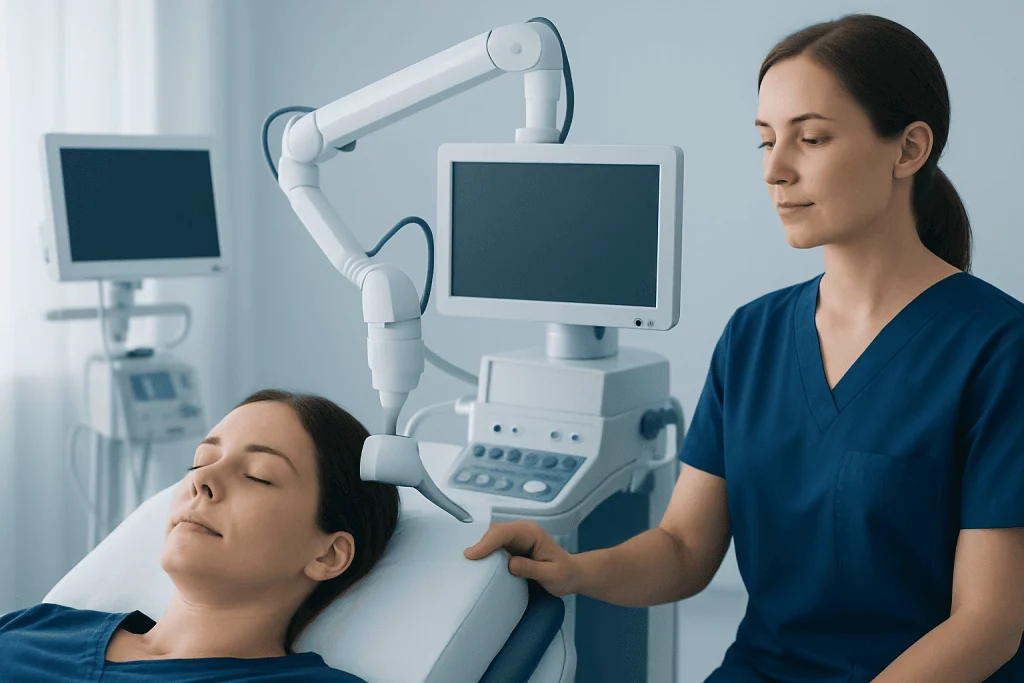
Eyebrow hair naturally grows in a shorter cycle than scalp hair, which is why brows do not keep getting longer. After a hair is shed or removed, the follicle may spend time resting before producing a new hair. This normal cycle helps explain why the area may look unchanged for several weeks before new growth becomes visible.
The speed of regrowth depends on several factors, including age, genetics, skin health, repeated trauma, and overall medical history. A person who occasionally overplucked may recover faster than someone with long-term repeated removal, inflammation, or a condition that disrupts the follicle.
Common factors that can slow eyebrow regrowth include:
- Repeated plucking, waxing, threading, or rubbing
- Skin inflammation such as eczema, seborrheic dermatitis, or infection
- Autoimmune conditions that target hair follicles
- Hormonal changes, especially thyroid imbalance
- Nutritional deficiency or major physical stress
- Scarring after burns, injury, or some cosmetic procedures
It is also important to distinguish between broken hairs and true hair loss. If the brow hairs are becoming brittle or snapping off, the issue may be irritation, dermatitis, or a grooming product rather than complete follicle loss. In those cases, treating the skin and avoiding irritants can make a meaningful difference.
Common causes of eyebrow thinning or loss

One of the most common reasons eyebrows become sparse is mechanical removal. Overplucking, waxing, threading, and frequent cosmetic shaping can all trigger temporary loss. If this has happened only for a short period and the skin looks healthy, regrowth is often possible with patience.
Skin conditions are another frequent cause. Eczema, psoriasis, seborrheic dermatitis, and contact dermatitis can inflame the skin around the brows and interfere with healthy hair growth. Some infections, including fungal infections, may also lead to eyebrow shedding and should be assessed if there is scaling, redness, or itch.
Medical causes are important when brow loss is persistent or unexplained. These include thyroid disease, nutritional deficiencies such as low iron in some patients, autoimmune hair loss such as alopecia areata, and stress-related shedding. Certain medications and cancer treatments may also affect hair growth.
A distinctive pattern can provide clues. Loss of the outer part of the eyebrows may be seen with thyroid problems or some skin conditions. Patchy round areas may suggest autoimmune loss, while shiny scar-like skin can point to scarring alopecia. If there is concern about broader hair loss, evaluation for hair loss causes may help guide diagnosis and treatment.
When eyebrow loss may need medical review
Most temporary eyebrow thinning is not an emergency, and many cases improve with time and gentle care. Still, certain signs suggest it is wise to seek medical attention rather than simply wait for regrowth.
Medical review is sensible if the loss is sudden, patchy, or continues for several months without improvement. It is also important if the skin is painful, red, swollen, scaly, scarred, or crusted, or if there is loss of eyelashes or scalp hair at the same time.
Other reasons to seek care include symptoms that may point to an underlying condition, such as fatigue, weight changes, dry skin, menstrual changes, fever, or new medication use. Brow loss after a burn, deep injury, or procedure should also be assessed, because follicle damage can affect the chance of natural regrowth.
If eyebrow loss is causing distress or affecting confidence, it is reasonable to discuss it with a dermatologist or another qualified doctor. Reassurance is part of care, but so is making sure that a treatable cause is not missed.
How doctors find the cause
A doctor usually begins with a detailed history. They may ask when the eyebrow thinning started, whether it is one-sided or both sides, whether there is itching or scaling, and whether there have been changes in grooming habits, cosmetics, medications, stress, or general health. This history often narrows the possibilities significantly.
The physical examination looks closely at the eyebrow hairs, the surrounding skin, and often the scalp, eyelashes, and nails. The doctor checks whether hairs are missing from the root, broken, or replaced by scar tissue. Dermoscopy or magnified examination may help identify patterns associated with inflammatory or autoimmune disease.
In some cases, tests are helpful. Blood tests may be considered for thyroid function, iron status, or other nutritional and hormonal issues, depending on symptoms and medical history. If infection is suspected, a doctor may take skin or hair samples. A skin biopsy is less common but can be useful when scarring or unusual inflammation is present.
Once the cause is clearer, treatment can be tailored rather than guessed. This may involve managing a skin disorder, correcting a deficiency, stopping a trigger, or discussing options to support regrowth such as hair transplant in selected cases where follicles have been permanently damaged.
Treatment options and what to expect
The right treatment depends on the cause. If the issue is overplucking or irritation, the main treatment is often time, stopping the trigger, and allowing the skin to recover. If an inflammatory skin condition is involved, medical treatment may reduce inflammation so follicles can resume normal growth.
Doctors may recommend treatment for an underlying problem such as thyroid imbalance, eczema, seborrheic dermatitis, or autoimmune hair loss. In some people, directed therapy for thyroid disease or dermatologic treatment of the brow skin improves regrowth over time. Cosmetic camouflage, such as brow pencils or powders, can be used while waiting for results.
When follicles are permanently scarred or absent, natural regrowth may be limited. In carefully selected patients, procedures such as eyebrow transplant can restore brow density, while dermatology care may help manage inflammatory or non-scarring causes. A specialist can explain which options are suitable and realistic.
Results are rarely immediate. Even when treatment is effective, visible improvement may take several growth cycles. Patients are usually advised to expect gradual change, attend follow-up if the diagnosis is uncertain, and avoid switching between multiple unproven products that may further irritate the skin.
Self-care and prevention while waiting for regrowth
Gentle care can support the brow area while it recovers. Avoid plucking, waxing, threading, rubbing, or using harsh exfoliants on the eyebrows for a period of time. If cosmetics seem to trigger irritation, switching to fragrance-free products or pausing them temporarily may help.
Basic skin care matters. Keeping the area clean, avoiding aggressive scrubbing, and managing dandruff-like flaking or eczema with medical advice can create a healthier environment for regrowth. General health also plays a role, so balanced nutrition, adequate sleep, and addressing major physical or emotional stressors may be useful.
It is best to be cautious with internet remedies or over-the-counter growth products marketed for eyebrows. Not all are well studied, and some can irritate the thin skin around the eyes. A doctor or pharmacist can advise which products are appropriate and safe near the eye area.
Near the end of the care pathway, some patients benefit from specialist input if regrowth is slow or the diagnosis is unclear. Acibadem International’s multidisciplinary specialists and JCI-accredited hospitals diagnose and treat eyebrow loss and related skin or hair conditions for international patients when expert evaluation is needed.
Frequently asked questions
How long does it take for eyebrows to grow back after overplucking?
If the follicles are still healthy, some regrowth may begin within a few weeks, with clearer improvement often seen over two to four months. Full recovery can take longer, especially after repeated overplucking over many years.
Can eyebrows grow back completely?
They often can if the hair was removed from intact follicles and there is no scarring or ongoing inflammation. Complete regrowth is less likely when follicles have been permanently damaged by repeated trauma, burns, scarring, or certain medical conditions.
Why are my eyebrows thinning at the outer edges?
Loss at the outer third of the eyebrows can happen with several conditions, including skin irritation and thyroid-related problems. Because this pattern can be medically meaningful, it is a good reason to speak with a doctor if it persists.
Does stress cause eyebrow hair loss?
Stress can contribute to temporary hair shedding in some people, although eyebrow loss has many possible causes. If stress is the only factor and follicles remain healthy, regrowth is often possible once the body recovers.
Should I use oils or serums to help my eyebrows grow back?
Some people use cosmetic brow products, but evidence for many home remedies is limited. Because the skin near the eyes is sensitive, it is safest to use only products intended for that area and to stop anything that causes redness, burning, or itching.
When should I see a doctor about eyebrow loss?
It is sensible to seek medical care if eyebrow loss is sudden, patchy, painful, scaly, scarred, or accompanied by hair loss elsewhere. Medical review is also important if it lasts for months, follows injury, or comes with symptoms such as fatigue, weight change, or dry skin.
This article is for general information only and is not a substitute for professional medical advice. Please consult a qualified doctor about your individual situation.
Hair transplant in Turkey — costs, graft counts & a free assessment
JCI-accredited · board-certified surgeons · reply within 24h
Add us as a Preferred Source to see more of our trusted health content across Google Search, AI Overviews and Discover.

More from the Health Library
What Is Grief? Here Is What the Evidence Says

Is Aspirin an Nsaid? A Doctor-Reviewed Answer
Hangover Headache: Common Causes, Related Conditions, and When to See a Doctor

Headache After Eating Explained: Common Triggers and Red Flags

Neuroinfectious Diseases: Fever, Confusion, and Other Urgent Warning Signs