Neuroinfectious Diseases: Fever, Confusion, and Other Urgent Warning Signs

Neuroinfectious diseases affect the nervous system and may become serious quickly. Fever with confusion, severe headache, stiff neck, seizures, or sudden weakness needs urgent medical attention.
Key Takeaways
- Neuroinfectious diseases affect the nervous system and may become serious quickly.
- Fever with confusion, severe headache, stiff neck, seizures, or sudden weakness needs urgent medical attention.
- Causes include viruses, bacteria, fungi, parasites, and sometimes infections spreading from elsewhere in the body.
- Diagnosis often involves brain imaging, blood tests, and sometimes lumbar puncture.
- Treatment depends on the cause and may include antivirals, antibiotics, antifungals, seizure control, and supportive care.
- Vaccination, mosquito and tick protection, food and water safety, and prompt treatment of infections can lower risk.
Neuroinfectious diseases are infections that affect the brain, spinal cord, meninges, or nerves. Because symptoms such as fever, confusion, severe headache, seizures, or weakness can worsen quickly, early medical evaluation is important.
Overview
Neuroinfectious diseases are infections involving the brain, spinal cord, the tissues surrounding them, or the peripheral nerves. They include conditions such as meningitis, encephalitis, brain abscess, myelitis, and certain nerve infections. These illnesses can be caused by viruses, bacteria, fungi, or parasites, and the effects range from mild and temporary to severe and life-threatening.
One reason these conditions need attention is that the nervous system controls thinking, movement, sensation, balance, and many automatic body functions. When infection causes inflammation or pressure in these delicate tissues, symptoms can change rapidly. A person may start with flu-like symptoms and then develop confusion, severe headache, drowsiness, seizures, or weakness.
Not every fever or headache means a brain or nerve infection. Many common illnesses cause these symptoms without affecting the nervous system. However, when fever appears together with confusion, a stiff neck, fainting, unusual sleepiness, new speech problems, or seizures, urgent assessment is appropriate.
Urgent Warning Signs and Symptoms
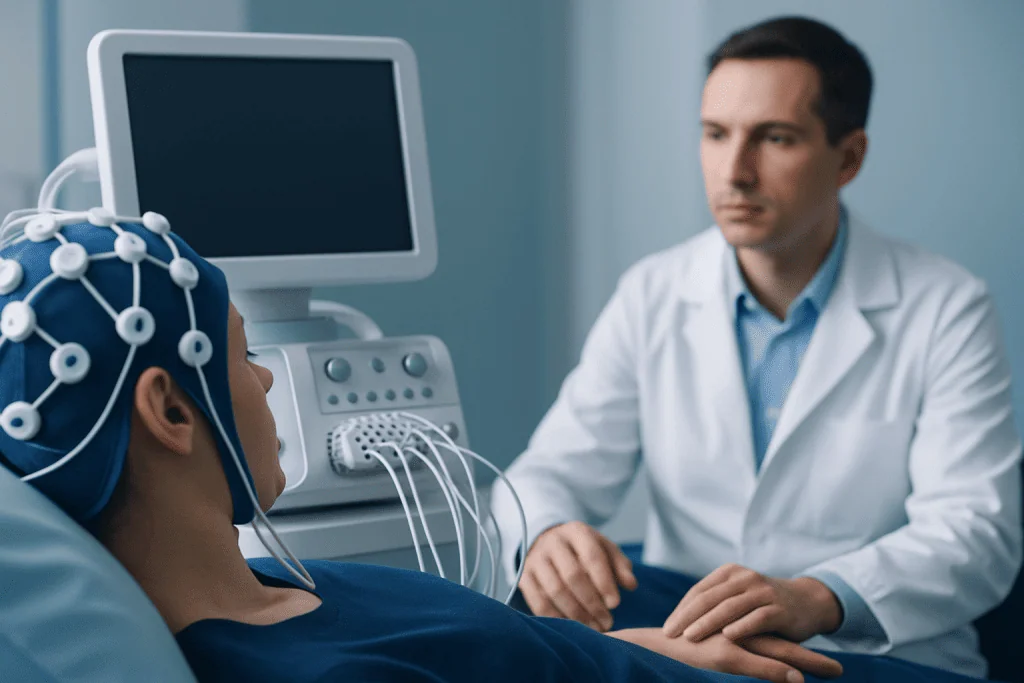
The symptoms of neuroinfectious diseases vary depending on which part of the nervous system is affected and what organism is responsible. Infections involving the meninges often cause headache, fever, light sensitivity, nausea, vomiting, and neck stiffness. Infections affecting the brain itself may lead to confusion, memory problems, personality change, drowsiness, or seizures.
Warning signs that should not be ignored include a very severe or rapidly worsening headache, fever with confusion, new seizures, fainting, trouble speaking, weakness on one side, difficulty walking, or unusual behavior. In infants and young children, signs may be less specific and can include poor feeding, irritability, vomiting, floppy body tone, unusual sleepiness, or a bulging soft spot on the head.
Some people also develop numbness, tingling, back pain, bladder problems, or paralysis if the spinal cord or peripheral nerves are involved. A skin rash may appear with certain infections, and in some cases there may be a recent history of a respiratory illness, ear infection, sinus infection, tick bite, mosquito exposure, travel, or weakened immunity.
- Fever with confusion or unusual drowsiness
- Severe headache with neck stiffness
- Seizures or loss of consciousness
- Sudden weakness, numbness, or trouble speaking
- Persistent vomiting, severe sensitivity to light, or rapidly worsening symptoms
Common Causes and Risk Factors

Viruses are among the most common causes of nervous system infections. Herpes simplex virus can cause encephalitis, while enteroviruses, varicella-zoster virus, West Nile virus, and other viruses may also affect the brain or meninges. Bacterial infections such as meningitis can progress quickly and require urgent treatment. In some cases, a local infection such as sinusitis, mastoiditis, or a dental infection can spread and contribute to a brain abscess.
Fungal and parasitic infections are less common but can be serious, especially in people with weakened immune systems. Individuals receiving chemotherapy, taking immune-suppressing medicines, living with HIV, or having undergone organ transplantation may be more vulnerable. Older adults, newborns, and people with chronic illnesses may also be at increased risk of complications.
Risk is also influenced by exposure. Mosquitoes and ticks can carry infections that affect the nervous system. International travel, undercooked food, unsafe water, swimming in contaminated water, and poor vaccination coverage can all play a role. Recent neurosurgery, head trauma, or implanted medical devices may increase the chance of certain infections as well.
How Doctors Diagnose Neuroinfectious Diseases
Doctors begin with a careful history and neurological examination. They ask about the timing of symptoms, recent infections, travel, insect bites, medications, immune status, and vaccination history. The physical exam looks for fever, altered mental status, neck stiffness, rash, weakness, coordination problems, and changes in reflexes or sensation.
Testing usually aims to identify both the site of inflammation and the underlying cause. Blood tests can show signs of infection or inflammation. Brain imaging such as MRI or computed tomography may help detect swelling, bleeding, abscess, or other structural changes. If meningitis or encephalitis is suspected, a lumbar puncture may be recommended to analyze cerebrospinal fluid.
Additional tests may include cultures, polymerase chain reaction testing for viruses and bacteria, electroencephalography if seizures are suspected, and chest imaging or other studies to search for a source elsewhere in the body. Diagnosis may take time, but treatment for the most dangerous likely causes is often started right away rather than waiting for every final result.
Treatment Options
Treatment depends on the cause, severity, and which part of the nervous system is affected. Because delay can be harmful, doctors may begin empiric treatment while tests are still underway. This may include antiviral medicines when herpes encephalitis is suspected, broad-spectrum antibiotics for possible bacterial infection, or antifungal treatment in selected cases.
Supportive care is equally important. Patients may need fluids, oxygen, fever control, pain relief, and close monitoring of breathing, blood pressure, and neurological status. If seizures occur, doctors may use antiseizure medications. Swelling around the brain or spinal cord may require intensive monitoring and, in some situations, procedures performed by teams experienced in neurosurgery or critical care.
When an abscess, blocked sinus, infected fluid collection, or pressure buildup is present, drainage or surgery may be considered. After the acute illness, some people benefit from rehabilitation to improve strength, coordination, speech, memory, or daily function. In more complex cases, care may involve specialists in neurology, infectious diseases, radiology, and rehabilitation working together.
Prevention and Self-Care
Prevention starts with reducing exposure and staying up to date with recommended vaccines. Vaccination can help prevent some infections that may affect the nervous system, including certain causes of meningitis and viral illnesses. Good hand hygiene, avoiding close contact with people who are ill when possible, and seeking prompt treatment for ear, sinus, or dental infections may also lower risk.
Protecting against insect bites is important in areas where mosquito- or tick-borne disease is present. Wearing long sleeves, using approved insect repellents, checking for ticks after outdoor activity, and following local public health guidance can help. Food and water safety, especially during travel, also matters because some organisms can reach the nervous system after entering the body through the digestive tract.
At home, self-care is not a substitute for medical treatment when urgent warning signs are present. Rest, hydration, and fever control may help while arranging care for a mild infection, but a person should not try to manage confusion, seizures, neck stiffness, or sudden weakness alone. Early assessment offers the best chance of identifying the cause and starting the right treatment.
When to See a Doctor
Medical care should be sought urgently for fever with confusion, severe headache with neck stiffness, seizures, loss of consciousness, new weakness, trouble speaking, or rapidly worsening drowsiness. These symptoms do not always mean a neuroinfectious disease, but they can signal a serious problem involving the brain or spinal cord and should be evaluated without delay.
Parents and caregivers should seek prompt help for babies or children who are very sleepy, difficult to wake, feeding poorly, unusually irritable, having seizures, or showing signs of breathing difficulty or dehydration. People with weakened immune systems, recent brain or spine procedures, or recent travel to areas with unusual infections should be especially cautious.
After urgent treatment, follow-up care remains important because some people need repeat imaging, hearing checks, memory or speech assessment, or rehabilitation. Near the end of recovery, specialist teams may help coordinate long-term care; for international patients, Acibadem International’s multidisciplinary specialists in JCI-accredited hospitals diagnose and treat neuroinfectious conditions when advanced evaluation is needed.
Frequently asked questions
What are neuroinfectious diseases?
Neuroinfectious diseases are infections that affect the brain, spinal cord, coverings of the brain and spinal cord, or the nerves. They can be caused by viruses, bacteria, fungi, or parasites and may lead to symptoms such as fever, headache, confusion, seizures, or weakness.
Is fever with confusion always an emergency?
Fever with confusion should be treated as urgent because it can signal a serious infection or another acute neurological problem. Although there can be other causes, prompt medical assessment is important to protect the brain and identify the right treatment.
How is meningitis different from encephalitis?
Meningitis is inflammation of the protective layers around the brain and spinal cord, while encephalitis is inflammation of the brain tissue itself. Both can cause fever and headache, but encephalitis is more likely to cause confusion, behavior change, or seizures.
Can neuroinfectious diseases be cured?
Many neuroinfectious diseases can be treated successfully, especially when they are recognized early. Recovery depends on the cause, how quickly treatment starts, the person’s overall health, and whether there has been significant inflammation or injury to the nervous system.
What tests are usually needed?
Doctors often use a combination of blood tests, neurological examination, brain imaging, and sometimes lumbar puncture to examine cerebrospinal fluid. Additional tests may be used to look for seizures or to identify a source of infection elsewhere in the body.
Who is at higher risk of serious complications?
Infants, older adults, and people with weakened immune systems often face a higher risk of severe illness. People with recent neurosurgery, head trauma, or infections that can spread from the ears, sinuses, or bloodstream may also need closer monitoring.
Can these infections be prevented?
Risk can often be reduced with vaccination, good hand hygiene, safe food and water practices, and protection against mosquito and tick bites. It is also helpful to seek timely treatment for infections elsewhere in the body and to follow medical advice when immunity is reduced.
This article is for general information only and is not a substitute for professional medical advice. Please consult a qualified doctor about your individual situation.
Neuroinfectious Diseases in Turkey — costs, top hospitals & a free quote
JCI-accredited · board-certified surgeons · reply within 24h
Add us as a Preferred Source to see more of our trusted health content across Google Search, AI Overviews and Discover.

More from the Health Library

Itchy Scalp Treatment: Common Causes, Related Conditions, and When to See a Doctor

Do antibiotics make you pee more: Common Causes, Warning Signs, and When to See a Doctor

How Long Does an Allergic Reaction Last? Causes, Explanations, and Next Steps

Smashed Finger Swollen Purple: Possible Causes and When to Seek Care

Para Flu vs Flu: Key Differences and How Doctors Tell Them Apart