How Long Does Postpartum Depression Last? Causes, Explanations, and Next Steps

Postpartum depression usually lasts longer than the short-lived “baby blues” and may continue for months without treatment. Early evaluation can help shorten recovery and rule out other causes such as thyroid problems, anemia, sleep deprivation, or medication effects.
Key Takeaways
- Postpartum depression usually lasts longer than the short-lived “baby blues” and may continue for months without treatment.
- Early evaluation can help shorten recovery and rule out other causes such as thyroid problems, anemia, sleep deprivation, or medication effects.
- Symptoms may include sadness, anxiety, irritability, guilt, sleep changes, appetite changes, and difficulty bonding with the baby.
- Treatment may include talk therapy, practical support, lifestyle measures, and sometimes medication chosen with a doctor’s guidance.
- Urgent help is needed for thoughts of self-harm, thoughts of harming the baby, confusion, hallucinations, or severe agitation.
Postpartum depression can last for weeks to months, and in some people it continues longer if it is not recognized and treated. Many new parents improve with timely support, but persistent sadness, anxiety, loss of interest, or trouble functioning should be medically reviewed.
Overview: how long postpartum depression can last
For many people, postpartum depression does not go away in a few days. It often lasts for several weeks or months, and in some cases it can continue for a year or longer if it is not identified and treated. The encouraging point is that postpartum depression is treatable, and many parents begin to feel better sooner when they receive support early.
It is also important to know that not every emotional change after birth is postpartum depression. Mild mood swings, tearfulness, and feeling overwhelmed are common in the first days after delivery and are often called the “baby blues.” These symptoms usually peak within the first week and improve within about two weeks. When low mood, anxiety, hopelessness, or trouble coping lasts longer or becomes more intense, postpartum depression becomes more likely.
The exact duration varies from person to person. Recovery depends on symptom severity, sleep disruption, previous mental health history, the amount of practical and emotional support at home, and how quickly treatment begins. A person who seeks help early may improve over weeks to a few months, while untreated symptoms may linger and affect bonding, daily functioning, and overall family well-being.
What symptoms are normal after birth, and what is not

The days and weeks after childbirth bring major physical and emotional adjustments. Hormone shifts, recovery from labor or surgery, sleep loss, breastfeeding challenges, and the demands of caring for a newborn can all affect mood. Many parents feel tearful, sensitive, or more easily frustrated than usual, and this can be a normal short-term response.
Postpartum depression is different because symptoms are more persistent and more disruptive. Common signs include ongoing sadness, frequent crying, feeling numb, irritability, anger, loss of interest in usual activities, anxiety, panic, guilt, low self-worth, changes in appetite, and difficulty sleeping even when there is a chance to rest. Some people describe feeling disconnected from their baby or from themselves.
Symptoms may not look the same in everyone. Some people seem more anxious than sad, while others mainly notice exhaustion, poor concentration, or loss of motivation. Partners and family members may first notice that the parent seems withdrawn, unusually worried, or unable to enjoy moments that would normally feel meaningful.
- Baby blues: mild mood changes that improve within about two weeks
- Postpartum depression: symptoms last longer, feel heavier, and interfere with daily life
- Urgent warning signs: suicidal thoughts, thoughts of harming the baby, severe confusion, extreme agitation, or hearing or seeing things that are not there
Why postpartum depression happens and what can affect its duration
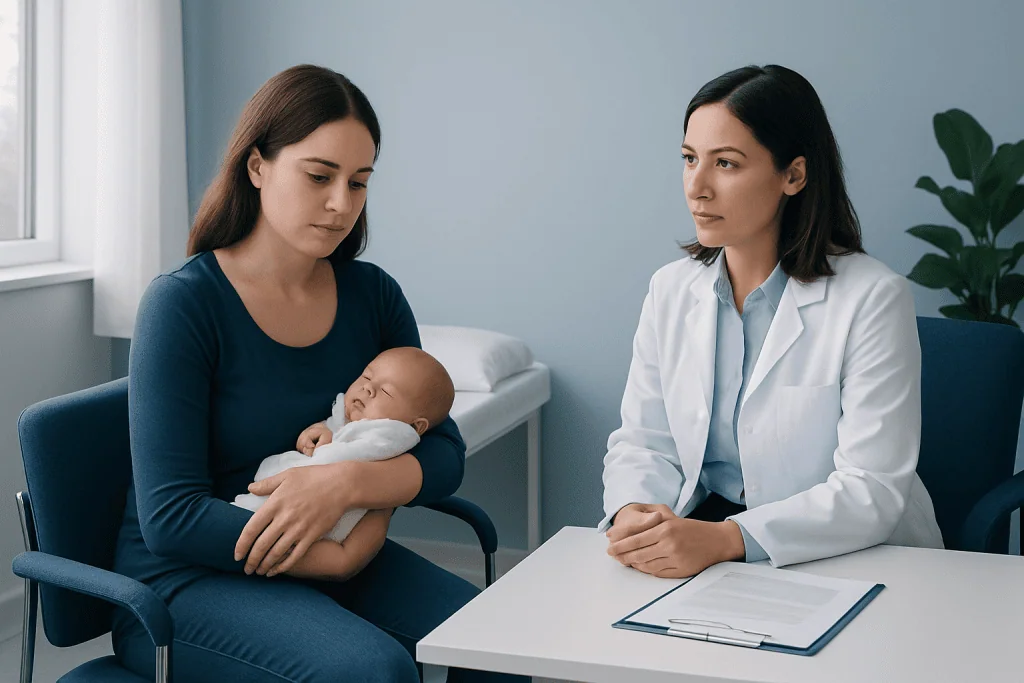
Postpartum depression does not have a single cause. It usually develops from a combination of biological, emotional, and social factors. Sudden hormonal changes after delivery can influence mood regulation. At the same time, disrupted sleep, pain, breastfeeding stress, financial pressures, relationship strain, and the sudden responsibility of caring for a baby can add to vulnerability.
Some risk factors make postpartum depression more likely or may be linked with symptoms lasting longer. These include a personal or family history of depression, anxiety, bipolar disorder, or trauma; depression during pregnancy; a difficult birth; a baby with feeding or medical challenges; limited social support; and major life stressors. Lack of rest and delayed access to care can also prolong recovery.
Medical conditions can add to the picture. Thyroid disorders after pregnancy, anemia, infection, chronic pain, and medication effects may worsen fatigue, low mood, or concentration problems. This is one reason a professional assessment matters. In some cases, symptoms may overlap with or resemble other mental health conditions, including depression or anxiety disorders, and treatment choices may depend on the underlying diagnosis.
How doctors diagnose postpartum depression
A doctor begins by listening carefully to the person’s symptoms, when they started, how long they have lasted, and how much they affect sleep, eating, bonding, work, and daily tasks. This conversation usually includes questions about mood during pregnancy, previous episodes of depression or anxiety, current stressors, and available support at home. The goal is not judgment, but a clear understanding of what the person is experiencing.
Screening questionnaires are often used to support the diagnosis. These tools help identify symptoms and their severity, but they are only one part of the evaluation. The doctor will also look for red flags that suggest other conditions, including bipolar disorder or postpartum psychosis, because these require a different and often more urgent treatment approach.
Depending on symptoms, the clinician may recommend a physical exam or blood tests to rule out problems that can mimic or worsen depression, such as anemia or thyroid dysfunction. If symptoms are severe or complex, referral to a mental health specialist may be advised. Diagnostic support may include consultation through psychiatry care when a more detailed assessment is needed.
Treatment options and what recovery may look like
Treatment is tailored to symptom severity, safety, feeding plans, personal preference, and past response to care. For many people, talk therapy is a first-line option. Approaches such as cognitive behavioral therapy and interpersonal therapy can help a parent understand thought patterns, manage anxiety, rebuild routines, and strengthen support systems. Therapy can be effective on its own for mild to moderate cases and is often combined with other measures.
When symptoms are moderate to severe, or when functioning is significantly affected, a doctor may discuss medication. Decisions about antidepressants are individualized, including during breastfeeding, and should balance benefits, possible risks, and the parent’s health history. Some people improve with therapy alone, while others recover best with a combination of therapy and medication.
Practical support also matters. Protected sleep, help with infant care, regular meals, hydration, gentle activity, and time for recovery can improve resilience and make treatment more effective. Some patients benefit from coordinated care that includes obstetrics, primary care, pediatrics, and mental health support. Depending on symptoms and associated concerns, doctors may also involve psychology support or sleep-focused guidance through sleep evaluation and support.
Recovery is often gradual rather than immediate. Many people notice small improvements first, such as fewer crying spells, more interest in daily activities, better sleep, or less intense anxiety. Ongoing follow-up helps the care team adjust treatment and reduce the chance of relapse.
Self-care, family support, and preventing symptoms from worsening
Self-care in the postpartum period is not a luxury; it is part of recovery. Even simple steps can help stabilize mood when added to medical care. These include resting when possible, accepting help with meals or housework, spending brief time outdoors, staying connected to supportive people, and avoiding isolation. Parents should be reminded that needing support is common and does not reflect failure.
Family members and partners can make a meaningful difference by noticing changes early and responding with calm, practical help. Rather than saying “just try to relax,” it is often more helpful to ask specific questions, such as whether the parent is sleeping, eating, showering, or feeling safe. Loved ones can also help arrange appointments and childcare so treatment is easier to access.
Prevention is not always possible, but risk can be lowered when mood symptoms are discussed during pregnancy and at postpartum visits. People with a history of mood disorders may benefit from a proactive plan before delivery. This may include identifying early warning signs, arranging extra help at home, and setting up early follow-up with a clinician familiar with anxiety and perinatal mental health.
When to seek medical care
Medical care should be sought if low mood, anxiety, irritability, hopelessness, or loss of interest lasts more than two weeks after birth, starts to intensify, or interferes with caring for the baby or daily tasks. It is also reasonable to ask for help sooner if symptoms feel distressing, because early support may shorten recovery and reduce complications.
Urgent medical attention is needed for thoughts of self-harm, thoughts of harming the baby, severe agitation, confusion, paranoia, or hearing or seeing things that others do not. These symptoms can signal a psychiatric emergency, including postpartum psychosis, and should not be managed alone at home. Emergency services or immediate medical evaluation is appropriate in these situations.
If there is uncertainty about what is normal, it is still appropriate to speak with a doctor, midwife, or mental health professional. A careful evaluation can clarify whether symptoms fit postpartum depression, another mood condition, or a medical issue affecting recovery. Acibadem International’s multidisciplinary specialists in JCI-accredited hospitals diagnose and treat postpartum mental health conditions for international patients when specialist care is needed.
Frequently asked questions
Can postpartum depression go away on its own?
Some people may notice symptoms ease over time, but postpartum depression often lasts longer and can become more disruptive without treatment. Because it affects health, bonding, and daily functioning, it is best assessed rather than simply waited out.
How is postpartum depression different from the baby blues?
The baby blues are common in the first days after birth and usually improve within about two weeks. Postpartum depression lasts longer, feels more intense, and can interfere with sleep, self-care, and caring for the baby.
When does postpartum depression usually start?
Symptoms often begin within the first few weeks after delivery, but they can start any time in the first year after birth. Some people notice a gradual change rather than a sudden shift in mood.
What if the main symptom is anxiety rather than sadness?
Postpartum depression can include strong anxiety, panic, racing thoughts, or constant worry. A person does not need to feel sad all the time to need assessment and support.
Can breastfeeding continue during treatment?
In many cases, yes. Treatment plans can often be adjusted to fit breastfeeding goals, but decisions should be individualized with a doctor who can review benefits, possible risks, and the parent’s overall health.
Who is more likely to have postpartum depression for longer?
Longer-lasting symptoms are more likely when there is a prior history of depression or anxiety, severe sleep deprivation, limited support, major stress, or delayed treatment. Medical issues such as thyroid problems or anemia can also contribute and should be checked when appropriate.
References
- American College of Obstetricians and Gynecologists
- National Institute of Mental Health
- Centers for Disease Control and Prevention
- World Health Organization
- Postpartum Support International
This article is for general information only and is not a substitute for professional medical advice. Please consult a qualified doctor about your individual situation.
Depression in Turkey — costs, top hospitals & a free quote
JCI-accredited · board-certified surgeons · reply within 24h
Add us as a Preferred Source to see more of our trusted health content across Google Search, AI Overviews and Discover.