How Much Do Dental Implants Cost? Factors That Change the Price

Dental implant cost includes several parts, not just the implant post. The number of missing teeth and the type of restoration strongly affect the final price.
Key Takeaways
- Dental implant cost includes several parts, not just the implant post.
- The number of missing teeth and the type of restoration strongly affect the final price.
- Bone grafting, sinus lift procedures, and advanced imaging can increase treatment costs.
- Material choice, clinic experience, and laboratory work also influence pricing.
- A detailed dental evaluation is the best way to receive an accurate cost estimate.
Dental implant cost can vary widely because treatment is tailored to each person’s oral health, anatomy, and restoration needs. The final price usually reflects not only the implant itself, but also planning, imaging, surgery, healing, and the crown, bridge, or denture placed on top.
Overview: what makes dental implant cost vary?
Dental implants are a long-term way to replace missing teeth. They usually consist of a small implant post placed in the jawbone, an abutment that connects the implant to the restoration, and the visible replacement tooth or teeth, such as a crown, bridge, or denture. Because treatment is highly personalized, there is no single fixed dental implant cost that applies to everyone.
Many people assume the price only covers the implant itself, but implant treatment is a process rather than one single item. The total often includes consultation, dental examination, X-rays or 3D scans, surgical placement, follow-up visits, and the final restoration. If extra procedures are needed to prepare the mouth, these can also change the cost.
The amount a person pays may depend on how many teeth are missing, the quality and quantity of bone, the position of the missing tooth, and whether the patient wants a single tooth replacement or a full-arch solution. Treatment planning can range from fairly straightforward to more complex, and that complexity is one of the biggest reasons prices differ.
Understanding the main cost factors can help patients ask informed questions and compare treatment plans more clearly. A reliable estimate should explain exactly what is included, what may be optional, and whether any additional steps could be needed later in the process.
What is usually included in the price?
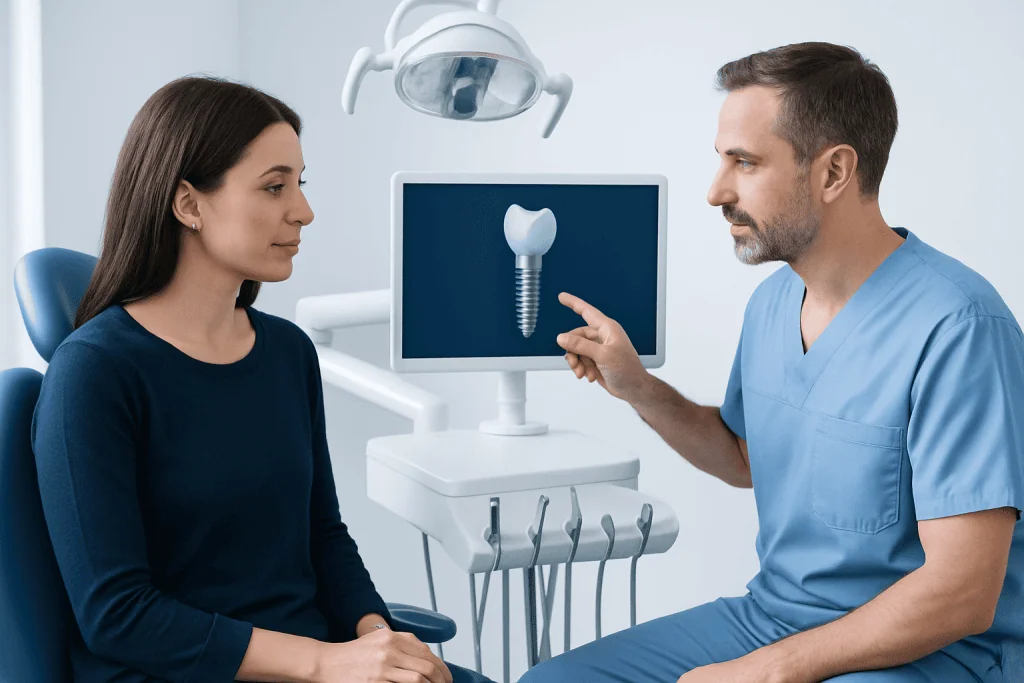
When discussing dental implant cost, it helps to break the treatment into components. In many cases, the quote includes the clinical assessment, imaging, surgical placement of the implant, healing appointments, and the final crown or bridge. However, some clinics separate these items, so two price quotes may look very different even when they cover similar care.
The surgical part is only one stage. Before surgery, the dentist or oral surgeon may use digital planning tools and 3D imaging to assess the bone and map the ideal position of the implant. After placement, the implant usually needs time to integrate with the jawbone before the final tooth is attached. That healing phase is part of why treatment can extend over several months.
Patients should ask whether the estimate includes:
- Initial consultation and oral examination
- Panoramic X-rays or 3D CBCT imaging
- The implant fixture and abutment
- Temporary teeth, if needed
- The final crown, bridge, or implant-supported denture
- Follow-up appointments and aftercare
A clear treatment plan can reduce surprises. For people considering dental implants, the most useful estimate is one that explains both the expected costs and any factors that could change them if additional care becomes necessary.
Main factors that affect dental implant cost

The number of implants needed is one of the biggest price factors. Replacing one tooth with a single implant and crown is different from replacing several teeth or supporting a full arch. In some situations, a full set of teeth can be supported by fewer implants using approaches such as All-on-4 treatment or All-on-6 treatment, which can affect overall treatment design and cost.
The location of the missing tooth also matters. Front teeth often require especially precise placement for natural appearance, while back teeth may need stronger biting support. Cases in the upper jaw can sometimes be more complex if the sinus area limits available bone height. The condition of neighboring teeth and the bite can also influence planning.
Bone quality and gum health are major considerations. If there is not enough bone to securely support an implant, the patient may need preparatory treatment such as dental bone grafts. Active gum disease, untreated tooth decay, or other oral health issues may need to be managed before implant surgery can proceed safely.
Other cost factors include the implant system used, the material chosen for the final restoration, the level of laboratory customization, the expertise of the clinical team, and the technology used for planning or guided placement. A more complex case generally involves more time, more appointments, and more resources, all of which may increase the final fee.
Single tooth, multiple teeth, and full-mouth implant costs
A single missing tooth is often replaced with one implant and one custom crown. Even this seemingly simple situation can vary in price depending on whether the patient needs extra imaging, a temporary tooth, a bone graft, or gum contouring for a better cosmetic result. The cost may also differ based on the material used for the visible crown.
When several teeth are missing, treatment can sometimes be planned more efficiently. Instead of placing one implant for every missing tooth, dentists may recommend an implant-supported bridge. This approach can restore function and appearance while reducing the total number of implants required. The final price then depends on both the surgical and restorative design.
For people missing most or all teeth in one jaw, full-arch systems may be considered. These treatments support a complete fixed restoration on a limited number of implants, but they still require detailed planning, surgery, and custom prosthetic work. In some patients, additional procedures may be needed before or during implant placement to create a stable foundation.
Because of these differences, comparing prices between a single tooth implant and a full-mouth reconstruction is not very meaningful unless the treatment goals are similar. The best comparison is between plans that address the same problem, use similar materials, and include the same stages of care.
Why extra procedures can increase the price
Some patients are ready for implant placement right away, while others need preparatory treatment first. Bone loss is common after a tooth has been missing for some time, and rebuilding the area may be necessary to support the implant properly. Bone grafting, sinus lift procedures, and soft tissue treatments add to the total because they involve extra materials, surgical time, and healing.
Other dental problems can also affect timing and cost. If a tooth must be extracted before implant placement, that is usually a separate part of care. If there are signs of infection, inflammation, or gum disease, these issues are often treated before proceeding, because a healthy mouth supports better healing and more predictable results.
Temporary restorations may be another added expense. Some people need a temporary crown, bridge, or denture during the healing phase so they can speak and smile more comfortably. This can be especially important when the missing tooth is in a visible area.
Although extra procedures increase the initial dental implant cost, they may be important for the long-term success of treatment. A lower quote is not always the better value if it leaves out needed steps that help protect function, appearance, and implant stability over time.
How dentists assess cost and create a treatment plan
An accurate estimate starts with a careful clinical evaluation. The dentist reviews the patient’s medical history, oral health, gum condition, bite, and bone support. Imaging, especially 3D scans, can show bone dimensions and nearby structures such as nerves or the sinus, helping the team choose the safest and most effective implant position.
After the assessment, the clinician usually explains the available options. For one patient, a single implant may be ideal; for another, a bridge or a removable prosthesis may be more suitable depending on budget, anatomy, and treatment goals. This is why personalized planning is so important when discussing cost.
Patients may find it helpful to ask specific questions during the consultation, such as:
- What exactly is included in the quoted price?
- Will I need any additional procedures before implant placement?
- How many visits are expected, and over what timeframe?
- What restoration will be placed on the implant?
- What follow-up care and maintenance will be needed?
At experienced centers, implant planning may involve a multidisciplinary team that includes implant dentists, prosthodontic specialists, periodontists, or oral surgeons. Near the end of the treatment journey, some international patients choose centers such as Acibadem International, where multidisciplinary specialists in JCI-accredited hospitals diagnose and treat complex dental conditions with individualized planning.
Can lower-cost implants still be a good option?
Price alone does not determine quality, but very low prices should be reviewed carefully. A lower quote may reflect a simpler case, different materials, fewer included services, or a different type of restoration. It may also exclude imaging, grafting, temporary teeth, or the final crown, which can make the initial number seem lower than the true total.
Patients often benefit from focusing on value rather than cost alone. Good value usually means careful diagnosis, appropriate materials, clear communication, a realistic treatment timeline, and reliable follow-up care. The aim is not simply to place an implant, but to restore chewing, comfort, and appearance in a way that is durable and safe.
It is also worth discussing the expected maintenance over time. Implants require regular dental checkups, good oral hygiene, and professional monitoring. While implants do not decay like natural teeth, the surrounding gums and bone still need ongoing care. In some cases, repairs or replacement of the crown or prosthetic components may be needed years later.
A thoughtful comparison between clinics should consider experience, planning methods, sterilization standards, communication about risks and alternatives, and whether the quote is complete. This approach can help patients make a balanced decision that supports both health and budget.
Self-care, long-term maintenance, and when to seek advice
Protecting the investment in implant treatment starts with daily oral care. Brushing, cleaning between teeth or around implants, and attending regular dental visits can help maintain healthy gums. Avoiding tobacco and managing conditions such as diabetes can also support healing and long-term implant health.
People should contact a dentist if they notice pain that does not improve, swelling, bleeding around the implant area, a loose crown, or difficulty chewing. These symptoms do not always mean the implant is failing, but they should be assessed promptly. Early care can often prevent smaller problems from becoming more complex and costly.
It is also sensible to seek professional advice before choosing treatment based mainly on price. A detailed consultation can show whether an implant is the right option or whether another solution, such as a dental bridge, may suit the person’s needs. For overall oral health assessment before implant planning, comprehensive general dentistry care can help identify issues that should be treated first.
In the end, dental implant cost is best understood as the price of a personalized treatment plan rather than a single product. A transparent evaluation and realistic discussion with a qualified dental professional can help patients understand their options and make a confident, informed decision.
Frequently asked questions
Why do dental implant prices vary so much?
Dental implant prices vary because each treatment plan is customized. The final cost depends on how many teeth are being replaced, the condition of the bone and gums, the type of restoration used, and whether extra procedures such as grafting or tooth extraction are needed.
Does the quoted dental implant cost usually include the crown?
Not always. Some clinics quote only the surgical implant placement, while others include the abutment, crown, imaging, and follow-up visits. It is important to ask for a detailed breakdown so the full cost is clear.
Are full-mouth implants more cost-effective than replacing each tooth separately?
In some cases, yes. Full-arch systems can support many teeth with fewer implants, which may be more efficient than placing one implant for every missing tooth. The best option depends on the patient’s anatomy, oral health, and restoration goals.
Can bone loss increase dental implant cost?
Yes. If the jawbone is too thin or too soft to support an implant securely, a bone graft or another preparatory procedure may be recommended. These steps add cost, but they can be important for long-term stability and success.
Is the cheapest dental implant option always the best value?
Not necessarily. A low price may not include all parts of treatment, such as scans, temporary teeth, or the final restoration. Good value usually comes from a clear plan, appropriate materials, experienced care, and proper follow-up.
How can someone get an accurate estimate for dental implant cost?
The best way is to have a full dental evaluation with imaging and a personalized treatment plan. This allows the dentist to assess bone support, gum health, bite, and any additional procedures that may affect the price.
References
- American Dental Association
- National Institute of Dental and Craniofacial Research
- Mayo Clinic
- National Health Service
- European Association for Osseointegration
This article is for general information only and is not a substitute for professional medical advice. Please consult a qualified doctor about your individual situation.
Dental Implants in Turkey — costs, top hospitals & a free quote
JCI-accredited · board-certified surgeons · reply within 24h
Add us as a Preferred Source to see more of our trusted health content across Google Search, AI Overviews and Discover.

Dental & Oral Health
Full-scope dental care from implants and aesthetics to oral and maxillofacial surgery.
158 specialists in this unit