How Neuropsychiatric Conditions Are Diagnosed

Diagnosis starts with a careful review of symptoms, medical history, and daily functioning. Doctors may use neurological exams, psychiatric assessments, cognitive testing, blood tests, and brain imaging when needed.
Key Takeaways
- Diagnosis starts with a careful review of symptoms, medical history, and daily functioning.
- Doctors may use neurological exams, psychiatric assessments, cognitive testing, blood tests, and brain imaging when needed.
- Many conditions can have overlapping symptoms, so diagnosis may take time and involve more than one specialist.
- The goal is not only to name a condition, but also to find treatable causes and create an individualized care plan.
- Early evaluation can help improve symptom control, safety, and quality of life.
Neuropsychiatric diagnosis is a step-by-step process that looks at how brain function, physical health, emotions, behavior, and thinking are connected. It usually combines a detailed history, examination, and selected tests to understand symptoms and guide treatment.
Overview
Neuropsychiatric conditions affect both the brain and behavior. They may involve changes in mood, memory, thinking, attention, sleep, movement, perception, or personality. Because these symptoms can overlap with neurological, psychiatric, or general medical illnesses, diagnosis is usually more detailed than a standard office visit.
A neuropsychiatric diagnosis aims to answer several questions at once: what symptoms are present, when they started, how they affect daily life, and whether they are related to a brain disorder, a mental health condition, a medical illness, medication effects, or a combination of factors. This process helps clinicians move beyond symptoms alone and understand the underlying pattern.
Diagnosis is often multidisciplinary. Depending on the person’s needs, care may involve a psychiatrist, neurologist, neuropsychologist, primary care physician, and sometimes rehabilitation, sleep, or internal medicine specialists. The result is a clearer picture that supports targeted treatment and follow-up.
What Symptoms May Lead to Evaluation
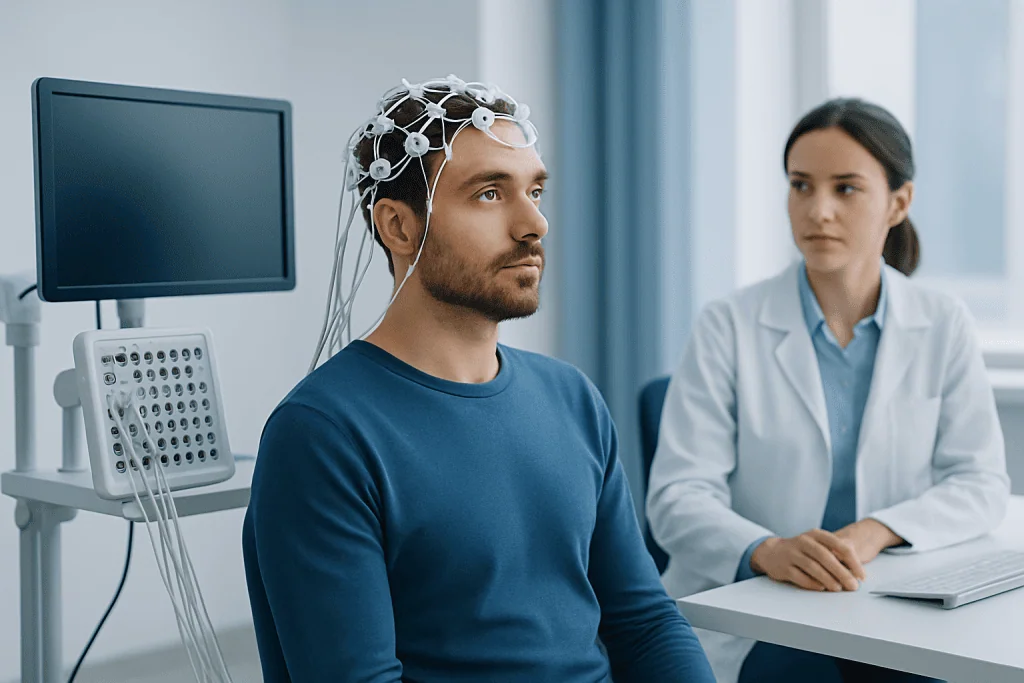
People are often referred for neuropsychiatric evaluation when symptoms involve both mental and neurological features. Examples include new memory problems, confusion, personality change, severe mood changes with cognitive decline, hallucinations, attention problems after a head injury, or unusual movements together with emotional or behavioral symptoms.
Symptoms can develop suddenly or gradually. A sudden change in awareness, speech, memory, or behavior may require urgent medical assessment, especially if it could be related to stroke, seizure, infection, medication toxicity, or another acute brain condition. More gradual symptoms may be seen in conditions such as dementia, traumatic brain injury, autoimmune disease, or longstanding psychiatric illness.
- Memory loss or difficulty learning new information
- Poor concentration, slowed thinking, or confusion
- Depression, anxiety, irritability, or emotional instability
- Hallucinations, delusions, or major behavior changes
- Sleep disturbances, fatigue, or reduced motivation
- Tremor, balance problems, seizures, or other neurological symptoms
These symptoms do not always mean a serious neurological disease. Stress, sleep problems, hormone changes, infections, vitamin deficiencies, substance use, and medication side effects can also contribute. That is why a careful evaluation is important.
Medical History and Clinical Interview

The first and often most important part of neuropsychiatric diagnosis is the clinical interview. The doctor asks about current symptoms, when they began, whether they are stable or changing, and what makes them better or worse. Information about mood, sleep, energy, appetite, memory, concentration, work, school, and daily activities helps build a full picture.
Past medical history is also essential. The clinician reviews previous neurological or psychiatric diagnoses, head injuries, seizures, stroke, migraines, chronic illnesses, infections, and substance use. A medication review is especially important because some prescription drugs, over-the-counter products, and supplements can affect thinking, mood, or movement.
Family members or caregivers may be invited to share observations, especially if the person has memory loss, confusion, or reduced insight into symptoms. Their input can clarify how symptoms affect daily functioning, safety, relationships, and independence. Family history can also offer clues, as some neuropsychiatric conditions have genetic or familial patterns.
The interview also explores social and environmental factors. Recent stress, trauma, sleep deprivation, alcohol or drug use, and changes at home or work can all influence symptoms. Understanding this context helps doctors avoid misdiagnosis and choose the most appropriate next steps.
Examination and Diagnostic Tests
After the history, the clinician may perform both a mental status examination and a neurological examination. The mental status exam looks at appearance, speech, mood, thought processes, perception, memory, attention, and judgment. The neurological exam checks strength, reflexes, coordination, sensation, eye movements, gait, and other signs that may suggest brain or nerve involvement.
If symptoms affect thinking or memory, formal cognitive or neuropsychological testing may be recommended. These tests assess attention, language, executive function, processing speed, visuospatial skills, and different types of memory. They can help distinguish patterns seen in depression, attention disorders, dementia, brain injury, or other conditions.
Additional tests are chosen based on the person’s symptoms. Blood tests may be used to look for thyroid disease, vitamin deficiencies, infection, inflammation, metabolic abnormalities, or other medical causes. Brain imaging such as MRI or CT may be helpful if there are new neurological signs, sudden changes, head trauma, seizures, or concern about structural brain disease. In some cases, doctors may also request EEG, sleep studies, or lumbar puncture when clinically indicated.
The goal of testing is not to do every possible test, but to select the ones most likely to answer relevant clinical questions. Many people do not need extensive testing, while others benefit from a broader workup because neuropsychiatric symptoms can have several overlapping causes.
How Doctors Differentiate Between Conditions
One of the most challenging parts of neuropsychiatric diagnosis is that different conditions can look similar at first. Depression can slow thinking and mimic memory problems. Sleep disorders can impair attention and mood. Seizures, autoimmune disease, infections, substance use, and neurodegenerative disorders may all produce behavioral or cognitive changes. A careful differential diagnosis helps sort these possibilities out.
Doctors look for patterns over time. They ask whether symptoms are episodic or progressive, whether they began after an injury or illness, and whether there are clear neurological signs. They also assess whether symptoms match recognized conditions such as Alzheimer’s disease, Parkinson’s disease, or mood and psychotic disorders with cognitive effects.
Sometimes diagnosis is not made in one visit. Follow-up appointments may be needed to see how symptoms evolve, how a person functions over time, and whether treatment for contributing factors leads to improvement. This stepwise approach is common and can improve accuracy.
In more complex cases, multidisciplinary assessment is especially valuable. A person may benefit from evaluation by specialists in neurology, psychiatry, or neuropsychology to better understand how brain function and mental health interact.
After Diagnosis: Treatment Planning
Once the evaluation identifies the likely cause or causes, the next step is a personalized treatment plan. Treatment depends on the diagnosis and may address both symptoms and contributing factors. For example, care may include medication review, treatment of a medical condition, psychotherapy, cognitive rehabilitation, sleep management, or support for memory and daily functioning.
In some cases, the primary focus is treating an underlying neurological disease. In others, improving depression, anxiety, trauma symptoms, sleep, or substance use can significantly improve cognition and quality of life. When the diagnosis is a chronic condition, treatment often aims to reduce symptoms, support independence, and improve daily routines.
Care plans may also include practical support for families and caregivers. Education about the condition, safety planning, school or workplace accommodations, and follow-up monitoring can all be important. For selected patients, referral for brain MRI or other targeted investigations helps confirm findings and guide ongoing care.
Near the end of the diagnostic pathway, patients may seek coordinated care in experienced centers. Acibadem International’s multidisciplinary specialists and JCI-accredited hospitals diagnose and treat neuropsychiatric conditions for international patients when this level of evaluation is needed.
What Patients Can Do Before and During Evaluation
Patients and families can help the diagnostic process by preparing for the appointment. It is useful to bring a list of symptoms, when they started, medications and supplements, past test results, and any major medical or psychiatric history. If possible, keeping a symptom diary can help show patterns related to sleep, stress, episodes of confusion, headaches, mood shifts, or medication changes.
It also helps to bring a trusted relative or friend when memory, communication, or behavior changes are part of the concern. Another person may notice details that are easy to forget during the visit. This can make the evaluation more complete and more accurate.
Before diagnosis is confirmed, general self-care still matters. Good sleep, regular meals, hydration, avoiding alcohol or recreational drugs, and taking medications exactly as prescribed can reduce factors that worsen cognitive or emotional symptoms. However, self-care should not replace professional assessment when symptoms are new, persistent, or changing.
Patients should feel comfortable asking what the doctor is considering, why a test is recommended, and what the next steps may be. Understanding the process can reduce uncertainty and support shared decision-making.
When to Seek Medical Attention
A medical evaluation is appropriate when changes in thinking, mood, behavior, or memory are persistent, worsening, or affecting daily life. Early assessment can help identify treatable causes and start support sooner. This is especially important if a person is having difficulty at work or school, managing medications, driving safely, or handling finances and self-care.
Urgent care is needed if symptoms come on suddenly or are accompanied by severe headache, weakness, facial drooping, seizures, fever, severe confusion, loss of consciousness, or thoughts of self-harm. These may signal a medical emergency and should not be delayed for a routine appointment.
Families should also seek help if a person becomes unusually agitated, paranoid, withdrawn, or unable to recognize familiar people or places. Even when symptoms turn out to be reversible or mild, prompt assessment is the safest approach.
Frequently asked questions
What is a neuropsychiatric diagnosis?
A neuropsychiatric diagnosis is an evaluation that looks at both brain-related and mental health-related causes of symptoms. It helps doctors understand problems such as memory changes, mood symptoms, confusion, behavior changes, or difficulty thinking clearly.
Who diagnoses neuropsychiatric conditions?
Diagnosis may involve a psychiatrist, neurologist, neuropsychologist, or another physician depending on the symptoms. In many cases, a team approach is useful because these conditions often overlap with both neurological and psychiatric disorders.
Will everyone need a brain scan?
No. Brain imaging is used when symptoms, examination findings, or medical history suggest it may be helpful. Many people are diagnosed mainly through the clinical interview, examination, and selected lab or cognitive tests.
How long does the diagnostic process take?
Some people receive a clear diagnosis after one or two visits, while others need longer follow-up. The timeline depends on how complex the symptoms are, whether tests are needed, and whether doctors need to observe changes over time.
Can stress or lack of sleep cause neuropsychiatric symptoms?
Yes. Stress, sleep deprivation, substance use, and some medications can affect mood, concentration, memory, and behavior. Even so, persistent or severe symptoms should still be evaluated to rule out other medical or neurological causes.
What should a patient bring to the appointment?
It is helpful to bring a medication list, previous test results, a timeline of symptoms, and notes about how symptoms affect daily life. A family member or caregiver may also be useful if the patient has memory problems or major behavior changes.
References
- World Health Organization
- National Institute of Mental Health
- National Institute of Neurological Disorders and Stroke
- American Psychiatric Association
- American Academy of Neurology
This article is for general information only and is not a substitute for professional medical advice. Please consult a qualified doctor about your individual situation.
Explore treatments in Turkey — costs, top hospitals & a free quote
JCI-accredited · board-certified surgeons · reply within 24h
Add us as a Preferred Source to see more of our trusted health content across Google Search, AI Overviews and Discover.