How Sacral Neuromodulation Works for Bladder and Bowel Control

Sacral neuromodulation targets nerves that help regulate bladder and bowel function. It may help people with overactive bladder, urinary retention, or fecal incontinence when conservative treatments have not been enough.
Key Takeaways
- Sacral neuromodulation targets nerves that help regulate bladder and bowel function.
- It may help people with overactive bladder, urinary retention, or fecal incontinence when conservative treatments have not been enough.
- Treatment usually begins with a test phase to see whether symptoms improve before a permanent device is placed.
- The therapy does not cure the underlying condition, but it can significantly reduce symptoms for selected patients.
- Follow-up care is important to adjust settings, monitor battery life, and manage any device-related concerns.
Sacral neuromodulation is a treatment that uses mild electrical stimulation of the sacral nerves to help restore better bladder and bowel control. It is often considered when symptoms continue despite lifestyle changes, pelvic floor therapy, or medications.
Overview
Sacral neuromodulation is a medical treatment used to improve bladder and bowel control by sending gentle electrical pulses to the sacral nerves. These nerves, located in the lower back near the sacrum, play an important role in the communication between the brain, bladder, bowel, and pelvic floor muscles. When these signals are disrupted, symptoms such as urgency, leakage, frequent urination, difficulty emptying the bladder, or loss of bowel control can develop.
The treatment is sometimes called sacral nerve stimulation. It is most often considered for people whose symptoms have not improved enough with first-line measures such as fluid and diet changes, bladder training, pelvic floor exercises, or medications. Rather than removing tissue or changing anatomy, this therapy aims to adjust the nerve signals involved in pelvic organ function.
A useful feature of sacral neuromodulation is that it is usually performed in stages. Most patients first have a trial period with a temporary or test system. If symptoms improve meaningfully, a small permanent device can then be implanted under the skin. This staged approach helps identify who is most likely to benefit before long-term treatment is chosen.
Who May Benefit From Sacral Neuromodulation
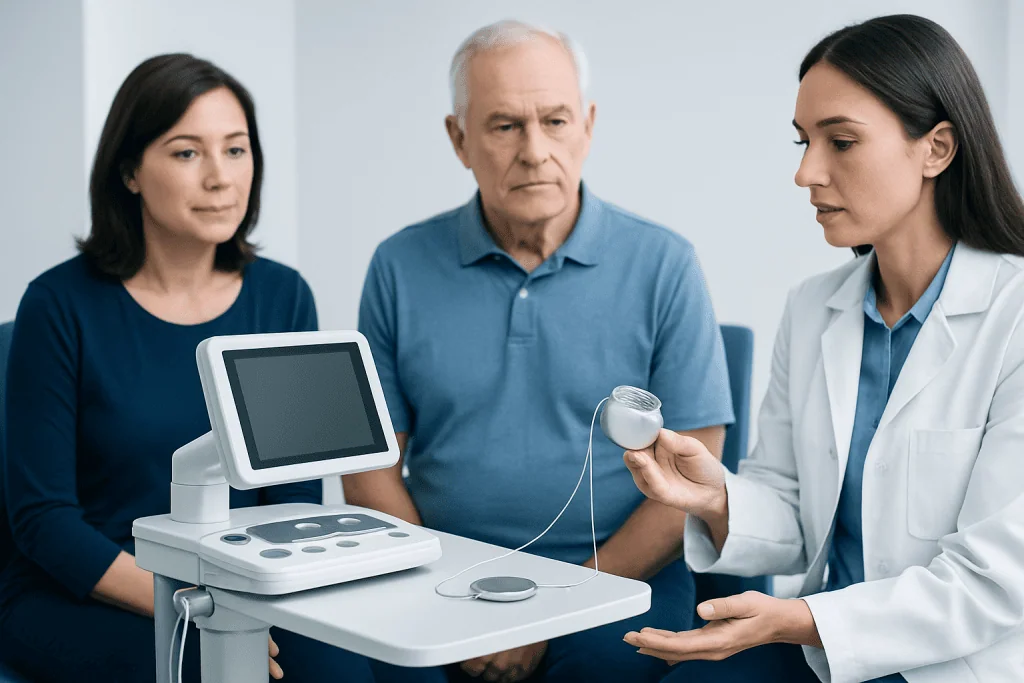
Sacral neuromodulation may be recommended for adults with certain chronic bladder or bowel problems. In bladder care, it is commonly used for overactive bladder with urgency, frequent urination, and urge incontinence. It may also help some people with non-obstructive urinary retention, meaning the bladder does not empty well even though there is no physical blockage.
In bowel care, the treatment may be used for fecal incontinence, especially when dietary changes, bowel training, and other conservative options have not provided enough relief. Some patients with bowel dysfunction related to nerve signaling problems may also be evaluated for this therapy after careful specialist assessment.
Not everyone with bladder or bowel symptoms is a candidate. Doctors first look for reversible causes such as infection, stones, medication effects, pelvic organ prolapse, neurologic disease, or structural problems that may need different treatment. Depending on the symptoms, a specialist may also discuss related conditions such as overactive bladder or urinary incontinence as part of the evaluation.
How Sacral Neuromodulation Works

The exact mechanism is still being studied, but sacral neuromodulation is understood to influence the nerve pathways that control storage and emptying of the bladder and bowel. The electrical stimulation is delivered through a thin lead placed near one of the sacral nerves, usually in the lower back. A small pulse generator then sends low-level impulses to help normalize the signals traveling between the pelvic organs and the nervous system.
In simple terms, the therapy does not force the bladder or bowel to squeeze. Instead, it helps modulate communication within the nervous system so the body can better coordinate urgency, sensation, and muscle activity. This is why some people notice fewer sudden urges, fewer leakage episodes, or better emptying after treatment.
The treatment can be adjusted over time. Doctors or trained clinicians can change the device settings to improve symptom control and comfort. Because the therapy is customizable, it may be refined after implantation if needs change, symptoms shift, or daily habits evolve.
Symptoms and Conditions It May Treat
People considering sacral neuromodulation often live with symptoms that affect confidence, sleep, work, travel, and social life. Common bladder symptoms include sudden urges to urinate, frequent daytime or nighttime urination, urine leakage before reaching the toilet, and trouble emptying the bladder without a blockage. These symptoms can be persistent and frustrating, especially when standard treatments have not helped enough.
On the bowel side, the therapy may be considered for loss of bowel control, accidental leakage of stool, or strong urgency that is hard to manage. Some patients describe having to plan daily activities around toilet access or avoiding social events because of fear of accidents.
Because similar symptoms can occur in many conditions, evaluation is important. Doctors may need to rule out problems such as infection, severe constipation, bowel disease, pelvic floor dysfunction, or other neurologic causes. If symptoms are linked to conditions such as fecal incontinence, sacral neuromodulation may become part of a broader treatment plan.
Evaluation and Diagnosis Before Treatment
Before recommending sacral neuromodulation, the care team usually performs a detailed assessment. This often includes a medical history, symptom review, physical examination, and a discussion of treatments already tried. Patients may be asked to keep a bladder or bowel diary to record urgency, leakage episodes, frequency, fluid intake, and toilet habits over several days.
Additional tests depend on the symptoms. For bladder problems, these may include urine testing, post-void residual measurement, imaging, cystoscopy in selected cases, or urodynamic studies. For bowel problems, evaluation may involve anorectal testing, stool pattern review, and assessment for constipation or pelvic floor disorders. The goal is to confirm that the symptoms fit a condition that may respond to neuromodulation.
Doctors also discuss expectations, general health, previous pelvic or spine surgery, pregnancy plans, ability to attend follow-up visits, and possible interactions with other implanted devices. The best candidates are usually those with bothersome symptoms, no easily correctable cause, and realistic expectations about what treatment can and cannot do.
The Procedure: Test Phase and Permanent Implant
Sacral neuromodulation is usually done in two steps. First comes the test phase, sometimes called a trial or evaluation period. A thin lead is placed near the sacral nerve through a small procedure, and the lead is connected to an external stimulator. Over the following days or weeks, the patient tracks symptoms to see whether there is meaningful improvement in bladder or bowel control.
If the test phase is successful, a permanent pulse generator can be implanted under the skin, often in the upper buttock area. This generator connects to the lead and delivers ongoing stimulation. The exact technique and device type may vary, and the specialist will explain the likely benefits, practical aspects, and risks in detail before the procedure.
Placement is generally guided by imaging and performed with anesthesia appropriate to the patient and the center’s routine. For people exploring advanced options for persistent symptoms, the discussion may take place alongside other approaches in neuromodulation therapy or specialist services related to urology care and gastroenterology evaluation.
Benefits, Risks, and Recovery
The main benefit of sacral neuromodulation is improved symptom control without major reconstructive surgery. Many patients experience fewer urgency episodes, fewer accidents, better bladder emptying, or more confidence in daily life. Sleep, work, travel, and participation in social activities may improve when symptoms become less disruptive.
Like any medical procedure, it has possible risks and limitations. These can include pain at the implant site, lead movement, infection, skin irritation, uncomfortable stimulation, technical problems with the device, or reduced benefit over time. Some people need reprogramming, lead revision, or device replacement, especially when the battery nears the end of its life.
Recovery is usually gradual and includes follow-up visits to check healing and adjust settings. Patients are often advised to avoid certain strenuous movements for a period after implantation to reduce the chance of lead displacement. The medical team also explains how to use the controller, when to seek advice, and what activities or imaging tests may require special precautions.
Self-care, Follow-up, and When to See a Doctor
Even after successful implantation, self-care remains important. Patients are usually encouraged to continue healthy bladder and bowel habits, such as managing fluid intake sensibly, reducing known dietary triggers when relevant, maintaining regular bowel routines, staying active, and following pelvic floor recommendations if advised. The device works best as part of an overall care plan rather than as a stand-alone solution.
Regular follow-up helps the team confirm that the settings are still effective and that the device is functioning properly. Patients should contact their doctor if symptoms suddenly return, stimulation becomes painful, the implant site becomes red or swollen, or there are signs of infection such as fever or discharge. New urinary retention, severe constipation, or significant changes in bowel habits also deserve prompt medical review.
People interested in treatment should speak with a qualified specialist in pelvic health, urology, colorectal care, or neuromodulation. Near the end of the care pathway, some international patients may choose centers such as Acibadem International, where multidisciplinary specialists in JCI-accredited hospitals evaluate and treat bladder and bowel control disorders using individualized plans.
Frequently asked questions
Is sacral neuromodulation the same as a pacemaker for the bladder or bowel?
It is often described that way because the device sends small electrical pulses to nerves, similar in concept to how a heart pacemaker sends impulses. However, it does not directly make the bladder or bowel contract. Instead, it helps regulate the nerve signals involved in control and sensation.
Who is a good candidate for sacral neuromodulation?
A good candidate usually has bothersome bladder or bowel symptoms that have not improved enough with conservative treatment. Doctors also look for conditions that fit the therapy and rule out problems that may need a different approach. A trial phase helps show whether the person is likely to benefit.
Does the treatment cure bladder or bowel control problems?
Sacral neuromodulation is generally used to manage symptoms rather than cure the underlying cause. Many people have meaningful improvement, but the degree of benefit varies. Ongoing follow-up may be needed to adjust settings and maintain results.
What happens during the test phase?
During the test phase, a temporary or test lead is placed near the sacral nerve and connected to an external stimulator. The patient then tracks symptoms for a set period to see whether urgency, leakage, or emptying improves. If the response is clearly positive, a permanent implant may be considered.
Can people feel the stimulation?
Some people feel a mild tapping, pulsing, or tingling sensation, while others notice little or nothing. The settings can usually be adjusted to improve comfort and effectiveness. If stimulation becomes uncomfortable, the medical team should be informed.
Are there risks or side effects?
Yes, as with any implanted device, there are potential risks. These may include discomfort at the implant site, infection, movement of the lead, technical issues, or a decrease in benefit over time. Most concerns can be evaluated with follow-up, and some can be managed by reprogramming or revision.
Will patients still need lifestyle changes after implantation?
Often yes. Healthy bladder and bowel habits, diet measures, pelvic floor strategies, and regular follow-up can still be important. The device is usually one part of a broader treatment plan designed around the person's symptoms and daily life.
References
- National Institute of Diabetes and Digestive and Kidney Diseases
- American Urological Association
- National Institute for Health and Care Excellence
- International Continence Society
- American Society of Colon and Rectal Surgeons
This article is for general information only and is not a substitute for professional medical advice. Please consult a qualified doctor about your individual situation.
Neuromodulation in Turkey — costs, top hospitals & a free quote
JCI-accredited · board-certified surgeons · reply within 24h
Add us as a Preferred Source to see more of our trusted health content across Google Search, AI Overviews and Discover.