How Sleep Deprivation Affects the Brain, Behavior, and Neurological Function

Sleep deprivation can reduce attention, memory, decision-making, and reaction time after even short periods of poor sleep. Ongoing sleep loss may affect mood, stress tolerance, immune function, and long-term brain and body health.
Key Takeaways
- Sleep deprivation can reduce attention, memory, decision-making, and reaction time after even short periods of poor sleep.
- Ongoing sleep loss may affect mood, stress tolerance, immune function, and long-term brain and body health.
- Common causes include lifestyle factors, shift work, stress, insomnia, sleep apnea, and other medical or neurological sleep disorders.
- Treatment depends on the cause and may include better sleep habits, managing underlying conditions, and specialist sleep evaluation when needed.
- Persistent daytime sleepiness, loud snoring, witnessed pauses in breathing, or trouble functioning safely should be discussed with a doctor.
Sleep deprivation affects far more than energy levels. It can change how the brain processes information, regulates emotions, forms memories, and controls attention, reaction time, and overall neurological function.
Overview
Sleep deprivation means not getting enough sleep to support normal physical, mental, and neurological function. This may happen after one very short night of sleep, several nights of reduced sleep, or repeated poor-quality sleep over time. Some people notice the effects quickly, while others adapt to feeling tired and may not fully recognize how much their performance has declined.
The brain depends on sleep to organize memories, restore attention, regulate emotions, and maintain healthy communication between nerve cells. During sleep, the body also supports hormone balance, immune function, and metabolic regulation. When sleep is shortened or disrupted, these processes become less efficient, which can affect daily functioning in many ways.
Sleep deprivation can be acute, such as staying awake for much of one night, or chronic, such as sleeping too little over weeks or months. Chronic partial sleep loss is common and may be linked to work schedules, stress, caregiving demands, frequent screen use, or untreated sleep disorders. Even modest but repeated sleep restriction can affect health and safety.
How Sleep Deprivation Affects the Brain
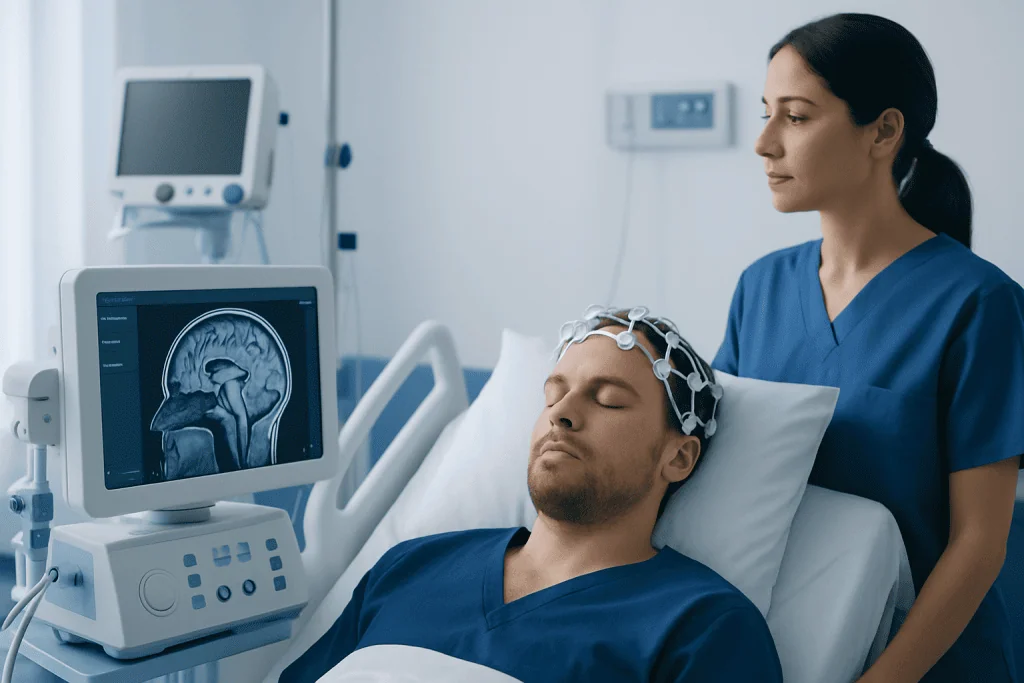
One of the clearest effects of sleep deprivation is reduced attention. People may have difficulty concentrating, staying focused on tasks, or shifting attention efficiently. Reaction time often slows, and brief lapses in alertness, sometimes called microsleeps, may occur. This can make driving, operating machinery, or making quick decisions more risky.
Memory is also closely tied to sleep. The brain uses sleep to strengthen newly learned information and integrate it with existing knowledge. When sleep is insufficient, it becomes harder to learn new material, remember details, and recall information clearly. Problem-solving and planning may also feel more difficult, especially when a person is already under stress.
Sleep deprivation influences emotional regulation as well. The brain may become more reactive to frustration or negative experiences, while the ability to respond calmly and thoughtfully may decline. As a result, a person may feel more irritable, anxious, overwhelmed, or emotionally sensitive than usual.
Over time, poor sleep may also affect broader neurological health. Research suggests that persistent sleep loss can contribute to changes in brain function related to mood, cognition, and long-term health. In some cases, a doctor may recommend assessment for related conditions such as insomnia or other sleep-wake disorders.
Behavioral and Daily Function Changes

The behavioral effects of sleep deprivation can be subtle at first. A person may become forgetful, make more mistakes, lose motivation, or struggle to complete routine tasks. Work performance and academic performance may decline because the brain is working harder to do tasks that normally feel manageable.
Mood and behavior often change alongside cognition. Some people become more impatient or short-tempered, while others feel emotionally flat, unmotivated, or socially withdrawn. Reduced sleep can also affect judgment, leading to more impulsive choices or difficulty weighing consequences carefully.
Daytime sleepiness can disrupt relationships and quality of life. People may cancel activities, avoid exercise, rely more on caffeine, or find it difficult to stay engaged in family and social interactions. In children and teenagers, sleep loss may show up as irritability, poor concentration, or hyperactive behavior rather than obvious tiredness.
- Difficulty focusing on conversations or reading
- More frequent errors at work or school
- Slower reaction time while driving
- Increased irritability or mood swings
- Lower motivation and reduced productivity
Symptoms and Warning Signs
Common symptoms of sleep deprivation include fatigue, heavy eyelids, excessive daytime sleepiness, difficulty waking up, and a feeling of mental fog. Headaches, slower thinking, and reduced concentration are also common. Some people notice they need more caffeine than usual just to function through the day.
Neurological and behavioral signs may include forgetfulness, poor attention, clumsiness, slower reaction time, and difficulty making decisions. Mood changes such as irritability, anxiety, low mood, and reduced stress tolerance are also frequent. In more severe cases, prolonged sleep loss may lead to confusion or significant performance impairment.
It is important to look beyond the symptom of tiredness alone. Loud snoring, choking or gasping during sleep, morning headaches, repeated nighttime awakenings, restless sleep, or sudden sleep episodes during the day may suggest an underlying sleep disorder rather than simple sleep restriction. Conditions such as sleep apnea can cause ongoing sleep disruption even when a person spends enough time in bed.
Causes and Risk Factors
Sleep deprivation can have many causes. Lifestyle demands are common, including long work hours, shift work, travel across time zones, late-night screen use, irregular schedules, and family responsibilities. Stress, anxiety, depression, and ongoing life pressures may also make it harder to fall asleep or stay asleep.
Medical conditions are another important factor. Chronic pain, breathing problems, reflux, hormonal changes, neurological conditions, and some medications can interfere with restful sleep. Primary sleep disorders, including insomnia, sleep apnea, restless legs syndrome, and circadian rhythm disorders, are especially important to consider when poor sleep persists despite good sleep habits.
Some groups are at higher risk of sleep deprivation and its consequences. These include healthcare workers, drivers, shift workers, students, caregivers, and older adults with fragmented sleep. People with obesity, nasal obstruction, cardiovascular disease, or a family history of sleep disorders may also be more likely to have an underlying sleep-related condition contributing to poor sleep quality.
Diagnosis and Sleep Evaluation
Diagnosis begins with a careful medical history. A doctor usually asks about sleep duration, bedtime routines, snoring, breathing pauses, nighttime awakenings, daytime sleepiness, mood, work schedule, and use of caffeine, alcohol, or medications. A sleep diary may help identify patterns over one to two weeks.
When a sleep disorder is suspected, further testing may be recommended. This can include questionnaires, wearable monitoring in some cases, or a formal sleep study. A sleep study can help evaluate breathing, oxygen levels, heart rhythm, body movements, and brain activity during sleep, especially if sleep apnea or other sleep-related breathing disorders are possible.
If symptoms suggest a neurological or structural issue, doctors may also consider targeted evaluation such as neurological assessment or imaging. The goal is not only to confirm sleep deprivation but also to identify why it is happening, since treatment is most effective when the underlying cause is addressed.
Treatment Options
Treatment for sleep deprivation depends on the cause. If the main issue is insufficient time for sleep, the first step is protecting a consistent sleep schedule and allowing enough time in bed for the person’s needs. For many adults, this means making sleep a regular health priority rather than trying to “catch up” only on weekends.
If insomnia symptoms are present, treatment may include structured sleep habit changes and evidence-based behavioral approaches. When snoring, breathing pauses, or persistent daytime sleepiness suggest a sleep-breathing disorder, treatment may focus on the airway and nighttime breathing. In selected cases, doctors may recommend options related to sleep apnea treatment or referral to appropriate specialists.
Underlying medical or mental health conditions should also be treated. Managing pain, anxiety, depression, reflux, hormonal issues, or medication side effects can significantly improve sleep quality. A multidisciplinary approach may be helpful when symptoms overlap across neurology, respiratory medicine, psychology, and general health.
Near the end of the evaluation process, some patients may benefit from specialist care in centers experienced in sleep medicine and neurology. Acibadem International’s multidisciplinary specialists and JCI-accredited hospitals diagnose and treat sleep-related conditions for international patients when more advanced assessment is needed.
Prevention, Self-care, and When to See a Doctor
Healthy sleep habits can reduce the risk of sleep deprivation. Helpful steps include keeping a regular sleep and wake time, limiting late caffeine and alcohol, reducing screen exposure before bed, and creating a quiet, dark, comfortable sleep environment. Regular physical activity and daylight exposure can also support a stronger sleep-wake rhythm.
Self-care should also include recognizing when sleepiness is becoming a safety issue. A person should not drive or perform hazardous tasks if they are struggling to stay awake, having slowed reactions, or drifting in and out of alertness. Short naps may provide temporary relief, but they do not replace the need for sufficient nighttime sleep or treatment of an underlying sleep disorder.
A doctor should be consulted if sleep problems last more than a few weeks, if daytime functioning is clearly affected, or if there are warning signs such as loud snoring, pauses in breathing, sudden sleep episodes, morning headaches, or major mood changes. Medical review is especially important when poor sleep is affecting work, school, memory, driving safety, or overall quality of life.
Frequently asked questions
What happens to the brain during sleep deprivation?
Sleep deprivation affects areas of the brain involved in attention, memory, emotional regulation, and decision-making. This can lead to slower thinking, poor concentration, reduced learning, and more reactive moods.
Can one bad night of sleep affect behavior?
Yes. Even one short night can reduce attention, patience, and reaction time the next day. Some people also feel more irritable, emotionally sensitive, or mentally foggy after acute sleep loss.
Is sleep deprivation the same as insomnia?
Not exactly. Sleep deprivation means not getting enough sleep, while insomnia is difficulty falling asleep, staying asleep, or getting restful sleep despite the chance to sleep. Insomnia can cause sleep deprivation, but sleep deprivation can also happen for other reasons such as work schedules or caregiving demands.
When should someone worry about daytime sleepiness?
Daytime sleepiness should be taken seriously if it affects driving, work, school, or safety. It is also important to seek medical advice if it happens despite spending enough time in bed, or if it is accompanied by loud snoring, breathing pauses, or morning headaches.
Can sleep deprivation cause long-term health problems?
Ongoing sleep loss may affect mood, cognitive performance, metabolic health, cardiovascular health, and overall well-being. While not every person will develop complications, chronic poor sleep should not be ignored and deserves proper evaluation.
How can someone recover from sleep deprivation?
Recovery starts with restoring a regular sleep schedule and allowing enough time for sleep consistently. If sleep remains poor or symptoms continue, a doctor can help identify underlying causes and recommend targeted treatment.
References
- American Academy of Sleep Medicine
- National Institute of Neurological Disorders and Stroke
- National Heart, Lung, and Blood Institute
- Centers for Disease Control and Prevention
- World Health Organization
This article is for general information only and is not a substitute for professional medical advice. Please consult a qualified doctor about your individual situation.
Explore treatments in Turkey — costs, top hospitals & a free quote
JCI-accredited · board-certified surgeons · reply within 24h
Add us as a Preferred Source to see more of our trusted health content across Google Search, AI Overviews and Discover.