How to Avoid Kidney Stones: Everyday Habits That Lower Risk

Drinking enough water throughout the day is one of the most effective ways to lower kidney stone risk. A balanced diet with normal calcium intake, less excess salt, and moderation with animal protein may help prevent stones.
Key Takeaways
- Drinking enough water throughout the day is one of the most effective ways to lower kidney stone risk.
- A balanced diet with normal calcium intake, less excess salt, and moderation with animal protein may help prevent stones.
- Not all kidney stones are the same, so prevention should match the stone type when possible.
- People who have had a stone before may benefit from medical evaluation, urine testing, and follow-up.
- Prompt medical care is important for severe pain, fever, vomiting, or difficulty passing urine.
Many kidney stones can be prevented with simple daily habits, especially drinking enough fluids and making targeted diet changes. Prevention works best when it is tailored to the type of stone and a person’s overall health.
Overview
Kidney stones are hard deposits made from minerals and salts that form in the urinary tract. They can develop when urine becomes too concentrated, allowing certain substances to crystallize and stick together. Some stones stay in the kidney without causing symptoms, while others move into the ureter and can cause significant discomfort.
The good news is that many kidney stones are preventable. Everyday habits such as drinking enough fluids, choosing foods thoughtfully, and managing certain medical conditions can reduce the chance that crystals will form. For people who have had a stone before, prevention is especially important because the risk of recurrence can be higher over time.
Prevention is not the same for everyone. Calcium oxalate stones are the most common, but other types include uric acid, struvite, and cystine stones. Understanding the stone type, if known, helps guide the most useful changes and avoids advice that may be too general or not well suited to the individual.
Why Kidney Stones Form
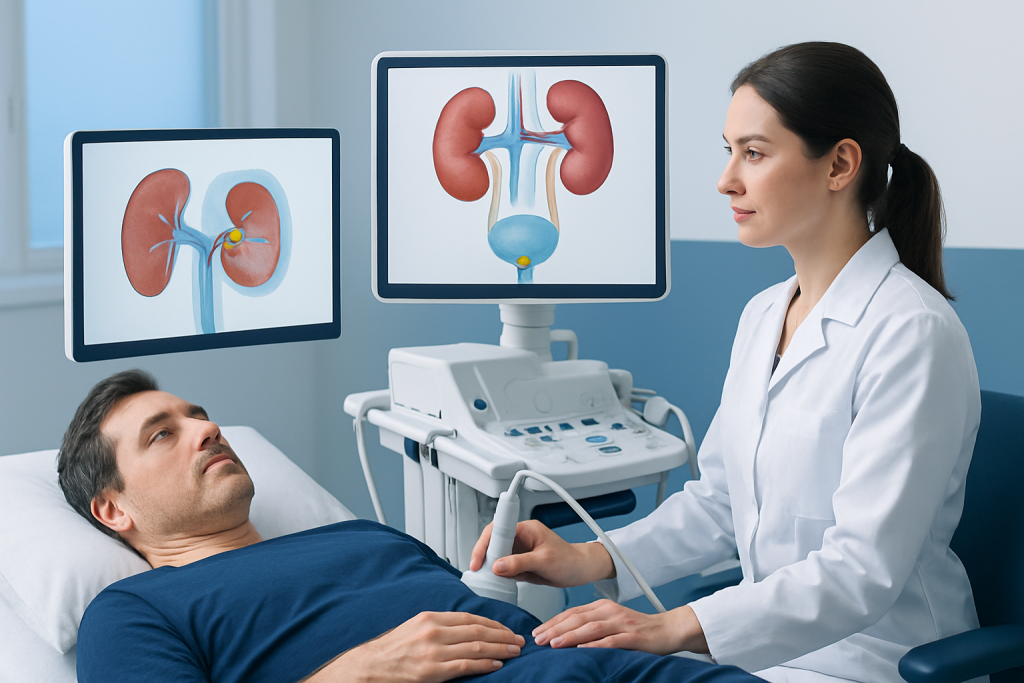
Kidney stones form when the balance of water, minerals, and waste products in urine changes. If there is not enough fluid in the urine, substances such as calcium, oxalate, or uric acid may become concentrated and start to crystallize. Over time, these crystals can grow into stones.
Natural substances in urine usually help prevent crystals from forming. For example, citrate can reduce stone formation in some people. When protective factors are low, or stone-forming substances are high, the risk increases. This is why hydration, diet, and certain medications can play an important role in prevention.
Some people are more likely to form stones because of family history, digestive conditions, obesity, recurrent urinary infections, or metabolic problems. Others may develop stones because of chronic dehydration, hot climates, heavy sweating, or diets high in sodium and certain animal proteins.
Someone who has had symptoms or treatment for kidney stones should not assume all future stones are the same. Stone analysis and urine testing can reveal why stones are forming and point to the most effective ways to lower risk.
Hydration: The Most Important Daily Habit

For many people, the single most effective prevention step is drinking enough fluid to keep urine diluted. When urine is pale yellow or clear most of the time, it often suggests good hydration. Adequate fluids help reduce the concentration of stone-forming substances and make it harder for crystals to grow.
Water is usually the best choice. Some people need more fluids if they exercise, sweat heavily, live in a hot climate, or have work conditions that make regular drinking difficult. Spreading fluid intake across the day is helpful, because long periods without drinking can allow urine to become concentrated.
A few drinks may deserve caution. Sugary beverages may not support overall urinary health, and some people may be advised to limit cola-type drinks. Citrus beverages such as lemonade or orange juice can sometimes help increase urinary citrate, but they should be chosen with attention to sugar content and the person’s general health.
People with heart failure, advanced kidney disease, or other conditions that affect fluid balance should ask a doctor how much to drink. In these situations, hydration advice should be individualized rather than following general recommendations alone.
Diet Changes That May Lower Risk
Diet is an important part of kidney stone prevention, but the goal is balance rather than severe restriction. A common misconception is that all calcium should be avoided. In fact, normal dietary calcium is often encouraged because it can bind oxalate in the gut and reduce the amount that reaches the urine. Cutting calcium too much may sometimes increase stone risk and can also affect bone health.
Reducing excess sodium is one of the most useful dietary steps. A high-salt diet can increase calcium in the urine, which may raise the chance of calcium-based stones. Choosing less processed food, reading labels, and limiting heavily salted snacks and restaurant meals can make a meaningful difference.
Moderation with animal protein may also help, especially in people prone to uric acid stones or recurrent calcium stones. Large amounts of red meat, organ meats, and some seafood can increase uric acid and reduce urinary citrate in certain individuals. Plant-forward meals, fruits, and vegetables often support a more favorable urinary environment.
For people with calcium oxalate stones, it may help to be aware of high-oxalate foods such as spinach, beets, nuts, rhubarb, and chocolate. This does not always mean avoiding them completely. Instead, a doctor or dietitian may recommend moderation and pairing them with calcium-containing foods during meals.
- Keep a normal, balanced calcium intake unless a doctor advises otherwise.
- Limit excess salt from processed and packaged foods.
- Moderate animal protein rather than relying on very high-protein eating patterns.
- Choose more fruits and vegetables as part of a balanced diet.
- Discuss oxalate-rich foods if calcium oxalate stones are suspected.
Other Risk Factors and Self-Care Habits
Several everyday factors beyond food and drink can influence stone risk. Regular physical activity, weight management, and attention to overall metabolic health may help reduce the likelihood of stones in some people. Obesity and insulin resistance are linked with a higher risk of certain stone types, including uric acid stones.
Some medications and supplements can also affect stone formation. Calcium supplements, vitamin C supplements in high amounts, certain diuretics, and some other medicines may contribute in specific cases. This does not mean they should be stopped without guidance. Instead, it is sensible to review all medications and supplements with a healthcare professional if kidney stones are a concern.
Recurrent urinary tract infections can play a role in struvite stones, and digestive conditions that affect absorption may raise the risk of calcium oxalate stones. People with gout, inflammatory bowel disease, chronic diarrhea, or previous bariatric surgery may need especially tailored prevention plans.
Simple self-care habits may help support prevention. These include not ignoring thirst, carrying water when away from home, drinking a glass of water with meals, and replacing fluid losses after exercise or heat exposure. Small routines are often easier to maintain than major sudden changes.
Medical Evaluation and Diagnosis
When someone passes a stone or has recurring symptoms, medical evaluation can help identify the cause and guide prevention. Doctors often review symptoms, diet, family history, fluid intake, medications, and other medical conditions. Urine and blood tests may check for factors that increase stone risk.
If a stone is collected, laboratory analysis can show its composition. This is very useful because prevention for calcium oxalate stones may differ from prevention for uric acid or cystine stones. In some people, a 24-hour urine collection is recommended to measure urine volume and levels of calcium, oxalate, citrate, uric acid, sodium, and other substances.
Imaging may be used to confirm whether stones are present and where they are located. Ultrasound and CT scanning are common tools, depending on the clinical situation. These tests help doctors assess stone size, blockage, and whether urgent treatment is needed.
People with frequent stones, stones at a young age, a family history, or associated conditions may benefit from assessment by a urologist or nephrologist. If treatment is needed, options can range from pain control and observation to procedures such as kidney stone treatment or ureteroscopy when a stone does not pass on its own.
Treatment and Prevention for Repeat Stone Formers
People who form stones repeatedly often need a more structured prevention plan. This may include specific dietary targets, closer follow-up, and medications chosen according to the stone type and urine findings. For example, some patients benefit from medicines that raise urinary citrate, lower uric acid, or reduce calcium in the urine.
Uric acid stones may respond to measures that make the urine less acidic, while infection-related stones require attention to the underlying infection. Cystine stones, which are less common, often need intensive hydration and specialist care. Because the approach varies, professional guidance is important.
Follow-up matters because prevention is an ongoing process. A doctor may repeat urine tests or imaging to see whether changes are working. This helps refine the plan and can reduce the chance of future painful episodes or complications such as obstruction or infection.
Near the end of the prevention journey, some people also need support with procedures if stones recur despite lifestyle changes. In selected cases, shock wave lithotripsy may be considered, and multidisciplinary teams such as those at Acibadem International’s JCI-accredited hospitals care for international patients who need diagnosis and treatment.
When to See a Doctor
Anyone with sudden severe side or back pain, blood in the urine, nausea, or pain that spreads toward the groin should seek medical advice. These symptoms can occur with kidney stones, but other conditions can also cause similar pain. Proper evaluation is important, especially if symptoms are intense or new.
Urgent medical care is needed if pain is accompanied by fever, chills, vomiting, inability to keep fluids down, difficulty passing urine, or very little urine output. These may suggest infection or blockage, which can become serious without prompt treatment.
People who have had a kidney stone before should also see a doctor if symptoms return, even if they seem familiar. Recurrent stones can often be prevented more effectively after an evaluation of urine, blood, and stone type. Early guidance may reduce discomfort and lower the chance of complications.
Even without acute symptoms, it is reasonable to ask for medical advice after a first stone, repeated urinary infections, or a strong family history. Prevention works best when it is personalized and reviewed over time.
Frequently asked questions
What is the best way to help prevent kidney stones?
For many people, the most effective step is staying well hydrated so urine does not become too concentrated. Prevention also often includes reducing excess salt, eating a balanced diet, and following medical advice based on the stone type.
Can kidney stones be prevented completely?
Not always, but the risk can often be lowered significantly. Prevention is most successful when it is tailored to personal risk factors, stone composition, and any underlying medical conditions.
Should calcium be avoided to prevent kidney stones?
Usually no. Normal dietary calcium is often recommended because it can help reduce oxalate absorption, although supplements may need to be reviewed with a doctor in some cases.
Are some people more likely to get kidney stones than others?
Yes. Risk may be higher with a family history, dehydration, obesity, certain digestive diseases, recurrent urinary infections, gout, and some metabolic conditions. Having had a stone before also raises the chance of another one.
Which foods are commonly discussed in a kidney stone diet?
Doctors often review sodium, animal protein, calcium intake, and high-oxalate foods depending on the stone type. The goal is not usually extreme restriction but a balanced eating pattern that lowers the substances most likely to form stones.
When should someone seek urgent care for possible kidney stones?
Urgent care is important for severe pain with fever, chills, repeated vomiting, trouble urinating, or very low urine output. These symptoms may signal blockage or infection and need prompt medical attention.
References
- National Institute of Diabetes and Digestive and Kidney Diseases
- European Association of Urology
- American Urological Association
- National Kidney Foundation
This article is for general information only and is not a substitute for professional medical advice. Please consult a qualified doctor about your individual situation.
Explore treatments in Turkey — costs, top hospitals & a free quote
JCI-accredited · board-certified surgeons · reply within 24h
Add us as a Preferred Source to see more of our trusted health content across Google Search, AI Overviews and Discover.