How to Balance Your Hormones: When Lifestyle Changes Help and When to Get Checked

Hormones influence many body systems, so symptoms can involve weight, mood, sleep, skin, periods, fertility, and energy. Sleep, stress management, regular exercise, balanced meals, and avoiding extreme diets can support hormonal balance.
Key Takeaways
- Hormones influence many body systems, so symptoms can involve weight, mood, sleep, skin, periods, fertility, and energy.
- Sleep, stress management, regular exercise, balanced meals, and avoiding extreme diets can support hormonal balance.
- Not every symptom is caused by hormones, and at-home ideas cannot diagnose a hormone disorder.
- Persistent, severe, or changing symptoms should be assessed by a doctor, especially if they affect periods, fertility, blood sugar, or thyroid health.
- Evaluation may include a medical history, physical examination, and targeted blood tests based on symptoms and life stage.
Hormones help regulate energy, mood, sleep, metabolism, reproduction, and many other body functions. Healthy daily habits can support hormonal health, but ongoing or unexplained symptoms may need medical evaluation to look for an underlying condition.
Overview: what it means to “balance your hormones”
The phrase “balance your hormones” is often used broadly, but hormones do not need to be kept at one fixed level all the time. Hormones are chemical messengers made by glands such as the thyroid, pancreas, ovaries, testes, adrenal glands, and pituitary gland. Their levels naturally rise and fall throughout the day, during the menstrual cycle, with aging, and in response to stress, sleep, food intake, and physical activity.
Good hormonal health usually means that these signals are working in a coordinated way. When this system is disrupted, symptoms may develop. Common examples include thyroid disorders, insulin resistance, polycystic ovary syndrome, menopause-related hormone changes, and low testosterone. Because hormones affect many organs, symptoms can seem unrelated at first.
Lifestyle habits can support healthy hormone function, especially sleep, nutrition, movement, and stress management. However, symptoms that are persistent, severe, or getting worse should not be dismissed. Medical assessment can help distinguish normal life-stage changes from conditions that need treatment.
Common signs that hormones may be involved
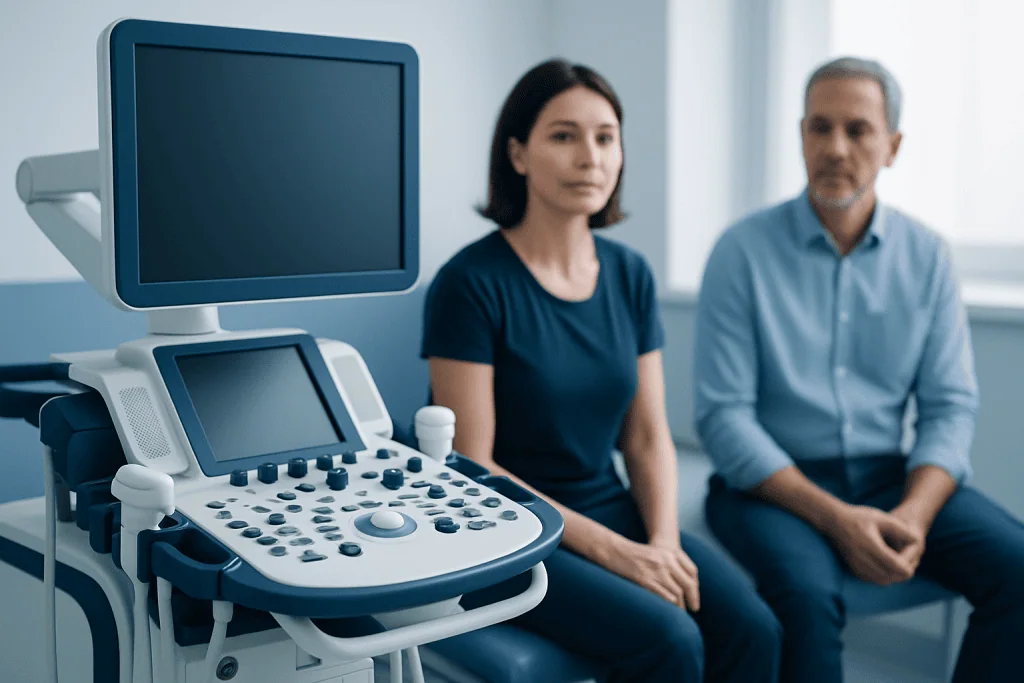
Hormonal symptoms vary widely depending on which gland or hormone is affected. Some people notice fatigue, changes in body weight, low mood, anxiety, headaches, sleep problems, or difficulty concentrating. Others may have acne, hair thinning, increased facial or body hair, temperature sensitivity, sweating, or skin changes.
Reproductive symptoms are also common. These may include irregular periods, very heavy bleeding, missed periods, hot flashes, vaginal dryness, low libido, erectile difficulties, or trouble becoming pregnant. Blood sugar changes can lead to increased thirst, hunger, or frequent urination, while thyroid-related issues may cause constipation, diarrhea, palpitations, or unexplained sensitivity to cold or heat.
These symptoms do not always mean there is a hormone disorder. They can also be linked to stress, poor sleep, medications, nutritional issues, or other medical conditions. Still, when symptoms cluster together or persist over time, hormonal causes become more important to consider.
- Irregular or painful menstrual cycles
- Unexplained weight gain or weight loss
- Ongoing fatigue despite rest
- Hot flashes or night sweats
- Hair loss, acne, or increased body hair
- Changes in mood, concentration, or sleep
Lifestyle changes that can help support hormone health

Sleep is one of the most important foundations of hormonal health. Poor or inconsistent sleep can affect cortisol, insulin, appetite hormones, and reproductive hormones. A regular sleep schedule, limiting late caffeine, reducing screen exposure before bed, and creating a dark, quiet sleep environment can help the body maintain more stable rhythms.
Nutrition also matters, but there is no single “hormone balancing” diet that works for everyone. Most people benefit from regular meals built around vegetables, fruit, whole grains, legumes, healthy fats, and adequate protein. Highly restrictive diets, repeated fasting without medical guidance, and large swings in calorie intake may worsen fatigue, blood sugar instability, or menstrual changes in some people.
Regular physical activity improves insulin sensitivity, supports weight management, and may help with mood and sleep. A combination of aerobic exercise, strength training, and everyday movement is often helpful. At the same time, excessive training without enough recovery can sometimes raise stress hormones and disrupt menstrual cycles or energy levels.
Stress reduction can be useful because chronic stress influences cortisol and can affect sleep, appetite, and menstrual regularity. Helpful approaches include mindfulness, breathing exercises, therapy, social support, and realistic daily routines. These steps may not “fix” every hormone problem, but they often improve overall function and make symptoms easier to manage.
When symptoms may point to an underlying condition
Sometimes lifestyle changes are not enough because a medical condition is driving the symptoms. Thyroid disorders are a common example. An underactive or overactive thyroid can affect weight, bowel habits, heart rate, energy, mood, and temperature tolerance. If symptoms suggest this, doctors may evaluate for thyroid-related conditions or more common noncancerous thyroid disorders depending on the clinical picture.
In women and people who menstruate, irregular cycles, acne, unwanted hair growth, and fertility concerns may suggest polycystic ovary syndrome (PCOS). In midlife, symptoms such as hot flashes, night sweats, and sleep disturbance may reflect menopause or perimenopause rather than a disease. In men, low libido, erectile changes, reduced muscle mass, or fatigue can sometimes be linked to low testosterone, though many nonhormonal causes are also possible.
Changes in blood sugar regulation can be another clue. Increased thirst, frequent urination, fatigue, and blurred vision may suggest insulin resistance or diabetes. These problems affect metabolism as well as hormone signaling. Persistent symptoms deserve timely medical review so that important conditions are not missed.
How doctors check hormone-related symptoms
Hormone testing is most useful when it is guided by symptoms, age, sex, medical history, medications, and menstrual status. A doctor usually starts by asking about the timing and pattern of symptoms, weight changes, sleep, stress, family history, and any pregnancy or fertility concerns. A physical examination may look for skin changes, thyroid enlargement, blood pressure changes, or signs of insulin resistance.
Blood tests may be ordered depending on the suspected issue. These can include thyroid function tests, blood glucose or HbA1c, reproductive hormone tests, prolactin, or other targeted studies. In some cases, timing matters. For example, certain reproductive hormones are interpreted differently depending on where a person is in the menstrual cycle.
Imaging or additional testing may also be needed. Pelvic ultrasound can help evaluate ovarian changes in suspected PCOS, and other imaging may be considered if there are symptoms suggesting gland abnormalities. When symptoms are complex, referral to an endocrinologist, gynecologist, urologist, or fertility specialist may be appropriate.
It is important to know that broad “hormone panels” are not always necessary or helpful. Results can be misleading if they are not linked to specific symptoms and interpreted in the right context. A qualified clinician can decide which tests are meaningful and whether repeat testing is needed.
Treatment options if a hormone disorder is found
Treatment depends on the cause. Some people only need lifestyle support and monitoring, while others need medication or a procedure. Thyroid disorders may be treated with medicines that replace or reduce thyroid hormone. Blood sugar problems may improve with nutrition, exercise, weight management, and sometimes diabetes medications. Reproductive hormone conditions may be managed with cycle-regulating treatments, ovulation support, or symptom-focused therapies.
For those trying to conceive, fertility-focused treatment may be recommended if hormone problems affect ovulation or sperm production. In appropriate cases, options related to IVF treatment or fertility preservation may be discussed by specialists. These decisions are individualized and based on age, diagnosis, fertility goals, and overall health.
When symptoms are linked to a thyroid nodule or another structural problem, doctors may recommend imaging, biopsy, or surgery. For selected patients, thyroid surgery can be part of treatment planning. If metabolic disease is present, a broader plan may include support for weight management or diabetes treatment under specialist supervision.
The main goal is not to chase a perfect lab number, but to treat the underlying cause and improve daily well-being. Follow-up is often important because hormone needs can change over time, especially during puberty, pregnancy, postpartum recovery, and menopause.
Prevention and self-care: practical steps that are safe to try
There is no guaranteed way to prevent every hormone disorder, but healthy routines can reduce strain on the body and support metabolic and reproductive health. A practical approach includes steady sleep, regular meals, physical activity, not smoking, limiting alcohol, and maintaining a weight that is healthy for the individual. Managing long-term conditions such as diabetes or thyroid disease as advised can also reduce complications.
People are often exposed to online advice about supplements, detox plans, or “hormone reset” programs. These are not always evidence-based, and some may interfere with medicines or delay needed care. Supplements should be discussed with a doctor, especially during pregnancy, while trying to conceive, or when taking prescription medication.
Tracking symptoms can be helpful. Notes about menstrual cycles, hot flashes, sleep, mood, appetite, blood sugar readings, or changes in hair and skin can give useful clues during a medical appointment. This kind of pattern tracking is often more informative than isolated symptoms remembered later.
For international patients who need further assessment, Acibadem International’s multidisciplinary specialists in JCI-accredited hospitals diagnose and treat hormone-related conditions across endocrinology, gynecology, men’s health, and fertility care.
When to see a doctor
Medical advice is recommended when symptoms last for several weeks, interfere with daily life, or continue despite reasonable lifestyle changes. It is especially important to seek assessment for irregular or absent periods, very heavy bleeding, severe acne with cycle changes, unexplained weight change, persistent fatigue, or fertility difficulties.
A prompt appointment is also sensible for symptoms that may suggest blood sugar or thyroid problems, such as frequent urination, excessive thirst, palpitations, tremor, marked heat or cold intolerance, or a lump in the neck. Men should consider evaluation for ongoing low libido, erectile difficulties, breast tissue enlargement, or loss of muscle strength. No one should start or stop hormone medication without medical advice.
Urgent care may be needed for severe chest pain, fainting, confusion, sudden shortness of breath, or very high or very low blood sugar symptoms. These are not routine signs of a simple hormone fluctuation. A doctor can help identify whether symptoms are hormone-related and recommend the most appropriate next steps.
Frequently asked questions
Can hormones really be balanced naturally?
Healthy habits can support hormone function, especially good sleep, regular exercise, stress management, and balanced meals. However, lifestyle changes cannot correct every hormone disorder, so persistent symptoms may still need medical evaluation.
What is the most common sign of a hormone imbalance?
There is no single most common sign because hormones affect many body systems. Common symptoms include fatigue, irregular periods, weight changes, mood changes, acne, sleep problems, and sensitivity to heat or cold.
Should everyone get hormone tests?
No. Hormone tests are most useful when a person has symptoms, a relevant medical history, or a specific reason to investigate. Broad testing without context can be confusing and may not answer the real cause of symptoms.
How long should lifestyle changes be tried before seeing a doctor?
A person does not need to wait a long time if symptoms are severe, unusual, or affecting daily life. In milder cases, healthy changes may be tried for a few weeks, but ongoing or worsening symptoms should still be discussed with a doctor.
Can stress cause hormone problems?
Chronic stress can affect cortisol, sleep, appetite, menstrual regularity, and overall well-being. Stress may contribute to symptoms, but it should not automatically be assumed to be the only cause, especially if symptoms are persistent.
Are irregular periods always a sign of hormone imbalance?
Not always. Periods can change with adolescence, perimenopause, stress, weight changes, intense exercise, pregnancy, and some medications. Still, repeated irregularity or heavy bleeding deserves medical assessment.
References
- World Health Organization
- National Institute of Diabetes and Digestive and Kidney Diseases
- American Thyroid Association
- Endocrine Society
- American College of Obstetricians and Gynecologists
This article is for general information only and is not a substitute for professional medical advice. Please consult a qualified doctor about your individual situation.
Medical weight-loss options in Turkey — costs & eligibility
JCI-accredited · board-certified surgeons · reply within 24h
Add us as a Preferred Source to see more of our trusted health content across Google Search, AI Overviews and Discover.
Check your numbers in seconds
BMI, calories, due date, blood pressure and 30+ more clinical calculators — free, instant, doctor-reviewed ranges.