

How to Choose the Best Dentist for Complex Dental Care

Complex dental care often requires a dentist who works with multiple specialists. Credentials, experience, and case planning are more important than marketing claims.
Key Takeaways
- Complex dental care often requires a dentist who works with multiple specialists.
- Credentials, experience, and case planning are more important than marketing claims.
- A good dental team explains options, benefits, risks, timing, and costs clearly.
- Modern imaging, infection control, and follow-up care are important signs of quality.
- Second opinions can be helpful before major restorative, surgical, or implant treatment.
Choosing the best dentist for complex dental care involves more than finding a nearby clinic. It means looking for the right qualifications, specialist support, clear treatment planning, and a practice that can safely manage complicated oral health needs.
Overview: What Complex Dental Care Means
Complex dental care refers to treatment that goes beyond a routine filling, cleaning, or simple tooth extraction. It may involve several problems at once, such as missing teeth, gum disease, jaw pain, bite problems, severe decay, dental trauma, failed past treatment, or the need for both functional and cosmetic improvement. In many cases, treatment must be carefully staged over time rather than completed in a single visit.
Because these situations can affect chewing, speech, comfort, appearance, and long-term oral health, choosing the right dentist matters. The best dentist for complex dental care is not simply the one offering the newest procedure or the lowest price. Instead, it is usually a clinician or team with the training, experience, and systems needed to diagnose accurately, coordinate care, and tailor treatment to the person’s medical and dental needs.
Complex care may include advanced restorative dentistry, periodontal treatment, root canal treatment, oral surgery, implant planning, bite rehabilitation, or care for older adults and medically complex patients. A strong starting point is often a detailed assessment through general dentistry evaluation, followed by referral to the right specialists when needed.
When a Patient May Need a More Advanced Dental Team
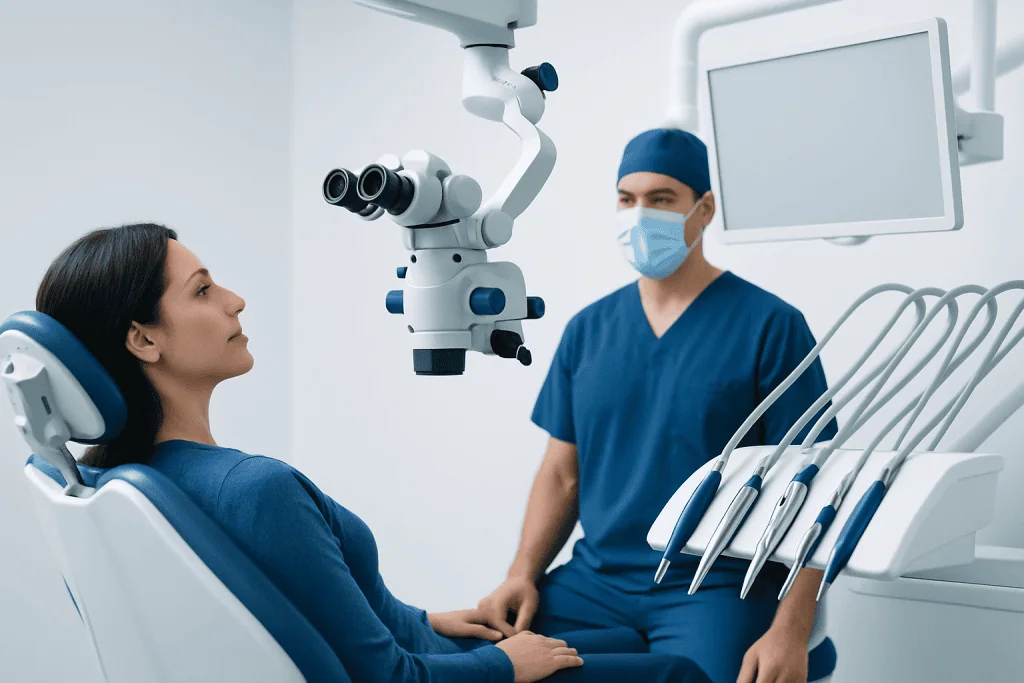
Some dental concerns are straightforward, but others benefit from a dentist who has access to a broader team. This may be the case when a person has multiple broken or missing teeth, ongoing infection, severe gum recession, a history of failed crowns or implants, or significant bone loss in the jaw. People who grind their teeth, have temporomandibular joint symptoms, or have dental needs linked to chronic health conditions may also need more detailed planning.
Past dental trauma is another common reason to seek advanced care. A cracked tooth, root damage, changes in tooth color, or pain after an injury may require careful imaging and treatment from different professionals. For example, a dentist may coordinate endodontic treatment for a damaged tooth, while also assessing whether the bite, gums, or bone need attention.
Patients may also need a more advanced approach if they have anxiety about treatment, a strong gag reflex, difficulty tolerating long appointments, or complicated medication histories. In these settings, careful planning, pain control, and communication are just as important as technical skill.
- Multiple dental problems happening at the same time
- Need for implants, grafting, or full-mouth rehabilitation
- Persistent pain, swelling, or repeated treatment failure
- Medical conditions that affect healing or bleeding
- Functional concerns such as chewing difficulty or unstable bite
Qualifications and Experience to Look For

When choosing the best dentist for complex dental care, qualifications should be reviewed carefully. A dentist should be fully licensed and practicing within a recognized clinical setting with clear standards for hygiene, radiology, anesthesia, and emergency preparedness. For more advanced cases, postgraduate training or collaboration with certified specialists can be especially valuable.
Experience matters, but it should be considered in context. A useful question is not only how long the dentist has practiced, but also how often they manage cases similar to the patient’s. Someone needing replacement of several missing teeth may benefit from a clinic that regularly plans dental implants and restorative care together. A person with severe tooth wear may need a team familiar with bite analysis, materials science, and long-term maintenance.
It can also help to ask whether the clinic includes or works closely with periodontists, endodontists, prosthodontists, oral and maxillofacial surgeons, orthodontists, or anesthesiology support when needed. Complex cases are often best managed by a multidisciplinary team rather than a single provider trying to do everything alone.
Patients may ask practical questions during a consultation, such as whether the dentist has treated similar cases, what imaging will be used, what alternatives exist, and how complications are handled. Clear, respectful answers are a good sign of professionalism.
Why Diagnosis and Treatment Planning Matter
In complex dentistry, good outcomes begin with good diagnosis. A high-quality consultation should include a detailed medical and dental history, examination of the teeth and gums, bite assessment, and appropriate imaging. Depending on the case, photographs, digital scans, panoramic imaging, or three-dimensional scans may be recommended to assess bone, roots, nerves, sinus anatomy, or jaw relationships.
Thorough planning helps avoid fragmented care. For example, replacing missing teeth may involve managing gum disease first, treating infection, rebuilding bone, and then deciding whether a bridge, removable option, or implant-supported solution is most suitable. Some people may benefit from dental bone grafts before implant placement, while others may be better served by a different restorative plan.
A strong treatment plan should explain the diagnosis in understandable language and outline each stage of care. It should also cover expected benefits, possible risks, alternatives, healing time, maintenance needs, and how long the final result may reasonably last with proper care. When a dentist can explain not only what they recommend, but why, patients are better able to make informed decisions.
Communication, Safety, and Patient-Centered Care
Technical skill is essential, but communication is also a major part of high-quality dental care. Patients should feel comfortable asking questions and discussing concerns about pain, appearance, timing, sedation, healing, and budget. A trustworthy dentist listens carefully, avoids pressure, and helps the patient weigh options rather than pushing one plan without explanation.
Safety standards are another key factor. A well-run clinic should have clear infection prevention measures, sterilization protocols, medication review, radiology safety practices, and a plan for emergencies. For patients who may need more involved procedures or have special medical needs, access to dental anesthesiology support can be reassuring and clinically important.
Patient-centered care also includes realistic expectations. Complex treatment often takes time and may require temporary restorations, healing intervals, or maintenance visits. Good clinicians explain that durable results depend not only on the procedure itself, but also on gum health, oral hygiene, smoking status, bite forces, and regular follow-up.
For international patients or those traveling for care, coordination becomes even more important. Records, treatment summaries, and aftercare instructions should be clear so that future dentists can continue care if needed.
Questions to Ask Before Choosing a Dentist
Many people feel uncertain about what to ask at a dental consultation, especially if they have been told they need major work. Preparing a short list of questions can help. The goal is not to challenge the dentist, but to understand the diagnosis, compare options, and feel confident about the process.
Useful questions include whether the dentist has treated similar cases, whether specialists will be involved, how many appointments may be needed, what the recovery periods are, and what maintenance the final result will require. It is also reasonable to ask what could happen if treatment is delayed and whether there are simpler or less invasive alternatives.
- What is the exact diagnosis, and how was it confirmed?
- What are the treatment options, and which one is preferred?
- Will any part of the plan be done by a specialist?
- What are the risks, limitations, and likely maintenance needs?
- How long will treatment and healing take?
- What type of follow-up will be needed after the main treatment?
If the plan involves extensive reconstruction, implants, or irreversible procedures, a second opinion can be very helpful. Another experienced dentist may confirm the original plan or offer a different approach that better fits the patient’s goals and health status.
Red Flags and Common Mistakes to Avoid
Patients do not need to become dental experts, but recognizing a few warning signs can help them make safer choices. A major red flag is a clinic that recommends expensive treatment without a full examination or proper imaging. Another is a provider who promises perfect results, dismisses questions, or pressures the patient to decide immediately.
It is also wise to be cautious when treatment plans seem one-size-fits-all. Complex dental problems rarely have a single solution for every patient. For example, full-arch restoration may be appropriate for some people, but others may benefit from saving natural teeth, using a bridge, or sequencing treatment more conservatively. What is best depends on the condition of the gums, bone, bite, and overall health.
Another common mistake is focusing only on cosmetic appearance. Teeth that look better but are not supported by healthy gums, stable bite function, and careful maintenance may not last as hoped. Likewise, choosing based only on price can lead to repeated repairs or retreatment later, which may be more stressful and more costly over time.
Patients should also be careful about delaying care for pain, swelling, loose teeth, or signs of infection. Some issues that seem minor can worsen and limit future options if they are not assessed promptly.
Making the Final Decision and Next Steps
Choosing the best dentist for complex dental care is usually a step-by-step process. It often starts with a comprehensive assessment, followed by comparison of treatment plans, review of credentials, and discussion of practical issues such as scheduling, aftercare, and coordination with other doctors if needed. The right choice is often the team that combines expertise with clarity, safety, and a treatment approach that matches the patient’s priorities.
Before proceeding, patients may want copies of imaging, written treatment recommendations, and a summary of expected stages of care. This can be especially useful when deciding between providers or seeking another opinion. It is also sensible to ask how the clinic handles maintenance visits, urgent issues, and long-term monitoring after treatment is complete.
For people with especially advanced needs, including missing teeth, previous treatment failure, or age-related oral health concerns, a clinic offering restorative care alongside surgery, prosthodontics, and geriatric dentistry may provide more complete support. Near the end of the decision process, some patients choose centers that can coordinate different specialties in one place. Acibadem International’s multidisciplinary specialists and JCI-accredited hospitals diagnose and treat complex dental conditions for international patients.
A person should seek prompt dental review if they have severe pain, swelling, fever, trauma, uncontrolled bleeding, sudden tooth mobility, or difficulty eating because of dental problems. Early assessment can protect both oral health and future treatment options.
Frequently asked questions
What is considered complex dental care?
Complex dental care usually involves more than one dental problem or a condition that needs advanced planning. Examples include multiple missing teeth, severe gum disease, extensive tooth wear, dental trauma, failed previous treatment, or treatment that requires several specialists.
Should a patient always choose a specialist instead of a general dentist?
Not always. Many general dentists can diagnose complex issues and coordinate care very effectively. What matters most is whether the dentist recognizes the limits of the case, plans carefully, and involves the right specialists when needed.
Is it reasonable to get a second opinion for major dental treatment?
Yes, especially when treatment is costly, extensive, or irreversible. A second opinion can confirm the diagnosis, clarify alternatives, and help the patient feel more confident about the final decision.
How can a patient tell if a dental clinic is well organized and safe?
Patients can look for clear communication, detailed examinations, proper imaging, visible hygiene standards, and written treatment plans. It is also helpful if the clinic explains follow-up care, emergency procedures, and how medical history or medications are reviewed.
Are expensive dental plans always better?
No. Higher cost does not automatically mean better care or longer-lasting results. The best plan is the one supported by a sound diagnosis, realistic goals, appropriate materials, and good long-term maintenance.
What should a patient bring to a consultation for complex dental care?
It helps to bring a list of medications, medical conditions, past dental records if available, and any recent X-rays or scans. Writing down symptoms, questions, and treatment goals can also make the consultation more useful.
References
- World Health Organization
- American Dental Association
- FDI World Dental Federation
- National Institute of Dental and Craniofacial Research
- European Federation of Periodontology
This article is for general information only and is not a substitute for professional medical advice. Please consult a qualified doctor about your individual situation.
Explore treatments in Turkey — costs, top hospitals & a free quote
JCI-accredited · board-certified surgeons · reply within 24h
Add us as a Preferred Source to see more of our trusted health content across Google Search, AI Overviews and Discover.

Dental & Oral Health
Full-scope dental care from implants and aesthetics to oral and maxillofacial surgery.
158 specialists in this unitRelated Treatments
More from the Health Library



Related Specialists

Assoc. Prof. Dr. Ferit Bayram
Oral & Dental Health
Assoc. Prof. Dr. Yeliz Çavuşoğlu Yüce
Oral & Dental Health
Assoc. Prof. Dr. Mutlu Keskin
Oral & Dental Health
Prof. Dr. Ülkü Noyan
Oral & Dental Health