How to Do a Pullup? Here Is What the Evidence Says

A pullup is safest and most effective when started from a controlled dead hang with the shoulders engaged. Progress usually comes from gradual strength training, not repeated failed attempts.
Key Takeaways
- A pullup is safest and most effective when started from a controlled dead hang with the shoulders engaged.
- Progress usually comes from gradual strength training, not repeated failed attempts.
- Using momentum, shrugging the shoulders, or over-arching the neck can increase strain.
- Pain is not a normal part of learning a pullup and may need medical review if it persists.
- A doctor or physical therapist can assess shoulder, elbow, wrist, neck, or back pain related to pullups.
How to do a pullup usually comes down to safe technique, shoulder control, and steady strength-building rather than force or momentum. For most healthy adults, learning a pullup is a fitness skill issue, but pain, weakness, or repeated strain can be reasons to seek medical advice.
Overview: What the evidence-based approach looks like
How to do a pullup can be answered simply: grip the bar securely, begin from a dead hang, gently engage the shoulder blades, brace the trunk, and pull the body upward until the chin clears the bar or the upper chest approaches the bar, then lower in a slow, controlled way. For most people, learning this movement is a training and technique issue rather than a medical problem.
Evidence from strength and rehabilitation practice supports a gradual approach. People generally improve faster when they build pulling strength, shoulder stability, grip endurance, and trunk control together instead of only attempting full pullups repeatedly. Good form matters because it helps target the intended muscles while reducing unnecessary stress on the shoulders, elbows, neck, and lower back.
A pullup mainly uses the latissimus dorsi, upper back muscles, forearms, and biceps, while the core and shoulder stabilizers help keep the body aligned. There is no single “perfect” style for every person, but safe principles are consistent: controlled movement, no sudden jerking, and a range of motion that suits the individual’s mobility and strength.
Step by step: How to do a pullup safely
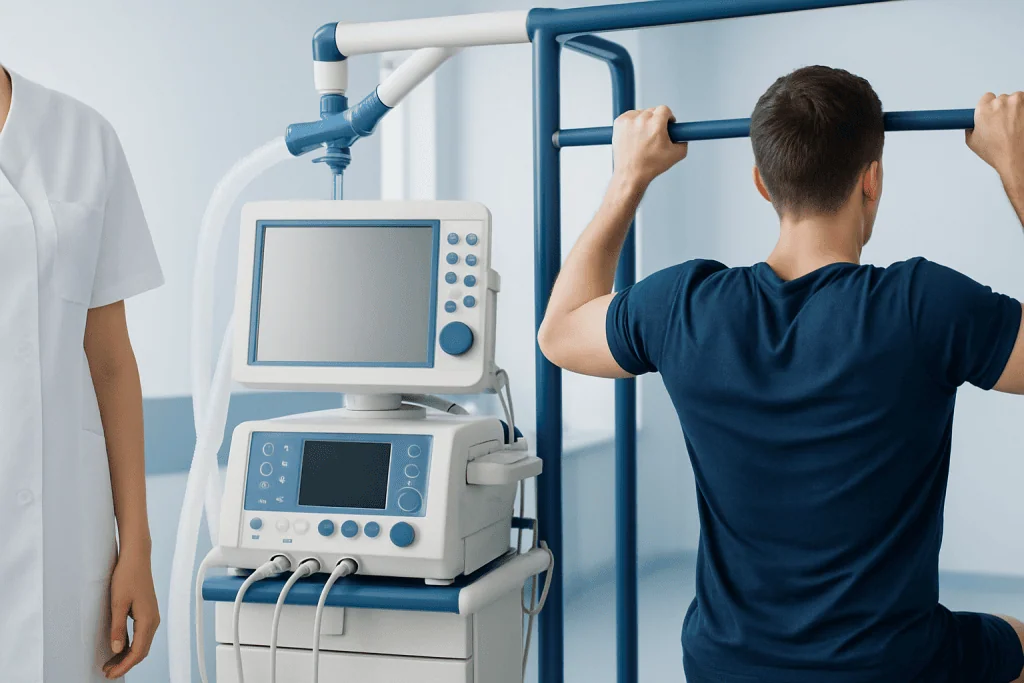
Begin by standing under a stable overhead bar and taking an overhand grip with the hands slightly wider than shoulder width. Wrap the thumbs around the bar if possible for better control. Start from a dead hang with the arms straight, but avoid collapsing into the shoulders. Instead, lightly draw the shoulders down and back, as if placing them into a stable position before the pull begins.
Next, brace the abdomen and keep the ribs from flaring. The legs can stay straight or slightly bent, but the body should remain relatively still. Pull by driving the elbows down toward the ribs rather than thinking only about lifting the chin. This often helps people recruit the back muscles more effectively and avoid straining the neck.
Continue pulling until the chin passes the bar or as high as can be achieved with clean form. Then lower slowly to the starting position. The lowering phase is important; a controlled descent helps build strength and can reduce the risk of losing shoulder position. Breathing should stay steady, with many people finding it helpful to exhale during the upward phase and inhale on the way down.
- Start from a stable dead hang.
- Engage the shoulders before pulling.
- Keep the neck neutral rather than reaching the chin forward.
- Pull the elbows down and back.
- Lower under control instead of dropping.
Common mistakes and why they matter

One common error is using too much momentum. Swinging, kicking, or jerking upward may help the body clear the bar, but it often shifts load away from controlled pulling strength and can place extra stress on the shoulders and elbows. In sports training, some dynamic bar movements have a specific purpose, but they are different from a strict pullup and should not be confused with a basic strength progression.
Another mistake is shrugging the shoulders toward the ears. This position can reduce shoulder stability and make the movement feel less efficient. Overextending the lower back, flaring the ribs, or reaching the chin aggressively toward the bar can also create unnecessary strain. These compensations often appear when the body is trying to “find” range of motion that the pulling muscles cannot yet support.
Grip choice also matters. A very wide grip may look advanced, but it is not automatically better and can feel harder on the shoulders for some people. For many beginners, a moderate overhand grip is the most practical place to start. If a person regularly feels shoulder pinching, elbow pain, or repeated irritation during training, it may be worth pausing and being assessed for problems such as shoulder impingement syndrome or overuse-related tendon pain.
How to build up to a first pullup
Many people cannot do a full pullup right away, and that is common. Evidence-informed training usually emphasizes progression. Helpful starting points include dead hangs for grip endurance, active hangs for shoulder control, scapular pullups for early shoulder-blade movement, and horizontal pulling exercises such as rows. Assisted pullups with a machine or resistance band can also be useful when they allow controlled technique.
Eccentric, or lowering-only, pullups are another well-established option. In this drill, a person starts near the top position using a box or step, then lowers slowly. This can develop strength through the same movement pattern without requiring a full unassisted repetition. Over time, combining eccentric work with assisted repetitions and upper-back strengthening often improves results.
Training frequency should be realistic. Two or three well-structured sessions per week is often more sustainable than daily maximal efforts. Recovery matters because tendons and connective tissues adapt more slowly than muscles. If discomfort develops in the elbow or shoulder, temporary load modification and technique review may help. In some cases, assessment and a guided physical therapy and rehabilitation plan can support safer return to training.
- Dead hangs and active hangs
- Scapular pullups
- Rows and lat-focused pulling exercises
- Assisted pullups
- Slow eccentric pullups
- Core strengthening and grip work
What can limit pullup performance
Difficulty with pullups is not always about “not trying hard enough.” Several factors can limit performance, including insufficient pulling strength, poor shoulder mobility, low grip endurance, weak trunk control, fatigue, or an exercise program that progresses too quickly. Body size and limb length can also affect how challenging the movement feels, even in otherwise fit people.
Sometimes discomfort is the main barrier. Shoulder pain may reflect irritation of tendons, the bursa, or the joint mechanics during overhead movement. Elbow pain can occur from overuse of the forearm and biceps tendons, while wrist discomfort may relate to grip position. Neck tension and lower-back discomfort often come from compensation rather than the pullup itself.
If pain is repeated or interferes with exercise, a clinician may consider common musculoskeletal causes such as rotator cuff problems or exercise-related tendon disorders. In selected cases, imaging may be used if there is suspicion of structural injury, especially after a sudden painful event, a fall, or a pop followed by weakness.
When to seek medical care
Most people who are learning how to do a pullup do not need medical care. Mild muscle fatigue, temporary soreness after training, and gradual progress are typical. However, pain is different from effort, and persistent or sharp pain should not be ignored.
Medical review is sensible if there is shoulder, elbow, wrist, neck, or back pain that keeps returning with pullups; visible swelling; numbness or tingling; a sense that the joint is unstable; a sudden loss of strength; or pain after trauma. These red flags do not always mean a serious injury, but they do deserve proper assessment.
A doctor will usually begin with a detailed history and physical examination. They may ask when symptoms started, what movements trigger them, whether there was a specific injury, and whether weakness or night pain is present. Examination often includes checking range of motion, strength, shoulder blade movement, grip, and signs of tendon or nerve irritation. If needed, tests may include MRI or orthopedic evaluation and treatment to clarify the cause and guide care.
Prevention, self-care, and return to training
Preventing pullup-related problems usually starts with load management. A person is less likely to develop overuse symptoms when repetitions, training volume, and difficulty increase gradually. Warming up the shoulders, upper back, and wrists before training may improve comfort and movement quality, especially for overhead exercises.
Technique review is also important. If the body swings excessively, the neck juts forward, or the shoulders repeatedly shrug, it may help to reduce the challenge level and rebuild the pattern with assistance. Rest days are part of training, not a setback. Sleep, general conditioning, and balanced upper-body strength all support safer progress.
If symptoms appear, it is often wise to stop painful repetitions and switch temporarily to exercises that do not provoke symptoms. Returning to pullups should be gradual and based on comfort, control, and strength rather than urgency. Near the end of the care pathway, some international patients may choose centers such as Acibadem International, where multidisciplinary specialists in JCI-accredited hospitals evaluate and treat exercise-related shoulder and upper-limb problems.
What good progress looks like over time
Progress in pullups is rarely perfectly linear. Some people improve grip first, others gain better shoulder control before they can complete a full repetition. This is normal. Useful signs of improvement include a longer active hang, smoother assisted repetitions, slower and more controlled eccentric lowering, less body swing, and better recovery after sessions.
It can help to focus on movement quality rather than only counting repetitions. A single strict, pain-free pullup is often more meaningful than multiple uncontrolled ones. For people with a history of shoulder problems, long-term success may mean finding a version of overhead pulling that is comfortable and sustainable, even if the classic pullup remains challenging.
Overall, the safest answer to how to do a pullup is to use a stable setup, controlled form, and progressive training. If symptoms such as pain, weakness, or repeated strain become part of the picture, a qualified clinician can help identify the cause and suggest the right next steps.
Frequently asked questions
What is the correct way to start a pullup?
The movement usually starts from a dead hang on a stable bar with an overhand grip. Before pulling up, the shoulders are gently engaged downward and the trunk is braced to create a controlled starting position.
Is it normal to be unable to do a pullup at first?
Yes. Many healthy people cannot perform a full strict pullup when they first begin. Building the necessary back, arm, grip, and core strength often takes time and progressive training.
Are chin-ups and pullups the same?
They are similar but not identical. A pullup usually uses an overhand grip, while a chin-up usually uses an underhand grip, which can feel easier for some people because it changes arm and shoulder involvement.
Should a pullup cause shoulder pain?
No. Muscle effort and fatigue are expected, but sharp, pinching, or persistent shoulder pain is not considered normal. If pain keeps returning, it is sensible to stop painful repetitions and seek medical advice.
Do resistance bands help with learning pullups?
They can help when used thoughtfully. Band-assisted pullups may allow practice of the movement pattern, but the goal is still controlled form and gradual reduction of assistance over time.
How often should someone practice pullups?
Many people do well with two or three focused sessions per week. This usually provides time for recovery while allowing regular practice of strength and technique.
References
- American College of Sports Medicine
- National Institute of Arthritis and Musculoskeletal and Skin Diseases
- American Academy of Orthopaedic Surgeons
- National Strength and Conditioning Association
This article is for general information only and is not a substitute for professional medical advice. Please consult a qualified doctor about your individual situation.
Joint and spine care in Turkey — expert assessment & treatment
JCI-accredited · board-certified surgeons · reply within 24h
Add us as a Preferred Source to see more of our trusted health content across Google Search, AI Overviews and Discover.