How to Get Rid of Hiccups? Causes, Explanations, and Next Steps

Hiccups are sudden, involuntary contractions of the diaphragm followed by closure of the vocal cords. Most short-lived hiccups are harmless and may improve with simple measures such as slow breathing, sipping water, or pausing carbonated drinks.
Key Takeaways
- Hiccups are sudden, involuntary contractions of the diaphragm followed by closure of the vocal cords.
- Most short-lived hiccups are harmless and may improve with simple measures such as slow breathing, sipping water, or pausing carbonated drinks.
- Common triggers include eating too quickly, a distended stomach, alcohol, stress, and sudden temperature changes.
- Hiccups lasting more than 48 hours can sometimes signal an underlying digestive, nerve, chest, or metabolic problem.
- Medical care is important if hiccups persist, disturb sleep or eating, or occur with chest pain, vomiting, weakness, or trouble breathing.
Most hiccups are harmless and go away within minutes to hours without treatment. Simple breathing or swallowing techniques may help, but hiccups that last longer than 48 hours or come with other symptoms should be assessed by a doctor.
Overview: what helps hiccups most often
For most people asking how to get rid of hiccups, the reassuring answer is that hiccups are usually short-lived and harmless. They often settle on their own, and simple measures such as slow controlled breathing, sipping cold water, swallowing carefully, or taking a brief break from eating and drinking may help the spasm pass.
Hiccups happen when the diaphragm, the main breathing muscle under the lungs, contracts suddenly and involuntarily. A quick closure of the vocal cords follows, creating the familiar “hic” sound. This reflex can be triggered by something as simple as a full stomach, fizzy drinks, excitement, or irritation of nerves involved in breathing.
Although occasional hiccups are common, hiccups that keep returning or last longer than 48 hours deserve medical review. In those situations, the focus shifts from home relief to looking for a cause, especially if the hiccups interfere with sleep, meals, hydration, or daily life.
What hiccups feel like and when they matter
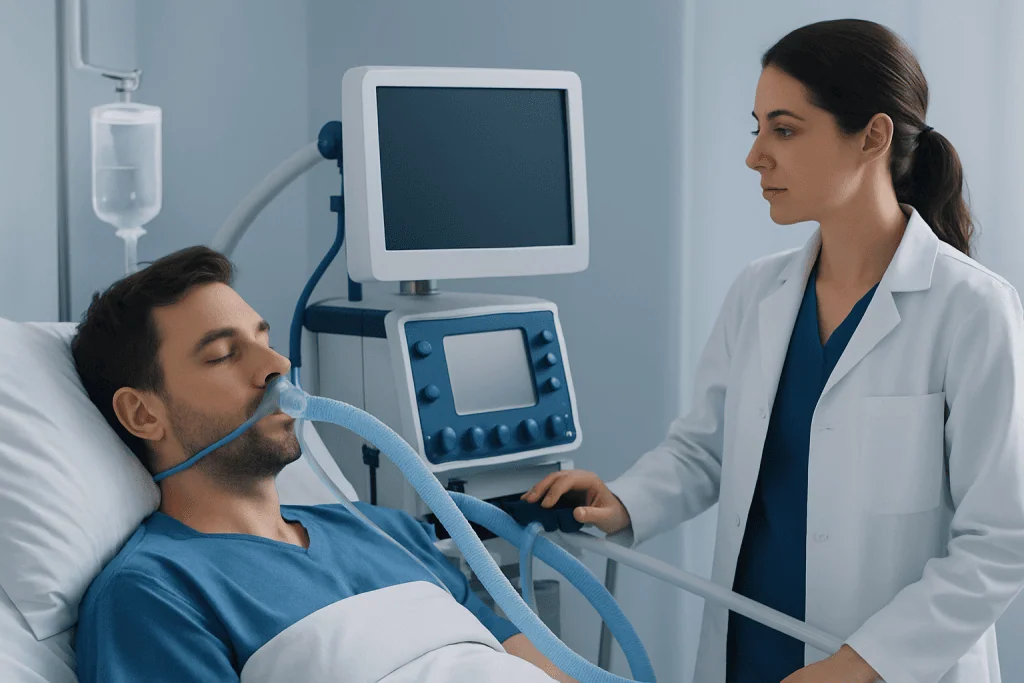
The main symptom is a repeated, sudden “hic” sound caused by brief diaphragm spasms. Some people also notice a small jerk in the chest, throat, or upper abdomen. During a short episode, hiccups may be more annoying than painful, but frequent spasms can make speaking, eating, or concentrating more difficult.
Short episodes are very common after eating too much or too fast. In many cases, there are no warning signs and the hiccups simply stop. The pattern changes, however, when the hiccups persist for hours, wake a person from sleep, lead to poor appetite, or make it hard to drink enough fluids.
Doctors often describe hiccups by duration. Acute hiccups usually last less than 48 hours. Persistent hiccups last more than 48 hours, and intractable hiccups may continue for a month or longer. The longer they last, the more likely it is that a doctor will check for an underlying digestive, nerve-related, chest, or metabolic problem.
Common causes and triggers

Many hiccups begin with everyday triggers that stretch or irritate the stomach or diaphragm. Common examples include eating quickly, swallowing air, overeating, drinking carbonated beverages, or drinking alcohol. Very hot or very cold foods and sudden temperature changes can also trigger an episode in some people.
Emotional stress, excitement, and fatigue may also play a role. In these cases, the hiccup reflex may be briefly activated by changes in breathing pattern or nerve sensitivity. Some medicines can contribute as well, especially if they affect the nervous system or irritate the stomach.
When hiccups do not go away, doctors think more broadly about possible causes. These can include acid reflux, inflammation in the stomach or esophagus, chest infections, irritation near the diaphragm, kidney problems, electrolyte imbalances, or conditions affecting the brain or nerves. Persistent hiccups can sometimes be related to gastroesophageal reflux disease or other upper digestive conditions.
- Eating too fast or too much
- Carbonated drinks or alcohol
- Stress, excitement, or fatigue
- Acid reflux or stomach irritation
- Chest, nerve, or brain-related conditions
- Medication side effects or metabolic imbalance
How to get rid of hiccups at home
Home techniques aim to interrupt the hiccup reflex by changing breathing, swallowing, or diaphragm activity. No single method works for everyone, and many common strategies have limited formal research, but several are safe for otherwise healthy adults when done gently. If symptoms are severe, prolonged, or occur in a child, pregnant person, older adult, or someone with a serious medical condition, it is sensible to ask a clinician for personalized advice.
Often-helpful approaches include slowing the breathing rate, taking small sips of cold water, swallowing a few times in a row, or briefly holding the breath for a comfortable moment. Sitting upright, relaxing the shoulders, and pausing meals can also help. If hiccups began after eating, avoiding another large meal right away may reduce ongoing stomach distension.
It is best to avoid forceful or unsafe tricks. Swallowing large objects, drinking excessive amounts of water quickly, or performing strong breath-holding maneuvers can cause choking, dizziness, or discomfort. If frequent hiccups seem linked to heartburn, reducing late meals, spicy foods, and carbonated drinks may help while waiting for medical advice. People with repeated reflux symptoms may eventually need assessment and care such as acid reflux treatment.
- Breathe slowly and steadily for several cycles
- Sip cold water in small amounts
- Swallow gently a few times in succession
- Stop eating for a short period and sit upright
- Avoid alcohol, fizzy drinks, and very large meals until the episode settles
When to seek medical care
Most hiccups do not need urgent treatment, but there are clear situations where medical review is important. A person should contact a doctor if hiccups last longer than 48 hours, keep coming back, or make it hard to sleep, eat, or drink. Ongoing hiccups can lead to exhaustion, dehydration, weight loss, or worsening of another condition.
Urgent medical attention is needed if hiccups occur with chest pain, shortness of breath, repeated vomiting, severe abdominal pain, coughing up blood, new weakness, confusion, difficulty speaking, or sudden severe headache. These symptoms do not mean hiccups are dangerous on their own, but they can point to a more serious problem that should be assessed promptly.
It is also wise to seek advice if hiccups start after surgery, follow a new medication, or occur in someone with known neurological, chest, digestive, or kidney disease. In children or frail adults, even shorter periods of persistent hiccups may matter if feeding, hydration, or sleep are affected.
How doctors find the cause
Medical evaluation usually begins with a careful history. A doctor will ask when the hiccups started, how often they happen, whether they occur after meals, and what other symptoms are present. Questions often cover heartburn, nausea, recent illness, medications, alcohol use, sleep disturbance, and any history of neurological or digestive disease.
A physical examination may include listening to the chest, checking the abdomen, and assessing the nervous system. Depending on the situation, tests may be ordered to look for infection, inflammation, metabolic imbalance, or organ-related causes. Blood tests, a chest X-ray, or other imaging can be useful if symptoms suggest a problem in the chest, abdomen, or nervous system.
If reflux, swallowing difficulty, or upper digestive symptoms are prominent, doctors may consider evaluation of the esophagus and stomach. That can sometimes include tests used in gastroenterology care or an upper endoscopy. If there are signs of a neurological cause, assessment may extend to imaging and specialist review, including evaluation for conditions such as brain tumor when clinically appropriate, though this is uncommon.
Treatment options for persistent hiccups
Treatment depends on the cause. If an underlying trigger is found, the first step is to address it. That may mean managing reflux, treating an infection, correcting dehydration or electrolyte imbalance, reviewing medications, or treating a chest or neurological condition. When the cause is controlled, the hiccups often improve as well.
If no immediate cause is clear and hiccups are persistent, a doctor may prescribe medication that acts on the hiccup reflex. The choice depends on the person’s age, symptoms, other health conditions, and possible side effects. Because these medicines are not suitable for everyone, they should be used under medical supervision rather than self-prescribed.
In selected cases, specialist treatment may be needed, especially when hiccups are linked to digestive disease, chest conditions, or rare nerve-related problems. For example, persistent reflux symptoms may lead to further assessment, and in uncommon situations treatment such as endoscopy may help clarify the diagnosis. Near the end of the care pathway, multidisciplinary specialists at Acibadem International and its JCI-accredited hospitals also evaluate and treat persistent hiccups for international patients when an underlying cause is suspected.
Prevention and self-care between episodes
Preventing hiccups is not always possible, but some habits can reduce the chance of repeat episodes. Eating slowly, chewing well, and avoiding very large meals may help limit stomach distension. Reducing carbonated drinks and alcohol can also be useful, particularly for people who notice a clear pattern after drinking them.
If hiccups seem related to reflux or indigestion, practical steps include staying upright after meals, avoiding lying down soon after eating, and limiting foods that commonly trigger heartburn. Managing stress, sleeping well, and keeping regular meals may also help people who notice hiccups during periods of fatigue or tension.
A symptom diary can be helpful when hiccups recur. Recording timing, foods, drinks, medications, and associated symptoms gives a doctor useful clues and may reveal patterns that are easy to miss. Persistent or disruptive hiccups should not be managed by trial and error alone; professional evaluation is the safest next step.
Frequently asked questions
What is the fastest way to get rid of hiccups?
There is no single method that works instantly for everyone, but many short episodes improve with slow controlled breathing, small sips of cold water, or a brief pause in eating and drinking. Most hiccups stop on their own within a short time.
Why do hiccups happen after eating?
Hiccups after eating are often related to a stretched stomach, swallowed air, or irritation of the diaphragm. Eating quickly, overeating, spicy foods, alcohol, and carbonated drinks can all trigger them.
Are hiccups ever a sign of something serious?
Most hiccups are harmless, especially if they last only minutes or a few hours. They may need medical review if they continue for more than 48 hours, keep returning, or occur with symptoms such as chest pain, vomiting, weakness, or trouble breathing.
Can acid reflux cause hiccups?
Yes. Acid reflux can irritate the esophagus and nearby nerves, which may trigger recurring hiccups in some people. If hiccups come with heartburn, sour taste, or regurgitation, a doctor may check for reflux-related causes.
Should a person worry about hiccups during sleep?
Hiccups that regularly disrupt sleep deserve attention, especially if they continue beyond 48 hours. Sleep disturbance can be a sign that the episode is persistent rather than a brief everyday trigger.
How do doctors treat hiccups that will not stop?
Doctors first look for an underlying cause such as reflux, infection, medication effects, or a metabolic problem. Treatment may involve correcting that cause and, if needed, prescribing medication to reduce the hiccup reflex.
References
- National Institute of Diabetes and Digestive and Kidney Diseases
- National Institute of Neurological Disorders and Stroke
- Merck Manual Consumer Version
- Mayo Clinic
- Cleveland Clinic
This article is for general information only and is not a substitute for professional medical advice. Please consult a qualified doctor about your individual situation.
Explore treatments in Turkey — costs, top hospitals & a free quote
JCI-accredited · board-certified surgeons · reply within 24h
Add us as a Preferred Source to see more of our trusted health content across Google Search, AI Overviews and Discover.