How to Measure Body Fat? Here Is What the Evidence Says

No single method measures body fat perfectly in every person. Waist circumference is one of the most practical ways to estimate health risk from excess body fat.
Key Takeaways
- No single method measures body fat perfectly in every person.
- Waist circumference is one of the most practical ways to estimate health risk from excess body fat.
- BMI can be useful for screening, but it does not directly measure body fat percentage.
- DEXA, air displacement, and similar clinical tools can estimate body composition more precisely than home methods.
- Rapid unexplained weight or body shape changes should be reviewed by a doctor.
For most people, checking body fat is not urgent or medically necessary, and simple measures such as waist circumference often give useful health information. When body composition needs a closer look, evidence supports using the right tool for the right purpose, from home estimates to clinical tests.
Overview: what body fat measurement can and cannot tell you
People often ask how to measure body fat because weight alone does not show how much of the body is fat, muscle, bone, or water. In many cases, measuring body fat is about understanding general health risk rather than judging appearance. For most healthy adults, this is not an urgent issue, and small day-to-day changes are usually harmless.
The evidence shows that different methods answer slightly different questions. Some tools estimate total body fat percentage, while others focus on where fat is carried, especially around the abdomen. This distinction matters because fat stored around internal organs is more strongly linked with health conditions such as obesity, type 2 diabetes, and metabolic syndrome.
There is no single “best” method for everyone. A tape measure around the waist may be the most useful choice for routine health screening, while body fat percentage tests can be helpful for athletes, older adults, or people in medical weight management. The most accurate approach depends on the person’s goals, body type, age, and whether the result will change clinical care.
The main ways to measure body fat
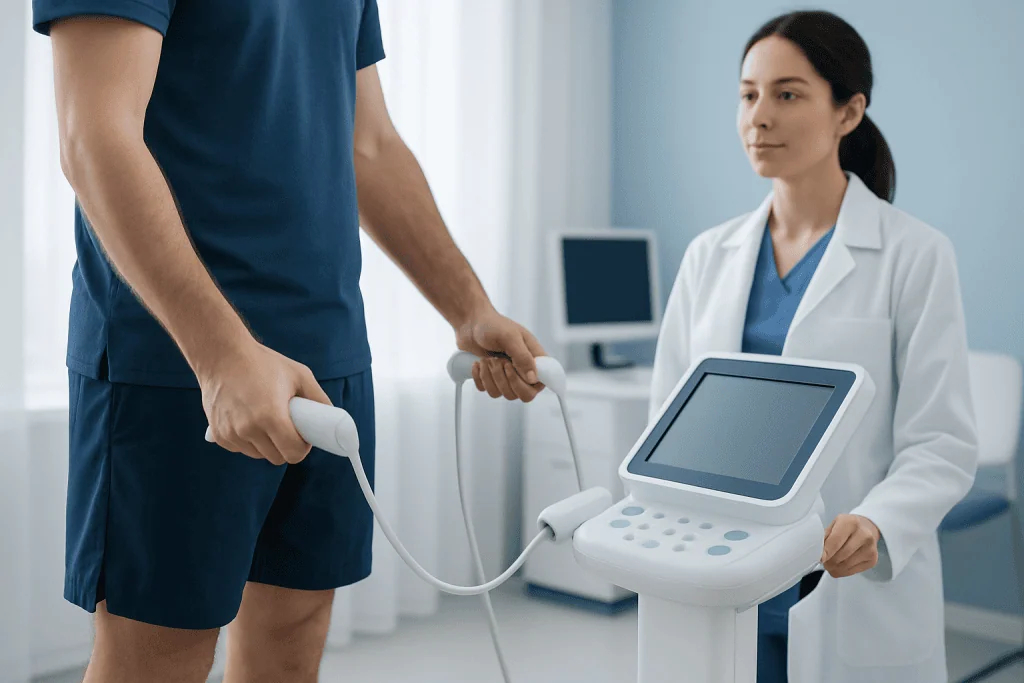
Body fat can be estimated at home, in a gym, or in a medical setting. Home scales and handheld devices often use bioelectrical impedance analysis, sometimes called BIA. Skinfold calipers estimate body fat by measuring fat under the skin at specific body sites. Clinical methods may include dual-energy X-ray absorptiometry, usually called DEXA, air displacement plethysmography, and less commonly hydrostatic weighing.
Another practical approach is not to measure body fat percentage at all, but to assess body fat distribution. Waist circumference and waist-to-height ratio are simple tools that help estimate abdominal fat. These are often more informative for health risk than body weight alone, especially in people whose body mass index, or BMI, does not reflect their muscle mass or body frame.
Each method has strengths and limitations. Some are convenient but less precise, while others are more precise but less available, more expensive, or affected by factors such as hydration, recent exercise, or technical skill. This is why results are best interpreted as estimates rather than exact facts.
- Simple screening: waist circumference, BMI, waist-to-height ratio
- Home estimation: BIA scales, handheld devices
- Operator-dependent methods: skinfold calipers
- Clinical body composition testing: DEXA, air displacement, hydrostatic weighing
What the evidence says about common methods

BMI is widely used because it is quick and inexpensive, but it does not directly measure body fat. A person with high muscle mass may have a BMI in the overweight range without excess body fat, while another person may have a “normal” BMI but a higher amount of abdominal fat. BMI is best viewed as a screening tool, not a diagnosis.
Waist circumference has strong evidence behind it because it reflects central fat distribution, which is closely tied to cardiometabolic risk. For many adults, it is one of the most useful measurements to track over time. It is simple, inexpensive, and more meaningful than body fat percentage alone when the goal is to understand health risk.
BIA devices are easy to use, but their accuracy varies. Hydration, meals, alcohol, menstrual cycle changes, skin temperature, and exercise can all affect the result. These tools can still be useful for following trends if measurements are taken under the same conditions each time, but a single reading should not be overinterpreted.
DEXA is often considered one of the better clinical methods for estimating body composition because it can separate fat mass, lean mass, and bone mass across different body regions. Even so, DEXA is still an estimate rather than a direct chemical measurement, and results can differ between machines and software. It is often used when a more detailed evaluation would be clinically helpful, such as during medical weight management or specialist assessment.
How to measure body fat at home in a useful way
If the goal is practical self-monitoring, the most evidence-based home approach is usually a combination of weight, waist circumference, and how clothing fits over time. Measuring the waist can help show changes in abdominal fat, even when the scale changes only a little. For many people, this is more helpful than chasing exact body fat percentages.
To measure waist circumference, the tape should be placed around the abdomen at a consistent anatomical point, usually around the midpoint between the lower rib and the top of the hip bone, or according to the specific guidance used by a clinician. The tape should be snug but not compress the skin, and the measurement should be taken after a normal exhalation. Using the same method each time matters more than comparing one-off numbers from different techniques.
If a home BIA scale is used, it helps to measure under similar conditions each time, such as in the morning before eating and after using the bathroom. This reduces day-to-day variation from fluid shifts. Skinfold calipers may be accurate in experienced hands, but self-measurement is often difficult and less reliable.
- Measure at the same time of day
- Use the same tape measure or device
- Track trends over weeks, not day-to-day fluctuations
- Combine body composition estimates with blood pressure, activity level, and general health goals
When body fat results may be misleading
Body fat estimates can be harder to interpret in some groups. Athletes, older adults, very short or very tall people, and people with significant fluid retention may not fit standard formulas well. Pregnancy and certain medical conditions can also affect which methods are appropriate or how results should be understood.
Hydration status is one of the biggest reasons for changing readings on BIA devices. Drinking a lot of fluid, exercising intensely, sweating, or being unwell can alter the estimate without any real change in body fat. Similarly, recent illness, changes in medication, and body composition changes during aging can make simple tools less precise.
Results should also be interpreted in context. A single body fat percentage does not diagnose disease on its own. Doctors usually consider other information too, such as family history, blood pressure, blood sugar, cholesterol, liver health, sleep symptoms, physical activity, and signs of hormone imbalance.
When body composition seems out of proportion to weight or symptoms, a clinician may look for related concerns such as insulin resistance, thyroid problems, or sleep-disordered breathing. In selected cases, a broader review that includes endocrinology and metabolic evaluation can help explain why body composition is changing.
How doctors assess body fat and related health risk
In medical care, body fat is usually assessed as part of a wider metabolic picture. A doctor may start with weight, height, BMI, waist circumference, blood pressure, and a discussion of diet, exercise, sleep, and medications. The aim is not only to estimate body fat, but also to understand whether it is affecting health.
If there are symptoms or risk factors, blood tests may be recommended to check glucose, cholesterol, liver function, thyroid function, or other markers. In some people, additional testing is more useful than a body fat percentage because it shows whether excess body fat is causing complications. This is especially true when screening for conditions linked with abdominal fat.
More detailed body composition tests may be used if they will guide treatment. DEXA can help estimate regional fat and lean mass, while other imaging methods may be used for specific questions. If obesity-related problems are present, care may involve nutrition, exercise medicine, endocrinology, and sometimes bariatric surgery when appropriate and recommended by specialists.
When to seek medical care
Most people who want to know how to measure body fat do not need urgent medical care. It is common to be curious about body composition during lifestyle changes, training, aging, or recovery after illness. In many cases, simple tracking at home is enough.
Medical review is worth seeking if body shape or weight changes quickly without a clear reason, if there is increasing waist size along with fatigue or high blood pressure, or if symptoms suggest a related condition. Examples include excessive thirst, frequent urination, snoring with daytime sleepiness, shortness of breath with usual activity, menstrual changes, or signs of hormone imbalance.
A person should also speak with a doctor if they have a strong family history of diabetes, heart disease, or severe obesity, or if they are unsure how to interpret body composition readings. Specialists at Acibadem International, including multidisciplinary teams in JCI-accredited hospitals, assess body composition and related metabolic health for international patients when a more detailed evaluation is needed.
Frequently asked questions
What is the most accurate way to measure body fat?
No method is perfect in every situation. In clinical practice, DEXA is often used when a more detailed estimate of body composition is needed, but it still provides an estimate rather than an absolute value. For everyday health screening, waist circumference is often one of the most useful measurements.
Is BMI a good way to measure body fat?
BMI is useful for screening, but it does not directly measure body fat. It can miss important differences between fat and muscle, and it does not show where fat is stored. That is why doctors often combine BMI with waist measurement and other health markers.
Are body fat scales accurate?
Body fat scales can give a rough estimate, but readings may vary with hydration, meals, exercise, and other daily factors. They are usually better for tracking trends over time than for relying on one isolated number. Using the scale under the same conditions each time can improve consistency.
How can body fat be measured at home without special equipment?
A tape measure around the waist is one of the simplest and most practical options. Tracking weight, waist size, and how clothing fits over several weeks can provide useful information about changes in body composition. This approach is often more meaningful than trying to calculate an exact body fat percentage.
Why does body fat percentage matter more than weight for some people?
Two people can weigh the same but have very different amounts of fat and muscle. Body fat distribution, especially around the abdomen, is linked to health risks such as diabetes and heart disease. This is why body composition can sometimes provide more useful health information than the scale alone.
When should someone talk to a doctor about body fat or body composition?
A doctor should be consulted if there is rapid unexplained weight or waist change, or if body composition concerns come with symptoms such as fatigue, excessive thirst, snoring, or shortness of breath. Medical advice is also helpful for people with a strong family history of metabolic disease. A clinician can assess whether further testing is needed.
References
- World Health Organization
- Centers for Disease Control and Prevention
- National Institutes of Health
- American Heart Association
- National Institute of Diabetes and Digestive and Kidney Diseases
This article is for general information only and is not a substitute for professional medical advice. Please consult a qualified doctor about your individual situation.
Medical weight-loss options in Turkey — costs & eligibility
JCI-accredited · board-certified surgeons · reply within 24h
Add us as a Preferred Source to see more of our trusted health content across Google Search, AI Overviews and Discover.
Check your numbers in seconds
BMI, calories, due date, blood pressure and 30+ more clinical calculators — free, instant, doctor-reviewed ranges.

More from the Health Library



Related Specialists

Prof. Dr. Alper Kaya
Orthopedic Surgery & Traumatology
Dr. Özgür Bolat
Anesthesiology
Prof. Dr. Yavuz Atar
Otorhinolaryngology
Assoc. Prof. Dr. Elif Ganime Aygün
Gynecology & Obstetrics