How to Remove Lice? A Doctor-Reviewed Answer
Head lice are common and usually not dangerous, but they do require thorough treatment. The most effective approach combines a recommended lice treatment with repeated wet combing to remove lice and nits.
Key Takeaways
- Head lice are common and usually not dangerous, but they do require thorough treatment.
- The most effective approach combines a recommended lice treatment with repeated wet combing to remove lice and nits.
- A doctor may confirm the diagnosis by finding a live louse and checking for skin irritation or secondary infection.
- Medical care is important if the scalp is very inflamed, symptoms continue after treatment, or the person is very young, pregnant, or has sensitive skin.
- Cleaning recently used personal items can help reduce reinfestation, but extensive home decontamination is usually unnecessary.
How to remove lice usually starts with a proven lice treatment and careful nit combing. Head lice are common and often harmless, but persistent itching, scalp irritation, or treatment failure may need medical review.
Overview: how to remove lice safely
How to remove lice usually involves two steps: using an appropriate lice treatment on the scalp and hair, then combing carefully with a fine-toothed nit comb to remove live lice and eggs. Head lice are very common, especially in school-aged children, and they are usually more bothersome than medically serious.
Many people feel distressed when they discover lice, but reassurance is important. Lice do not mean poor hygiene, and they do not usually spread disease. The main problem is itching, irritation, and the chance that eggs left on the hair may hatch and continue the infestation.
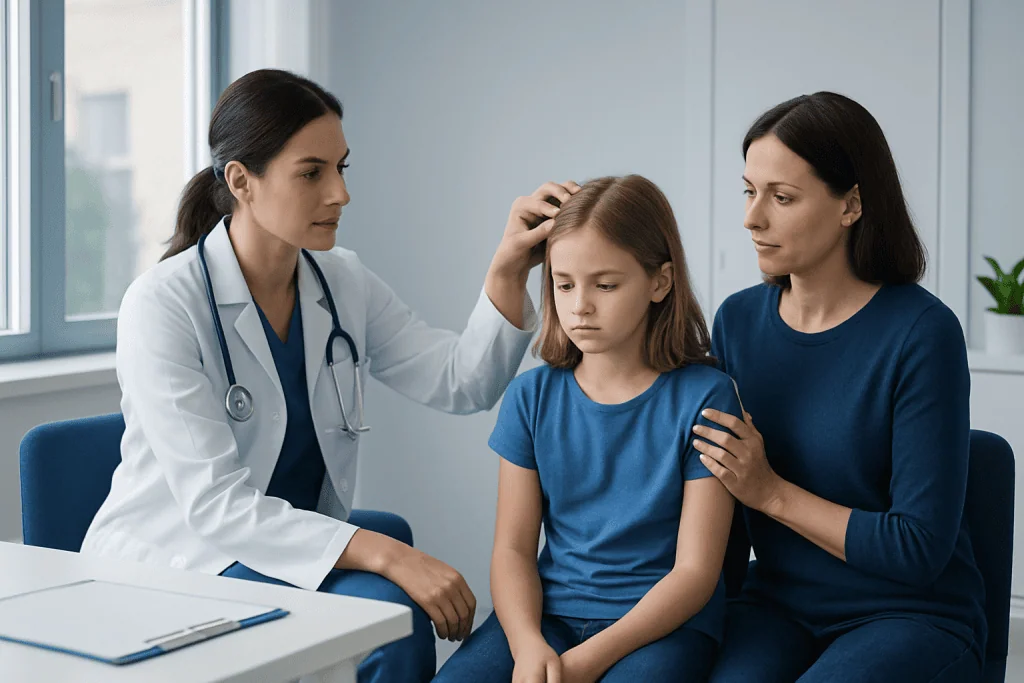
It is also helpful to know when the situation needs medical input. A doctor should review severe scalp redness, crusting, swelling, signs of infection, eye or eyebrow involvement, repeated treatment failure, or uncertainty about whether the problem is truly lice. In clinical practice, the diagnosis is confirmed by examining the scalp and hair closely and, ideally, identifying a live louse rather than relying on itching alone.
What lice are and how they spread
Head lice are tiny insects that live on the scalp and feed on small amounts of blood. They lay eggs, called nits, which attach firmly to the hair shaft close to the scalp. Nits can look like dandruff, but unlike dandruff they are difficult to slide off the hair.
Lice spread mainly through direct head-to-head contact. This is why they are common among children who play closely together. Less often, they can spread through sharing items that touch the head, such as hats, hairbrushes, hair accessories, scarves, headphones, or pillowcases.
Pets do not spread human head lice. Lice also do not jump or fly; they crawl. Understanding this can help families focus on practical steps rather than excessive cleaning or unnecessary worry.
If there is uncertainty about whether scalp symptoms are caused by lice or another condition, a doctor may also consider common alternatives such as dandruff, eczema, psoriasis, or irritation from hair products. In some cases, symptoms overlap with other skin conditions that affect the scalp.
Signs and symptoms to look for
The most common symptom is itching of the scalp, especially behind the ears and at the back of the neck. This itching happens because the skin reacts to louse bites. Some people itch a lot, while others may have few or no symptoms at first.
Another sign is seeing moving lice in the hair or spotting nits attached near the scalp. Live lice are often difficult to find because they move quickly and avoid light. Nits are easier to see, but old empty egg cases can remain in the hair even after the infestation has been treated.
Scratching may lead to small sores, irritation, or crusting. If the scalp becomes very tender, swollen, or starts oozing, this may suggest a secondary bacterial infection and should be assessed by a doctor.
- Itching of the scalp, neck, or ears
- A tickling sensation in the hair
- Visible lice or attached nits
- Scratch marks or mild scalp irritation
- Sleep disturbance in some children due to itching
Step-by-step treatment at home
For most people, the best answer to how to remove lice is to use a recommended topical lice treatment exactly as directed, then comb the hair methodically. Over-the-counter or prescription products may be used depending on age, local availability, previous treatment history, and whether resistance is suspected. A healthcare professional can advise if there is any doubt.
Wet combing is an important part of treatment. After applying treatment as instructed, the hair is usually divided into small sections and combed from the scalp outward using a fine nit comb. This helps remove live lice and attached eggs. Repeating combing every few days for about two weeks can improve the chance of success.
Many treatments require a second application after a set interval because some products do not kill all eggs. Following the product instructions closely matters. If treatment is used too early, too late, or not at all, surviving lice may continue the infestation.
If home treatment does not work, a doctor may recommend stronger or alternative options, including dermatology treatment for scalp assessment and prescription therapies. In selected situations, a specialist may also check for skin irritation that needs separate care.
What to clean, what to avoid, and common mistakes
Only simple environmental cleaning is usually needed. Washing recently used hats, pillowcases, scarves, and hair accessories in hot water or sealing non-washable items in a bag for a period of time can be reasonable. Combs and brushes should be cleaned thoroughly. Extensive deep cleaning of the entire home is generally not necessary.
It is wise to check close household contacts and treat only those with confirmed lice. Finding nits alone does not always mean active infestation, so ideally a live louse should be identified before treatment. Schools and families often benefit from a calm, organized approach rather than repeated treatments without confirmation.
Some home remedies are popular online, but not all are safe or effective. Products such as gasoline, kerosene, or harsh chemicals should never be used. Essential oils and occlusive substances may irritate the scalp, especially in children, and should only be considered with appropriate caution and medical guidance.
- Do not share combs, brushes, hats, or hair accessories during treatment
- Do not use extra amounts of medication in hopes of faster results
- Do not repeat treatment more often than directed
- Do not assume every itchy scalp is lice
How a doctor confirms the diagnosis
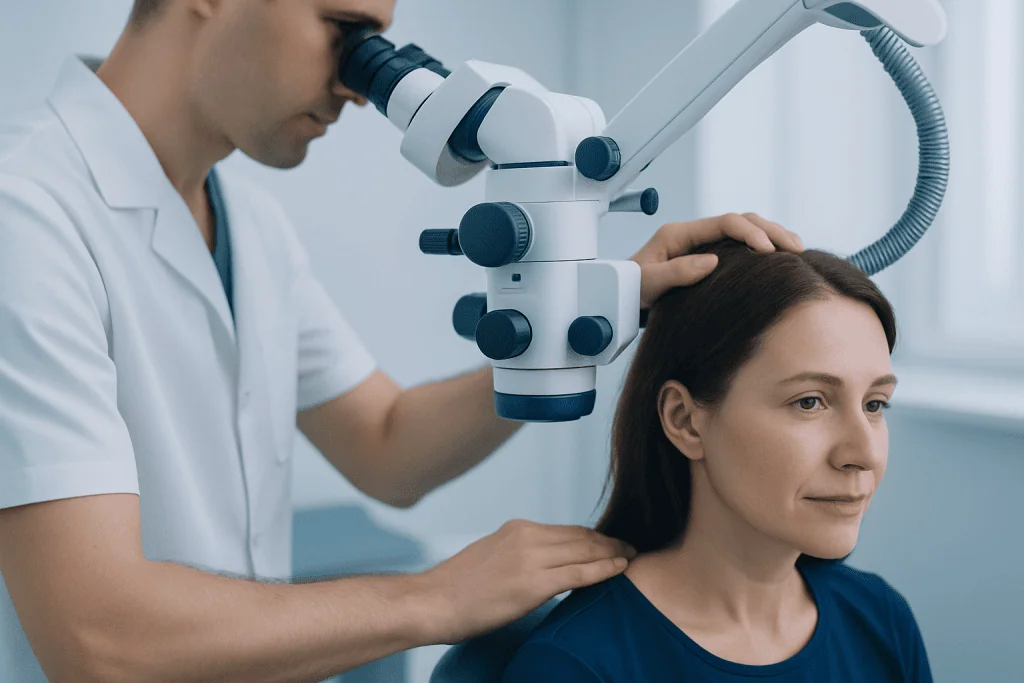
Doctors usually diagnose head lice by examining the scalp and hair under bright light, sometimes using a magnifier or fine comb. The clearest confirmation is finding a live louse. This is important because nits may remain after successful treatment, and several scalp disorders can mimic lice.
During the visit, the doctor may ask when itching started, whether anyone else in the household has symptoms, which products have already been used, and whether the person has sensitive skin, allergies, eczema, or recent scalp irritation. This helps guide safe treatment choices.
If there are signs of infection, significant inflammation, or a rash beyond the scalp, the doctor may consider additional causes or complications. In some patients, especially those with persistent skin symptoms, further evaluation in dermatology may be helpful to rule out other scalp disorders and manage irritation from scratching or prior treatments.
When to seek medical care
Medical care is appropriate if symptoms continue after correctly used treatment, if no live lice are found but itching is severe, or if the scalp becomes painful, swollen, crusted, or starts to ooze. A doctor should also be consulted for infants, people with very sensitive skin, pregnant individuals, or anyone with a history of reactions to topical products.
Professional review is also helpful when there is repeated reinfestation in a household, uncertainty about how to apply treatment, or concern that the problem may be something other than head lice. Prompt assessment can prevent unnecessary repeat treatments and identify other scalp conditions.
In more complex cases, multidisciplinary specialists at Acibadem International and its JCI-accredited hospitals evaluate and treat scalp and skin conditions for international patients. If symptoms are not straightforward, a broader review may help distinguish lice from other causes of scalp itching, including eczema.
Prevention and practical self-care
Preventing head lice starts with reducing direct head-to-head contact when possible and avoiding shared items that touch the hair. Children can be reminded not to share hats, brushes, helmets, or hair accessories. Long hair may be tied back during school or group activities, although this does not guarantee prevention.
Regular scalp checks can be useful if there is a known exposure at school or at home. Looking closely behind the ears and at the nape of the neck may help detect lice early. Early detection often means simpler treatment and less spread to others.
After treatment, follow-up combing and checking the hair over the next one to two weeks are sensible. This helps confirm that lice have been cleared and that any remaining nits are old rather than newly laid. If live lice are still seen after proper treatment, the person should speak with a doctor before repeating or changing products.
Most importantly, families should approach lice with patience rather than blame. With correct treatment, careful combing, and practical hygiene steps, head lice can usually be cleared successfully.
Frequently asked questions
What is the fastest way to remove lice?
The quickest reliable approach is usually a proven lice treatment combined with thorough nit combing. Treatment alone may miss some eggs, so careful combing and a follow-up check are important for full clearance.
Can lice go away without treatment?
In some cases, lice may persist for a long time if they are not treated because they continue to reproduce on the scalp. Even if symptoms are mild, treatment is usually recommended to stop the infestation and reduce spread to others.
Do I need to wash the whole house if someone has lice?
Usually not. Basic cleaning of recently used personal items and bedding is enough in most situations. Extensive deep cleaning, spraying, or fumigation is generally unnecessary.
How do I know if nits are dead or alive?
It can be difficult to tell at home. Nits close to the scalp may be more likely to be viable, while empty egg cases may remain farther down the hair shaft after treatment. A doctor or experienced clinician can help if there is uncertainty.
Should everyone in the family be treated?
Only people with confirmed lice usually need treatment. Household members and close contacts should be checked carefully, and treatment should be based on finding live lice rather than itching alone whenever possible.
When should I see a doctor for lice?
Medical review is recommended if treatment does not work, if the scalp looks infected, or if the person is very young, pregnant, or has sensitive skin. A doctor can confirm the diagnosis, look for complications, and suggest safer or more effective options.
References
- American Academy of Dermatology
- Centers for Disease Control and Prevention
- American Academy of Pediatrics
- National Health Service
- Mayo Clinic
This article is for general information only and is not a substitute for professional medical advice. Please consult a qualified doctor about your individual situation.
Hair transplant in Turkey — costs, graft counts & a free assessment
JCI-accredited · board-certified surgeons · reply within 24h
Add us as a Preferred Source to see more of our trusted health content across Google Search, AI Overviews and Discover.