How to Stop Slobbering in Your Sleep? Causes, Explanations, and Next Steps

Sleep drooling is common and is often related to sleep position, mouth breathing, or temporary nasal congestion. Sleeping on the back, when comfortable and medically appropriate, may reduce saliva pooling and leakage.
Key Takeaways
- Sleep drooling is common and is often related to sleep position, mouth breathing, or temporary nasal congestion.
- Sleeping on the back, when comfortable and medically appropriate, may reduce saliva pooling and leakage.
- Ongoing nasal blockage, snoring, reflux, dental problems, and some medicines can contribute to nighttime drooling.
- Sudden drooling with facial weakness, speech difficulty, swallowing problems, or confusion needs urgent medical attention.
- A clinician can identify whether drooling is caused by excess saliva, difficulty swallowing, or an underlying sleep, dental, or neurological condition.
Most sleep drooling is harmless and happens when saliva escapes from a relaxed, open mouth during sleep. Simple steps such as adjusting sleep position, improving nasal breathing, and reviewing possible triggers can help; persistent or new drooling with other symptoms should be assessed by a clinician.
Overview: Why Slobbering Happens During Sleep
For many people, learning how to stop slobbering in your sleep starts with a few practical changes: avoid sleeping face-down when possible, support nasal breathing, and manage factors such as allergies or congestion. Drooling during sleep is usually harmless, especially when it is occasional and there are no daytime swallowing, breathing, or neurological symptoms.
Saliva production continues during sleep, although it normally decreases. When the jaw and facial muscles relax, the lips may part slightly. If a person sleeps on their side or stomach, gravity can allow saliva to collect near the corner of the mouth and escape onto a pillow.
Nighttime drooling is also called sleep-related sialorrhea. It does not always mean that the body is making too much saliva. In many cases, the main issue is reduced swallowing during sleep, an open-mouth sleeping posture, or difficulty keeping saliva inside the mouth.
The Most Common Reasons for Sleep Drooling
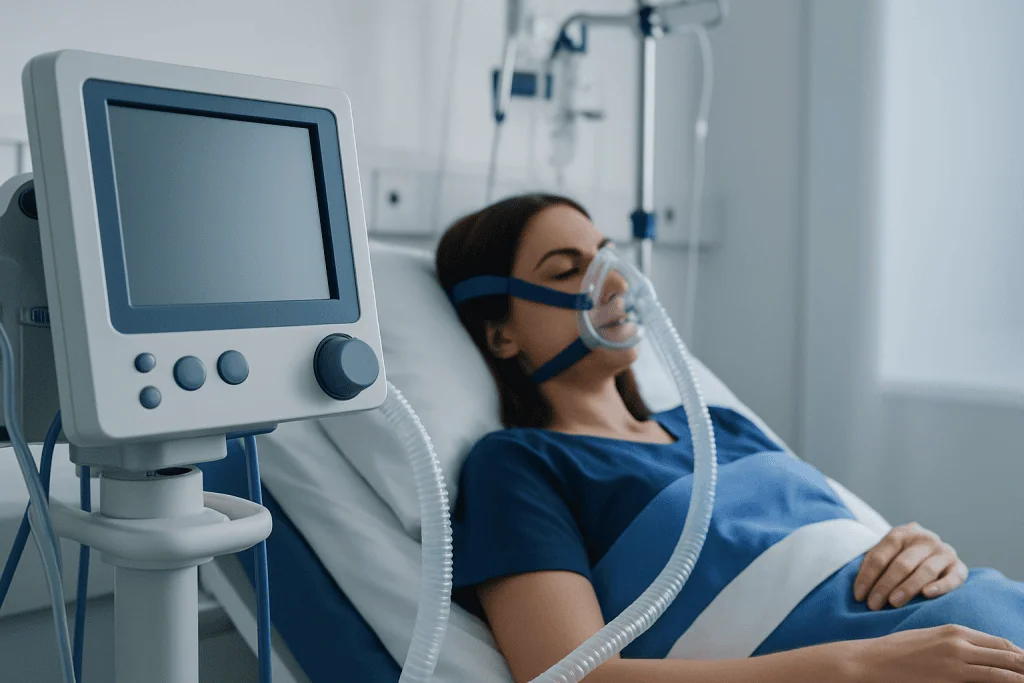
Sleep position is one of the most common explanations. Side and stomach sleeping can make saliva more likely to leave the mouth, particularly if the mouth opens during deeper stages of sleep. Sleeping on the back may help some people, although it is not suitable or comfortable for everyone and may worsen snoring or sleep-disordered breathing in certain individuals.
Mouth breathing is another frequent contributor. A blocked nose from a cold, seasonal allergies, sinus irritation, a deviated nasal septum, or enlarged nasal tissues can lead a person to breathe through their mouth. This can leave the lips open and make drooling more noticeable, often along with dry mouth on waking.
Other possible contributors include snoring, obstructive sleep apnea, acid reflux, dental or gum discomfort, poorly fitting dental appliances, and irritation inside the mouth. Pregnancy, nausea, and some infections may temporarily increase saliva. Certain medicines can also affect saliva production or swallowing, so a prescriber or pharmacist should review concerns rather than a person stopping a prescribed medicine on their own.
- Temporary nasal congestion or allergies
- Side or stomach sleeping with an open mouth
- Snoring or possible obstructive sleep apnea
- Reflux symptoms, especially nighttime heartburn or regurgitation
- Dental, jaw, or oral health concerns
- Medication effects or conditions that affect swallowing
Practical Steps That May Reduce Drooling at Night

A person can begin with low-risk adjustments for one to two weeks and note whether the problem improves. If they usually sleep on their stomach or side, they may try a more supported back-lying position using pillows that keep the head and neck comfortable. However, people with significant snoring, known sleep apnea, reflux that worsens when lying flat, pregnancy-related comfort needs, or other health concerns should discuss their best sleep position with a clinician.
Keeping the nose as clear as possible can support comfortable nasal breathing. Helpful measures may include avoiding known allergy triggers, using a clean bedroom environment, staying well hydrated, and asking a pharmacist or clinician about appropriate treatments for allergies or nasal congestion. Overuse of certain nonprescription nasal sprays can worsen congestion, so these should only be used as directed.
Good oral care may also help. Regular toothbrushing, flossing or interdental cleaning, cleaning dental appliances as advised, and routine dental visits can identify irritation, gum disease, or appliance fit issues. If the jaw tends to fall open during sleep, a clinician or dentist can advise whether any individualized approach is appropriate; it is not advisable to tape the mouth shut, as this can be unsafe for people with nasal obstruction, breathing disorders, or reflux.
For people who notice heartburn, sour taste, cough, or regurgitation at night, avoiding large meals close to bedtime and discussing persistent symptoms with a doctor may be useful. Limiting alcohol near bedtime can also reduce muscle relaxation, worsen snoring, and make open-mouth sleep more likely.
Could Snoring or Sleep Apnea Be Involved?
Drooling alone does not diagnose a sleep disorder. Still, it may occur alongside snoring or obstructive sleep apnea because repeated breathing interruptions and mouth breathing can affect sleep posture and saliva control. Obstructive sleep apnea occurs when the upper airway repeatedly narrows or closes during sleep, briefly disrupting normal breathing.
A medical review is especially worthwhile if sleep drooling occurs with loud habitual snoring, witnessed pauses in breathing, choking or gasping during sleep, unrefreshing sleep, morning headaches, or excessive daytime sleepiness. Children who snore regularly or have restless sleep should also be evaluated by a pediatric clinician, as their needs and causes may differ from those of adults.
A clinician may recommend a sleep assessment when symptoms suggest sleep apnea or another sleep-related breathing condition. Treating the underlying breathing issue can improve sleep quality and may reduce mouth breathing and drooling, but the most suitable treatment depends on the individual diagnosis.
When to Seek Medical Care
Medical advice is recommended when drooling is new, persistent, worsening, disruptive to sleep, causing skin irritation, or accompanied by difficulty swallowing. A person should also arrange a review if they frequently cough or choke while eating or drinking, have recurring chest infections, lose weight without intending to, have voice changes, or feel that food sticks in the throat.
Urgent medical care is needed if drooling begins suddenly with facial drooping, weakness or numbness on one side of the body, trouble speaking, severe dizziness, confusion, a severe new headache, or difficulty walking. These symptoms can be signs of a neurological emergency, including stroke, and should not be managed at home.
Prompt assessment is also important for severe breathing difficulty, inability to swallow saliva, significant swelling of the tongue or throat, or high fever with worsening throat symptoms. These situations are uncommon, but timely care helps clinicians protect breathing and identify the cause.
How Doctors Assess Persistent Drooling
A doctor will usually begin by asking when drooling started, whether it happens only during sleep or also in the daytime, and whether there are related symptoms such as nasal blockage, snoring, reflux, swallowing difficulty, speech changes, or medication changes. They may ask about sleep habits, alcohol use, dental appliances, oral health, and any neurological history.
The examination may include the mouth, teeth, gums, jaw, throat, nose, neck, and basic neurological function. The clinician may look for signs of oral irritation, dental infection, enlarged tonsils, nasal obstruction, reduced facial muscle control, or problems coordinating swallowing. Depending on the findings, referral to a dentist, ear, nose and throat specialist, sleep specialist, neurologist, or speech and language therapist may be appropriate.
Testing is not always needed. When symptoms point to a specific issue, investigations may include a sleep study, assessment of swallowing, dental imaging, or examination of the nasal passages and throat. The goal is to distinguish between increased saliva production, saliva escaping because the mouth opens, and impaired swallowing or saliva clearance.
Treatment Depends on the Underlying Cause
When drooling is linked to temporary congestion, allergies, a sleeping position, or oral irritation, addressing that factor may be enough. For example, treatment for nasal allergy symptoms, dental care, reflux management, or treatment of a sleep-related breathing disorder may reduce nighttime drooling without needing a treatment aimed directly at saliva.
If a swallowing or neurological condition affects saliva control, treatment may involve a multidisciplinary plan. This can include swallowing therapy, posture and positioning guidance, oral-motor strategies, treatment of contributing conditions, and in selected cases medicines or procedures that reduce saliva production. These options require careful medical supervision because reducing saliva too much can cause dry mouth, dental problems, or thicker secretions.
Acibadem International’s multidisciplinary specialists and JCI-accredited hospitals can assess persistent drooling and related dental, ENT, sleep, digestive, or neurological concerns for international patients. A personalized evaluation is important because the safest approach depends on the cause, overall health, and associated symptoms.
Frequently asked questions
Is slobbering in sleep normal?
Occasional drooling during sleep is common and usually harmless. It often occurs when the face and jaw relax, the mouth opens, and saliva escapes due to sleep position. Persistent, new, or worsening drooling deserves medical review, particularly when it occurs with swallowing or breathing symptoms.
What sleeping position helps stop drooling?
Side and stomach sleeping can make drooling more likely because gravity allows saliva to collect near the mouth. Some people find that sleeping on their back with comfortable head and neck support reduces leakage. However, back sleeping can worsen snoring or sleep apnea in some people, so it should be discussed with a clinician if breathing symptoms are present.
Can allergies cause drooling during sleep?
Yes. Allergies and nasal congestion can encourage mouth breathing, which makes it easier for saliva to escape while sleeping. Managing nasal symptoms safely and identifying allergy triggers may improve both breathing comfort and sleep drooling.
Does sleep drooling mean a person has too much saliva?
Not necessarily. Many people who drool at night produce a normal amount of saliva but swallow less often during sleep or sleep with their mouth open. A clinician can help determine whether excess production, reduced swallowing, or another factor is involved when the symptom is persistent.
Can sleep apnea cause drooling?
Sleep apnea may be associated with drooling because it can contribute to mouth breathing, snoring, and disrupted sleep. Drooling is not enough to diagnose sleep apnea by itself. Loud snoring, breathing pauses, gasping, morning headaches, and daytime sleepiness are reasons to seek assessment.
When is drooling a sign of an emergency?
Sudden drooling with facial weakness, difficulty speaking, one-sided weakness or numbness, confusion, severe dizziness, or loss of balance needs emergency medical attention. Urgent care is also needed for difficulty breathing, inability to swallow saliva, or rapidly increasing throat or tongue swelling.
This article is for general information only and is not a substitute for professional medical advice. Please consult a qualified doctor about your individual situation.
Explore treatments in Turkey — costs, top hospitals & a free quote
JCI-accredited · board-certified surgeons · reply within 24h
Add us as a Preferred Source to see more of our trusted health content across Google Search, AI Overviews and Discover.

More from the Health Library

How Long Does It Take for Eyebrows to Grow Back? Here Is What the Evidence Says

Are Styes Contagious? Here Is What the Evidence Says

Does Coffee Raise Cortisol? Here Is What the Evidence Says

Radish vs Beet: Key Differences and How Doctors Tell Them Apart

How Long Does It Take for Antibiotics to Work? Here Is What the Evidence Says