How to Stretch Lower Back? Causes, Explanations, and Next Steps
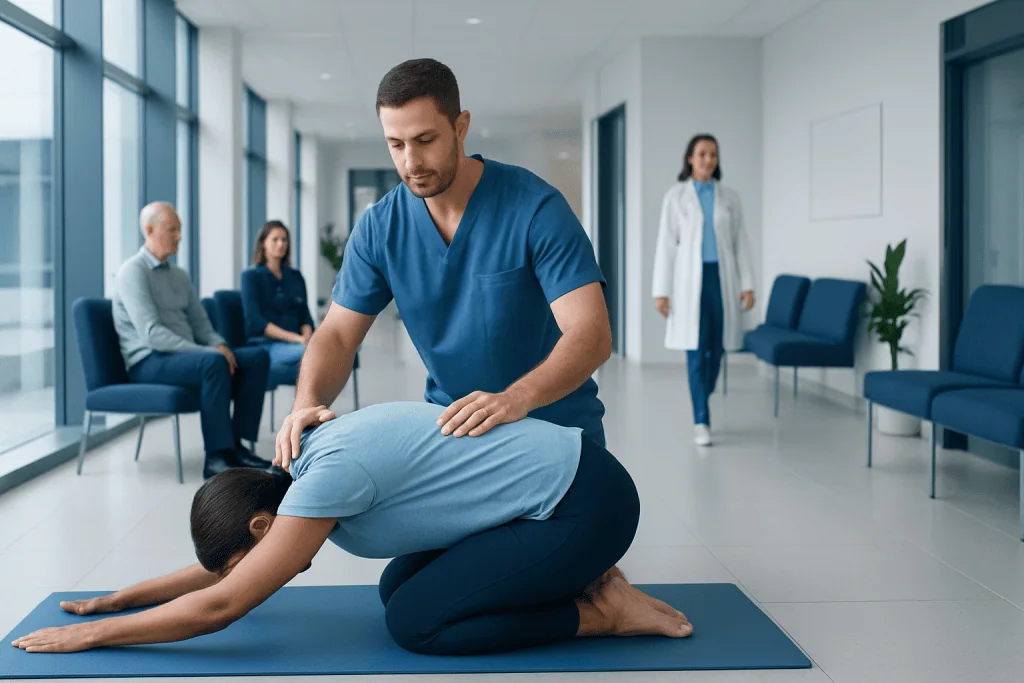
Most mild lower back tightness is related to muscle strain, posture, or temporary stiffness and often improves with gentle movement. Stretches should feel mild and controlled, not sharp, burning, or worsening.
Key Takeaways
- Most mild lower back tightness is related to muscle strain, posture, or temporary stiffness and often improves with gentle movement.
- Stretches should feel mild and controlled, not sharp, burning, or worsening.
- Back pain with leg weakness, numbness, fever, trauma, or bowel or bladder changes needs prompt medical assessment.
- Doctors diagnose the cause through symptoms, physical examination, and imaging only when clinically needed.
- Regular movement, core support, posture changes, and gradual exercise can help prevent recurring lower back tightness.
How to stretch lower back safely usually means using gentle, pain-free movements, not forcing the spine into deep bends. Most short-term lower back tightness improves with light activity, simple stretches, and time, but certain warning signs mean medical review is important.
Overview: how to stretch lower back safely
For many people, the answer to how to stretch lower back is simple: use slow, gentle, comfortable movements and stop if pain increases. Lower back tightness is very common and is often related to muscle strain, long periods of sitting, a new activity, or temporary stiffness rather than a serious spinal problem.
A helpful approach is to move first, then stretch lightly. A short walk, a few minutes of easy movement, or changing position can reduce guarding in the back muscles and make stretching more comfortable. Stretching should never feel like forcing the spine into place; the goal is to ease tension, improve mobility, and reduce protective muscle spasm.
Common gentle options include bringing one knee toward the chest, rotating both knees side to side while lying down, and moving between a mild arch and a mild rounding of the back. These are often better tolerated than deep toe-touching or sudden twisting. If a stretch causes sharp pain, pain shooting down the leg, or increasing numbness, it is best to stop and seek medical advice.
Because lower back discomfort can come from muscles, joints, discs, nerves, or nearby structures, stretching is not the right solution for every cause. Understanding when symptoms are likely harmless and when they need evaluation helps people choose the safest next step.
What lower back tightness can feel like
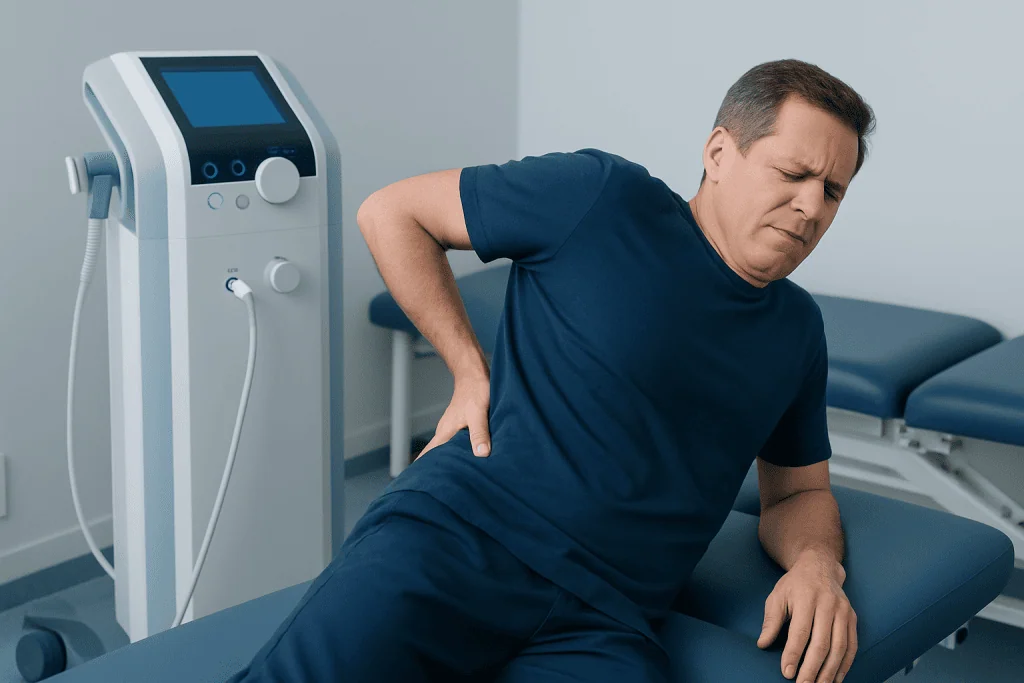
Lower back tightness may feel like stiffness after waking, soreness after lifting, a dull ache from sitting too long, or a sense that the muscles are “locked up.” Some people notice symptoms mostly when bending forward, standing upright after sitting, or turning in bed. Others feel discomfort in the center of the lower back or across both sides near the waistline.
Muscle-related tightness often improves a little with gentle walking or changing position. It may be tender to touch and can feel worse after unusual exertion. In many cases, there is no single injury; symptoms build gradually from posture, repeated movement, or deconditioning.
Symptoms deserve a closer look when the pattern suggests nerve irritation or another underlying condition. Warning features include pain traveling below the knee, tingling, numbness, weakness, unexplained weight loss, fever, or pain that is severe at night or does not improve with rest. A history of osteoporosis, cancer, recent significant trauma, or infection risk can also change how a doctor evaluates back pain.
When lower back symptoms are accompanied by leg pain or nerve-related symptoms, doctors may consider conditions such as a herniated disc or narrowing around the spinal nerves. Not every episode of radiating pain is serious, but it should be assessed if it is persistent, worsening, or limiting daily activities.
Why the lower back feels tight: common causes and risk factors
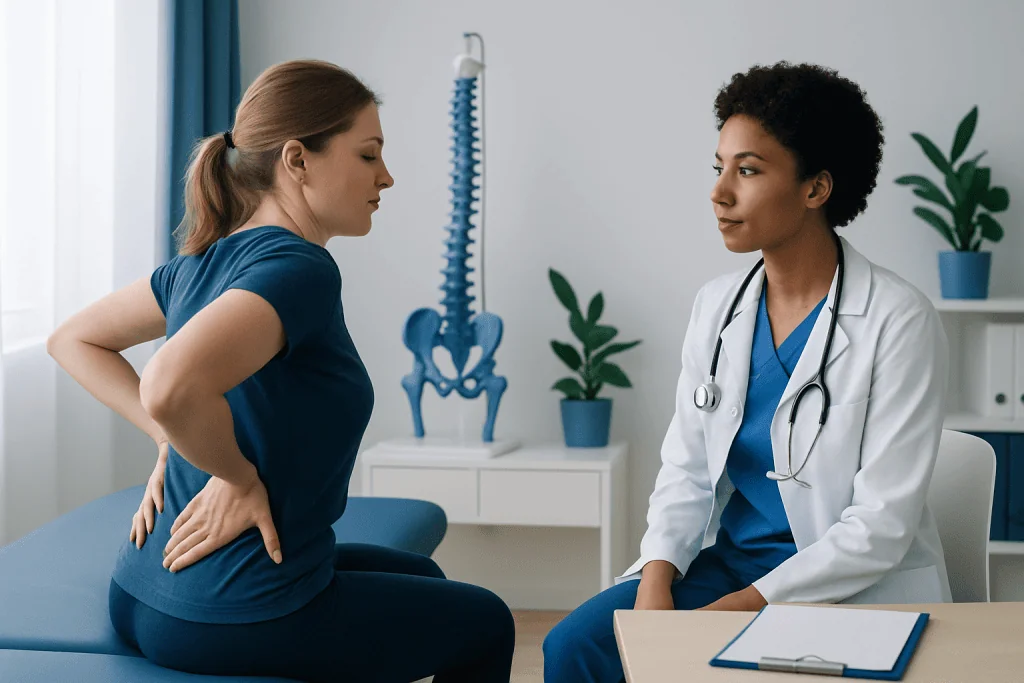
The most common reason for lower back tightness is a mild strain of muscles or ligaments. This can happen after lifting, bending, gardening, exercise, travel, or even sleeping in an awkward position. In these situations, the body sometimes responds with muscle guarding, which creates a feeling of stiffness and reduced movement.
Posture and daily habits also matter. Long periods of sitting can leave the hips tight and reduce normal movement in the lower back. Weak core and gluteal muscles may increase the load on the lumbar area during standing, walking, or lifting. Stress can contribute as well, because tense muscles often become more painful and less flexible.
Other causes include irritation of the small joints of the spine, disc-related pain, degenerative changes associated with aging, and inflammation. Sometimes buttock or hip tightness makes the lower back work harder, so the source of symptoms is not always the back muscles themselves. Some people have recurring stiffness linked to osteoarthritis or to structural problems that need a more targeted plan.
Risk factors for recurrent episodes include poor conditioning, sudden increases in exercise, repetitive bending or twisting, smoking, excess body weight, prolonged driving, and previous back injuries. In a smaller number of cases, more specific conditions such as scoliosis or spinal canal narrowing can affect posture and movement patterns and contribute to ongoing discomfort.
Gentle stretches that may help
If the goal is to learn how to stretch lower back safely, the key principle is comfort. A stretch should create a mild sense of release, not sharp pain. Breathing slowly and avoiding bouncing can help the muscles relax. Many people hold each position for a short, comfortable period and repeat it a few times, staying within an easy range.
Examples of commonly used gentle lower back stretches include:
- Knee-to-chest: lying on the back and bringing one knee in at a time.
- Supine trunk rotation: lying on the back with knees bent and moving them gently side to side.
- Cat-cow movement: on hands and knees, slowly alternating between a small arch and a small rounding of the back.
- Child’s pose variation: only if comfortable, easing the hips back without forcing the spine.
- Pelvic tilts: lying on the back and gently flattening and releasing the lower back.
It often helps to start with heat, a warm shower, or a short walk before stretching. Gentle mobility is usually more useful than trying to “crack” the back or push into an intense stretch. If bending forward increases pain, a doctor or physiotherapist may suggest a different direction of movement instead of standard stretches.
Stretching is only one part of care. When symptoms keep returning, people may benefit more from a structured rehabilitation plan that combines flexibility, posture training, and strength work. In some cases, a doctor may recommend physical therapy and rehabilitation to identify movement patterns that are contributing to pain.
When stretching may not be the right next step
Although gentle movement helps many cases of simple back tightness, stretching is not always appropriate. If a movement clearly worsens pain, increases leg symptoms, or causes a sense of instability, it is better to stop. The lower back can become more irritated when stretches are too aggressive, repeated too often, or done without considering the true cause of symptoms.
Stretching may be less helpful when pain is mainly caused by an inflamed disc, significant nerve compression, or an acute injury. In these cases, the right plan may focus first on pain control, activity modification, and guided exercises rather than flexibility alone. Some people need a tailored approach to avoid movements that aggravate their condition.
People should also be cautious after a fall, sports injury, or car accident, especially if pain is severe or movement is very limited. Those with osteoporosis or known spinal fractures should not self-prescribe forceful spinal stretches. Likewise, unexplained fever, history of cancer, recent infection, or immune suppression are reasons to seek professional assessment instead of relying on home stretching.
When persistent symptoms suggest a structural issue in the spine, specialists may investigate conditions such as spinal stenosis or other causes of nerve compression. A diagnosis helps determine whether stretching, strengthening, medication, injections, or other treatments are most appropriate.
How doctors evaluate ongoing or concerning back pain
When lower back symptoms do not improve, a doctor usually begins with a careful history. They ask when the pain started, what movements make it better or worse, whether it travels into the leg, and whether there are warning signs such as weakness, numbness, fever, or changes in bladder or bowel control. This information often provides the most important clues.
A physical examination may include checking posture, walking, range of motion, muscle tenderness, reflexes, strength, and sensation in the legs. The doctor may also assess the hips and sacroiliac joints because pain from nearby structures can mimic lower back problems. This step helps distinguish a simple strain from possible nerve involvement or another underlying issue.
Imaging is not needed for every episode of low back pain. X-rays, MRI, or CT scans are generally used when symptoms are persistent, severe, associated with red flags, or when surgery or other procedures are being considered. Blood tests may be ordered if infection or inflammatory disease is suspected.
Based on these findings, treatment can be tailored. Many patients do well with conservative care, while some need specialist input from orthopedics, neurology, rehabilitation, or pain medicine. At centers such as Acibadem International, multidisciplinary specialists in JCI-accredited hospitals evaluate international patients with back pain and create individualized treatment plans.
Treatment options beyond stretching
For uncomplicated lower back pain, treatment often starts with relative activity modification rather than complete bed rest. Gentle walking, avoiding heavy lifting for a short period, and using simple comfort measures can support recovery. Depending on the person and the cause, a doctor may recommend nonprescription or prescription pain relief, but medication should be used only as directed by a qualified clinician.
Rehabilitation is often central to long-term improvement. A physiotherapist may teach safe movement patterns, core strengthening, hip mobility work, and strategies for lifting, sitting, and returning to exercise. The goal is not just short-term relief but reducing future episodes by improving how the body supports the spine.
When symptoms persist or are linked to nerve irritation, doctors may consider additional options such as image-guided pain procedures or specialist evaluation. In selected cases, spine surgery may be discussed, especially when there is significant nerve compression, weakness, or pain that does not respond to appropriate conservative treatment. Surgery is not the first step for most people, but it can be important in carefully chosen situations.
Some patients also benefit from broader musculoskeletal care, especially when the back problem overlaps with hip, posture, or alignment concerns. Depending on the diagnosis, referral for orthopedic rehabilitation or other targeted support may help improve movement and function safely over time.
Prevention, self-care, and when to seek medical care
Everyday habits can reduce the chance of recurring lower back tightness. Useful steps include regular walking, changing position often during the day, strengthening the core and hips, warming up before exercise, and using proper lifting technique. A supportive sleep setup and reducing prolonged sitting can also make a meaningful difference.
At home, simple self-care may include gentle stretching, short walks, heat, pacing activities, and avoiding sudden heavy loads while symptoms settle. It usually helps to return to normal movement gradually rather than waiting for the back to feel perfect before being active again. If pain repeatedly returns, professional guidance can help identify the cause and prevent a cycle of flare-ups.
Medical care should be sought promptly if back pain follows significant trauma, is severe and unrelenting, wakes a person regularly at night, or is accompanied by fever, unexplained weight loss, leg weakness, saddle numbness, or bowel or bladder changes. Care is also important if pain spreads down the leg and does not improve, or if symptoms last longer than expected despite sensible self-care.
In short, learning how to stretch lower back safely starts with recognizing that most mild stiffness is manageable with gentle, pain-free movement. The next step is knowing when symptoms no longer fit a simple strain and deserve medical assessment, so the right diagnosis and treatment can be made without delay.
Frequently asked questions
What is the safest way to stretch the lower back?
The safest way is to use slow, gentle, pain-free movements rather than deep or forceful stretches. It often helps to warm up first with a short walk or a warm shower, then stop any stretch that causes sharp pain, leg symptoms, or worsening discomfort.
Should someone stretch the lower back when it hurts?
Sometimes yes, but only if the pain seems mild and muscular and the movement feels comfortable. If stretching clearly makes the pain worse, especially if pain shoots into the leg or causes numbness, it is better to stop and seek medical advice.
How long does simple lower back tightness usually last?
Many mild episodes begin to improve within a few days and continue settling over one to a few weeks. Recovery time depends on the cause, activity level, previous injuries, and whether symptoms are being aggravated by posture or lifting.
When is lower back pain more than just muscle tightness?
It may be more than simple muscle tightness when pain travels below the knee, causes weakness or numbness, follows a major injury, or comes with fever, unexplained weight loss, or bladder or bowel changes. Persistent or worsening symptoms also deserve medical evaluation.
Can walking help lower back tightness?
Yes, gentle walking often helps because it keeps the back moving without forcing it into a stressful position. For many people, light activity is more helpful than prolonged bed rest, as long as symptoms do not significantly worsen.
Is it better to use heat or ice before stretching?
Many people find heat more comfortable before stretching because it can relax muscles and make movement easier. Ice may be useful after a recent strain if there is soreness or inflammation, but comfort and individual response vary.
References
- National Institute of Arthritis and Musculoskeletal and Skin Diseases
- American Academy of Orthopaedic Surgeons
- National Institute of Neurological Disorders and Stroke
- Mayo Clinic
- World Health Organization
This article is for general information only and is not a substitute for professional medical advice. Please consult a qualified doctor about your individual situation.
Joint and spine care in Turkey — expert assessment & treatment
JCI-accredited · board-certified surgeons · reply within 24h
Add us as a Preferred Source to see more of our trusted health content across Google Search, AI Overviews and Discover.