

HPV: An Evidence-Based Guide for Patients

HPV stands for human papillomavirus, a group of viruses spread mainly through skin-to-skin sexual contact. Most HPV infections cause no symptoms and clear naturally, but some types can persist.
Key Takeaways
- HPV stands for human papillomavirus, a group of viruses spread mainly through skin-to-skin sexual contact.
- Most HPV infections cause no symptoms and clear naturally, but some types can persist.
- Low-risk HPV types may cause warts, while high-risk types can contribute to cervical and other cancers.
- Vaccination, safer sex practices, and recommended screening help lower HPV-related health risks.
- There is no medicine that removes HPV itself, but doctors can treat warts, abnormal cell changes, and related conditions.
HPV is a very common viral infection, and in many people it causes no symptoms and goes away without treatment. Some HPV types can lead to genital warts or raise the risk of cancers, which is why screening, vaccination, and medical follow-up matter.
Overview: what HPV is and why it matters
HPV, or human papillomavirus, is a group of related viruses that infect the skin and mucous membranes. It is one of the most common sexually transmitted infections worldwide. In most cases, HPV does not cause noticeable problems and the immune system clears the infection over time.
Even though HPV is common, not all types behave the same way. Some are considered low risk and may cause warts. Others are high risk because long-lasting infection can lead to cell changes that may become cancer over many years, especially in the cervix, but also in the anus, penis, vulva, vagina, and throat.
For patients, the most important point is that HPV is usually manageable with prevention, screening, and appropriate follow-up. A positive HPV test does not mean a person has cancer. It means medical guidance is needed to understand the type of HPV, whether there are cell changes, and what next steps are appropriate.
How HPV spreads and who can get it
HPV spreads mainly through intimate skin-to-skin contact, including vaginal, anal, and oral sex. Because transmission does not require penetration and the virus can affect areas not covered by a condom, HPV can spread even when a person has no symptoms and does not know they are infected.
Anyone who is sexually active can get HPV. Infection is common soon after sexual activity begins, but it can also be acquired later in life. Having HPV does not say anything about a person’s hygiene, character, or whether a partner has been unfaithful. The virus can remain inactive for a long time before it is detected.
Several factors can increase the chance that HPV will persist rather than clear. These include smoking, immune system weakness, a higher number of sexual partners, and not receiving HPV vaccination. Persistent high-risk HPV is the main concern because it can lead to precancerous changes that may need monitoring or treatment.
Symptoms and possible health effects

Most people with HPV have no symptoms at all. This is one reason regular screening is so important. When symptoms do occur, they depend on the HPV type and the area of the body affected.
Low-risk HPV types can cause warts. Genital warts may appear as small bumps, flat lesions, or clusters with a cauliflower-like surface. They can affect the vulva, vagina, cervix, penis, scrotum, anus, or nearby skin. Warts may be painless, or they may cause itching, irritation, or discomfort.
High-risk HPV usually does not cause symptoms in its early stages. Instead, it may lead to abnormal cell changes that are found on screening tests before a person feels unwell. Over time, untreated persistent infection can contribute to cancers such as cervical cancer or, less commonly, cancers of the anus, penis, vulva, vagina, and oropharynx.
Symptoms that may suggest a more advanced HPV-related condition can include unusual bleeding, ongoing pelvic pain, persistent throat symptoms, pain during sex, or a new lump or lesion that does not heal. These symptoms do not always mean cancer, but they should be assessed by a doctor.
How HPV is diagnosed and monitored
HPV is diagnosed in different ways depending on the situation. Visible warts are often diagnosed during a clinical examination. In many cases, no special laboratory test is needed to confirm common external genital warts, although further assessment may be advised if the appearance is unusual or the diagnosis is uncertain.
For cervical health, screening plays a central role. Depending on age, medical history, and local guidelines, this may include an HPV test, a Pap test, or both. An HPV test looks for high-risk virus types, while a Pap test looks for abnormal cervical cells. If a screening result is abnormal, a doctor may recommend closer follow-up or further examination.
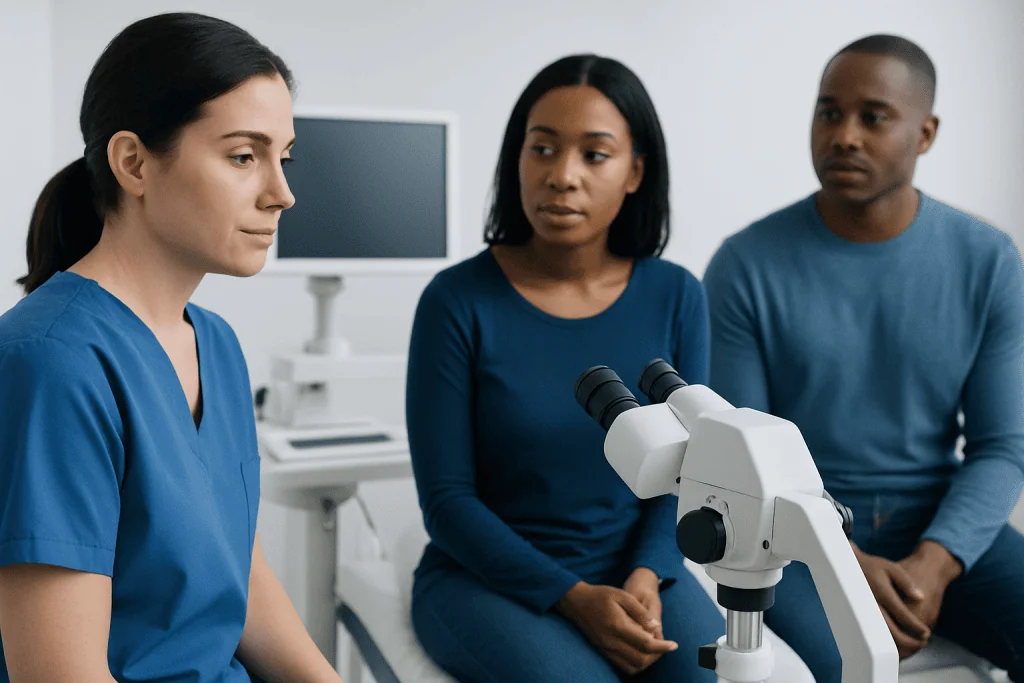
One common next step is colposcopy, a closer examination of the cervix using magnification. If needed, small tissue samples may be taken to look for precancerous changes. When there are concerning symptoms in other body areas, evaluation may involve a physical exam, imaging, endoscopy, or biopsy depending on the suspected site.
It helps patients to know that testing positive for HPV is not unusual and does not automatically mean there is serious disease. What matters most is whether the infection is persistent and whether there are abnormal cells that need monitoring or treatment.
Treatment options: from watchful follow-up to procedures
There is no treatment that directly removes HPV itself from the body. Instead, care focuses on the effects of the infection, such as genital warts or abnormal cell changes. In many people, especially when there are no symptoms or only minor changes, doctors may recommend observation and repeat testing because the immune system often clears the virus naturally.
Genital warts can be treated with prescription topical therapies or office-based procedures. Depending on the size, number, and location of the warts, a specialist may suggest methods such as chemical treatment, freezing, or removal. For selected cases, procedural treatment may include cryotherapy to destroy wart tissue.
If HPV causes abnormal cervical cells, management depends on how severe the changes are. Mild abnormalities may only need follow-up testing, while more significant precancerous lesions may require treatment to remove or destroy the affected tissue. In some cases, treatment may involve a focused procedure such as colposcopy with biopsy and further management based on the results.
When HPV-related cancer is diagnosed, treatment is planned by a multidisciplinary team and may include surgery, radiation therapy, chemotherapy, or other cancer treatments depending on the tumor type and stage. Conditions such as cervical cancer or throat cancer are managed differently from simple HPV infection, so specialist assessment is important.
Prevention and self-care
HPV vaccination is one of the most effective ways to reduce the risk of infection with several high-risk and wart-causing HPV types. Vaccination works best before exposure to the virus, but some older adolescents and adults may also benefit. A doctor can advise whether vaccination is appropriate based on age, health status, and local recommendations.
Routine screening is another key part of prevention, especially for cervical cancer. Keeping up with recommended HPV and Pap testing can find changes early, often before symptoms develop. Early detection allows treatment of precancerous changes before they become more serious.
Safer sex practices can lower risk, although they do not eliminate it completely. Condoms and dental dams can reduce transmission, and limiting the number of sexual partners may also help. Avoiding smoking is important because smoking is linked to persistent HPV infection and cervical cell changes.
Self-care after an HPV diagnosis mainly means following medical advice and not ignoring follow-up appointments. It may also help to avoid picking or shaving over visible warts, to talk openly with sexual partners, and to seek emotional support if the diagnosis causes stress. In some patients, specialists may evaluate related concerns through services such as gynecologic care when cervical or vulvar symptoms are present.
When to seek medical care
A person should seek medical care if they notice new genital or anal bumps, persistent itching, unusual discharge, bleeding after sex, bleeding between periods, pain during sex, or sores that do not heal. These symptoms do not always mean HPV, but they deserve evaluation so the cause can be identified and treated appropriately.
Medical advice is also important after an abnormal HPV test or Pap result, even when there are no symptoms. Follow-up is the safest way to determine whether the infection is temporary or whether additional testing is needed. Delaying care can allow abnormal cell changes to progress unnoticed.
People with a weakened immune system, including those taking immune-suppressing medicines, may need closer medical follow-up because HPV-related lesions can be more persistent. Anyone with ongoing throat symptoms, anal symptoms, or unexplained lesions in the mouth or genital area should also be assessed.
Near the end of the care pathway, some patients may benefit from coordinated specialist review. Acibadem International’s multidisciplinary specialists in JCI-accredited hospitals diagnose and treat HPV-related conditions for international patients when further assessment or treatment is needed.
Frequently asked questions
Is HPV always a sexually transmitted infection?
HPV is most often spread through intimate skin-to-skin sexual contact, including vaginal, anal, and oral sex. Because it can spread through contact with affected skin, transmission can happen even when there are no visible symptoms.
Can HPV go away on its own?
Yes. In many people, the immune system clears HPV naturally over time without any treatment. What needs closer attention is persistent infection, especially with high-risk HPV types.
Does a positive HPV test mean cancer?
No. A positive HPV test means that high-risk HPV was detected, not that cancer is present. It usually means follow-up testing or examination is needed to check for abnormal cell changes.
Can men get HPV too?
Yes. Men can get HPV and can pass it to partners. HPV may cause genital warts and can also be linked to cancers of the penis, anus, and throat.
Is there a cure for HPV?
There is no medicine that eliminates HPV itself. However, doctors can treat the problems it may cause, such as genital warts or precancerous cell changes, and many infections clear naturally.
Can someone get HPV after vaccination?
Yes, because the vaccine does not protect against every HPV type and it does not treat an infection that is already present. Even so, vaccination significantly lowers the risk of several important high-risk and wart-causing types.
References
- World Health Organization
- Centers for Disease Control and Prevention
- American College of Obstetricians and Gynecologists
- National Cancer Institute
- American Society for Colposcopy and Cervical Pathology
This article is for general information only and is not a substitute for professional medical advice. Please consult a qualified doctor about your individual situation.
Explore treatments in Turkey — costs, top hospitals & a free quote
JCI-accredited · board-certified surgeons · reply within 24h
Add us as a Preferred Source to see more of our trusted health content across Google Search, AI Overviews and Discover.

More from the Health Library



Related Specialists

Dr. Emin Ayan
Radiology
Assoc. Prof. Dr. Emine Karabük
Gynecology & Obstetrics
Prof. Dr. İnan Anaforoğlu
Endocrinology
Prof. Dr. Cem Alhan
Cardiovascular Surgery