HPV and Cervical Screening: Pap Smear, HPV Test, and Follow-Up

Most cervical cancers are linked to persistent infection with high-risk types of HPV, but screening can find changes early. A Pap smear looks for abnormal cervical cells, while an HPV test checks for high-risk HPV types that can cause these changes.
Key Takeaways
- Most cervical cancers are linked to persistent infection with high-risk types of HPV, but screening can find changes early.
- A Pap smear looks for abnormal cervical cells, while an HPV test checks for high-risk HPV types that can cause these changes.
- Screening recommendations depend on age, medical history, previous results, and national guidelines.
- An abnormal result does not mean cancer; it usually means closer follow-up or additional testing is needed.
- HPV vaccination, regular screening, and timely follow-up are the main ways to reduce cervical cancer risk.
HPV and cervical screening help detect early cervical cell changes before they become cancer. Understanding Pap smears, HPV tests, and follow-up steps can make screening feel clearer and more manageable.
Overview
HPV and cervical screening are closely connected because human papillomavirus, or HPV, is the main cause of most cervical cancers. HPV is a very common virus that is passed through intimate skin-to-skin sexual contact. In many people, the immune system clears the virus naturally. In some cases, high-risk HPV types can persist and slowly cause changes in the cells of the cervix.
Cervical screening is designed to find these changes early, often years before cancer could develop. The two main screening tools are the Pap smear, also called cervical cytology, and the HPV test. A Pap smear looks for abnormal cells on the cervix, while an HPV test looks for high-risk HPV types that are associated with cervical cancer risk.
Screening is preventive care. It is recommended for people with a cervix according to age, health history, and local medical guidelines. Results can sometimes feel confusing, but most abnormal findings are not cancer. They are signals that a doctor should monitor the cervix more closely or perform additional evaluation.
What HPV Is and Why It Matters
HPV is a group of related viruses. Some types cause common skin warts, some cause genital warts, and others are known as high-risk HPV types because they can be linked to cancers of the cervix, anus, throat, vulva, vagina, and penis. For cervical screening, the main concern is persistent infection with high-risk HPV, especially types such as HPV 16 and HPV 18.
Having HPV does not mean a person has been careless, and it does not indicate when the infection was acquired. HPV can remain silent for a long time, and many people never know they have had it. Because it is so common, screening programs focus less on blame and more on prevention, early detection, and appropriate follow-up.
The cervix is the lower part of the uterus that opens into the vagina. The area where cervical cells change from one type to another is particularly sensitive to HPV-related changes. Screening samples are taken from this area to detect either abnormal cells or high-risk HPV before symptoms appear.
Pap Smear, HPV Test, and Co-Testing

A Pap smear collects cells from the cervix using a small brush or spatula during a pelvic examination. The sample is examined in a laboratory to identify abnormal cells. Results may be described as normal, unsatisfactory, or abnormal, with terms that reflect the type and degree of cell change. Mild changes often return to normal, while more significant changes may require closer assessment.
An HPV test is performed on a cervical sample and checks for high-risk HPV types. It may be done at the same time as a Pap smear, on the same sample, or as a primary screening test depending on the guideline used. The HPV test does not diagnose cancer; it identifies the presence of viral types that increase the likelihood of cervical cell changes over time.
Co-testing means having both a Pap smear and an HPV test. This approach is commonly used in certain age groups because the two tests provide different information: one about current cell appearance and the other about viral risk. Screening schedules vary by country and medical organization, so the best interval should be confirmed with a qualified healthcare professional.
- Pap smear: looks for abnormal cervical cells.
- HPV test: looks for high-risk HPV infection.
- Co-testing: combines both tests for a broader risk assessment.
Who Needs Cervical Screening and When
Cervical screening is generally recommended for people with a cervix beginning in early adulthood, even if they feel well and have no symptoms. Many guidelines start Pap testing at age 21. In later adulthood, HPV-based testing or co-testing may be recommended at longer intervals if results are normal. Exact schedules can differ, so patients should follow local recommendations and their doctor’s advice.
People who have had a hysterectomy should ask their doctor whether screening is still needed. The answer depends on whether the cervix was removed and why the surgery was performed. Those with a history of high-grade cervical cell changes, cervical cancer, immune system problems, organ transplant, HIV infection, or certain prenatal medication exposures may need a different screening plan.
Screening can usually stop after a certain age if a person has had adequate normal prior results and no significant history of cervical disease. However, stopping screening should be a shared decision with a healthcare professional. It is important not to skip recommended follow-up after an abnormal result, even if routine screening would otherwise be due less often.
Understanding Results and Follow-Up
Cervical screening results are interpreted by looking at the person’s age, test type, current result, and previous screening history. A normal Pap smear and a negative high-risk HPV test usually indicate a low short-term risk. If HPV is positive but the Pap smear is normal, the doctor may recommend repeat testing after a defined interval or additional evaluation depending on the HPV type and guideline used.
An abnormal Pap result does not automatically mean cancer. Common findings include low-grade changes, which often improve without treatment, and high-grade changes, which have a higher chance of becoming serious if not managed. The purpose of follow-up is to identify which changes need observation and which need treatment.
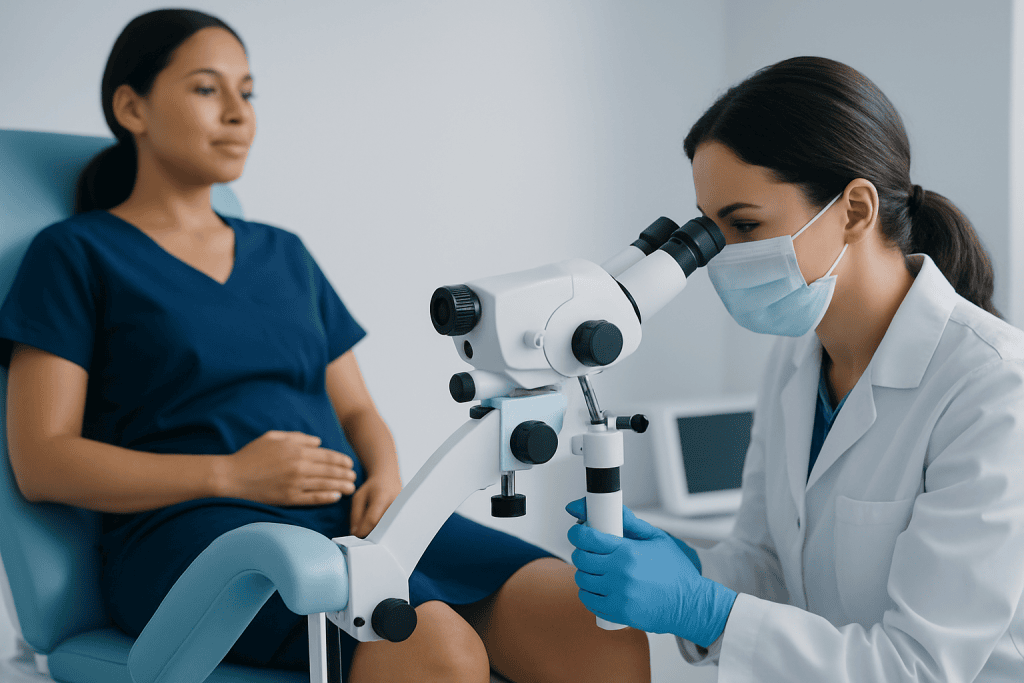
Colposcopy is a common follow-up test after certain abnormal results. During colposcopy, a doctor uses a magnifying instrument to examine the cervix more closely. A small biopsy may be taken if an area looks abnormal. If precancerous changes are confirmed, treatment options may include removing or destroying the affected tissue while preserving as much normal cervical tissue as possible.
- Normal result: return to routine screening as advised.
- Unsatisfactory sample: repeat testing may be needed.
- HPV-positive result: follow-up depends on type and Pap findings.
- Abnormal Pap result: repeat testing, colposcopy, or biopsy may be recommended.
Treatment Options for Cervical Cell Changes
HPV itself usually has no specific treatment when it is found on a screening test. The immune system often clears or controls the infection over time. Medical care focuses on monitoring the cervix and treating cell changes if they reach a level where treatment is safer than observation. Genital warts, caused by different HPV types, can be treated separately if present.
Low-grade cervical changes may be monitored with repeat testing because many resolve naturally. High-grade precancerous changes are more likely to need treatment. Procedures may include excisional methods, such as loop electrosurgical excision, or ablative methods, which destroy abnormal tissue. The choice depends on biopsy results, the location and size of the abnormal area, future pregnancy plans, and the doctor’s assessment.
After treatment, follow-up testing is important to confirm that the cervix has healed and that high-risk HPV or abnormal cells have not returned. Patients should ask their doctor what result was found, what it means, when the next test is due, and whether any activity restrictions apply after a procedure.
Prevention and Self-Care
The HPV vaccine is one of the most effective prevention tools against the HPV types most often linked to cervical cancer and genital warts. Vaccination works best before exposure to HPV, but some older adolescents and adults may still benefit depending on age and health history. A healthcare professional can advise whether vaccination is appropriate.
Regular cervical screening remains important even for people who have been vaccinated, because vaccines do not protect against every high-risk HPV type and may not treat infections acquired before vaccination. Safer sex practices, including condom use, can reduce but not completely eliminate HPV transmission because HPV can infect areas not covered by a condom.
General health habits may support immune function, including not smoking, managing chronic conditions, getting adequate sleep, and attending recommended health visits. Patients should also keep copies of screening results when possible, especially if moving between countries or healthcare systems, because previous results help guide future care.
For international patients who need evaluation or follow-up, Acibadem International’s multidisciplinary specialists and JCI-accredited hospitals provide diagnosis and treatment for cervical screening abnormalities as part of women’s health services.
When to See a Doctor
People should see a doctor for routine cervical screening according to the schedule recommended for their age and medical history. They should also seek care if they receive an HPV-positive result, an abnormal Pap result, or a message that their sample was unsatisfactory. Timely follow-up helps doctors decide whether the finding can be monitored or needs additional testing.
Medical evaluation is also important for symptoms such as bleeding after sex, bleeding between periods, bleeding after menopause, unusual vaginal discharge, pelvic pain, or pain during sex. These symptoms can have many causes, most of which are not cervical cancer, but they should be assessed by a qualified clinician.
Patients who are pregnant, immunocompromised, have HIV, or have a previous history of high-grade cervical changes should ask for individualized guidance. Screening and follow-up can usually be managed safely, but the timing and type of procedures may differ. No one should delay follow-up because of embarrassment or fear; cervical screening is a routine part of preventive healthcare.
Frequently asked questions
Does a positive HPV test mean cervical cancer?
No. A positive HPV test means that high-risk HPV was found, not that cancer is present. The next step depends on age, HPV type, Pap smear result, and previous screening history.
What is the difference between a Pap smear and an HPV test?
A Pap smear looks for abnormal cells on the cervix. An HPV test looks for high-risk HPV types that can lead to those cell changes. Doctors may use one or both tests depending on the patient’s age and screening guideline.
Can HPV go away on its own?
Yes, many HPV infections are cleared or controlled by the immune system without treatment. Persistent high-risk HPV is the concern because it can increase the chance of cervical cell changes. Regular screening helps identify when follow-up is needed.
Is a Pap smear painful?
A Pap smear may feel uncomfortable or cause brief pressure, but it should not be very painful. The sample collection usually takes only a short time. Patients should tell the clinician if they feel pain, anxiety, or have a history of pelvic discomfort.
Do vaccinated people still need cervical screening?
Yes. HPV vaccination greatly reduces the risk from several important HPV types, but it does not protect against every type that can affect the cervix. Vaccinated people should still follow recommended cervical screening schedules.
What happens if a Pap smear is abnormal?
The doctor may recommend repeat testing, HPV testing, colposcopy, or biopsy, depending on the type of abnormality. Many mild abnormalities improve without treatment. More significant changes can often be treated before cancer develops.
References
- World Health Organization
- Centers for Disease Control and Prevention
- American College of Obstetricians and Gynecologists
- National Cancer Institute
- American Cancer Society
This article is for general information only and is not a substitute for professional medical advice. Please consult a qualified doctor about your individual situation.
Oncology care in Turkey — second opinion and treatment plan
JCI-accredited · board-certified surgeons · reply within 24h
Add us as a Preferred Source to see more of our trusted health content across Google Search, AI Overviews and Discover.